

We Tried 9 Different Methods For Making Hot Chocolate To Find The Very Best
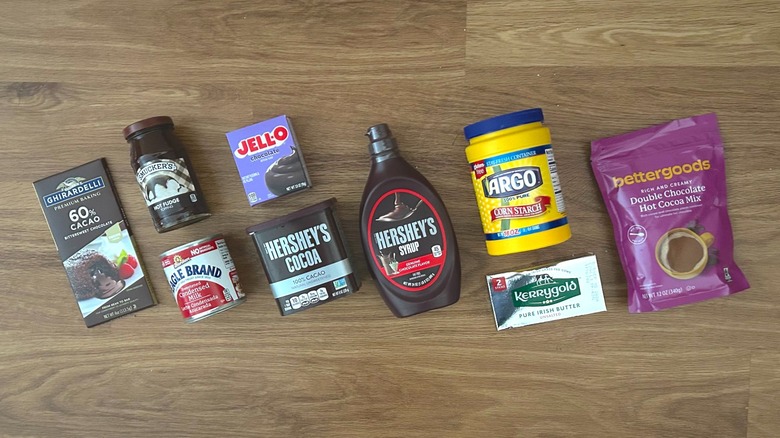
Hot chocolate has had a lengthy and circuitous history that has taken it from the Americas to Europe and beyond. What began as a ritualistic beverage for ancient Aztecs swiftly became a luxury item for European nobility. Today, it is a soul-quenching beverage that can be enjoyed by the whole family in households across the globe.
Though you can obtain a quality cup of hot chocolate at your favorite coffee shop or restaurant, making it at home can be even more satisfying, and it is endlessly customizable. There are a number of ways to make hot chocolate that can produce a flavorful and comforting drink. From instant packets to cocoa powder to melting a bar of pure dark chocolate into a cup of milk, the possibilities are virtually endless.
I decided to research as many of these methods as I could and to put them to the test. To this end, I gathered all the ingredients and supplies I needed and methodically worked through cup after cup of hot chocolate, sniffing and sipping each to assess its aroma, texture, and flavor, which was no small feat. Read on to discover the worst and best methods for creating a quality cup of hot chocolate from scratch from the comfort of your very own kitchen.
9. Using cornstarch
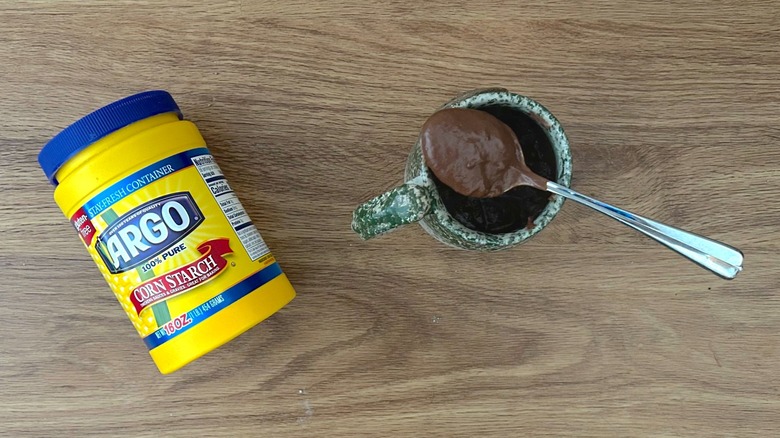
If you have ever had Italian hot chocolate, you may be taken aback by its rich, almost mousse-like texture. This famously thick texture is achieved with the addition of cornstarch. The basic recipe I tested started with 2 tablespoons of cornstarch, 1 ½ tablespoons of cocoa powder, 1 ½ tablespoons of powdered sugar, 1 tablespoon of dark chocolate chips, and 1 cup of whole milk. I gently heated this in a saucepan while whisking constantly to prevent the cornstarch from clumping up until the mixture was hot, smooth, and luxurious. The resulting hot chocolate was incredibly rich, almost like a warm chocolate pudding. It had a velvety mouthfeel that was delightful, but decidedly not drinkable, requiring a spoon to eat it. The flavor was decadent and delightfully chocolatey, without any lingering taste from the cornstarch.
While I absolutely loved this hot chocolate, it was more akin to a dessert than a beverage, which put it in a league of its own, making it virtually impossible to compare it with the other methods I tested. This isn't to diminish the deliciousness of this method, but it would be almost unfair to rank it as a beverage in the same vein as the other versions I tried. For this reason alone, I ranked it last on this list. That said, if you are looking for something truly original and indulgent that will satisfy a sweet tooth and be a chocoholic's dream, this might just be a recipe worth trying.
8. Using an instant pudding mix
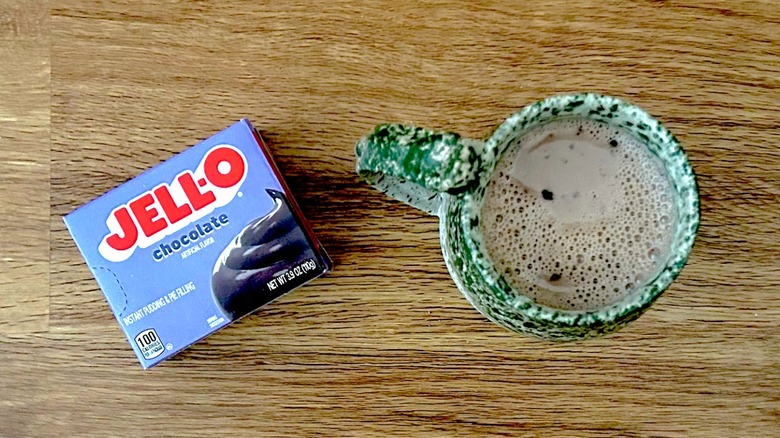
The idea of creating hot chocolate from instant pudding mix felt a bit bizarre to me, but I was willing to try it because it seemed like a convenient way to create a relatively large batch of this beverage quickly. This method requires 6 cups of milk for one package of chocolate-flavored instant pudding mix. The whole thing is heated on the stovetop and whisked together until smooth and creamy.
While the resulting beverage was certainly serviceable, it just wasn't great. The smell of this finished hot chocolate was somewhat synthetic in nature. It had less of a chocolate-forward taste than I anticipated, and there was a distinctive gelatinous flavor that was almost meaty in nature, which was not terrible, but perhaps slightly off-putting. What I did enjoy about this hot chocolate was its texture. The mouthfeel was really velvety, likely owing to the thickeners and stabilizers in the instant pudding. I also thought that the sweetness level was not overwhelming, which surprised me in a good way.
Though this certainly wouldn't be my top choice for making hot chocolate, it could be used in a pinch, particularly if you plan to add other ingredients to the mix, like vanilla, coffee, cinnamon, or cayenne pepper. These would mask that residual synthetic flavor and make the whole thing more palatable. As-is, however, it was my least favorite drinkable chocolate.
7. Using cocoa powder
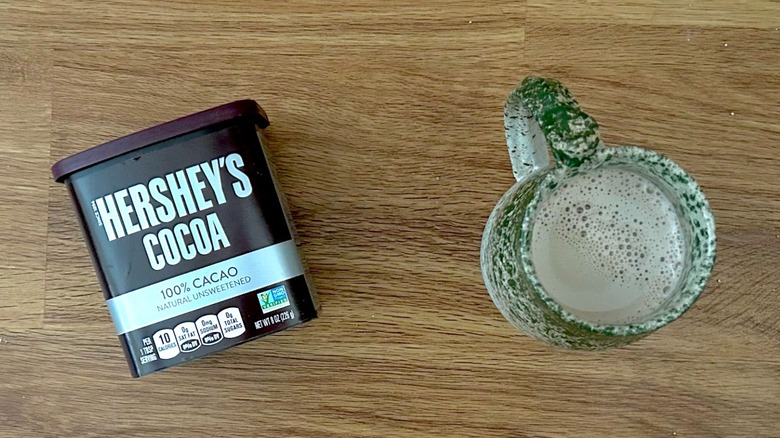
Next to last on this ranking of methods for making hot chocolate is doing so using 100% pure cocoa powder. This method is convenient, easy, and customizable. You can add as little or as much sugar as you enjoy, depending on your tastes, and the potential for using add-ins is infinite. That said, as-is, the results with this method leave much to be desired in the taste and texture department, which is why it landed where it did on this ranking.
The basic recipe requires 12 ounces of milk, 1 tablespoon of cocoa powder, and 2 tablespoons of powdered sugar. These are gently heated on the stovetop until the milk is hot and the cocoa powder and sugar are dissolved. I used a milk frother to ensure these were well-incorporated so the drink was smooth and creamy.
Though the results were fine, they were just unimpressive. The hot chocolate was bland in aroma and flavor, and the texture was relatively thin, rather than luxurious. I will blame this on the quality of the cocoa powder I used. The highest quality cocoa powders on the market typically contain a fat percentage of 22-24%. Hershey's, which is the one I used, only has about 10-12% of fat by weight, making it more bitter, giving it a flatter flavor, and producing a less satisfying texture. If I were to use this method again, I'd go out of my way to purchase a quality cocoa powder.
6. Using a store-bought mix
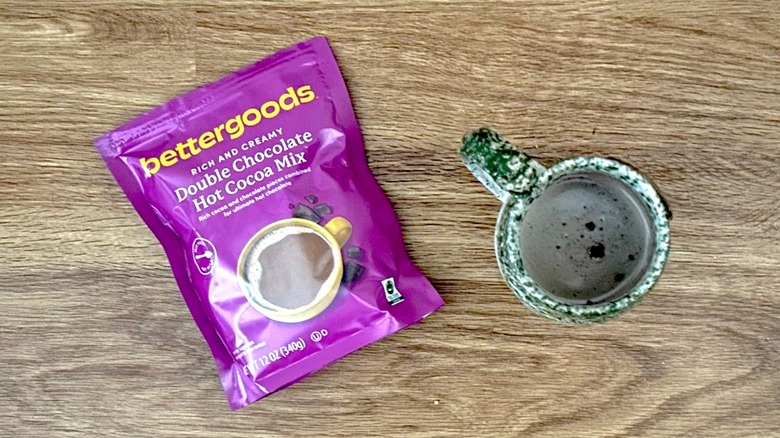
Store-bought hot chocolate is not only convenient but it's also affordable. That said, there are a number of popular brands of hot chocolate out there, so it pays to be discerning with which one you pick. Among the highest-ranking instant hot chocolate brands on the market are Ghirardelli, Aldi, and Trader Joe's. A newer brand that I tested, based on the success of some of the other products I have sampled, is from the bettergoods line of products available at Walmart. This label features trendy, chef-inspired food items that appear to have higher-quality ingredients and are often superior to other store-brand options. While this Double Chocolate Hot Cocoa Mix was certainly better than some instant mixes, it still couldn't compete with some of the other methods I tested.
To prepare this mix, I heated 8 ounces of milk in a saucepan and added 3 tablespoons of the cocoa. I combined the two using a milk frother to ensure there were no clumps left behind. This cocoa had a fantastic, intense chocolate aroma, but the smell far exceeded the taste in quality. The flavor fell flat, seeming faint and muted. While the sweetness level was pleasant, the whole thing just felt like it needed a more robust chocolate taste. That said, as instant cocoa goes, this was good, and I'd certainly keep it on hand for a rainy day.
5. Using chocolate syrup
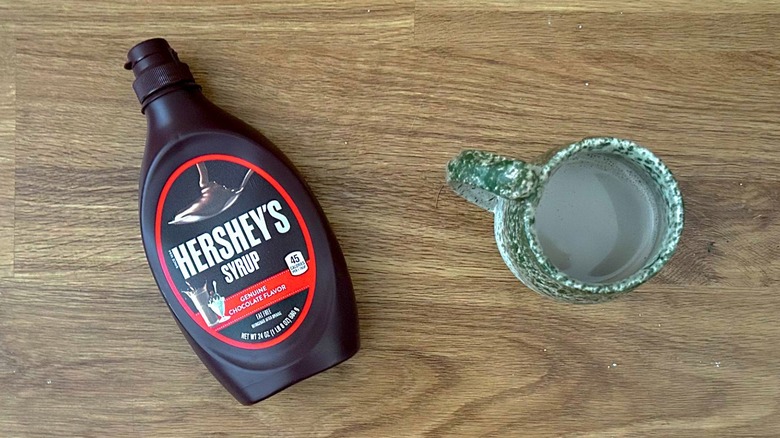
Chocolate syrup is a great ingredient to have on hand if you are looking for a liquefied chocolate that is easy to drizzle onto ice cream or into a beverage, like coffee, to enhance it. Because it contains various stabilizers and has a loose consistency, it dissolves beautifully and is easy to stir into hot and cold drinks alike. Despite this, I never thought it could be used to make a cup of hot cocoa, so I was intrigued to test this method. The basic recipe is to heat 2 tablespoons of syrup with 8 ounces of whole milk. The result, though not quite as decadent as some of the others I tested, produced a perfectly serviceable hot chocolate, even though it was more akin to heated chocolate milk.
The biggest advantage of this method is how quickly and easily the chocolate syrup can be combined with the milk. You almost don't even need a whisk or milk frother to get the job done. A spoon is enough to get the chocolate homogenized with the milk, making it something even your kids can whip up on their own if they want hot chocolate on a cold winter day. The aroma of this hot chocolate isn't as intense as some of the other methods, but it is decent. The taste is sweet, but not cloying. While this isn't exactly the highest quality hot chocolate money can buy, the flavor is perfectly adequate.
4. With hot fudge sauce
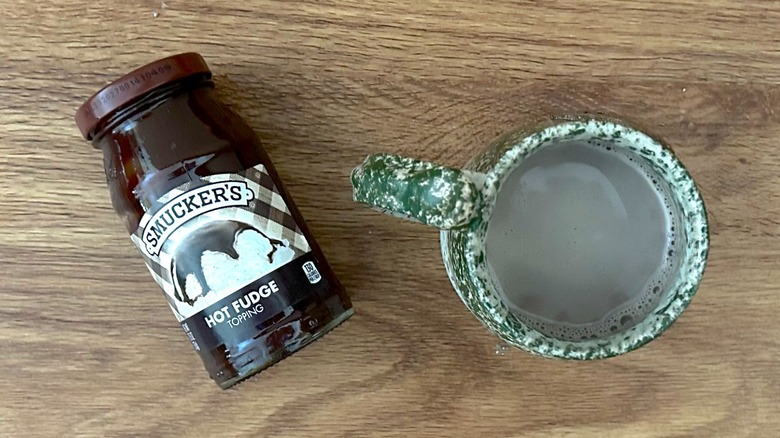
A classic hot fudge sauce is the ideal topping for ice cream, brownies, fruit, and more. It typically contains cocoa, sugar, cream, and butter, giving it a rich, thick mouthfeel that is intensely decadent and satisfying. Despite its prowess as a topping, hot fudge sauce can be transformed into other recipes, including a pretty impressive cup of hot chocolate.
The method for this is relatively simple. 8 ounces of whole milk and ¼ cup of hot fudge sauce are heated in a saucepan and whisked together until smooth and creamy. The resulting hot chocolate excels in texture. It is extremely smooth and creamy, and has a glossy sheen that coats your tongue beautifully. The aroma is dynamite, though perhaps not as intense as the top three methods ranked. Its flavor is sweet, but not overkill, with enough chocolate to be satisfying.
This is what instant hot cocoa aspires to be, but falls just short of. For as convenient and easy as this hot chocolate recipe is, it is a great method to add to your arsenal of kitchen skills. It just isn't as mind-blowing as the top three methods in terms of flavor and texture.
3. From bar chocolate
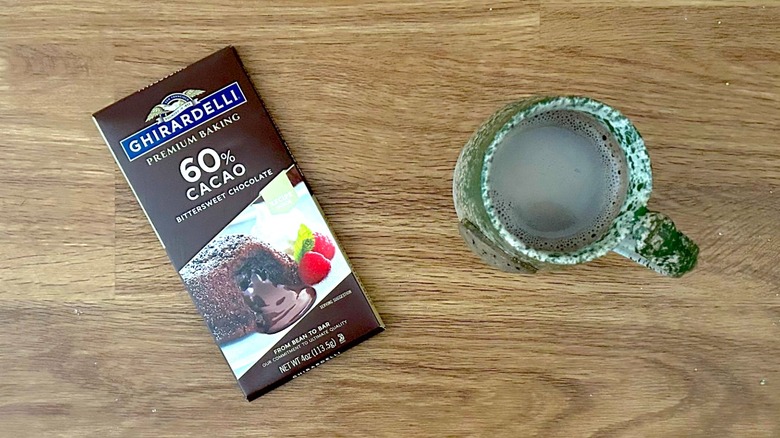
If you are a fan of dark chocolate and want a cup of hot chocolate that is intensely-flavored and not especially sweet, try heating together 2 ounces of dark chocolate with 8 ounces of whole milk in a saucepan. This method relies heavily on obtaining the highest quality chocolate money can buy, which makes it perhaps less accessible to those on a budget, but the results are definitely worth it. When hunting for a quality bar of chocolate, always look for a short ingredient list. Most quality dark chocolate only has two ingredients: cacao and sugar. Additionally, depending on your taste preferences, you'll want to hunt for a chocolate with a relatively high cocoa percentage of 60% or more.
I opted for a bittersweet baking chocolate bar from Ghirardelli for this purpose. The biggest hurdle to executing this method is melting the chocolate evenly without scorching it in the saucepan. This requires low heat and constant whisking until the milk is hot, but not scalding, and the chocolate is thoroughly incorporated into it. The result is a thick, indulgent cup of hot cocoa that is a foodie's delight. While I felt this hot chocolate was plenty sweet enough without any added sugar, you can easily incorporate some powdered sugar into the mix to enhance the sweetness to taste. This method also lends itself to countless add-ins, including extracts, coffee, spices, and more.
2. Using butter
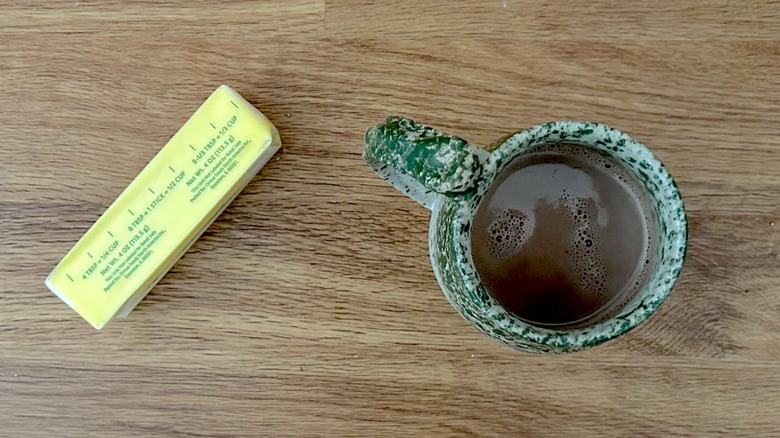
While melting a bar of chocolate into milk is a great method for making hot chocolate, doing so with the addition of butter is even more revolutionary. I admit that at first I was a skeptic. I assumed adding the butter would leave a greasy film behind that would be unpalatable. Nothing could be further from the truth. The key to this method is using a superior quality, unsalted butter with a high fat content, like Kerrygold. This butter tends to have less moisture content, making it melt more evenly and giving it a richer flavor.
To execute this method, start by melting a ½ tablespoon of butter in a saucepan over medium heat. Once the butter is melted, add 2 ounces of dark or semisweet chocolate and 8 ounces of whole milk and heat until thoroughly combined, whisking constantly to prevent the chocolate from scorching. Not only does the butter provide a velvety mouthfeel unlike any of the other methods, but it also enhances the flavor of the chocolate, making it richer.
Though this method was fantastic as-is, one thing that could make it even better is to use brown butter. A staple of the restaurant world, brown butter is produced by melting butter in a saucepan over medium-high heat until the milk solids begin to caramelize. As this occurs, the color of the butter turns a light golden brown, and its flavor becomes toasty and nutty. These flavor notes can be a game-changer when making hot chocolate.
1. Using sweetened condensed milk
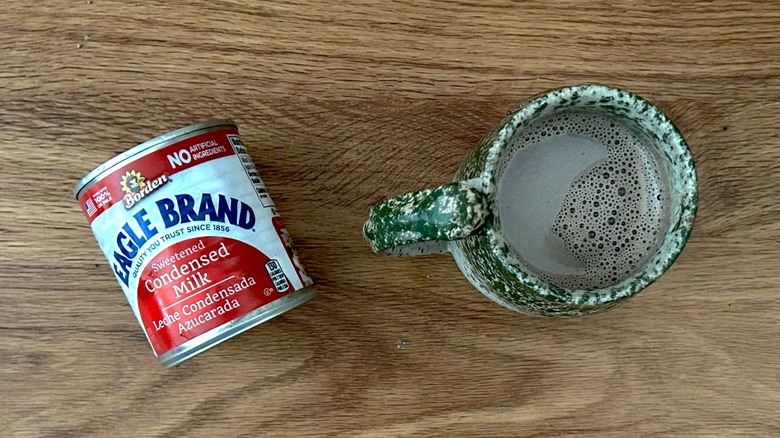
The single best method for making hot chocolate that I tested involved the use of sweetened condensed milk. This method requires a little more effort and more ingredients, but the result is worth it. I have never had a more flavorful, mouthwatering cup of hot chocolate in my life. The basic recipe involves heating 4 cups of whole milk, one can of sweetened condensed milk, 4 tablespoons of cocoa powder, and 4 ounces of dark chocolate chips. These are whisked together until hot and creamy over a medium heat on the stovetop.
Certainly, combining both cocoa powder and chocolate chips helped the chocolate flavor and aroma come through even more intensely, but that's not where this method shone most brightly. The texture conferred by the sweetened condensed milk was the thing that pushed this over the edge. The finished product was viscous, but not so thick that it wasn't drinkable, which was my beef with the cornstarch method. That said, it still felt somewhat like I was drinking a pure bar of melted chocolate. What's more, the sugar in the sweetened condensed milk was just enough to make the hot chocolate sweet, but not cloying.
Though this method creates a rather large batch of hot chocolate, it is worth making even if you just want a mug for yourself. You can always save the rest and reheat it in the microwave for a rainy, gloomy day when you need the ultimate pick-me-up.
Methodology
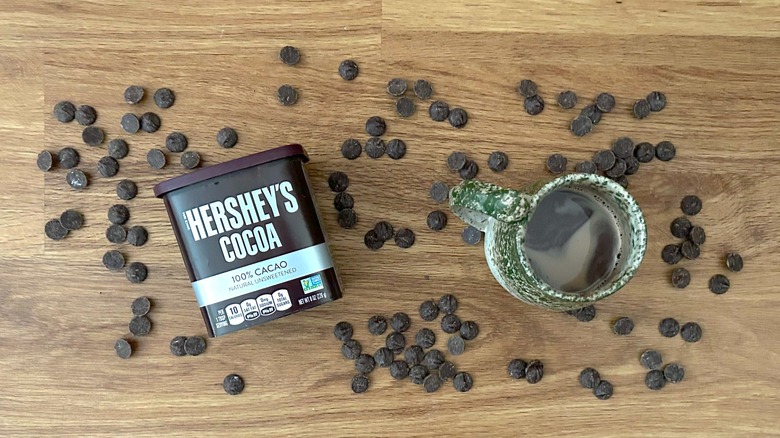
As a professional chef, I tend to be something of a snob when it comes to hot chocolate. I typically favor hot chocolate that is robust with dark chocolate aroma and taste, but not overly sweet. I am also something of a purist, leaning away from flavored varieties where the inherent taste of the chocolate is masked by other spices or add-ins. For that reason, I tested each method as-is without any additional ingredients added.
Unless otherwise specified, I used whole milk rather than water for each hot chocolate recipe in quantities indicated for the method being tested. Whole milk is superior to low-fat or fat-free varieties in both flavor and texture. The milk was heated in a saucepan on the stovetop rather than in a microwave to ensure even, consistent results. Depending on the method, I either used a whisk or a milk frother to incorporate the chocolate or cocoa into the milk to guarantee homogeneous results.
The biggest factors I considered in this ranking included ease of preparation, cost, aroma, texture, flavor, and, in some cases, how difficult clean-up was. While several of these methods can yield a great cup of hot chocolate, the winner was clear in my mind.