

The Differences Between 8 Types Of Scallops, Explained
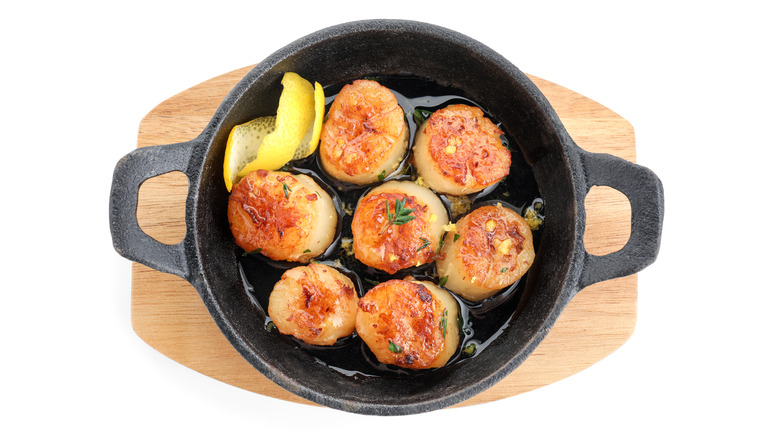
Scallops may look alike at the counter, but the labels on them can tell a very different story. The real differences start before the scallop even hits the pan. To better understand different types of scallops, we tapped the expertise of culinary director and chef Michael Morales at Sunda New Asian; Maricel Gentile, chef at Maricel's Kitchen and ambassador chef of K-Seafood; Will Plamondon, director of wholesale operations at The Fish Guy; chef David Seigal, vice president and culinary director of Lobster Place at Chelsea Market; "Iron Chef" alum Franklin Becker, who owns Point Seven; and chef Aaron Cuschieri at The Dearborn.
Terms like "diver" and "dayboat" reveal how a scallop was brought in. "Diver scallops are sweet, hand picked off the sea floor by licensed divers, and purchased in the shell — ideally alive still," Cuschieri says. "They are the pinnacle of fresh scallops and are difficult to source and very expensive." Dayboat scallops come in fast, usually within 24 hours, which keeps flavor clean and bright. "Wet" and "dry" describe how a scallop was processed. Dry scallops stay pure and caramelize well in a hot pan. Wet scallops hold added liquid, which dulls sweetness and makes searing difficult. Try the foolproof method to see which scallops you have.
Once you understand how a scallop reaches the dock, the differences shift to the type itself. Here, we'll break down eight distinct kinds of scallops and how their size, sweetness, and texture differ from one another.
Sea scallops
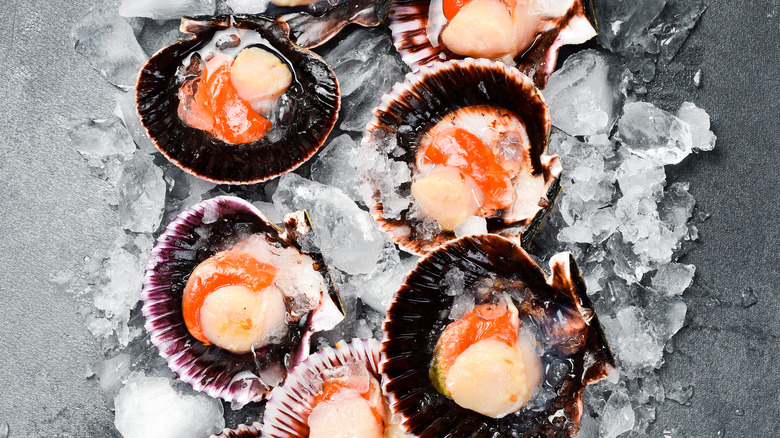
Chef Franklin Becker, "Iron Chef" alum and co-founder at Point Seven, says sea scallops are the ones most shoppers and diners recognize. He calls them "saltier, spongier and larger," the qualities that make them ideal for a high-heat sear and a meaty bite. Becker advises choosing "chem-free, brine-free scallops" for the cleanest flavor and best texture. Chef Maricel Gentile at Maricel's Kitchen and ambassador chef at K-Seafood adds that sea scallops are typically 1 to 2 inches wide. Their consistency makes them dependable in dishes where caramelization matters. Chef Aaron Cuschieri at The Dearborn explains that sea scallops come in two sizes: U10 and U10/20. "The number just means how many individual scallops are in one pound," he says. "U10 are a bit more expensive but much more uniform because they are picked to all be the same size. 10/20 have varying sizes but are still good for cooking and searing for main dishes."
"Sea scallops are a deep-water scallop that are typically dredged off the bottom," says Chef David Seigal, vice president and culinary director of Lobster Place at Chelsea Market. He prefers scallops from cold Atlantic waters — from New Jersey to Maine — where higher dissolved oxygen produces "cleaner, better tasting seafood," he says.
Together, these chefs agree that sea scallops offer a versatile foundation for both home cooks and restaurants, delivering natural sweetness, subtle salinity, and a sturdy texture that rewards simple, hot-pan cooking. Here's how to know when scallops are done for the best bite.
Bay scallops
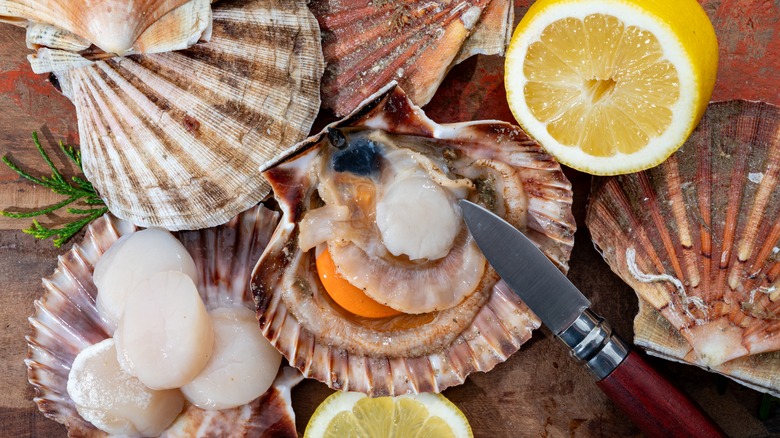
Will Plamondon, director of wholesale operations at The Fish Guy, describes bay scallops as ocean candy. "Bay scallops punch way above their size class," he says, calling them intensely sweet and super tender. He prefers bay scallops and notes that when they're truly fresh and dry, they take on an almost "fluffy texture that melts on the palate," making them ideal for quick, high-heat cooking or raw dishes where their natural sweetness can shine.
Chef Maricel Gentile describes bay scallops as tiny, sweet, and tender, adding that they cook fast and work especially well in pastas, sautés, and other quick preparations. Chef Franklin Becker agrees, noting that bay scallops are "sweeter, more tender, and smaller" than sea scallops — a combination that makes them a seasonal favorite whenever they're available. His favorite scallop is the Nantucket bay scallop. "I love to serve [it] with leeks, chanterelle mushrooms, and saba brown butter," he says. Chef David Seigal considers the Northeastern varieties among the best, calling Nantucket bay scallops one of his "top 5 all-time seafoods to eat."
For cooks looking to highlight sweetness without much fuss, bay scallops offer one of the easiest, most rewarding bites in the seafood case.
Calico scallops
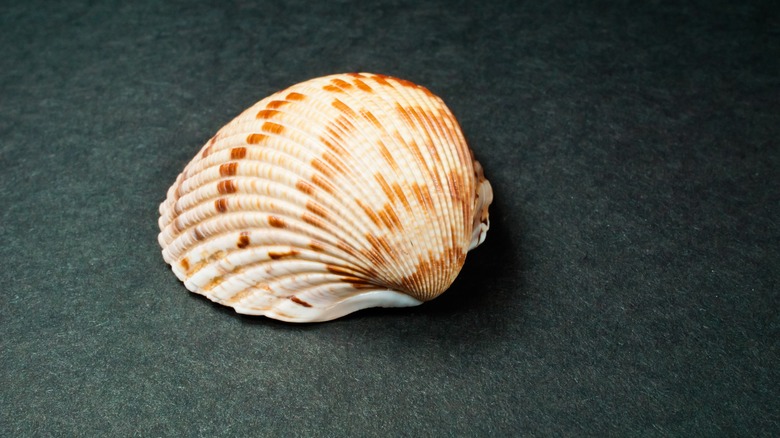
Calico scallops offer a firm, clean-flavored option, according to Will Plamondon from The Fish Guy. He says that calicos in the U.S. are largely wild-caught, a contrast to the aquaculture methods used for many Japanese Hokkaido scallops, for example. The structure of calico scallops holds up well to quick cooking, especially in preparations where a more savory profile works better than sweetness.
"Calico scallops are smaller like bay scallops, but they are not as sweet," chef Maricel Gentile says, adding, "They can turn chewy if cooked too long." Chef Michael Morales, culinary director of Sunda New Asian, highlights their flavor and appearance. "They tend to have a slightly brinier flavor, reflecting their environment and are recognized by their brightly colored shells, which makes them visually striking," he says. Their mild salinity and firm texture make them a good match for citrus, aromatics, and quick, high-heat preparations.
For those who prefer a firmer, more savory scallop, calicos offer an approachable option — especially in dishes that benefit from clean brininess and short cooking times. Looking to grill your scallops? Check out the prep you need to know for the best grilled scallops.
King scallops
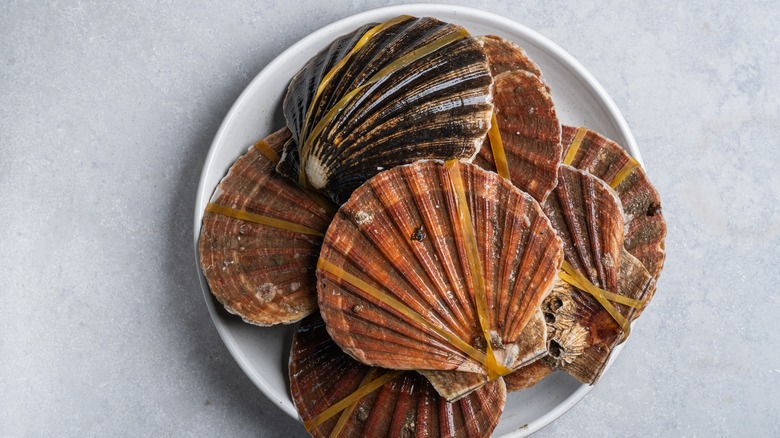
Chef Maricel Gentile says king scallops are a common sight in many Asian markets. She describes them as "big and meaty, almost like sea scallops," making them well suited for searing or other quick, high-heat methods. Their larger structure gives them a substantial bite and allows them to stand up to richer flavors without losing tenderness.
Chef Michael Morales also highlights their size and cooking versatility. "King and queen scallops differ mostly in size and texture," he says, noting that "King scallops are large, rich, and meaty, perfect for searing." Their fullness helps them caramelize evenly while keeping a soft interior, making them a reliable option for home chefs who want a scallop that can anchor the plate.
For anyone looking for a scallop with presence, king scallops offer a hearty, meaty texture and rich flavor that shines in simple, hot-pan preparations or dishes built around bold aromatics.
Queen scallops
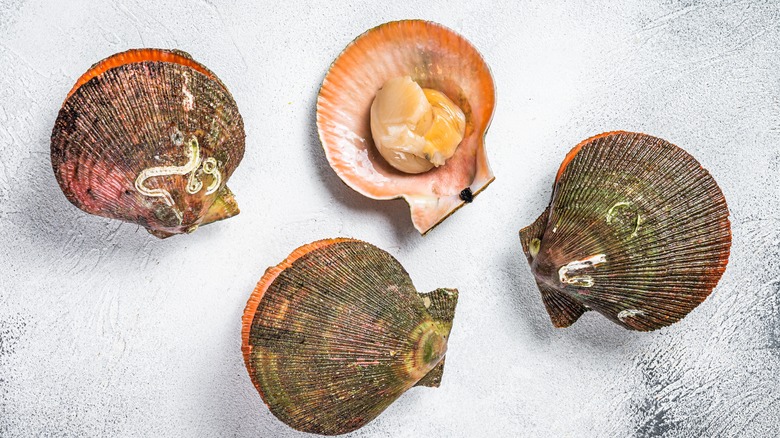
Queen scallops are found in European waters and offer a gentler option than kings. Chef Maricel Gentile describes them as "smaller and mild," which makes them well suited for quick, delicate cooking methods like sautés or poaching.
Chef Michael Morales notes that queen scallops differ from kings primarily in size and texture, with queens being the more delicate of the two. Their compact form allows them to cook quickly and evenly, making them ideal for recipes that rely on tenderness rather than richness or heft. He recommends using queen scallops in ceviche.
For cooks looking for a petite, mild scallop, queens offer versatility and a naturally gentle flavor — perfect for dishes that benefit from a soft, lightly sweet base. If you're new to this seafood, check out these mistakes you're probably making when cooking scallops to know how to better your dish.
Tasmanian scallops
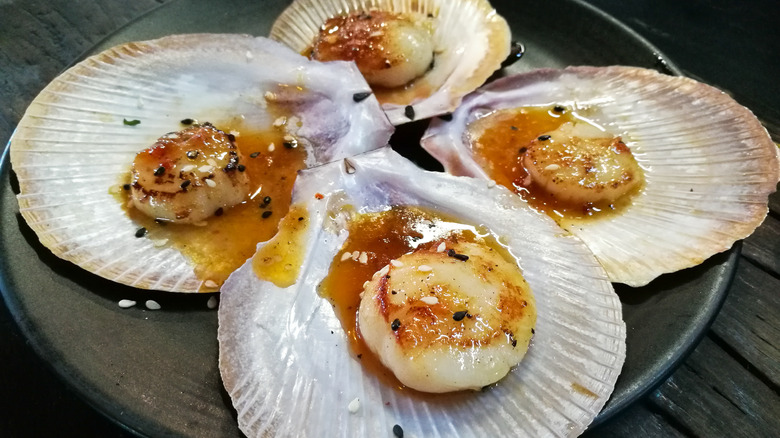
Tasmanian scallops have a naturally delicate profile that works well in raw or lightly cooked preparations. "Tasmanian scallops, native to the cold waters around Tasmania, are prized for their sweet, clean flavor and tender texture," chef Michael Morales says. "They're often sold with their distinctive red roe attached, which adds both color and depth of flavor to a dish."
Chef Maricel Gentile highlights their deeper flavor and visual appeal. She says Asian cooks enjoy the bright roe because "it feels like eating the whole story of the sea." And Will Plamondon from The Fish Guy says these scallops offer "a completely different architecture: minerality, richness, and a vivid pop of color."
For those looking for a scallop that feels a little special, Tasmanians deliver sweetness, elegance, and that signature roe — a small upgrade that brings big payoff in both flavor and presentation. Make sure to never skip this one step when cooking your scallops.
Hokkaido scallops
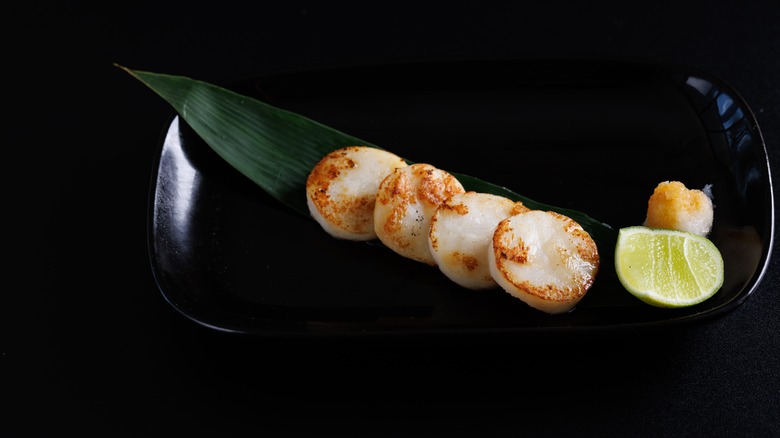
Hokkaido scallops are some of the highest-quality scallops a cook can buy. Chef Aaron Cuschieri praises their purity, calling them very sweet and velvety. "I am a sucker for Hokkaido scallops," he says. "I love them raw. They have an amazing sweetness and texture to them and just taste amazing."
From a sourcing perspective, their consistency is what sets them apart. Will Plamondon from The Fish Guy says Hokkaido scallops are a favorite among restaurant clients "for their symmetry, sweetness, and incredible consistency." He explains that unlike many wild scallops, wild-caught Hokkaidos are rare, since most are farmed using Japanese longline and hanging lantern methods. There's no dredging or bottom impact. The scallops are suspended in cold, nutrient rich water. "That slow, clean growth gives them pristine flavor and perfect shape," he says. "It's why so many sushi counters and fine-dining kitchens rely on them."
Even chefs who typically focus on domestic seafood acknowledge their quality. Chef Franklin Becker notes that Hokkaidos are beautiful even though he prefers local, sustainable fishing. We know Hokkiado scallops are some of the most luxurious. On the flipside, here are some ways to tell if you're eating fake scallops.
Giant Lion's Paw scallops
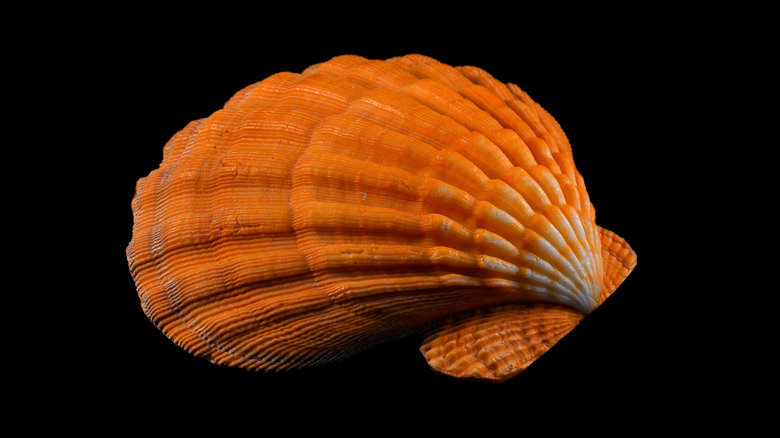
Giant Lion's Paw scallops — native to the Baja California Peninsula — stand out as one of the most dramatic scallops a cook can work with. Their sheer size gives them a presence that few scallops can match. Chef Michael Morales calls them the most distinctive scallop he has ever encountered. "They're instantly recognizable by their large, vibrant orange shells that resemble a lion's paw," he says.
Morales emphasizes texture as their defining feature, noting that these scallops are massive and meaty, with a firm yet luxurious feel that holds up beautifully to searing or grilling. Their bold appearance also makes them a natural centerpiece. "When you plate one in its shell, it immediately commands attention," he says.
For cooks searching for a scallop that brings both visual drama and hearty texture, Giant Lion's Paw scallops offer something truly different — a showstopping option that delivers richness, depth, and an unforgettable plate.