

10 Facts Every Tequila Lover Should Know About Jose Cuervo
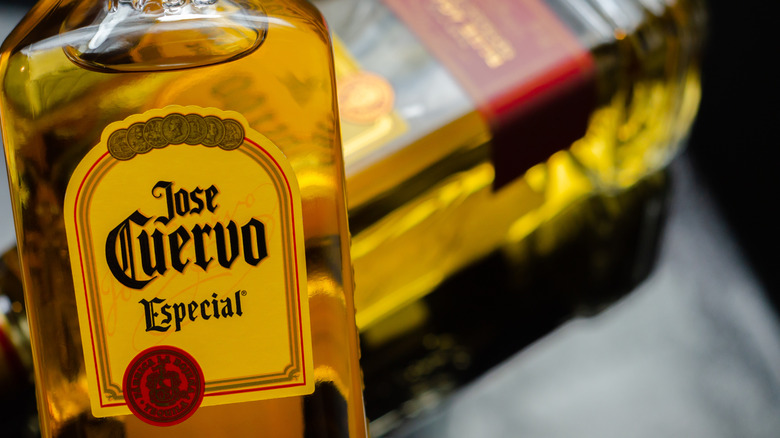
If you drink tequila, there's a good chance you've had a shot or two of Jose Cuervo at some point. Perhaps it's one of your go-to tequilas for making margaritas. But how much do you actually know about Jose Cuervo? For example, did you know that the company is over 260 years old? Or that the Cuervo and Sauza families were once bitter rivals? Behind that familiar label, there's a long and layered history and several interesting facts that make it unique.
Few tequila brands are as widely recognized around the world as Jose Cuervo. From its founding, the company has played a defining role in shaping how tequila is made, marketed, and enjoyed. What started as a small family operation in the town of Tequila, Mexico, has grown into a global brand that helped bring the spirit from local cantinas to cocktail menus around the world. Today, according to The Spirits Business, in 2024, it was the best-selling tequila brand in the world with a well-established presence in over 85 countries .
From obtaining the very first license to legally produce and distribute tequila to experimenting with aging techniques and launching a luxury train through Mexico's Tequila region, Jose Cuervo has left a pretty huge mark on the tequila industry. If you're a fan of the brand, or just curious to know how it evolved into the powerhouse that it is today, these are 10 facts about Jose Cuervo that every tequila lover should know.
1. Jose Cuervo is the oldest continuously running tequila brand in the world
The Jose Cuervo story starts in the 1700s with a man named José Antonio de Cuervo y Valdés. We don't know a lot about his early life, but we do know that he and a business partner, Malaquisa, were producing mezcal wine (aka tequila) in the Tequila region as early as 1740. In 1758, Don José bought property in Tequila that included over 14 hectares of land and a distillery. When Don José passed away in 1764, his son José Prudencio de Cuervo took over, and by the 1780s, the family was producing roughly 800,000 liters of tequila a year.
Things got tricky for tequila producers in 1785, when King Charles III of Spain banned the production of native Mexican spirits in an effort to boost imports of Spanish wine and spirits. Fortunately, the ban didn't last long. When King Charles IV took the throne, he realized taxation could be more profitable, so he lifted the ban in 1792. In 1795, he gave José Maria Guadalupe Cuervo y Montana the very first license to produce and distribute tequila, making the company the first and oldest continuously operating tequila company.
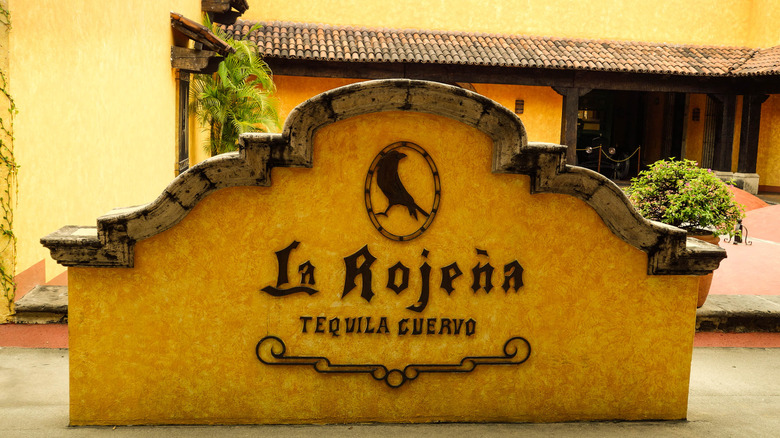
The Cuervo family also lays claim to the oldest continuously operating distillery in Latin America. It was originally called Taberna de Cuervo. When José Maria's daughter María Magdalena Ignacia Cuervo married, part of her dowry was the distillery. Her husband Vicente Albino Rojas renamed it La Rojeña, and it's still running and open for visits today.
2. The Cuervo and Sauza families were once in a bitter rivalry
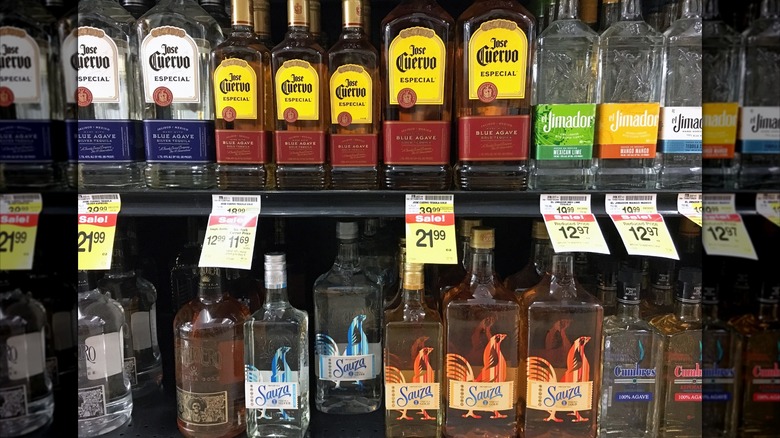
After Mexico's independence in 1821, tequila really took off. Tequila distilleries were in full swing and new players were entering the industry, like Don Cenobia Sauza, who arrived in Tequila in 1858 and landed a job at the Cuervo family's distillery. He eventually set off on his own and bought the La Antigua Cruz distillery in 1873, which he renamed La Perseverancia. He would go on to purchase 13 other distilleries and grew his business into a thriving operation that was right on the heels of the Cuervo family's business.
In the late 19th century, both the Cuervo and Sauza families were expanding their businesses rapidly and fighting fiercely for market share, particularly in the United States. The rivalry became so heated that in the 1920s, there was a gun fight that left one family member dead, although sources are divided on whether a Cuervo family member killed a Sauza family member or vice versa.
The feud took an interesting twist in 1927, when Sauza's grandson, Francisco Javier Sauza Mora, met Maria Elena "Nina" Gutierrez Salcedo of the Cuervo family at a party in Chicago. The two fell in love and married just a month later, which caused the younger Sauza's father to disown him and kick him out of the family business. It took 19 years for his father to forgive him and allow him back into the business in 1946.
3. The company was the first to sell tequila in glass bottles
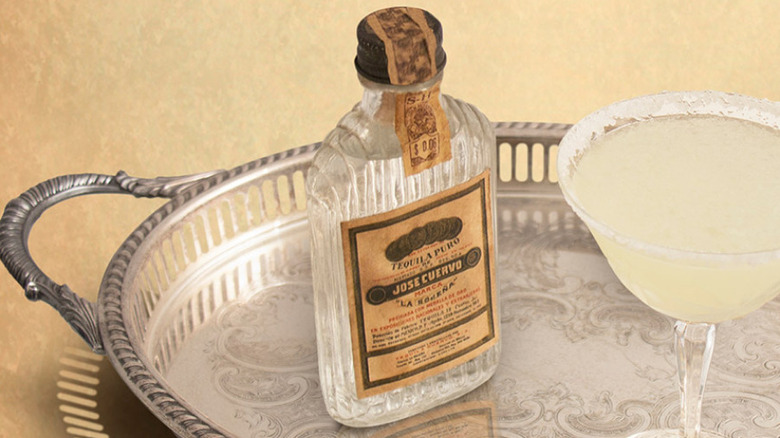
Today, tequila bottles are often as distinctive as the spirits inside them, with many top-shelf tequila brands known for their hand-painted designs and sculptural shapes. But that wasn't always the case. In the early days, tequila was sold in barrels and transported first by mules, and later via railroads. When Jesus Flores took over the La Rojeña distillery in 1860, he decided to do things a little differently: He came up with the genius idea of selling tequila in glass bottles.
The first tequila bottles were hand-blown glass vessels called damajuanas that could hold 5 liters of tequila. They were encased in agave fibers, much like how Chianti bottles are often wrapped in straw. The fibers would have helped to protect the bottles during transportation and allow them stand on their own without rolling over. Flores also experimented with larger bottles and smaller versions that were easy to slip into pants pockets.
Around the time the packaging was changing, tequila producers were also modernizing the production methods. Cuervo claims to be the first company to use masonry brick ovens to cook the agave piñas. This method uses far less fuel than the traditional method of cooking the piñas in underground pits. Many producers, including Cuervo, also began using steam to cook the piñas, a method that many say was introduced by the Cuervo family's rival, Don Cenobia Sauza.
4. The Cuervo family were pioneers of aged tequila
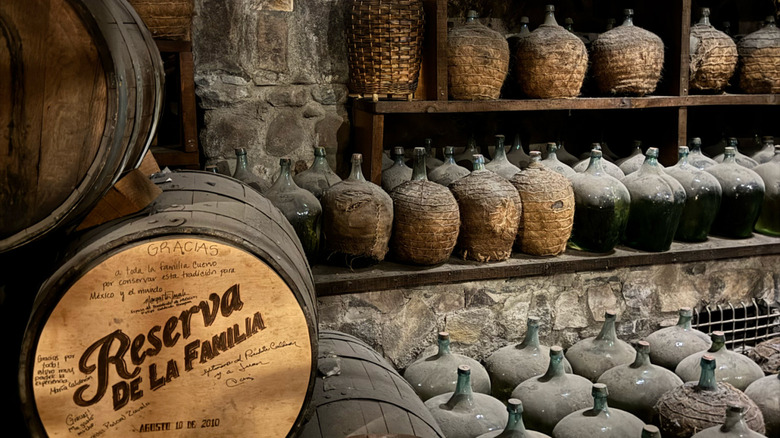
When tequila was stored and shipped in wooden barrels, it would have been pretty apparent to anyone familiar with the spirit that the longer it sat in them, the more it developed a warm, golden hue and a deeper, more nuanced flavor. The Cuervo family recognized that potential early on and became pioneers in refining the aging process. They would go on to produce some of the world's first añejo and extra añejo tequilas.
There are several different styles of aged tequila. Reposado is rested for a minimum of two months and up to a year in wooden barrels. Añejo sits in barrels for at least a year and up to three years, and extra añejo is aged for a minimum of three years. While many credit Tequila Herradura with producing the first reposado tequila, the Cuervo company claims it was the first to release an añejo tequila in 1967 under the family's 1800 brand, and that the Jose Cuervo Reserva de la Familia was the world's first extra añejo.
Today, Jose Cuervo ages its tequila in American oak barrels that are charred to different intensities. Some expressions are also finished in casks that previously contained other spirits, such as whiskey.
5. The brand has stayed in the same family for 11 generations
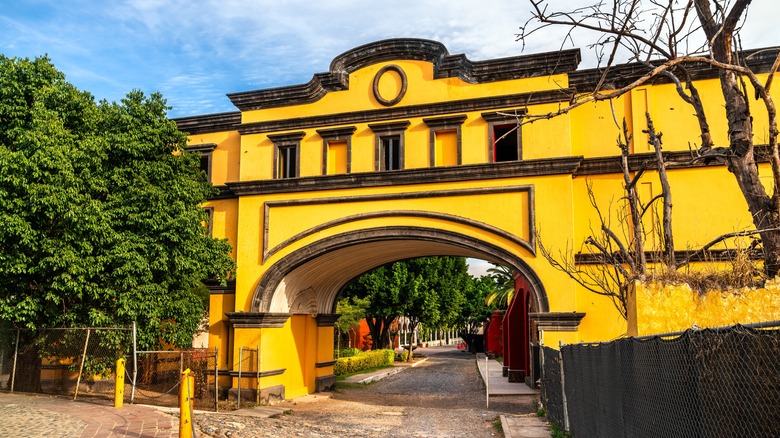
Since its founding in the 1700s, Jose Cuervo has remained a family-run business, which is a pretty rare feat in the modern spirits world. After the business passed through the Cuervo family's early descendants, it eventually came under the management of Jesús Flores, who modernized operations and renamed the distillery La Constancia. When he died in 1898, his widow, Ana González Rubio, inherited the company. She later remarried José Cuervo Labastida y Flores, and together they reinstated the distillery's original name (La Rojeña) and registered "Jose Cuervo" as an official trademark.
When González Rubio died in 1940, she had no children, so she passed the business to her niece, Guadalupe Gallardo y González Rubio, who also inherited the 1800 and Centenario distilleries from her parents. Her sister was married to Juan Beckmann y Wilkens, so the Beckmann family line began — and continues — to oversee operations today. Juan Francisco Beckmann Vidal is chairman of the company and his son Juan Domingo Beckmann Legorreta is the CEO.
6. There are several lines of Jose Cuervo tequila produced with different methods
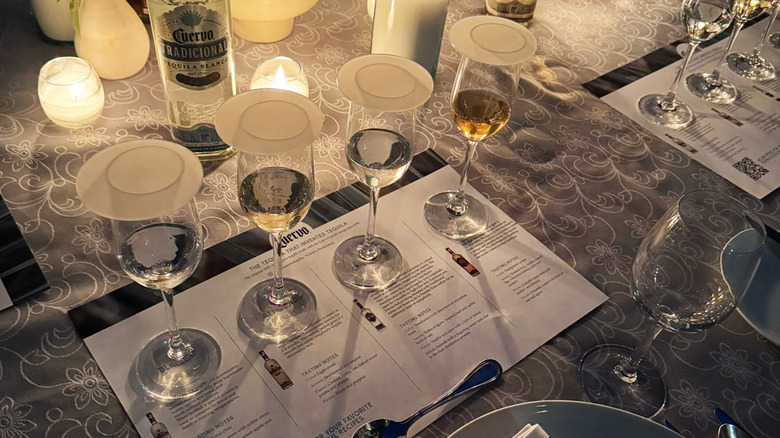
While many drinkers associate Jose Cuervo with its familiar gold-label bottle, the company actually produces several distinct lines of tequila, each made with different methods and for different audiences. Some are mass-produced mixto tequilas that are best used for cocktails, while others are crafted entirely from blue agave and aged to the point where they can be sipped and appreciated on their own.
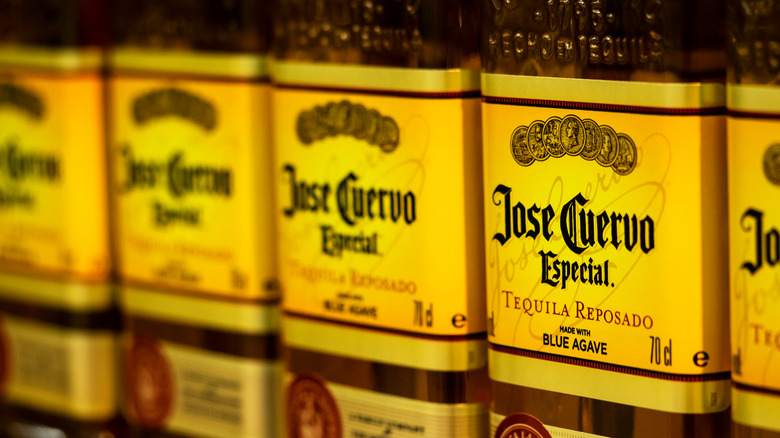
At the lower end of Cuervo's collection is the Jose Cuervo Especial line, which offers two bottles: silver and gold. These are blended mixto tequilas that meet the sugar standard that all tequilas must follow, meaning 51% of the sugars must come from agave. However, the remainder can come from other sources such as sugarcane. If it's 100% agave you're after, you'll need to step up to the Cuervo Tradicional line, which features blanco, reposado, añejo, and cristalino expressions.
The Reserva de la Familia is Cuervo's premium line, and that's where you'll find the award-winning bottles. There are three organic tequilas in this collection, including a platino, reposado, and añejo cristalino. Then there is the extra añejo, which is made with reserves from the family's private cellar and comes in its own limited-edition wooden box. The Cuervo collection also includes a chile-infused tequila, ready-to-drink margaritas, and sparkling tequila cocktails.
7. Some of the tequila is made using the diffuser method
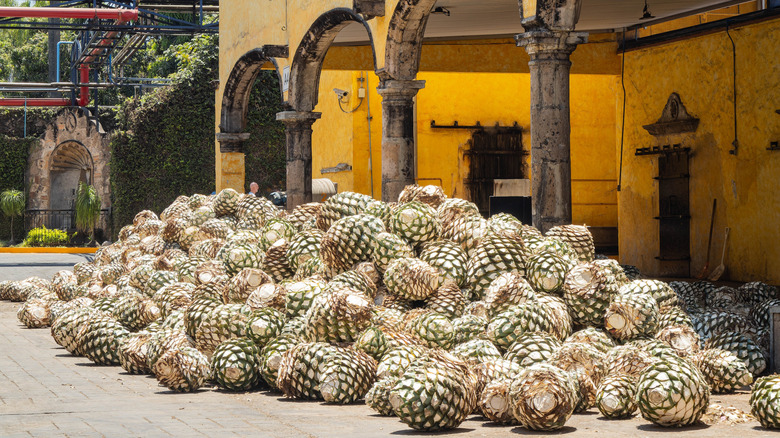
Jose Cuervo often gets flak for using modern industrial methods produce some of its tequilas. One technique that's sparked a lot of debate among tequila purists is the diffuser method. Traditionally, agave piñas are slow-cooked in brick ovens or stone pits to convert the starches into sugars, then crushed and fermented. The diffuser method is different in that it uses high-pressure hot water and steam to extract sugars from raw agave fibers.
While the diffuser technique is faster and can considerably reduce water and energy consumption, critics argue that you just don't get that same sweet roasted flavor that you do from oven-cooked agave. Some say the end result is pretty neutral, and that some companies compensate for that by using additives. Others claim some companies use acids in the process to break down the starches in the fibers, although Cuervo is quick to point out that's not the case at La Rojeña.
Despite the criticism, Cuervo maintains that the diffuser has real benefits, both for efficiency and sustainability. As master tequilero Alejandro Coronado explained in an interview with Wine Spectator, "People critique the use of a diffuser because they don't understand what it is. It is simply like a pressure washer. No acids are used, which is a myth some like to spread." He explained that the method can cut water usage by 50% and energy usage by 46%. In addition, he believes the method gives the tequila light, herbal notes that you don't typically get from oven cooking.
8. You can explore the Tequila region on the Jose Cuervo Express train
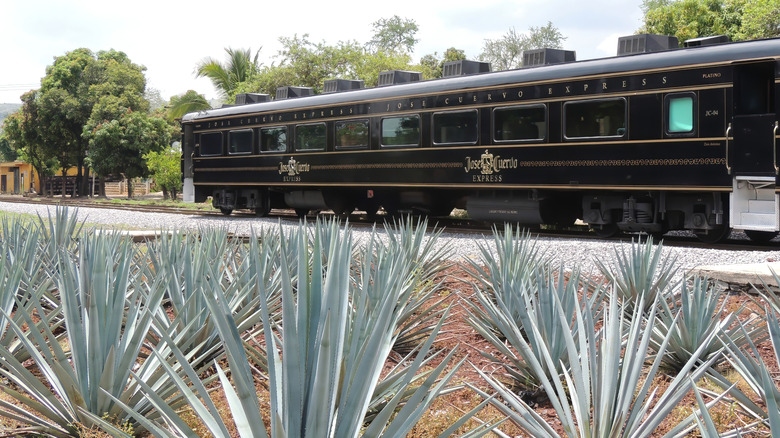
If you happen to be in Guadalajara or Tequila, one of the most popular ways to explore the region and learn about tequila culture is by taking a ride on the Jose Cuervo Express train. The company's signature black train is vintage-styled with plenty of warm wood, cushy seats, and a bar onboard. Picture windows offer views of agave fields as you travel from Guadalajara to Tequila or vice versa.
The Jose Cuervo Express isn't simply a passenger train though. The experience is actually a full-day tour that includes trips into the agave fields where you can see how the plants are grown and harvested, as well as a visit to the La Rojeña distillery to see how Jose Cuervo tequila is made. In addition, you'll explore the town of Tequila, see a Mexican music and dance performance, and enjoy guided tequila tastings. Mexican snacks and cocktails are also on offer throughout the day.
Each ride on the Jose Cuervo Express can be customized depending on your ticket class. Options range from the more relaxed Express experience that features a one-glass tequila tasting to the premium Elite car, which features access to an exclusive carriage, a three-glass tequila tasting that includes a sample of the Reserva de Familia tequila, a meal, and a tour of the family's private cellar. Regardless of which ticket you get, many say it's one of the best train rides for foodies who want to learn about the history of tequila and enjoy authentic Mexican flavors.
9. The company has reimagined agave in surprising ways beyond tequila
Making tequila leaves behind tons of agave waste, especially at a distillery like La Rojeña, which goes through about 200 to 300 tons of agave every day. Rather than tossing out the fibers and other byproducts, Cuervo has found creative ways to give them a second life. The Agave Project is the company's commitment to sustainability and involves repurposing 100% of the agave that's left behind from the tequila making process.
One of the main ways Cuervo repurposes agave is by taking the leftover agave fiber byproduct (called bagasse) and turning it into compost for its agave fields. It's a win-win for the company and the environment. Some of that compost is also donated to aspiring business owners in the area. The company also makes products out of the agave waste, like biodegradable agave drinking straws and agave building bricks.
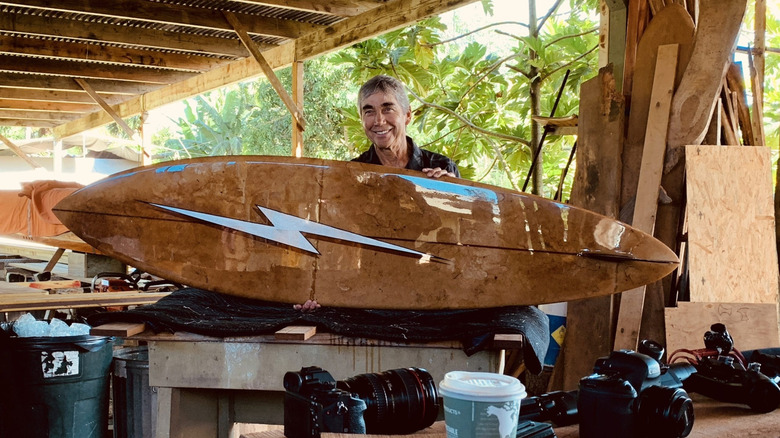
Cuervo has also worked on collaborations to create some truly unique agave products. In 2016, the company teamed up with Ford Motor Company to test how viable it would be to make car parts from agave byproduct fibers that could potentially replace plastic parts. Cuervo also worked with San Diego surf board shaper Gary Linden to create surfboards made with agave stalks, and teamed up with Fender's custom shop master builder Paul Waller to make a Stratocaster guitar out of agave stalks.
10. Jose Cuervo is the world's largest tequila producer
With so many tequila brands on the market, Jose Cuervo certainly has some stiff competition. But despite the fact that there are more luxury offerings than ever before, plus plenty of celebrity-backed tequila brands that have famous names as part of their marketing clout, Becle (the parent company that owns Jose Cuervo) is still the biggest producer of tequila in the world. In 2024 alone, the company sold 8.9 million 9-liter cases of spirits of Jose Cuervo products.
In addition to the Jose Cuervo lines, Becle also has several other tequila brands under its umbrella, including Gran Centenario, 1800, Maestro Dobel, Gran Coramino, and Tequila Jaja. The portfolio also includes mezcals like 400 Conejos and Creyente, as well as popular spirits like Bushmills whiskey, Kraken rum, and Three Olives vodka. Then there are the ready-to-drink margaritas, canned cocktails, and even an energy drink called Boost.
Jose Cuervo tequila also consistently earns the spot of best-selling tequila brand in the world. According to a company report, Becle holds nearly 29% of the total market size for tequila, which is nearly two times that of its closest competitor Diageo. And the company doesn't show signs of slowing down any time soon. Just this year, Becle's sales volume was 20% above what it had been the previous year. Clearly, there's something to be said for consistency, reinvention, and more than a little bit of brand loyalty.