

Robert Irvine's 9 Top Tips For Cooking Expensive Cuts Of Steak
Steak isn't a cheap protein now, nor has it ever been. A trip to almost any grocery store will make that abundantly clear. However, this has not stopped some cuts and types of steak from rising above the rest, both in terms of their price and perceived quality. Japanese A5 Kobe beef, one of the most premium types of beef, can fetch prices over $400 a pound. While this price tag may make this type of meat an exclusive fine dining steakhouse luxury, there are plenty of other cuts that are accessible in a grocery store or butcher shop that still cost a pretty penny — including porterhouses, ribeye, New York strip, and filet mignon. While there are many differences between these high-end cuts, they share one thing in common: They deserve to be prepared, cooked, and served the right way. Doing anything less is a disservice to not only the steak, but to your wallet.
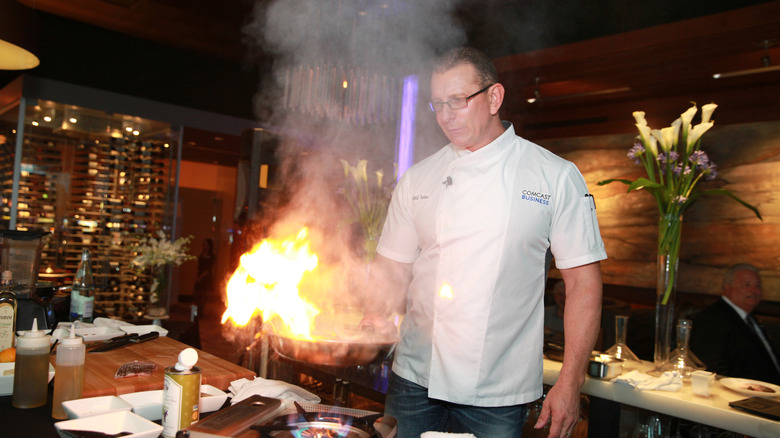
Knowing that, we wanted to gain some insight and tips for working with these pricey cuts. So, we called in the big guns: Robert Irvine, celebrity chef, author, and steak enthusiast. He shared some of his recommendations for how to help these premium cuts reach their fullest potential and what all home cooks need to know when preparing them.
1. Be very careful not to overcook your cuts
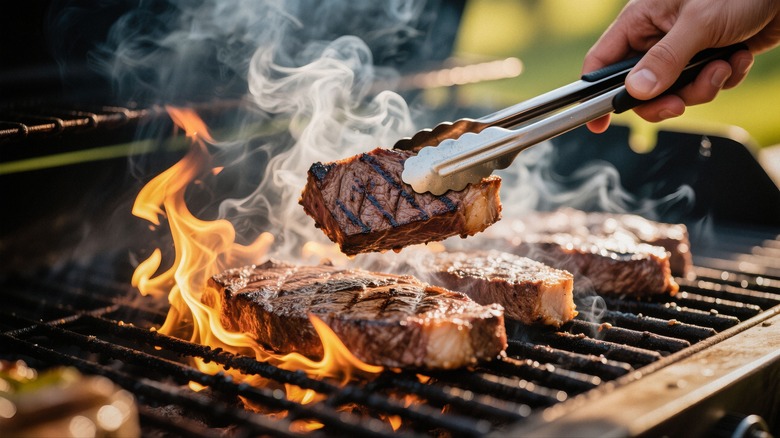
You spent all this money on a premium cut; the last thing that you want to do is overcook it. When we asked chef Robert Irvine what one of the first things that people should know about expensive cuts before turning on the stove, he went right into the issues with overcooking. "In the same way a barber can't glue hair back on your head, you can't take a few minutes off a well-done steak," he says. "You can always put it back on if it's underdone, but you can never reverse the process." Although Irvine shares that it's possible to overcook any type of steak, it's important to avoid it when it comes to prime cuts.
Being able to tell when a steak is done is an acquired skill. You can perform the finger test by gently pressing the meat with your finger in a certain spot to see how done it is. For food safety purposes, you may also want to check the temperature of the cut. While the United States Department of Agriculture (USDA) recommends cooking steaks to 145 F internally, it's important to note that the cut will continue to cook through while it rests, so if you're looking to cook a medium-rare steak, you may be able to pull it when it's 115 F to 120 F so that it can finish "cooking" off the heat.
2. Less is more when it comes to seasonings
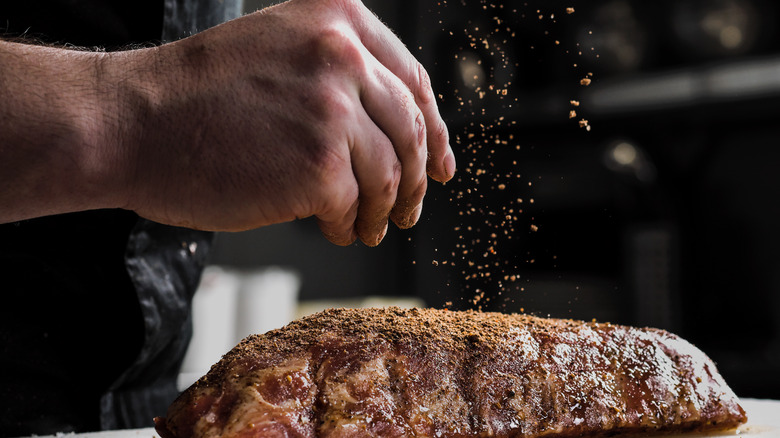
The last thing that you want to do is cover up an excellent, premium cut with a distracting spice blend, which is why Robert Irvine recommends expressing restraint when it comes to seasoning. "I think [people] don't realize how much high-quality ingredients really speak for themselves," Irvine says. While a little salt and pepper might be fitting, you'll want to avoid hiding all that flavor from the marbling and the steak itself underneath a coating of seasoning. "Real Wagyu beef from Japan is incredible — not to mention incredibly expensive — so when it comes to seasoning, less is more," he says.
However, there are some instances where being more heavy-handed with seasonings may be warranted, per Irvine. He explains that well-marbled cuts tend to only require the basics — salt and pepper — while cuts with less fat may need a little more assistance. "The leaner the meat, the more creative or aggressive you can get with rubs and marinades," he says. In other words, the way you'd season a London broil is not the same way you'd season a juicy tomahawk.
3. Consider fat when deciding how to cook your steak
Seasoning isn't the only thing that you should be changing based on the cut. Since different cuts of steaks have different amounts of fat, the best method to cook them will vary. Robert Irvine shares that steaks like ribeyes, New York strips, and porterhouses are worth grilling, as with any other type of fatty cut. The fat on the steak is going to offer a ton of flavor, and you'll get the perfect ratio of char to juiciness when using this cooking method on better marbled cuts.
Leaner cuts — think top sirloin, top round, filet, and flank steak — need to be cooked a little gentler than hefty porterhouses and ribeyes. Irvine recommends cooking lean steaks in the sous vide before finishing them with a pan sear. The pan sear is what's going to give you that crispy exterior, while the slow cooking will prevent turning your pricey cut into rubber. However, sous vide isn't the only cooking method Irvine recommends for lean cuts. "Sous vide, I realize, isn't a technique that most home cooks are familiar with, so just think control — methods like pan-searing and butter basting," he says.
4. Dry-aged steaks need to be treated with care
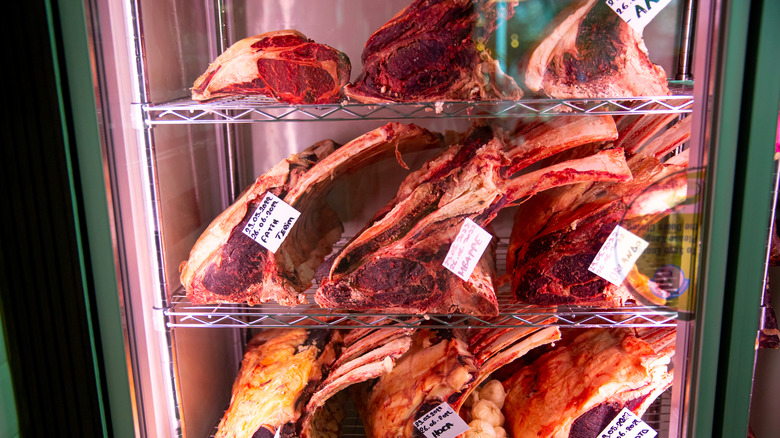
When you make a trip to the store (or butcher) to pick out your expensive cut, you're going to want to pay attention to whether the steak is dry-aged or not. After the cut is processed, it's left to hang in a refrigerated space where the temperature and humidity are tightly regulated. As the steak sits, its enzymes break down the connective tissues (namely collagen and elastin), tenderizing the steak and improving its flavor. Many premium marbled cuts are dry-aged, including tomahawk steak, ribeye, porterhouse, and strip steak. "Dry aging creates a really bold flavor, so the advice about going easy on the seasoning for a prime cut is especially true in this case," says Robert Irvine. In short, salt and pepper are going to be your best friends for a dry-aged cut.
Not only should you keep things simple with the seasoning, but you may also need to modify your cook time and process. Dry-aged steaks cook faster than regular beef because the storage conditions cause the cut to lose a significant amount of moisture. While this gives your steak a more concentrated flavor, it also means there isn't nearly as much moisture to evaporate. As such, you're more likely to overcook a dry-aged cut than you are a non-dry-aged cut. "You've got to be incredibly judicious with your cooking time. I can't say it enough; you can always put it back on the heat. You can't rewind," Irvine says.
5. If you're searing meat, leave it alone
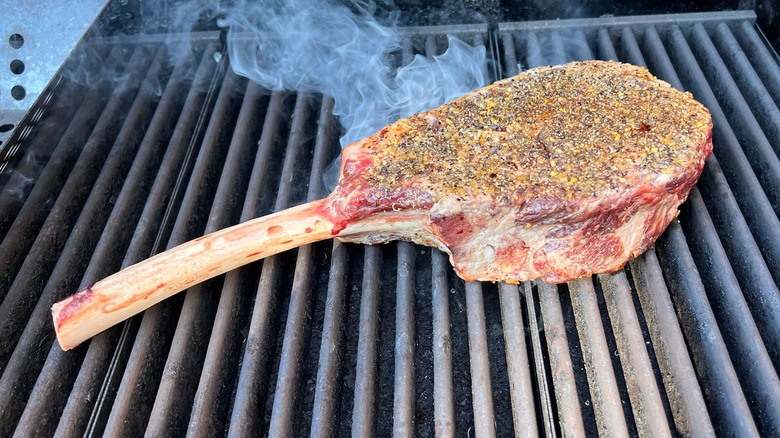
To be a good cook, you have to be patient. While you may want to constantly fiddle with your premium cut as it's cooking, one of Robert Irvine's biggest pieces of advice is simple, "Leave the damned thing alone."
"A lot of home chefs or 'grill master' dads are constantly flipping and moving the meat around. That's a lousy way to cook, and it's impossible to get a good sear that way," he says. Moving the steak as you're trying to sear it delays the Maillard reaction, which creates the perfect crust. Instead, Irvine recommends blotting the steak with a paper towel to remove excess moisture before adding your seasoning, ensuring that your pan is, as he says, "smoking hot," and cooking it for two minutes. While he gives two minutes as a recommendation, the time can be subjective. "Your job throughout the process is to keep a close eye on everything. When searing, once you see a nice crust developing, you can flip it," he says.
Another tip that can help improve your pan-seared steaks? Bring it up to temperature beforehand. When you slap a cold steak on a hot pan, the heat is going to make contact with the exterior of the steak, rather than bringing the interior up to temperature. This may leave you with a steak that has a great sear on the outside, but is otherwise raw on the inside.
6. Consider the cut when deciding how long to cook it
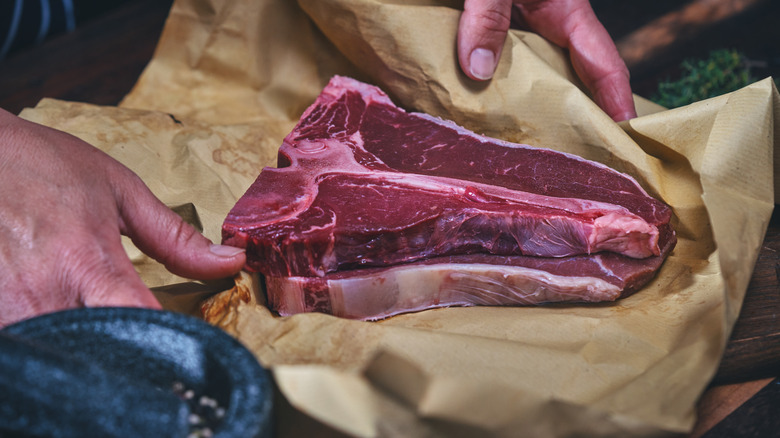
"How would you like your steak cooked?" It's a question that folks who visit steakhouses often are no stranger to. However, getting your steak to that ideal temperature at home is a little more difficult. Luckily, Robert Irvine gave us some insight into getting your premium cuts cooked to the perfect temperature. He prefers his steak medium-rare, though he notes that well-marbled cuts tend to maintain both their texture and flavor at high temperatures better than leaner cuts. "When you go beyond medium for a London broils or flank steak, to me it's practically shoe leather at that point." The last thing you want to do is to overcook your premium cut of steak, which is why following his previous recommendation to err on the side of caution — since you can always put the steak back on the heat — is important.
If you have specific questions about how long (or what method) to cook your steak, you can always consult your butcher — whether that's at a dedicated shop or at the grocery store meat counter. Reading up on the different cuts of steak and the cooking time they require before you buy one can also be helpful.
7. Be intentional with the sides you serve with your cut
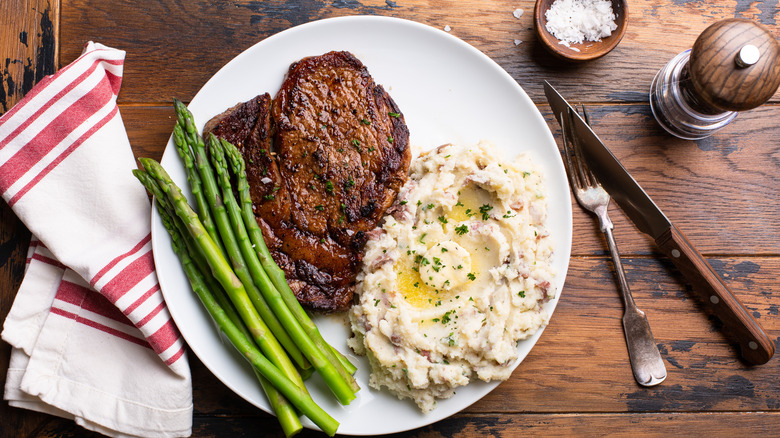
When we think of premium cuts, we tend just to think of the steak — not the entire plate. While selecting the right cut, getting the perfect crust, and resting it for the right amount of time are important, all that effort is in vain if you can't build a premium plate worthy of the cut. To that note, Robert Irvine admits he's a fan of classic steakhouse sides, including mushrooms, asparagus, creamed spinach, and garlic mashed potatoes. "I don't think any sides can really take away from a great cut, but smothering it in sauce certainly can," he says. "A little béarnaise on the side for dipping is fine, but certainly don't dress it in it."
This circles back to the idea that the cut should be doing the talking on your plate. Think of accoutrements that enhance, rather than distract, from the flavors at play. A bold, curry-spiced potato gratin might be too overwhelming for the plate, while a plate of perfectly roasted asparagus, with vegetal flavors and a slight contrasting char, would be a great match for a porterhouse or a juicy, medium-rare ribeye.
8. Try less popular cuts
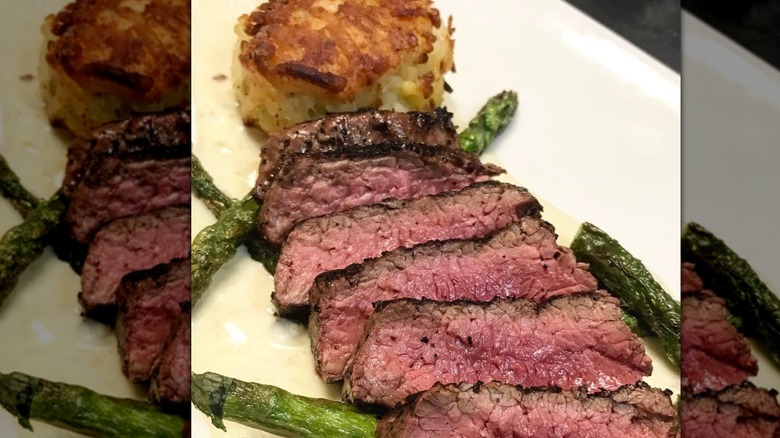
When you think of a premium steak, what comes to mind? Japanese Wagyu? Kobe beef? Tomahawks for two? If you only associate these types and cuts of beef with being expensive, you may be missing out on several equally delicious and unique premium steaks.
One that Robert Irvine mentions is baseball steak — aka top sirloin. Sirloin is already a tender cut, Irvine shares, but baseball steak is even juicier thanks to its fat cap. The name "baseball steak," comes from the fact that the cut bunches up like a baseball when it's cooked. "That makes it hard to overcook and you get a juicy, tender steak even if you're a novice chef," he says. He even offered a recommendation for cooking them, "I like to pan sear them and finish them in the oven. Easy-peasy." If you're just venturing into the world of premium steaks, you can always consult your butcher to get some expert insight as to the cuts that may be less popular, but still worth trying.
9. Don't neglect the resting
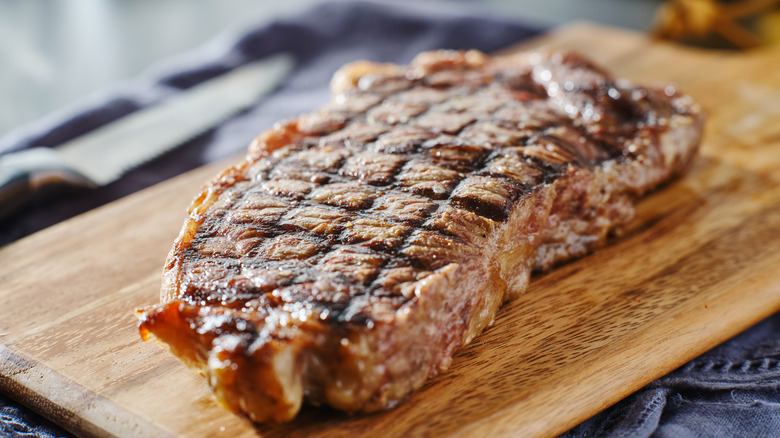
The last step after you finish cooking your premium cut is to let it rest. Cutting into the meat immediately is a major mistake because you won't give the juices a chance to redistribute throughout the meat. Some carryover cooking happens during resting, so if you're cutting into it prematurely, your steak may be a little too raw for your liking.
Robert Irvine explains that he generally lets his steak rest for about five minutes. "If you love it super hot, you can go a little under that, but the bigger the steak, I think the more it can suffer," he says. "If you've got a [1-pound] strip and you cut right into it, the first few bites will be amazing, but as the juices rush out with that first cut, the end of the steak could be a bit dry and disappointing." He also offers the caveat that a petite filet mignon may not suffer the same issue as the strip steak because you can finish it relatively quickly — you probably won't notice if the last bite is drier than the first.