

10 Ways To Elevate Crab Cakes

Crab cakes are always crowd-pleaser thanks to their crispy exteriors, tender interiors, and sweet succulent crab meat. These East Coast delicacies are particularly popular in Maryland, which is known for its blue crabs. However, anyone can whip up a good crab cake, provided they have access to quality crab meat. Classic crab cakes are delicious, but if you're making them at home, a few simple tweaks can make them even better.
Most crab cake recipes follow the same basic formula: crab (many say the best crab meat for crab cakes is lump crab meat), some sort of binder, seasoning, and something bread-like for the filler. Typical ingredients include eggs, mayo, and Dijon mustard for the binder. Salt, pepper, and Old Bay seasoning are often used to add extra flavor, and panko breadcrumbs or crushed saltine crackers are common coatings for the crust. Mix everything together, form your cakes, then fry them until crispy and golden, and voilà. That simple formula is great if you want reliably decent crab cakes, but why stop at the basics when you can take the dish so much further?
There are plenty of easy ways to change things up once you've got the basic crab cake recipe down. You might swap the usual breadcrumbs for something with more flavor, mix in a little heat, or try a different cooking method to lighten things up. You can also play around with different garnishes and unique sauces to serve on the side. If you're in the mood to experiment, these are some ways to make your crab cakes really stand out.
1. Add brightness with aromatic herbs or citrus zest
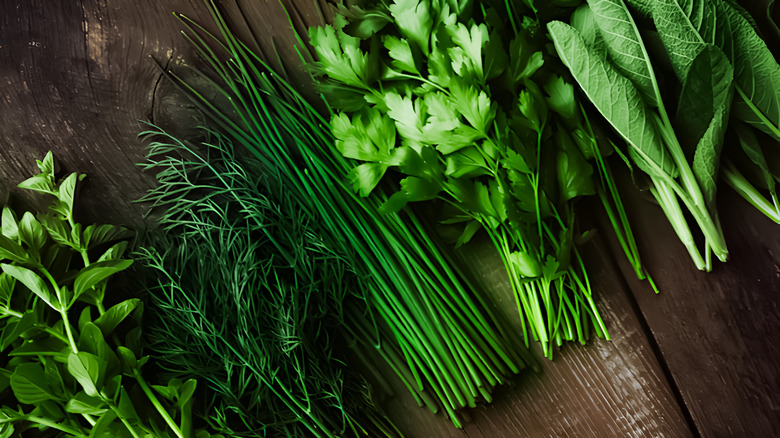
Crab cakes can be pretty rich with their mix of mayo, eggs, and fried breadcrumbs. That's all part of the appeal, but it can also feel a bit heavy. If you want to brighten up your crab cakes, consider adding fresh herbs or a bit of citrus zest or juice. Depending on which herbs you use, they can add grassy, earthy, and peppery notes that can lift the flavor of your crab cakes up. In addition, the acidity of the citrus can help cut through the richness and make the dish taste lighter and more vibrant.
Fresh herbs work best, but dried can also work in a pinch. Parsley, chives, dill, tarragon, cilantro, and basil all work well with the sweetness of the crab meat. If you're using fresh herbs, you may want to try Gordon Ramsay's stacking technique, otherwise known as chiffonade. It involves stacking or rolling your herbs together, then finely slicing them into ribbons. This helps to keep the oils intact and gives you small pieces that you can mix evenly throughout your crab cake mixture.
Citrus is also an excellent pairing for crab meat. In fact, many restaurants serve crab cakes with lemon wedges on the side so that you can squeeze the juice over top, adding instant tang and brightness. Lemon is a classic choice, but lime, orange, and grapefruit also work well. You can simply squeeze some citrus juice into your crab cake mixture, or add zest for more concentrated flavor.
2. Mix in unexpected seafood
Obviously, crab cakes should really focus on the crab meat, but there's nothing wrong with adding some extra seafood for a little bit of variety. Considering that crab meat can be pretty pricey, it makes economical sense to add something else to bolster the dish. The key is to choose seafood that will complement the crab meat without overpowering it. Something mild like shrimp or scallops can blend in nicely without taking away from the delicate flavor of the crab.
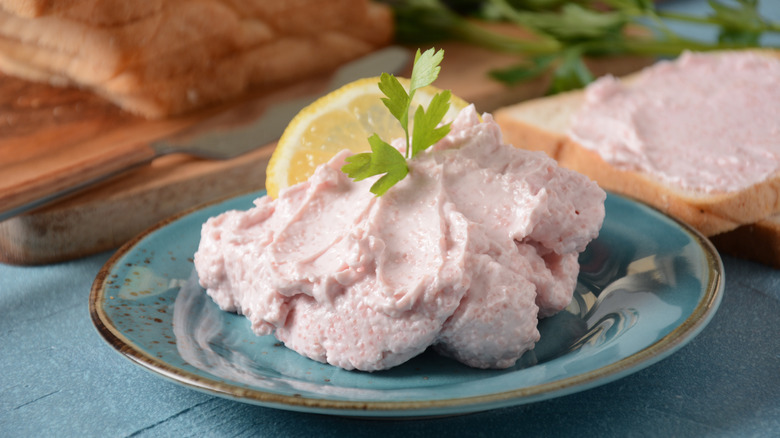
One genius way to amp up the texture and flavor of your crab cakes is with shrimp mousse. It's one of those retro fish dishes that not too many people serve on its own today, but this smooth paste made of shrimp blended with a little cream or egg white works beautifully in crab cakes as a binder. Some people use it instead of mayo because it helps to hold everything together, and gives the crab cakes a light, airy texture.
You can also mix in small pieces of other seafood for extra texture and flavor. Think chopped octopus, scallops, shrimp, or even white fish. If you want to go ultra-luxe, chopped lobster is a nice touch. Just be sure not to go overboard, as you still want to be able to taste the crab. A ratio of about three parts crab to one part other seafood works well. In addition, be sure to keep the pieces consistent in size with the chunks of crab so that everything balances nicely.
3. Give the crust some additional character
The crust is what gives crab cakes that beautiful golden hue and crispy exterior. Many recipes suggest using plain breadcrumbs or panko. Crushed saltine crackers are also a common go-to. Those bready bits add body and act like a glue that prevents crab cakes from falling apart. Plus, when you cook the crab cakes, the filler crisps up on the outside. Breadcrumbs and crushed crackers are fine, but changing up that outer layer can upgrade the whole dynamic of the dish.
If you don't want to stray too far from the common filler ingredients, crushed Ritz crackers will give you a similar texture, but also add buttery flavor. Crushed potato chips are another great choice because they can create a crispy, salty crust. Cornflakes can also add a crunchy texture, and crispy fried onions will add a ton of flavor. And if you want to go a little more gourmet, sesame seeds or finely chopped nuts can add a bit more texture.
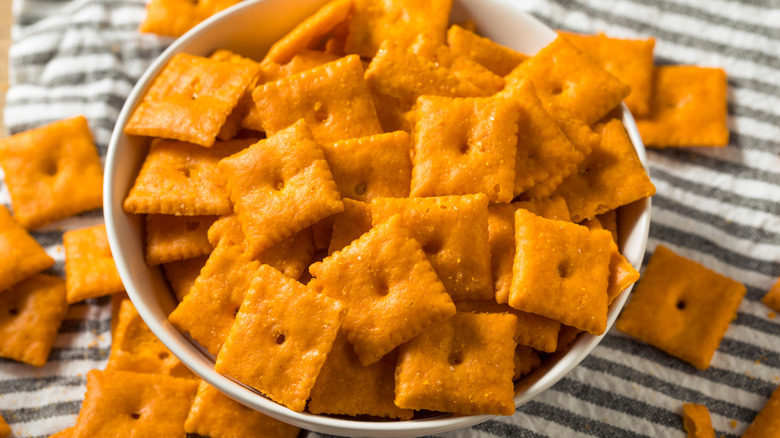
When it comes to how much filler to use, less is usually more. You want just enough to help the mixture hold together, but not so much that it makes your crab cakes overly heavy or dry. Many recipes call for about a ⅔ cup of filler per pound of lump crab meat. If you're going with an ultra-flavorful filler like cheese crackers or crispy onions, you may want to dial back the portion a bit and mix in some regular breadcrumbs to make up for the difference.
4. Play with regional flavor profiles
One of the great things about crab meat is how versatile it is. It's fresh and mild with just a hint of sweetness, and that pairs well with a wide range of flavors. Many people think of classic crab cakes as the Maryland-style version where the crab meat is the star of the dish and there are minimal fillers and seasonings to detract from that flavor. However, other places put their own spins on the dish by adding ingredients that provide textural contrast and complement the taste of the crab meat.
Head down to Louisiana and you'll find crab cakes that are much more colorful than their Maryland counterparts. Add-ins can include the "Cajun trinity" of onions, celery, and green bell peppers. Some people also add color and flavor with spices like cayenne pepper or paprika. Carolina-style crab cakes often include ingredients like onions, bell peppers, green onions, and hot sauce. They also tend to include more breadcrumbs than classic Maryland crab cakes.
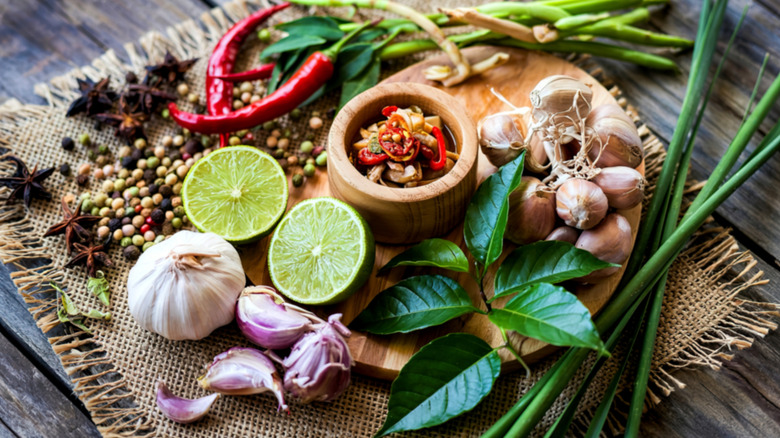
If you're feeling adventurous, you can take cues from other cuisines. For example, you can put a Thai twist on your crab cakes by adding ingredients like finely chopped lime leaf, minced bird's eye chiles, and cilantro. A touch of miso paste, Kewpie mayo, or sesame oil can give the dish a Japanese touch. And if you prefer something lighter, Mediterranean flavors like lemon, roasted red pepper, and oregano work beautifully with crab.
5. Add a touch of heat with spicy add-ins
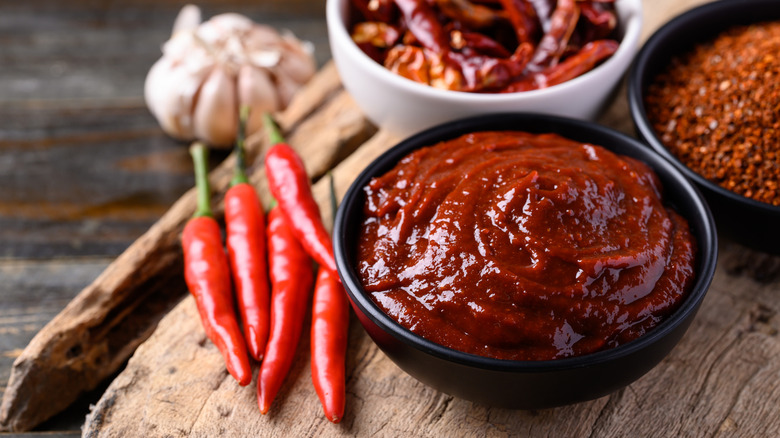
If your crab cakes feel like they're missing something, a touch of heat might be just what you need. Spicy ingredients can bring out the natural sweetness of the crab and give the dish more character. Adding heat isn't necessarily about making the crab cakes tongue-searingly spicy, although you can certainly do that if you're a fan of fiery dishes. But if you just want to add more depth, you can lightly layer in spicy flavors for subtle warmth.
Chiles are perfect for adding spice and pops of color. Smoked chipotle chiles or a dash of chipotle powder can add flavor and bit of spice without overwhelming the crab. Fresh jalapeños or serranos can add bright, clean heat, while roasted poblano or Anaheim chiles can offer a mild kick and slightly earthy notes. If you're worried about the spice level, remove the pith from the chiles first, as that's where most of the heat comes from. You can also start small, adding a bit at a time and tasting as you go.
Chiles aren't the only way to kick up the heat. Alton Brown uses kimchi in his crab cakes to spice things up and add extra crunch. Gochujang is another Korean pantry staple that's spicy and also a bit tangy thanks to the fermented chili paste. You can stir it directly into the crab mixture or use it as a dipping sauce. You can also add a few splashes of hot sauce or fold in some chili crisp.
6. Consider freezing your crab mix
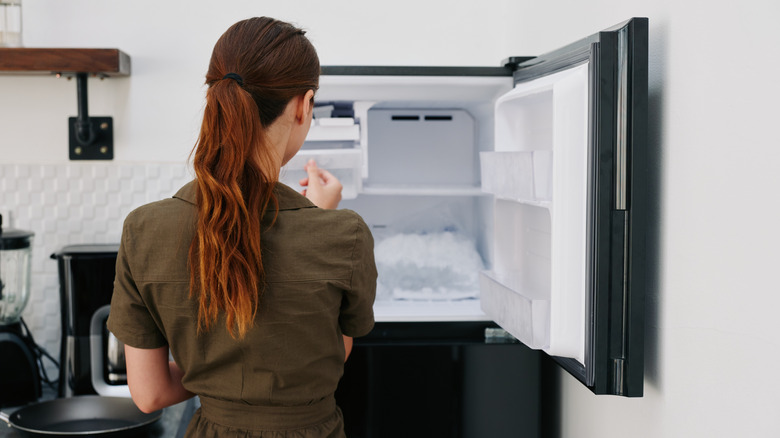
One of the biggest problems people run into with crab cakes is that they fall apart before they even hit the pan. Even with a decent amount of binder and filler, crab cakes can sometimes be too loose and not retain their shape. One way to get around that is by chilling the crab mixture so that it firms up. Many recipes suggest placing the mixture in the fridge for at least an hour or even overnight. But if you want to move things along faster, the freezer can help.
There are a few different ways you can go about freezing your crab mixture. Some people form the cakes first, then place them on a tray lined with parchment or wax paper and pop them in the freezer. Alternatively, you can scoop the mixture onto some plastic wrap or aluminum foil, then wrap it up in the shape of a loaf. That way, when you take it out of the freezer, you can slice it into uniformly shaped crab cakes.
It's important to note that you don't need to freeze your crab cake mixture solid. About 20 to 30 minutes in the freezer is typically enough time to firm everything up and make it easier for you to form your cakes or slide them straight into a pan or the oven. After chilling, check the mixture's consistency. If it still feels too wet, you might need to fold in a small pinch of breadcrumbs or binder to help it hold together better.
7. Use your air fryer for less grease
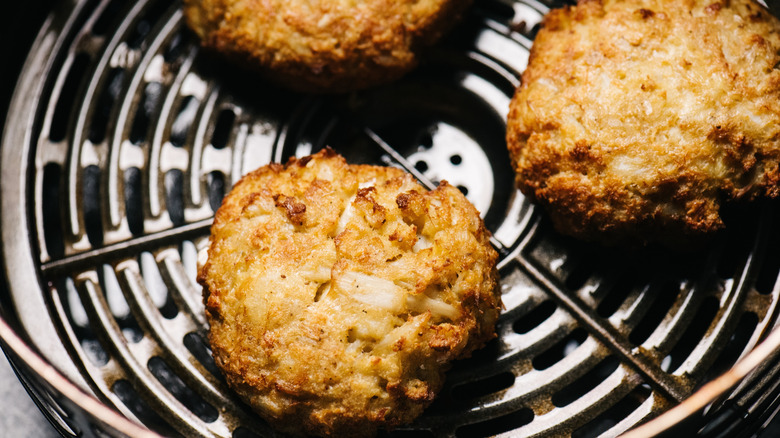
Pan-frying is often the preferred method for cooking crab cakes because it's quick and can give you a beautiful crispy, golden crust. However, it's not without its downfalls. For one, it can be tricky to flip the crab cakes in the pan without having them fall apart. In addition, all that oil can make them greasy and add extra calories. If you're looking for an easier, lighter method, the air fryer or oven can give you the same crunch with less grease.
If you're going with the air-fryer method for your crab cakes, the first thing you want to do is spray your crab cakes with cooking oil. This will prevent them from sticking to the air fryer basket and help them brown up nicely. Gently place them in a single layer in the air fryer with enough space around each for the air to circulate. Cook them at 375 degrees Fahrenheit for about 15 minutes or until they're crisp and golden on the outside.
Baking is another great hands-off option. The process is pretty similar to the air fryer in that you'll want to spray your crab cakes with oil or brush them with some butter, then place them on a baking tray. If you're worried about the crab cakes sticking, you can either grease the tray or line it with some parchment paper. Bake them at 425 degrees for about 15 to 20 minutes. Some people like to flip them at about halfway through to ensure both sides cook evenly.
8. Don't skip the garnish
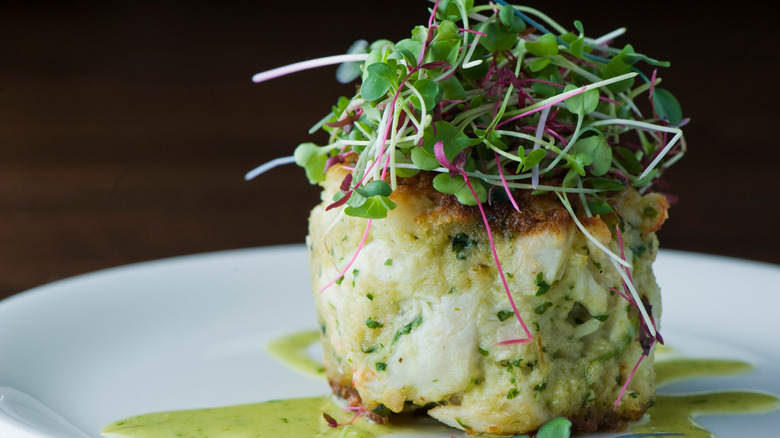
Crab cakes can be delicious on their own, but they can also look pretty plain Jane if you just plunk them on a plate without any kind of embellishment. A good garnish will not only make the dish more visually appealing, but it can also add brightness, acidity, and textural contrast. Garnishes can be as simple or as fancy as you like, but even a small addition can take the dish from something basic to a plate that looks like it came from a restaurant.
One simple way to liven up your crab cakes is with some fresh herbs or microgreens. Just layer some sprigs on top of your crab cakes for extra flavor, aroma, and color. Fruit-based toppings like mango salsa or pineapple relish can add sweetness that pairs well with the sweet crab meat and acidity to balance the richness. Pickled veggies like cornichons, kimchi, or sauerkraut can also add some much-needed tang. And if you want to go decadent, caviar or tobiko can add briny pops of flavor.
The most important thing to remember with garnishes is that you want to complement the crab cake, not overwhelm the palate with competing flavors. If you're using something with a strong flavor like pickled veggies, go lightly. In addition, most garnishes work best when added just before serving. That way, they maintain their freshness and won't wilt or soak through the crab cake, potentially making it soggy.
9. Think beyond remoulade or tartar sauce
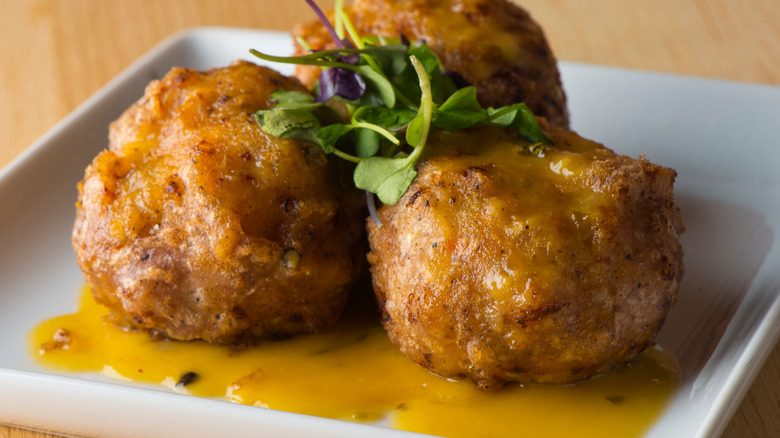
If you order crab cakes at a restaurant, there's a good chance they'll come with tartar sauce or remoulade. The sauces are similar in that they're both mayo-based and contain chopped pickles, although remoulade often has more herbs and spices, plus additions like hot sauce and vinegar. Both work well with crab cakes because the creaminess contrasts with the crispy crust and the pickles add acidity to help cut through the oil. But they're not the only sauces that can lift up the dish.
There are lots of ways to complement crab cakes with sauces that are easy to make and don't rely on the standard mayo base. For example, a classic tzatziki gets its creaminess from yogurt, and the cucumber adds freshness. You can also stir lemon zest into yogurt for a bright citrusy dipping sauce. If you want to spice things up a bit, consider drizzling some homemade hot honey on your crab cakes or heat up some vinegar, ginger, sugar, and sliced chiles to make a sweet chili sauce.
Of course, you can also use store-bought sauces to add some extra pizazz. Think a simple cocktail sauce for tangy tomato flavor, pesto for herbaceousness, or horseradish for zesty tongue-tingling heat. Even a simple dollop of sour cream can work nicely. And if you want to build on the classics, you can add fresh herbs and lemon juice to your tartar sauce for extra complexity, or throw in some chopped pickled jalapeños for a spicy twist.
10. Rethink the presentation
Classic crab cakes are often served as flat discs or balls, and they often come on their own or with some simple garnishes or sides. As we've pointed out, there's no reason you can't get creative with fun toppings and sides. Another area where you can use your imagination is in the presentation. Who says that crab cakes have to take the same shape all the time or that they can't be repurposed into other dishes?
Have a party coming up? Mini crab cakes are perfect for appetizers. You can serve them on crostini with a dab of sauce for an elegant touch or create mini sliders by serving them in buns with some slaw. You can also form them into quenelles, which are oval-shaped scoops of food formed with a spoon. Just cook them like you usually would, and you have a crispy bite-sized snack that guests can easily grab.
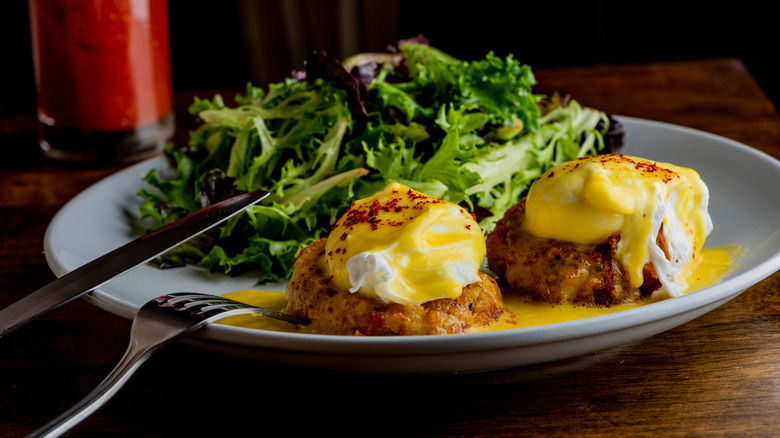
Crab cakes can also be incorporated into other meals for a creative twist. For example, you can top your crab cakes with poached eggs and hollandaise to make a decadent crab cake Benedict. You can form your crab cakes into meatballs and serve them with pasta or make them oversized and slap them in some bread for a crab cake sandwich. You can also use your waffle iron to make savory crab cake waffles that you can top with eggs or meat. In addition, crab cakes are great topped on fresh salads or floated in creamy soups.