

10 Ways To Use Leftover Beer In The Kitchen
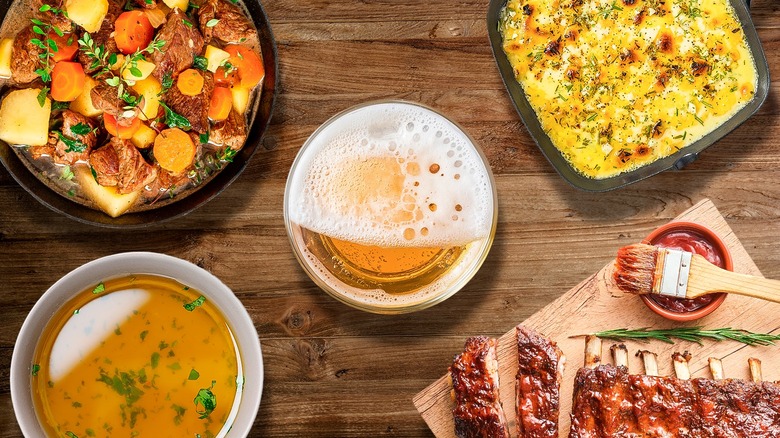
Suppose you stock up on beverages for a shindig and have purchased more beer than is consumed or that you could ever drink in a timely fashion. Or, what if you crack open a bottle of ice-cold beer at the end of a long day, but a few sips into it, you feel like you're done and you don't want any more? You don't want to throw leftover craft brew into the trash or down the drain, but you probably won't want to drink it after all the carbonation has dwindled and it has lost all its flavor.
This leaves you with a conundrum — what to do with leftover beer. Believe it or not, within those leftover bottles and cans is liquid gold that can completely revolutionize your culinary game. Beer not only lends complexity of flavor to sweet and savory dishes alike, but it can also help to tenderize meat, fluff up baked goods, and even create luxurious sauces. The key is understanding the type of beer to use and how to wield its superpowers.
As a professional chef, I often lean on beer to enhance my culinary creations. I enjoy the process of figuring out which type of beer may work best with the combination of ingredients and flavors in a recipe and which might compete for attention in a dish. Over time, I have developed some tips and tricks for incorporating beer into my recipes that will help you transform that leftover brew like a magician.
1. Mix it into a meat marinade
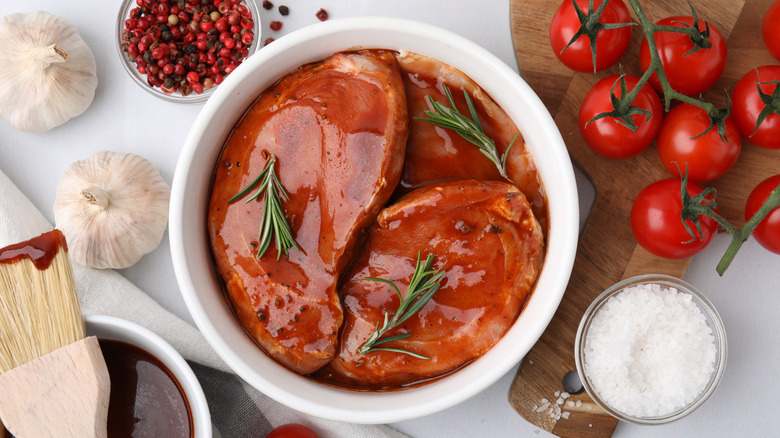
One of the best ways to use up leftover beer in the kitchen is as a meat marinade. Not only can beer amplify the flavor of meat, it can also aid in tenderization. Beer contains a number of enzymes, acids, and alcohol, which, when combined with salt, acid, or dairy products, can help to break down dense protein fibers. The key is timing and the type of beer used.
Marinades require ample time for their ingredients to permeate the center of the meat. That said, when left for too long a period of time, the protein strands can become denatured, rendering the meat mushy. Larger cuts and those proteins with denser muscle fibers, like pork or beef, will require longer periods of time to marinate than smaller cuts and more delicate types of meat, such as chicken or fish.
As a general rule, the best beer for marinating meat is one that isn't overly hoppy. IPAs, for example, are assertively bitter, and this can quickly overpower the inherent flavor of the meat. That said, feel free to play with different types of beer. Darker beers can be ideal when paired with robust-flavored red or game meats, while lighter pilsners, wheat beers, or pale ales are perfect for chicken, pork, or fish.
2. Whisk it into a salad dressing
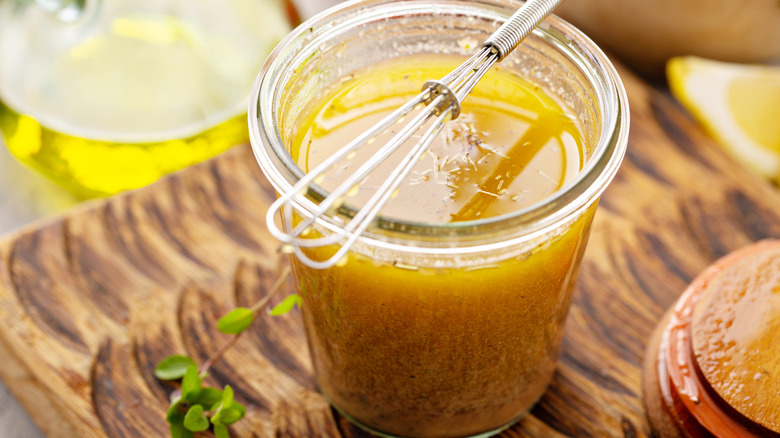
While there are plenty of decent store-bought salad dressing options out there, nothing quite beats the flavor of a homemade vinaigrette. Not only does dressing made from scratch taste better, it's also void of any unnecessary additives or preservatives. A basic vinaigrette is composed of three parts oil to one part acid. These are often combined with an emulsifier, like Dijon mustard, to help homogenize them.
One advantage of homemade dressing is that it can be customized in many ways using any number of unique add-ins, including beer. Not only is beer the perfect richness booster for salad dressings, it can help to minimize the sharpness of the acidic component in the recipe, creating a more balanced flavor that works equally well with buttery and bitter greens.
When adding beer to a salad dressing recipe, a good ratio to keep in mind is swapping ⅓-½ of the oil with your favorite brew, to taste. Again, while you can use any type of beer for this purpose, steer clear of overly bitter brews, as these can neutralize any other ingredient you add. Balance out the flavor notes of a beer-based salad dressing by enhancing it with vanilla extract, honey, maple syrup, or aromatics, like minced garlic or shallots.
3. Add it to soup or stew
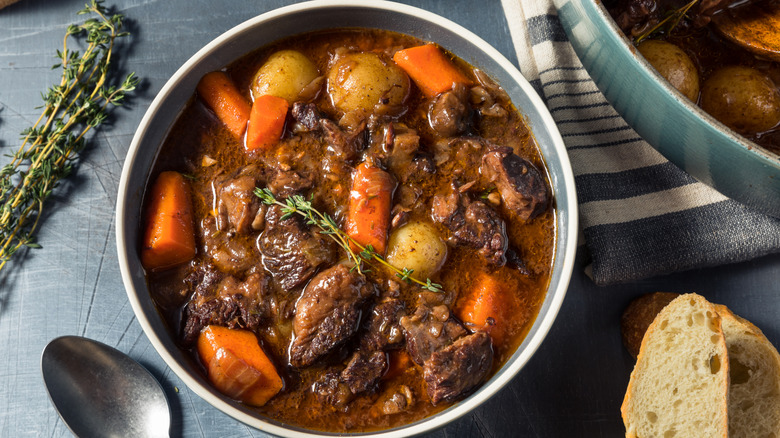
Whenever I make a batch of soup or stew, I take the time to layer flavor components to help build complexity and give the dish that cooked-all-day taste. While spices, herbs, and aromatics are necessary for this purpose, a dash of alcohol, in this case beer, is also invaluable. The beer is typically added after the mirepoix and any meat has been browned. As these caramelize, burnt bits will settle onto the bottom of the pan. Using beer to deglaze the pan loosens these burnt bits and incorporates them into the dish, making the soup or stew more satiating.
When considering beers to add to hearty soups or stews, lean into those that are malt-forward in flavor notes. Darker beers, like brown ales, stouts, or porters, can lend a nuttiness that complements the toasty elements released by those caramelized aromatics. That said, when cooking with brighter vegetables or seafood, it may be preferable to use a lighter beer, like a pilsner, pale ale, or lager, as these won't overwhelm these components.
Keep in mind that not all the alcohol in the recipe will cook off. It can take up to 3 hours of cooking for most of the alcohol in a recipe to be eliminated, depending on how vigorously the soup or stew is boiled and how wide the base of the pan is. This may be worth noting if you are preparing the recipe for those who cannot consume alcohol for any reason.
4. Bake it into bread
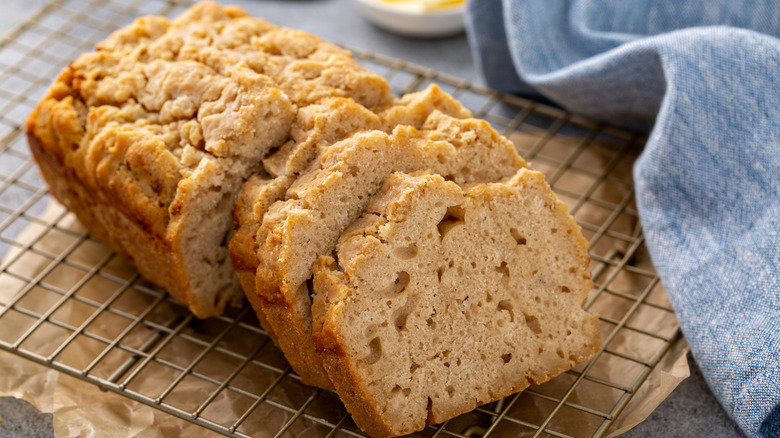
If you are seeking to elevate the taste and texture of homemade bread and other baked goods, look no further than that leftover bottle or can of beer. Not only are the flavor possibilities virtually endless, but the carbonation in beer can be the secret to producing impossibly light and airy cakes, waffles, and more. The key is knowing when to add it and what kind to use.
When baking with beer, you will want to use a room-temperature can or bottle that has just been cracked open. This will ensure that there is adequate carbonation to jumpstart the leavening process. It is also important to let the opened beer rest for a few minutes to eliminate any excess foaminess that may make measuring the liquid accurately more challenging. Because of its acidity, when baking with beer, you should always opt for full-fat over low-fat dairy to prevent curdling.
As far as what kinds of beer to use, this is really dictated by the recipe you are preparing. Darker beers tend to have a distinctive malt-forward flavor that accentuates chocolate, coffee, nuts, or caramel in recipes. Lighter brews, including pilsners, pale ales, and lagers, can transform recipes featuring spicy or fruity elements.
5. Level up sauces
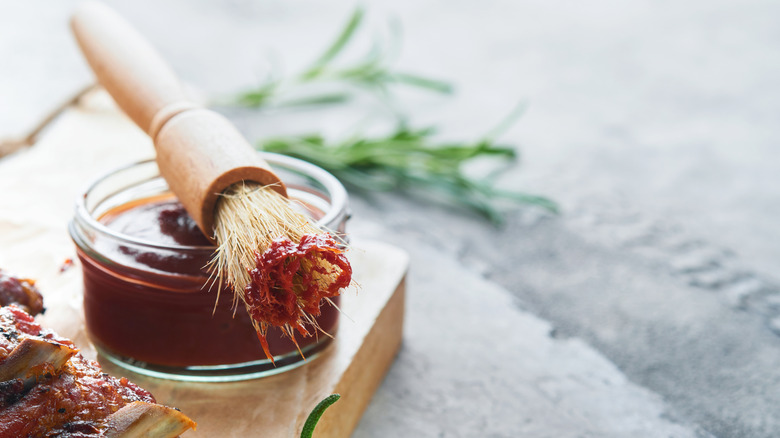
Whether you are preparing a Sunday gravy, making the perfect homemade BBQ sauce from scratch, or are interested in creating a velvety reduction to pair with a grilled steak, leftover beer can be the perfect vehicle for leveling up your sauce game. As a general rule, similar basics apply to making a sauce as to a marinade. You will want to select the beer you use based on the other ingredients in the sauce and what the sauce is intended to smother. If you are making a pan sauce for chicken or fish, you should stick with a lighter brew that isn't overly hoppy. If you are creating a sauce for beef, lamb, or game meats, you can easily incorporate a darker brew that has more assertive malty notes.
It is important to note that when making a sauce using beer, all the flavor notes of the brew will be concentrated as the liquid reduces. This means they will be amplified. If the beer is assertively spicy or has overt piney flavor elements, these will become stronger in the final sauce, which can either enhance or drown the taste of the protein you are dressing with it, so choose cautiously. And, again, it is necessary to remember that the alcohol in the beer will not be completely eliminated even if the sauce is boiled vigorously for several minutes, so a beer-based sauce may not be suitable for all audiences.
6. Fold it into fondue
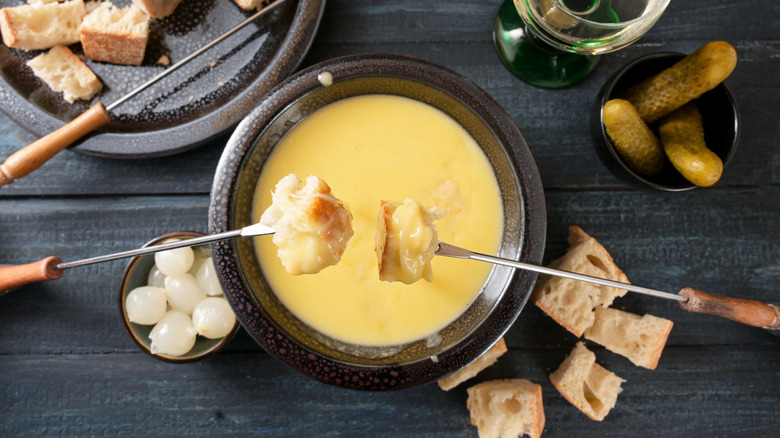
Beer and cheese are a match made in culinary heaven. Not only is this dynamic duo a popular accompaniment for pub-style pretzels, it can add intense flavor to a homemade batch of mac and cheese. That said, there's a more sophisticated way to marry these two ingredients, and that is in a batch of luxurious fondue.
While the modern-day tradition of eating fondue emerged in the late 1800s in the Swiss Alps, this style of cooking was popularized globally when it was dubbed the national dish of Switzerland in the 1930s. Today, home cooks far and wide can produce their own version using some quality melting cheese and a few basic ingredients. One such ingredient is leftover beer. A classic fondue typically relies on white wine to produce a silky texture, but beer can be equally as effective and will lend a richness of flavor that is second to none.
When selecting beer for this purpose, stick with a lighter brew that isn't overly hoppy, like a pilsner, pale ale, or lager. This won't taint the color of the fondue, nor will it overpower the flavor of the cheese. As far as cheese is concerned, while cheddar is a classic pairing with beer, feel free to play with other quality melting cheeses, including gruyère, fontina, or comté. Also, consider amplifying the savoriness of this beer-based fondue with ingredients like mushroom powder, roasted garlic, or a dash of miso paste.
7. Turn it into a poaching or steaming liquid
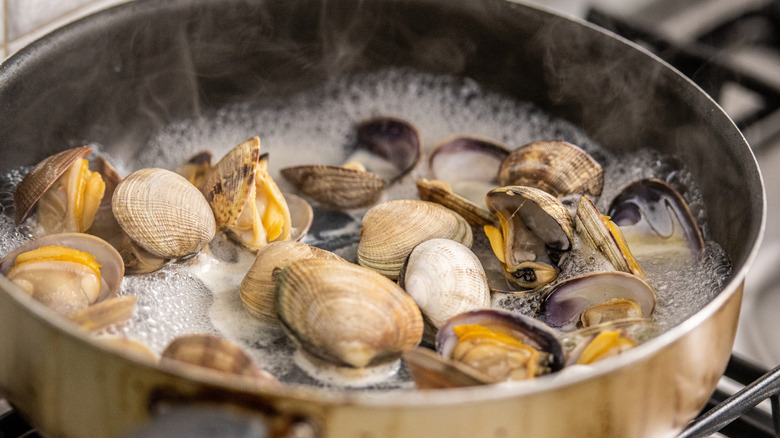
Poaching or steaming are two of the most effective techniques for cooking a wide array of proteins, including fish, seafood, and even chicken. These methods lend flavor while imparting moisture into the proteins, thereby keeping them juicy and tender. Though water or stock are perfectly effective liquids to use for poaching or steaming, they lack much by way of pizazz. A fantastic way to elevate poaching or steaming liquids is to swap some or all of the water or stock with some leftover beer.
A basic rule of thumb for building a better poaching or steaming liquid for a major flavor boost for seafood, fish, or chicken is to select a beer that is on the lighter side. As previously noted, darker beers tend to be overpowering in flavor, and the color can render the meat dull and unpalatable. A mellow, citrusy, less hoppy lager or amber ale can offset the sweetness of shrimp or lobster, for example, while infusing chicken with just the right amount of acidity.
Don't stop at the beer when building a better poaching or steaming liquid. Consider enhancing the liquid with various aromatics, herbs, and spices, as well as umami-rich condiments, like miso, dried mushrooms, or a dash of Worcestershire sauce. Alternatively, add a dash of heat with some hot sauce, harissa paste, or gochujang.
8. Blend it into a wet batter
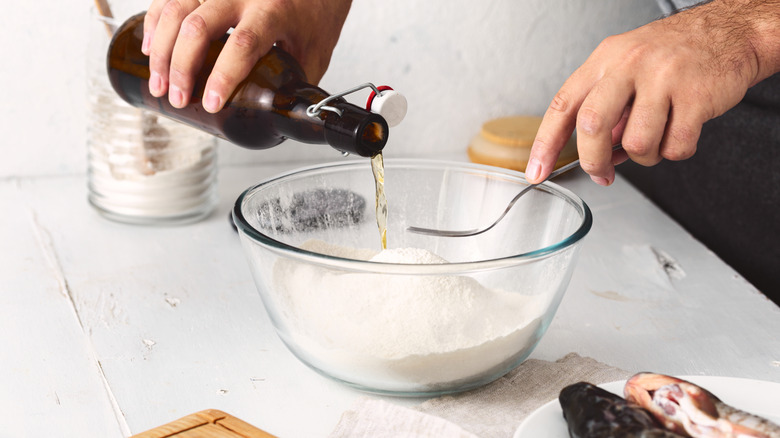
One of the keys to producing decadent fried fish or vegetables with a perfectly crisp crust is to coat them in a well-executed wet batter. Wet batters are superior to dry batters for deep frying because they more thoroughly coat whatever it is that you are making, producing more even results than a dry batter. Among the most popular wet batters out there is a beer batter.
Adding beer to a wet batter can produce the crispiest texture and provide a malty, nutty flavor that pairs beautifully with all kinds of ingredients. The most important factor to consider when using beer in a wet batter is ensuring its carbonation is preserved. This requires cracking open a room-temperature bottle and allowing it to sit for a few minutes afterward to limit the amount of foam incorporated into the batter. Once added, the batter should be allowed to rest for at least 10 minutes so that it is evenly homogenized and the gluten strands have a chance to relax, which will enable it to crisp up properly when fried.
When it comes to wet batters, the type of beer used can fluctuate based on your tastes and what ingredients you are planning to coat with the mixture. Lighter ingredients, like vegetables or fish, may be better suited to a lighter beer, like a pilsner, pale ale, or lager, while more robust meats can easily handle the intense malty flavor conferred by a dark beer.
9. Shake it into a cocktail
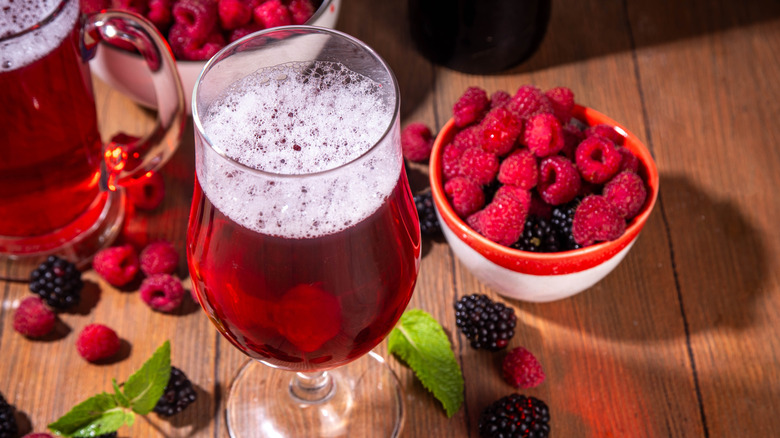
When you think of festive cocktail recipes, drinks like a Manhattan, Cosmopolitan, or Mojito may come to mind. While these are gold standards that are worthy of inclusion in your repertoire, there are a number of clever cocktails that actually rely on beer for flavor and effervescence that you may want to master.
Perhaps the most well-known of these beer-based cocktails is a classic shandy. A shandy relies on a combination of beer and fruit juice. These are occasionally augmented with a simple syrup to cut any lingering bitterness from the beer. Most shandy recipes feature a lighter beer with a lower hop content and a decent amount of acidity, like a pilsner or a lager. These can also be made using hard ciders and seasonal beer varieties, like a pumpkin ale or a Christmas ale.
Other cocktails where beer can easily be added to boost flavor and mouthfeel include a black and tan, palomas, or a Spaghett, which is a laidback summer cocktail that features Miller High Life, Aperol, and lemon juice. Cocktails are also one place where a leftover IPA can be used effectively by combining it with dark rum and a dash of citrus juice.
10. Boost your breakfast
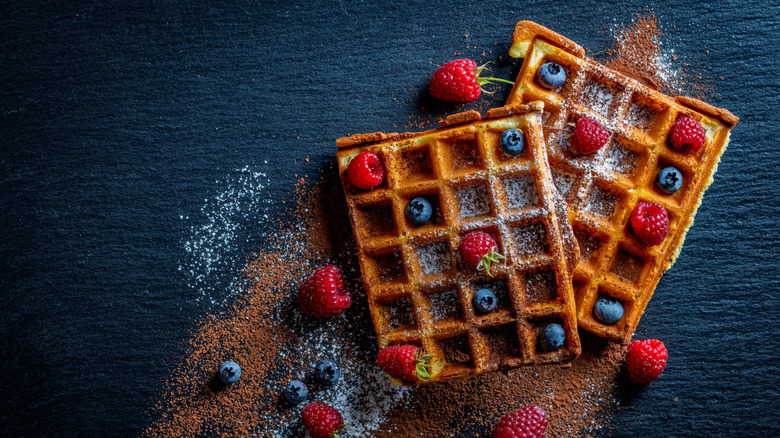
While it may seem counterintuitive to bust out that leftover beer in the morning, believe it or not, this effervescent beverage can be a game-changer when incorporated into popular breakfast recipes. Beer can boost the flavor and texture of everything from pancakes and waffles to scrambled eggs and bacon.
When it comes to pancakes, waffles, donuts, and even French toast, beer can often be used to replace the dairy in the recipe. Not only will beer yield fluffier pancakes or waffles, it can help the exterior brown beautifully while speeding up the rate at which the interior of these bakes. As far as eggs are concerned, beer can help aerate scrambled eggs while keeping them moist and tender. And, when transformed into a glaze for bacon, the inherent malt-forward elements can lend nuttiness and caramel notes to this crispy, porcine delight.
In terms of selecting a beer to use for a breakfast dish, the choice will be contingent on the recipe. For example, darker beers can give sweet breakfasts a richness, while lighter beers may have spicy or citrusy notes that can amplify fruity recipes. By contrast, both can enhance savory breakfasts, depending on the other ingredients included, such as salty meats or umami-rich mushrooms. Don't be afraid to experiment here!