

Caldo De Res (Mexican Beef Soup) Recipe
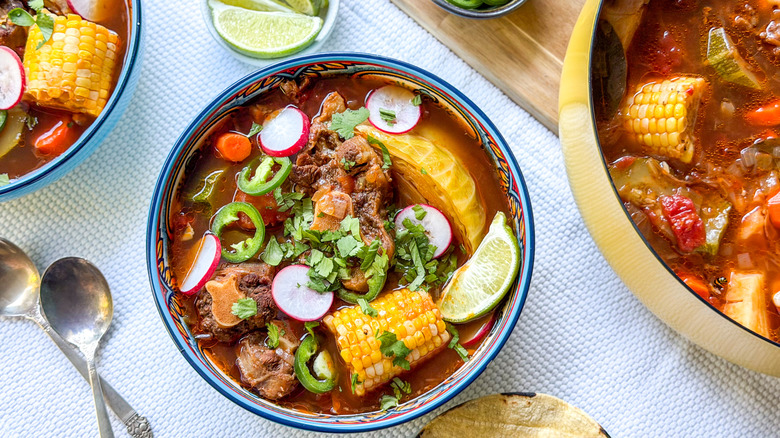
Beef and vegetable soup is a culinary staple that is found in many different cultures. Rich, slowly simmered beef broth filled with savory and aromatic vegetables is nutritious, comforting, and communal. This recipe for caldo de res — courtesy of recipe developer Julie Kinnaird – is a tribute to one of Mexico's most loved soups, filled with fresh vegetables and flavorful beef shanks. This preparation has a rustic, homey quality about it, with generous cuts on the vegetables that make them easy to divide up amongst a crowd for serving, while also giving the visual appeal of a complete meal in a bowl. Crosscut beef shanks get a long simmer to bring out the flavor from the bones and make the meat tender enough to fall right off.
This recipe makes a generous amount, so it is quite suitable for entertaining a group, yet leftovers get even tastier with a few days in the refrigerator as the flavors continue to develop. It is a perfect meal-prep kind of dish for ordinary evenings, yet delicious enough for celebratory affairs!
Gather the caldo de res ingredients
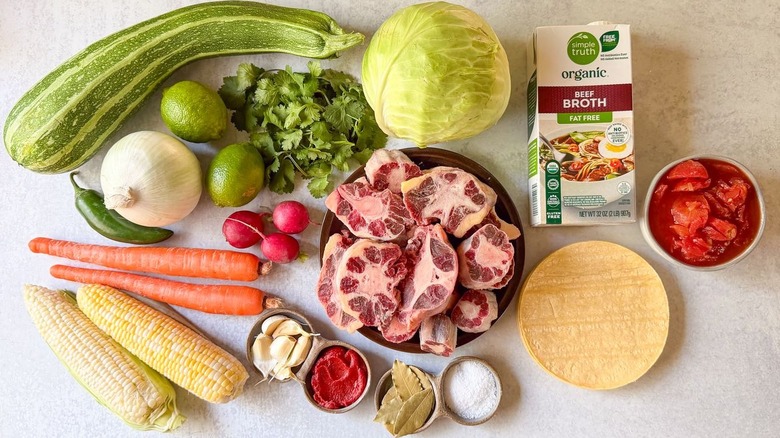
This recipe starts by making a richly flavored broth with meaty crosscut beef shanks. The shanks are browned to bring out their flavor, and the rendered fat is used for sauteing a chopped white onion and whole cloves of garlic. Tomato paste gives the broth depth and acid after it is caramelized with the aromatic vegetables. Next, you will need canned (or homemade) stewed tomatoes, bay leaves, and a combination of water and beef broth. This mixture, along with the browned shanks, will simmer slowly while you prepare the remaining vegetables. You will need a head of green cabbage, corn on the cob, long carrots, and a Mexican squash (you can also use zucchini). Kosher salt and limes are used for seasoning and adding some bright acid, and the soup is garnished with cilantro, radish, and jalapeño slices. Serve your caldo de res with warmed corn tortillas.
Step 1: Heat a Dutch oven over high heat
Heat a large Dutch oven or other heavy soup pot over medium-high heat.
Step 2: Brown the beef shanks
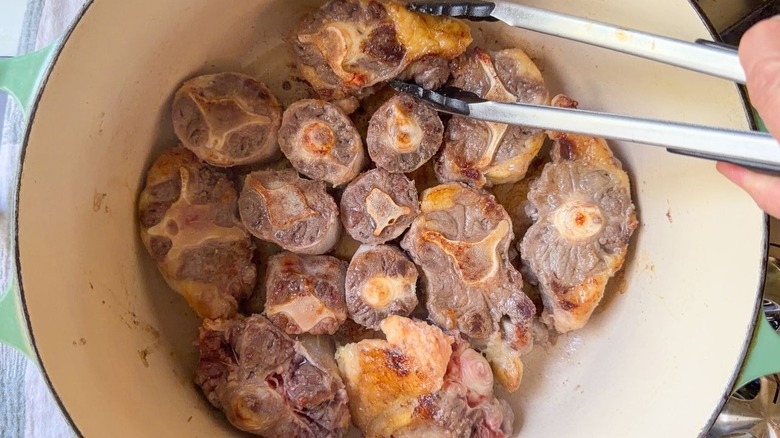
Brown the beef shanks for about 5 minutes on each side until deep brown in color.
Step 3: Remove the shanks from the pot
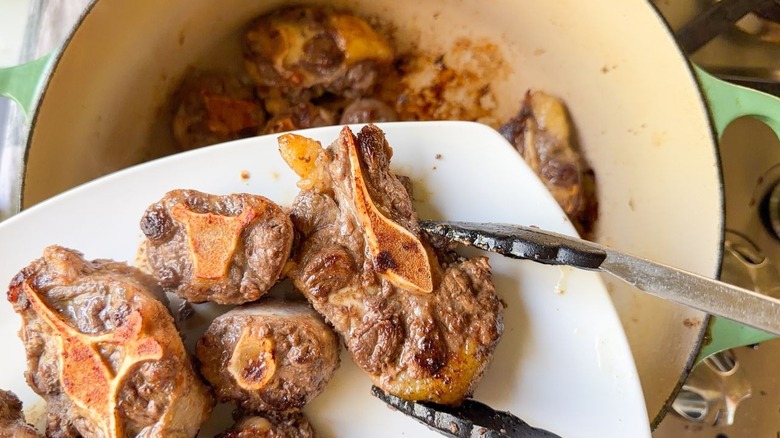
Remove the shanks from the pot to a plate.
Step 4: Add the onion to the pot
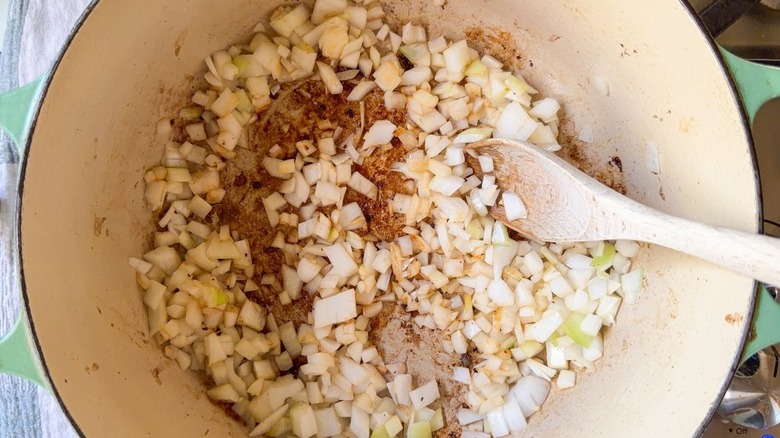
Add the onion to the rendered beef fat and cook, stirring occasionally, until softened and starting to brown (about 5 minutes).
Step 5: Add the garlic and tomato paste
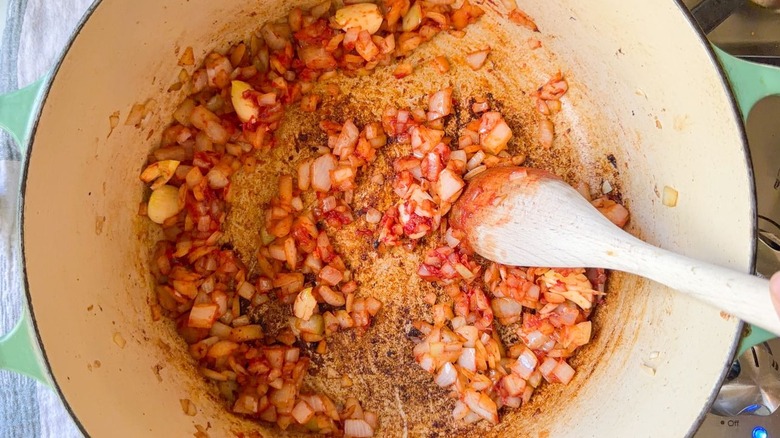
Add the garlic cloves and tomato paste, stirring constantly to prevent scorching, until the tomato paste turns a rust color (about 1 minute).
Step 6: Add the stewed tomatoes, bay leaves, water, and broth
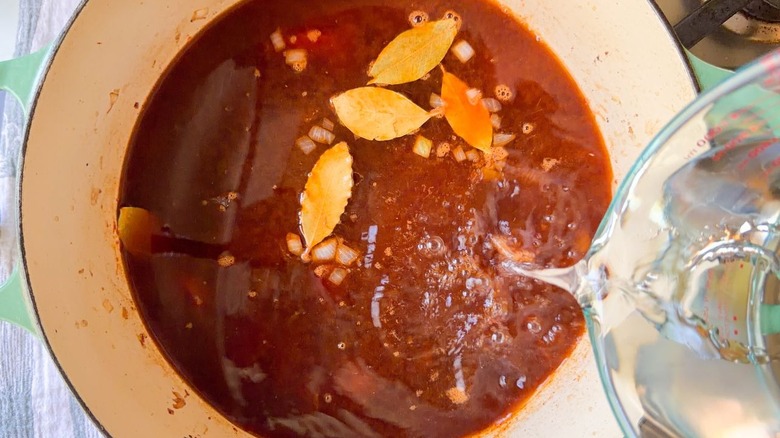
Add the stewed tomatoes, bay leaves, water, and broth, stirring to combine.
Step 7: Cover the pot
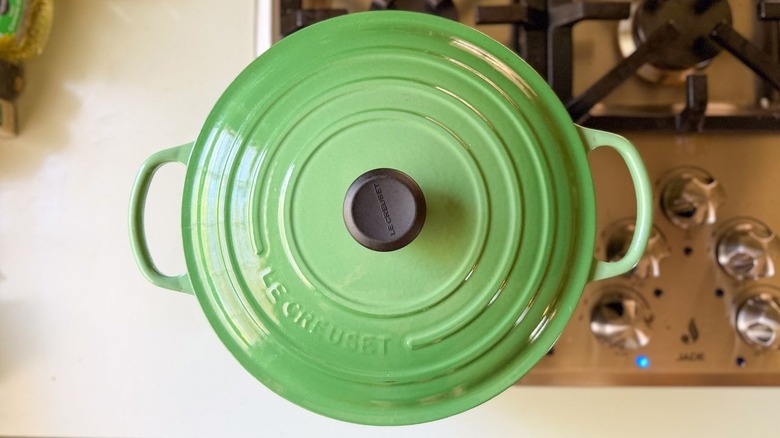
Bring the soup to a boil, then reduce the heat to low and cover.
Step 8: Simmer for 2 hours
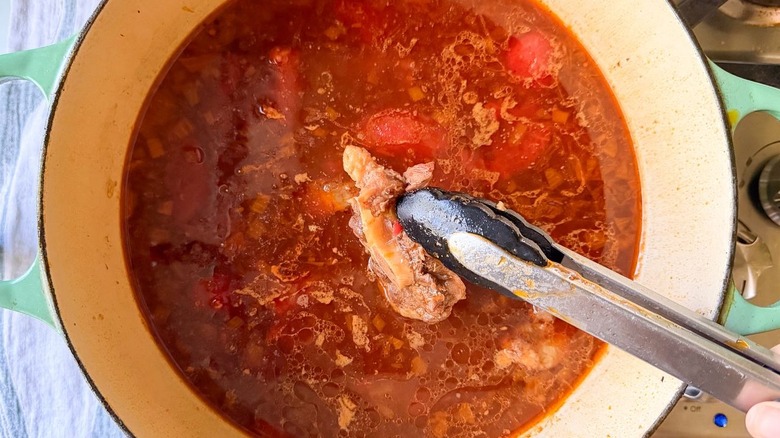
Simmer for about 2 hours until the meat is very tender and coming off the bones.
Step 9: Add the cabbage, corn, carrots, and squash
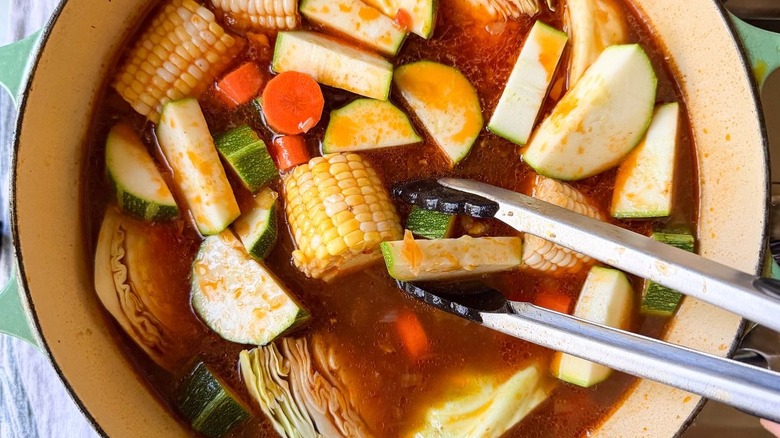
Add the cabbage, corn, carrots, and squash to the pot.
Step 10: Cover and simmer
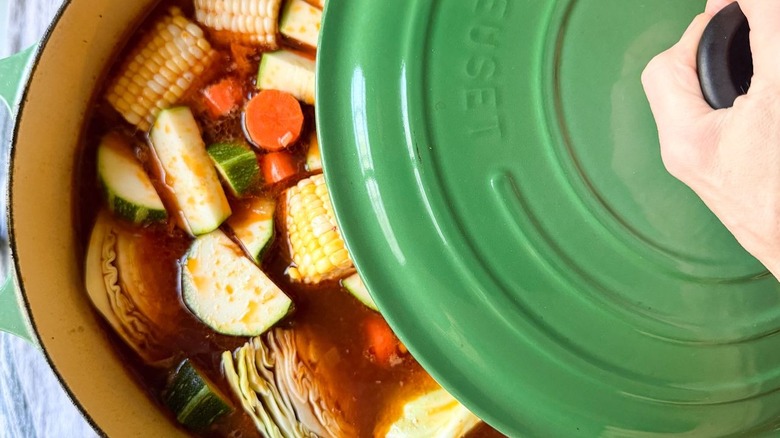
Replace the cover and simmer on low for about 30 minutes until the vegetables are tender.
Step 11: Add the salt and lime juice
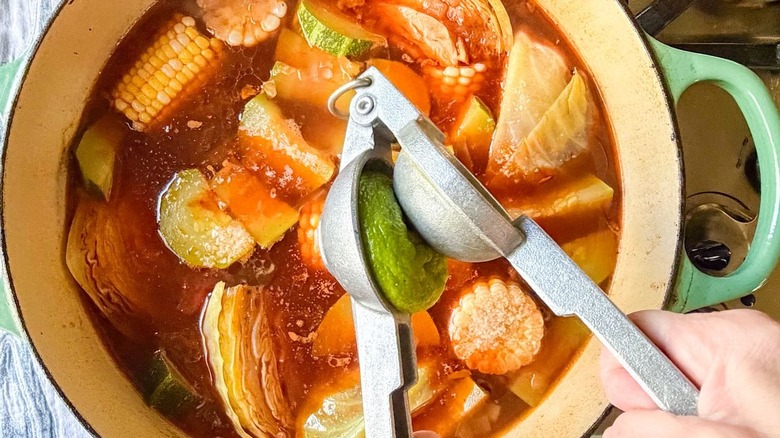
Uncover and add the salt and juice of 1 lime.
Step 12: Slice the remaining limes
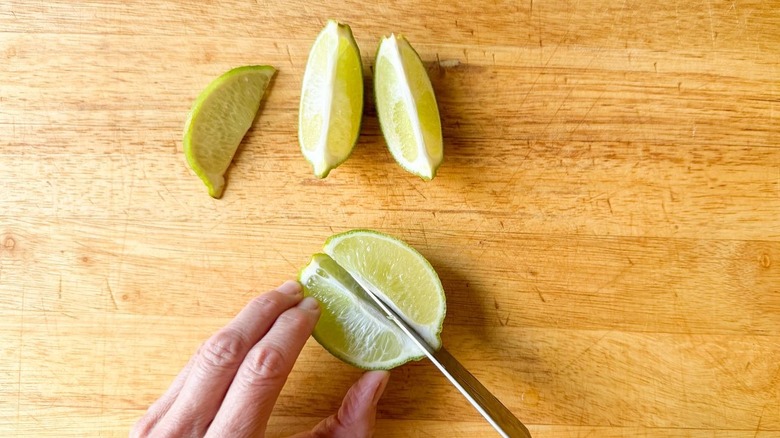
Cut the remaining limes into wedges.
Step 13: Divide the soup in shallow serving bowls
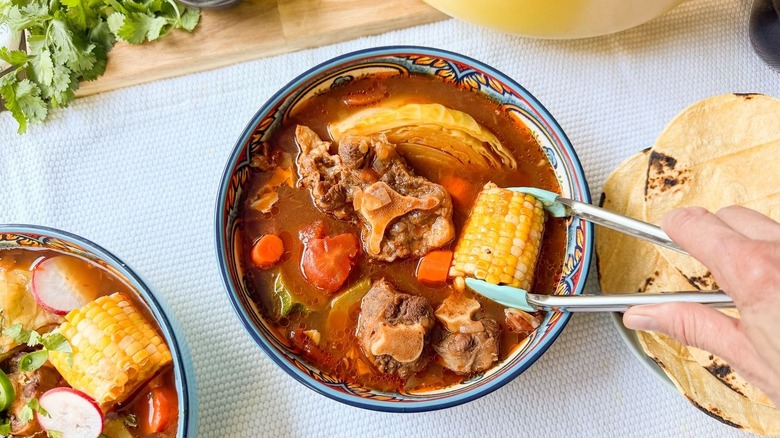
Serve the soup in large shallow bowls, dividing the ingredients between each.
Step 14: Garnish with the cilantro, radish, and jalapeño
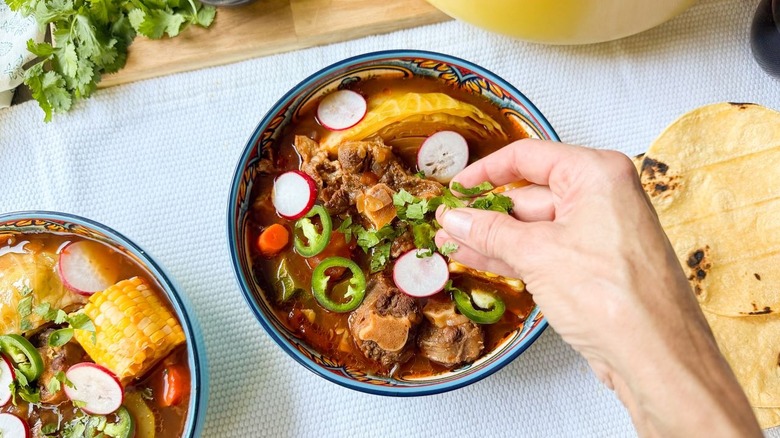
Garnish with some of the cilantro, radish, and jalapeño slices.
Step 15: Serve the caldo de res
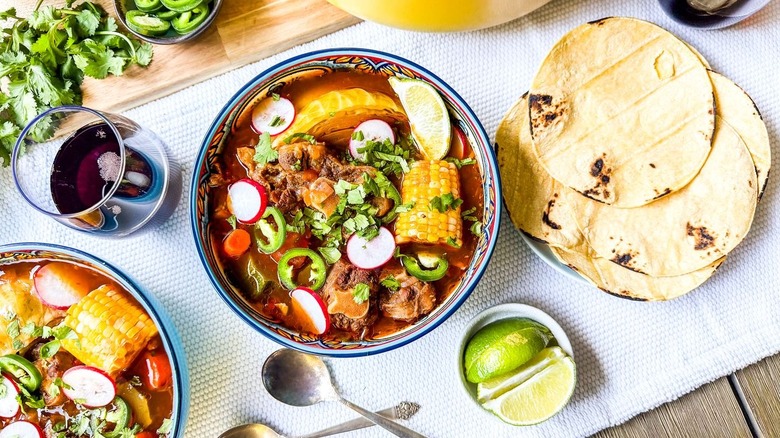
Serve with the lime wedges and warmed tortillas.
What can I serve with caldo de res?
Caldo de Res (Mexican Beef Soup) Recipe
This recipe for caldo de res is a tribute to one of Mexico's most loved soups, with a flavorful broth filled with fresh vegetables and flavorful beef shanks.
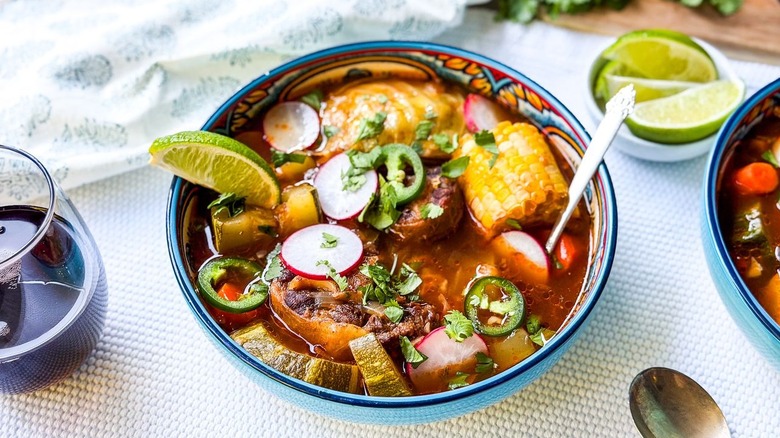
Ingredients
- 3 pounds crosscut beef shanks
- 1 large white onion, diced
- 6 large cloves garlic, peeled
- 2 tablespoons tomato paste
- 1 (12-ounce) can stewed tomatoes
- 5 whole bay leaves
- 6 cups water
- 4 cups beef broth
- 1 small head green cabbage, cut into 6 wedges with the stem left intact
- 2 ears corn, husks removed, cut into thirds
- 2 large carrots, peeled and cut into ½-inch-thick rounds
- 1 large Mexican squash or zucchini, cut into 1-inch-thick rounds
- 1 tablespoon kosher salt
- 2 limes, divided
- ½ cup chopped cilantro leaves
- ½ cup thinly sliced radishes
- 1 large jalapeño, stem and seeds removed, sliced into thin rounds
- Warmed corn tortillas, for serving
Directions
- Heat a large Dutch oven or other heavy soup pot over medium-high heat.
- Brown the beef shanks for about 5 minutes on each side until deep brown in color.
- Remove the shanks from the pot to a plate.
- Add the onion to the rendered beef fat and cook, stirring occasionally, until softened and starting to brown (about 5 minutes).
- Add the garlic cloves and tomato paste, stirring constantly to prevent scorching, until the tomato paste turns a rust color (about 1 minute).
- Add the stewed tomatoes, bay leaves, water, and broth, stirring to combine.
- Bring the soup to a boil, return the beef shanks to the pot, then reduce the heat to low and cover.
- Simmer for about 2 hours until the meat is very tender and coming off the bones.
- Add the cabbage, corn, carrots, and squash to the pot.
- Replace the cover and simmer on low for about 30 minutes until the vegetables are tender.
- Uncover and add the salt and juice of 1 lime.
- Cut the remaining limes into wedges.
- Serve the soup in large shallow bowls, dividing the ingredients between each.
- Garnish with some of the cilantro, radish, and jalapeño slices.
- Serve with the lime wedges and warmed tortillas.
What is the history of caldo de res?
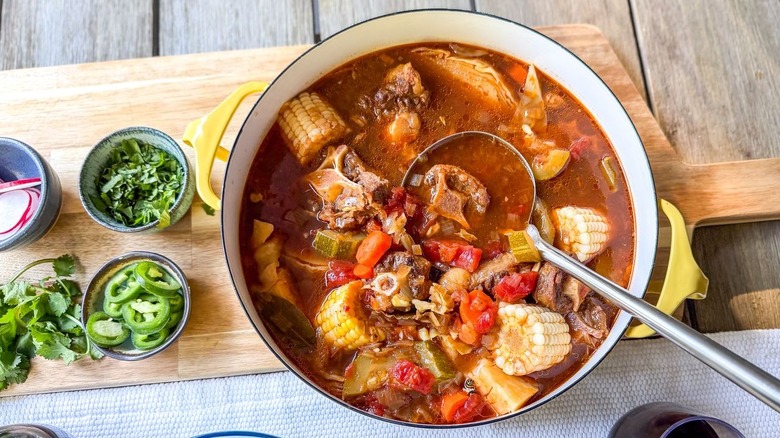
Caldo de res, or "beef broth," as it translates to English, has a rich history throughout Latin America. In Mexico, there are as many versions as there are families, as this is not only a regional but a personal dish. The origins of this simple yet complex-tasting soup were likely that it was created out of necessity, using inexpensive cuts of meat and bones to create a base to fill with fresh vegetables and feed an entire family or community. Corn, tomatoes, squash, and peppers are all common ingredients used in Mexican cuisine. The variations in this soup can be seasonal (more potatoes and onions in the winter months and more squash and corn in the summer), but the necessity of a rich and nourishing broth is the heart and soul of caldo de res.
Kinnaird says that the style of this soup, with its chunky vegetable cuts and generous cuts of meat, lends itself to portioning out and sharing, so that everyone gets their share of the treasures contained in the feast. The soup has visual appeal with its color contrasts, making it an ideal centerpiece for a buffet or other shared meal. Caldo de res may be humble in origin, yet it is rich and celebratory in spirit.
What is crosscut beef? Are there any other cuts I can use for this recipe?
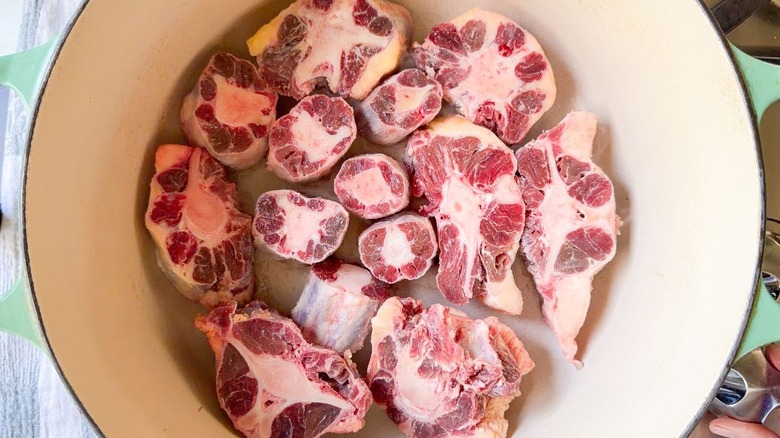
Crosscut beef shanks come from the leg of a cow, and contain marrow-filled bones as well as sinuous meat, which is also rich in collagen. You will find these at your local butcher, Latin American specialty grocer, and often in the meat department of your local supermarket. The shanks have a distinctive appearance, as they are literally a crosscut through the leg, which allows you to see the bone, meaty tissue, and muscle all intact. In order for this cut to become tender, low heat and plenty of liquid are your best assets. When the shanks are slowly braised, it gives the proteins and connective tissues time to break down and gelatinize, adding a rich mouthfeel to the broth. The meat will also tenderize and become slightly stringy, yet melt-in-your-mouth delicious.
If you want to switch up the beef in this recipe, or maybe add a bit of additional meat, there are plenty of other flavorful steak cuts that you can choose from. Kinnaird recommends using boneless beef short ribs to add some real richness and plenty of beefy flavor. You could also try pieces of chuck roast, which is a cut that braises beautifully and will keep the broth full of texture. If you go with one of these boneless options, throw in some beef marrow bones so that you get the extra flavor and nutrients that the bones infuse into the broth.