

How Sprouts Combats Food Waste With 'Rescued Organics'
We may receive a commission on purchases made from links.
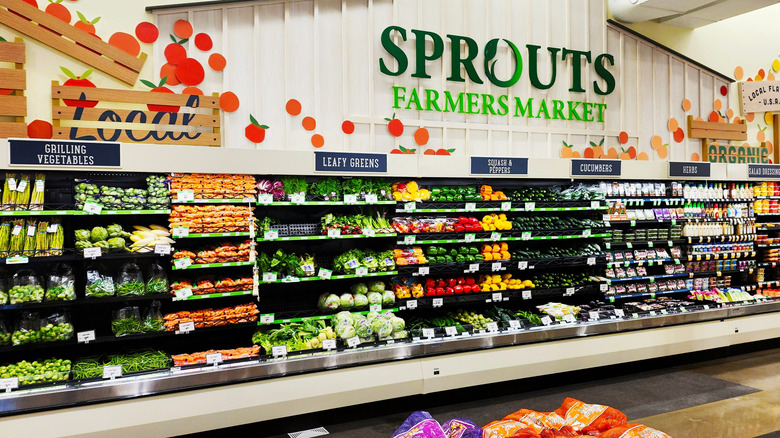
Support local farmers, tackle food waste, avoid contributing to nearly 32 billion pounds of produce that end up in the landfill every year, and reduce energy consumption, all while saving money. We understand that this might sound too good to be true, but thanks to the sustainability efforts from the team at the grocery chain, Sprouts, this fantasy is actually a reality. Joining the ranks of companies like Imperfect Foods and Misfits Market that are working to combat food waste, Sprouts Farmers Market launched its "Rescued Organics" program in 2023. Sprouts is known for its selection of all-natural, organic produce and its diverse offerings of specialty products that cater to niche dietary needs. With that comes a sizable price tag, so shoppers often prefer to patronize their local Sprouts on select days to get more bang for their buck.
Thanks to the Rescued Organics initiative, perfectly fine produce that would have otherwise been tossed out for minor blemishes and insignificant issues in shape, size, and color are salvaged and sold at more affordable prices. Sprouts partners with local farmers to make a variety of "imperfect" fruits and vegetables, such as potatoes, onions, grapefruit, pears, carrots, and kiwis, that are as nutritious and delicious as their blemish-free counterparts available to shoppers.
While this program launched across 130 stores across California, hopefully the initiative expands and flourishes nationwide, unlike Sprouts' now-defunct sampling program. Currently, Sprouts is the only mainstream grocery chain to pioneer such an initiative, and its success may inspire other chains to follow suit, ensuring that access to good-quality fruits and vegetables at affordable prices is the norm for their customers.
Savvy hacks to salvage produce at home

It's not uncommon to see stores like Aldi invent ways to prevent leftover food products from ending up in landfills. That said, we as consumers also have a responsibility to do our part as conscious shoppers. As long as there are no obvious signs of spoilage, there is no reason why fruits and veggies with minor discoloration or increased ripeness have to be sent to the bin. Composting services are obviously a great solution for certain food scraps and leftovers, but when you've spent hard-earned money on purchasing produce, with rising grocery costs, it's only wise to do everything you can to make the most of your produce haul.
Bananas, for instance, which are unfortunately one of the most-wasted produce at grocery stores, have so much potential to be used in a variety of ways, particularly when overripe. In general, fruits that have passed their optimum ripeness make a fantastic addition to cakes. Overripe peaches, specifically, are your secret weapon for the perfect frozen cocktail. Have some vegetables that are starting to soften? Blend them into a creamy, hearty soup or stew instead. Veggie scraps from lunch or dinner can also be used to make a flavorful broth, just one of many easy ways to reduce food waste.
If you frequently find yourself in a position where you feel like you won't be able to get through your supply of fruits and veggies before they all go bad, it could be worth investing in Lerine's reusable freezer-safe food storage bags. Just chop up your fruits and veggies, and store them in the freezer until you're ready to blend them into a creamy smoothie or sauté in a stir-fry.