

10 Of The Worst Possible Things You Can Eat Or Drink While Hungover, According To Medical Experts
When it comes to the dreaded post-indulgence headache, sour stomach, and exhaustion, everyone's looking for a quick fix ... but what's the ticket? Should you drink coffee with a hangover? Does liquid IV treatment actually work? Can you reduce your hangover by buying expensive vodka? On the other side, are there things you should avoid? Like, what are the worst things to eat or drink hungover?
To understand this, we must first understand how hangovers work. "Hangover is a condition that happens when alcohol destroys the normal balance in your body, leading to dehydration, loss of electrolytes, and inflammation," explains Blen Tesfu, medical advisor at Welzo. "Alcohol also influences the level of blood sugar, irritates the gastric mucosa, and influences quality of sleep, all of which are added causes of fatigue, headache, and nausea." As if that's not enough, alcohol transforms into toxic acetaldehyde, which makes you feel even more like you-know-what as it leaves your body. As you might imagine, no breakfast dish or drink is truly up to the task of accelerating this process.
But, turns out, you can make it worse. "Many foods can cause irritability, brain fog, and fatigue, so they should be avoided after heavy drinking," advises Jessica Plonchak, executive clinical director at Choice Point Health. What you put into your body, she adds, not only impacts your physical recovery but can affect your emotions and mood. With that in mind, here are some common food and drink choices to avoid when you're hungover.
1. Anything greasy or fatty
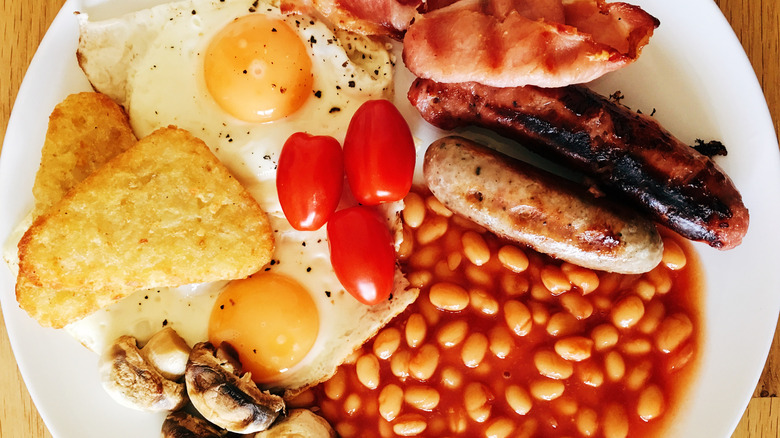
Many of us have been told that a big ol' plate of something fatty (say, steak and eggs, which was yours truly's favorite hangover panacea back in the day) can cure what ails you the next morning. Generally, though, oily foods are among the worst things to eat hungover. "The combination of unpleasant effects means you'll want to ease your pain as soon as possible, but bad food and drink choices might actually work against you," says Dr. Daniel Atkinson, clinical lead at Treated. "A greasy fry-up might seem appealing when it comes to getting you back to normality, but too much heavy, greasy food might leave you feeling bloated and sluggish." Plus, fatty meats and dairy products are difficult to digest, which may further delay your recovery.
Blen Tesfu adds, "Consumption of heavy, greasy foods may cause heightened nausea, indigestion, and bloating, and may make hangover symptoms seem even worse." Digestive distress from processing rich foods, on top of an already-overworked liver, is not calculated to improve your situation.
So, despite Gordon Ramsay's claims that a full English breakfast sandwich will cure a hangover, chances are that greasy food will only make it worse, so take care. That said, interestingly, you might help yourself avoid a hangover by taking a shot of olive oil before you begin partying. Consuming oil or fatty foods before drinking can slow down stomach emptying, potentially breaking down some alcohol before it hits the liver.
2. Spicy foods
Another terrible thing to eat hungover? Anything spicy, despite what you may have been told by the media or your great-uncle Harry. "There's little in the way of evidence to say that spicy foods can help you sweat out a hangover," Daniel Atkinson says. "While the food choices might not necessarily be unhealthy, food that's too spicy might upset your stomach even more if you're feeling a bit nauseous."
Moreover, Blen Tesfu adds, your stomach lining is likely already angry with you. Spicy foods may further inflame your gut when it has plenty of inflammation to deal with already, thank you very much. Further irritation from spices and hot sauces will only work against you. "This can easily cause heartburn, acid reflux, or simply more nausea," Blen Tesfu warns. It can even cause stomach cramps in severe situations. "You should avoid anything spicy until your system settles and you are fully healed." Usually, that means the next day.
And, without being too indelicate, let's acknowledge that things aren't always pretty on the ... um ... other end. "The same compound that makes spice hot, capsaicin, can stimulate intestinal activity and thus lead to pain or urgency," Tesfu says. If you want to rebalance what is already a sensitive system and a sensitive area, say no to a five-alarm curry until you feel top-notch.
3. Sugar
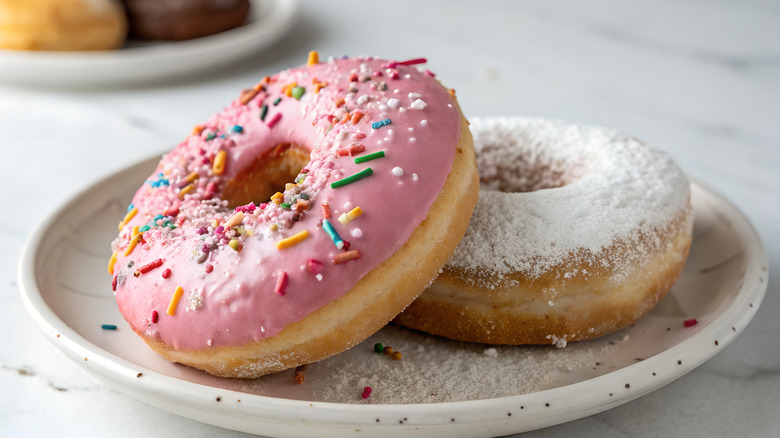
When you wake up irritated, pained, and wobbly, it's natural to turn to food for a quick fix, and you certainly wouldn't be the first to reach for a donut — if for no other reason than to eat your feelings of shame and regret. (Okay, not ALL hangovers come with shame and regret, but emotional eating plays at least some part in many hangover stories. Right?) Yet sugar is actually one of the worst things to eat hungover.
"Pastries, sodas, and other high-sugar foods and drinks cause a rapid blood sugar crash, which intensifies anxiety, fatigue, and irritability," Jessica Plonchak explains. Here's how it works: You put a bunch of sugar into your body, either through actual sugars or carbohydrates that quickly break down into simple sugars. These become glucose that quickly populates your bloodstream. For a brief period, you feel all "Yayyyy!" Then your body's like, "There's too much sugar in here, and sustained high sugar levels are bad for us. Better get it out." You produce insulin, which pulls sugar back out of the bloodstream (this is what diabetics cannot do), and this causes you to rapidly un-yay. Just like that, all the anxious feelings you were trying to avoid come right back home to roost.
"Although desserts might provide a short-term energy burst, these foods can make a hangover even worse," Blen Tesfu summarizes. "This rollercoaster can predispose your body to instability after spending the night drinking. Such changes can worsen fatigue and dizziness when a person has a hangover." Plus, sugar pulls water into the digestive system, further dehydrating the rest of you.
4. Acidic foods
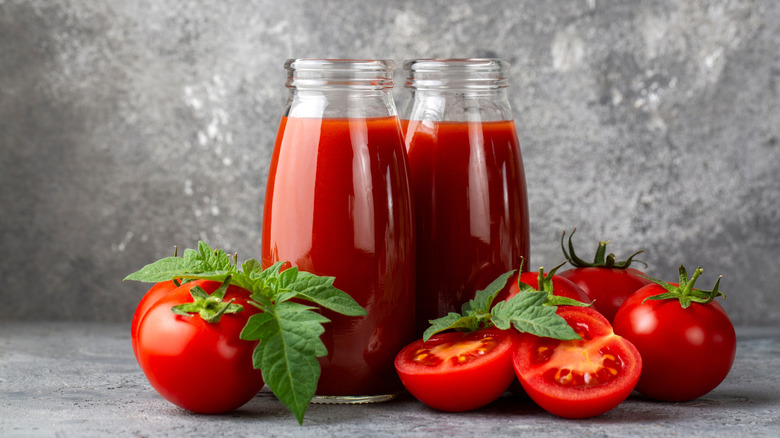
It won't surprise you to learn that acidic foods are among the worst things to eat with a hangover, and acidic drinks are no different. For instance, although a Bloody Mary — the classic combination of tomato juice, citrus, and vodka might seem like a good idea, it's actually one of the most deleterious hangover decisions you can make. (And that's before you include the Tabasco and black pepper.) While a glass of fruit juice or a brunch cocktail might seem like a good idea, it's not.
"Tomatoes, citrus fruits, and vinegar products can exacerbate acid reflux and a sensitive stomach," Blen Tesfu says. "These foods may also cause indigestion or a burning sensation in the throat and chest." Your body needs time to address the buildup of acid that is already a byproduct of a hangover before you add additional acids for it to deal with.
This extends beyond just drinks, though. Acidic foods are also to be avoided. While a bowl of fruit salad might seem like a balancing factor, helping to counteract the less-than-stellar decisions of the night before (and we're not just talking about your questionable dance moves), it could actually work against you. Most fruits are acidic, and while their presence in your GI tract can actually prove balancing in the long run, in the short term, you're still going to feel that acid. Wait till you're better to make that particular healthy choice.
5. Caffeine
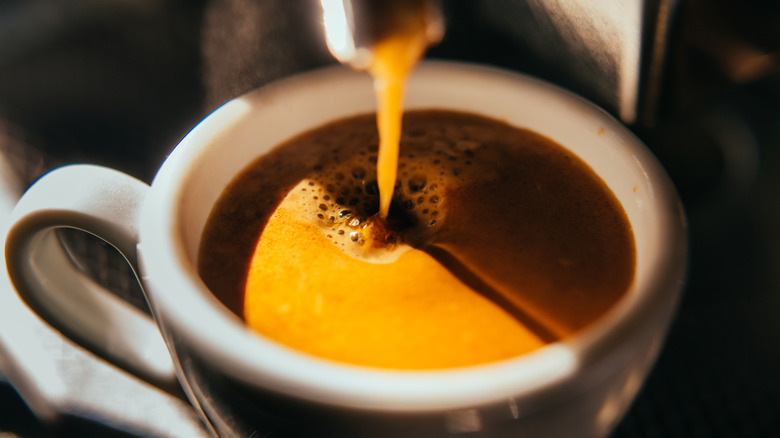
While this is admittedly an anecdotal comment with nothing concrete to back it up, it seems as though caffeine is the No. 1 recommendation for curing a hangover quickly. A cup of coffee is always good to get rid of a headache, right? And didn't my father always tell me growing up that two aspirin and a Coke were the secrets to instant hangover annihilation? (Yes. He did.) But, as it turns out, it's just another of the worst things to consume when you're hungover.
"Caffeine can make you feel alert, ease headaches, and give you an overall energy boost. But, like alcohol, caffeine is a diuretic," Daniel Atkinson explains. "Too much coffee might make you feel worse, so make sure you have plenty of water alongside it." Blen Tesfu agrees: "Caffeine has the benefits of short-term alertness and mood enhancement, [but] it can cause more loss of fluids when your body is in need of liquids most."
In addition, she says, caffeine can increase your heart rate and blood pressure, both of which worsen the jitteriness and anxiety that are the hangover's constant companions. She recommends total abstinence from caffeine. If you really can't do without, drink a minimal amount and use the energy to get out and get your body moving; gentle exercise has been proven to help tackle a lingering hangover better than a cup of coffee, and without the downstream effects.
6. Sodium-rich foods
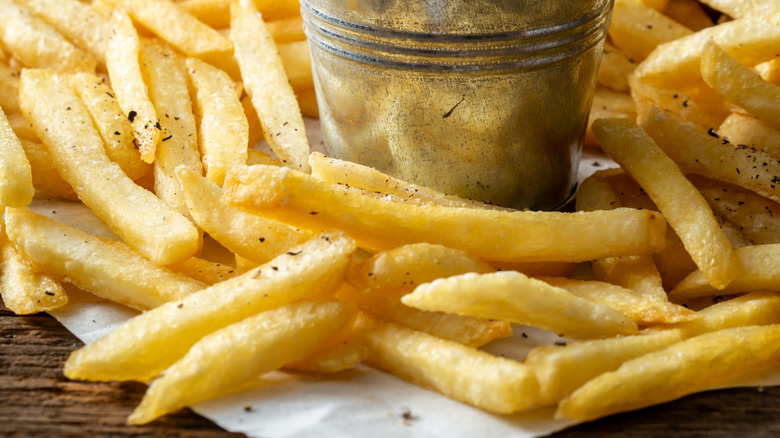
Salty foods, while tempting, are not the thing when you've got a pounding head and a roiling gut. There's a reason they look so appealing, though. "During a hangover, your body will crave lost electrolytes," Daniel Atkinson says. "One of these is sodium, so you might instinctively reach for the nearest salty snack. In moderation, this is usually fine, but like coffee, excess salt is the faster route to feeling even more dehydrated."
Now, that's not to say sodium isn't important. Electrolytes play a critical role in the body's ability to regulate itself and maintain the right fluid levels inside cells. They also carry electrical charges (hence the name), and when out of whack, your bodily balance can go off a cliff. It's no surprise, then, that the sodium-loving devil on your shoulder is pushing you toward a triple-meat hash of which Ron Swanson would be proud. While salty foods can drive you to drink — water, that is — they may also prove to be upsetting to the stomach, which is counterproductive.
The best bet is to eat regular food, normally salted, and drink lots of water in tandem. This will help you rehydrate, and your body will hold onto more water as a result of your increased sodium intake. Just don't go overboard.
7. Additional booze
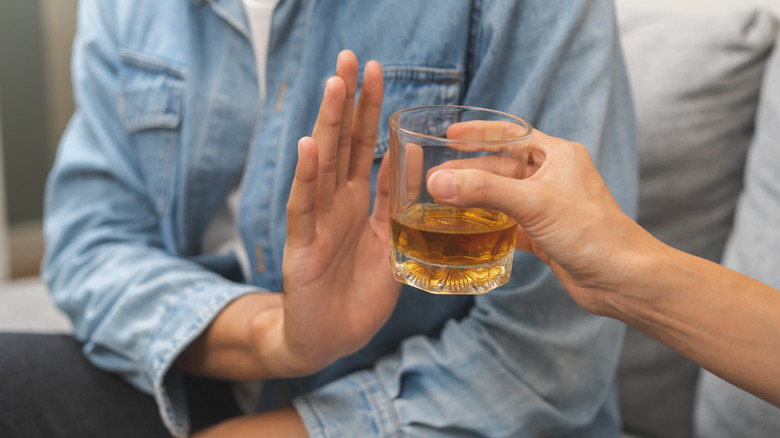
Now let's face it: Sometimes the best-looking thing on the menu is classic "hair of the dog," or the alcohol you drink the morning after to deal with the alcohol you drank the night before. (Who's confused? Not us.) Something about more booze just seems to lift the spirits and reduce the amount of pure, human misery you're feeling ... but it only works for a little while, if at all, and it will only prolong the recovery process. As Daniel Atkison says, "You're just delaying the inevitable and putting off your body processing what you've already drank."
In addition to kicking the can down the road, alcohol just adds more acid to the stomach, thereby increasing gastrointestinal discomfort. You should also steer clear of foods that contain alcohol, such as Jell-O shots or chocolate liqueurs, which might be slightly better than pure booze, but not by much.
Another myth is that the purer the drink, the better you'll feel the next day. For instance, the German beer laws, called the "Reinheitsgebot," dictate that only a few, high-quality ingredients must be used in the making of the country's libations. Supposedly, this can reduce the chances of a hangover, but it's unlikely to work that well. The only surefire way to avoid a hangover is to drink a reasonable amount, accompanied by lots of water and filling food. While that might harsh your buzz, it's going to majorly improve your outlook the next day.
8. Fizzy drinks
If you've ever woken up the morning after a binge-y night out and reached for the ginger ale, this might seem only natural. Fizzy drinks are billed as great for hangovers, helping relax your stomach and rehydrate you, but this is another dirty lie. "Sugary drinks might seem like the obvious cure for low blood sugar, but they won't be doing much for hydration," Daniel Atkinson says. "A small amount is usually OK, but too much can lead to your blood sugar crashing after the initial spike." If you're trying to avoid acid, fizzy drinks are also counterproductive, because they contain carbonic acid. While this is a relatively weak acid, it's still not going to help your stomach lining any.
Instead, focus on getting plenty of water into your system. You might also try the liquid IV mixed drink hack on your night out – this trick doses your body with electrolytes while you're still painting the town red. It might not prove an across-the-board curative, but it can't hurt.
9. Citrus
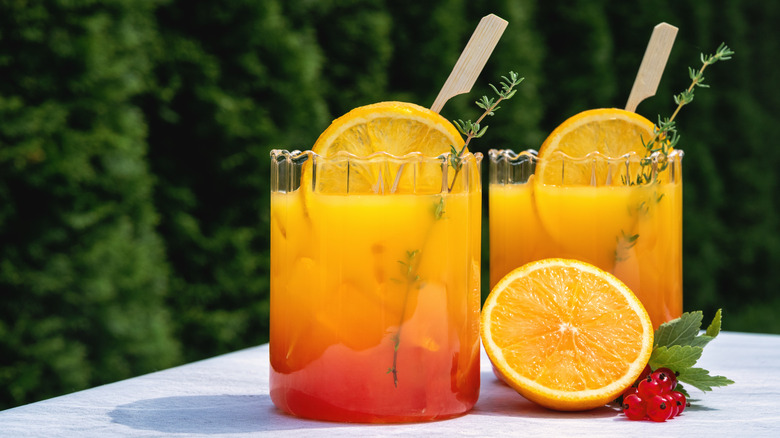
Citrus, much like acidic foods and alcohol, is just murder on the digestive tract, which is why it's another of the worst things to eat while you're struggling with a hangover. These foods can produce even more acid in your stomach, Blen Tesfu says, which is exactly what you don't need when you're trying to recover from a wild night. Plus, citrus can actually increase the rate of alcohol absorption in the blood. If you're still drunk from the night before — which can sometimes go hand in hand with your hangover, thanks to nature's mysterious ways — then this could slow down your healing even further. Ignore online hacks such as chugging lemon or orange honey water, salted citrus drinks, and any other zesty beverages that promise a quick fix.
The truth is, there is no fast and reliable method for getting rid of a hangover. It is a brutal physiological response to having put lots of toxins into your body all at once, and, unfortunately, you'll just have to ride it out. Instead of further irritating your stomach and risking aggravated nausea, Tesfu says, focus on gentle and nourishing foods that will boost your equilibrium as quickly as possible. Concentrating on a cure through good food and lots of water, rather than gimmicks, is the only real solution.
10. Processed or junk foods
It won't surprise you to learn that junk foods are among the worst things to eat hungover. "Highly processed fast foods lack the vitamins and minerals your body requires for recovery, making symptoms such as reduced energy levels and poor concentration last longer," Jessica Plonchak says. Blen Tesfu concurs, explaining that refined snacks typically include large amounts of salt, sugar, and unhealthy fat, none of which are on the list of things to eat when hungover. "These foods can hardly restore the vitamins and minerals that your body requires," she says. "It might even result in post-meal fatigue and gas, making a person feel worse. Eating nutrient-dense whole foods will assist in a quicker recovery."
Just what are these healing foods, you're wondering? Jessica Plonchak supplied us with a whole variety of nourishing options. Salmon is first on the list. "Decreased levels of B6 and B12 can aggravate the symptoms of a hangover, so make sure your body isn't deprived of these vitamins after heavy consumption of alcohol," she says. Salmon, being a rich source of both, is a great solution and helpful for reducing inflammation, too.
Chicken noodle soup is another stellar choice: easy to digest, loaded with light carbs and electrolytes, it's hydrating and soothing. Watermelon is also extremely hydrating and promotes blood flow, while pickles can replenish your electrolytes and manage nausea. Fruit smoothies with Greek yogurt bring antioxidants and healthy sugars, as well as protein, to the table. Next time you're suffering from a brutal hangover, reach for one of these instead of processed or junky goods.