

16 Tips For Picking The Best Spot For Your Garden, According To Experts
We may receive a commission on purchases made from links.
For many, the sixty-four-thousand-dollar question is whether it really matters where you put your garden. After all, can't it work anywhere as long as you give it a little elbow grease and a lot of love? Well, no. Not really. "Where you put your garden does matter," says Lindsey Chastain, homesteader and founder of The Waddle and Cluck. "Choose a spot that will provide the correct amount of sunlight, has easy access to water or can be reached by a hose, and will be easy to till and care for."
There are several questions you'll have to answer along the way, such as how much space you have to work with, whether you live in an urban setting or the country, if you have good or poor soil, and so on. It's important not to stress, though. "I promise that at least something will grow wherever you decide to plant, but the key is to prioritize light, water, and convenience, then work with what you've got," explains Nicole Johnsey Burke, gardening expert and the CEO of Gardenary. "Gardening is a process, and you'll learn as you go. Start where you are, and grow from there."
The question becomes, where are you now? You need a few simple tricks to assess your site, make a plan, and approach it intelligently. Luckily, Chowhound sat down with the experts to figure it out for you (and I've chimed in with my own extensive gardening experience here and there as well). Accordingly, here are 16 tips for picking the best spot for your garden.
1. Start small
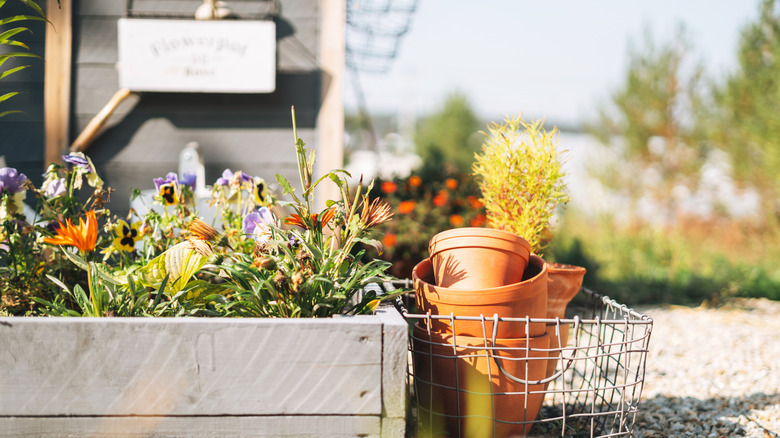
One of the best beginner gardening tips is, quite simply, to start small. While the maximum size you choose will be dictated by your yard or balcony, you should keep it minimal at first for your own sake. Let's say you want a veggie garden, for instance. "It is better to have success trying easier vegetables to grow in year one and expand as you continue the gardening journey," explains Adam Weiss, founder and certified master gardener at Pike Lane Gardens.
How well your garden does will also depend on where on your property you site it, says Lindsay Springer, director of Plants, Nutrition, and Digital Agriculture at Gardyn. "You'll have to match your plant selection to the environment to be modified," she says. That environment includes sun, soil, drainage, water, and temperature, among other environmental factors. If you put in a small garden, then it's not as big a loss if that area doesn't pan out the way you thought. If you go full-bore, you may end up with more disappointment and more intensive re-siting in the long run.
2. Let your plot dictate your plants
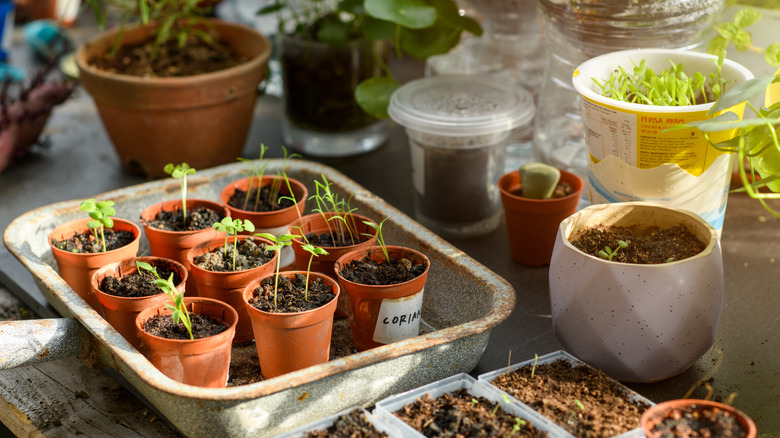
It's hard to dispute that choosing your plants is the most enjoyable part of the process. Who doesn't love going to the nursery and picking out everything they see like a kid in a candy store? The problem is, not all plants work well in all places — and in fact, some plants work really poorly in some places.
"The first layer of consideration is the climate zone that matches where you're growing," says Lindsay Springer. "If you're in Florida versus Montana, what you can grow and how is completely different." You have to know what works in your area, she says, because if you pick something that's totally wrong for your climate, it won't matter where in your yard you put it; it will still fail to thrive.
Once you choose the plants you like, see if there are any companion plant pairings that might work in that spot. Intercropping in the garden is a great way to maximize species in a minimal amount of space, thus helping you make better use of square footage.
3. Aim for flat ground
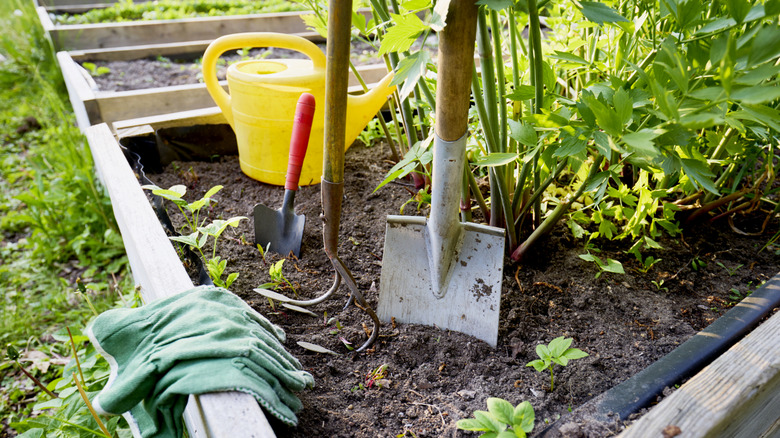
Ideally, you want a flat patch of earth in which to play. Level ground makes much of your job easier: controlling water, adding nutrients, weeding, and so on. It's especially important if you want to, say, install a raised bed for growing vegetables or herbs in the summer. That's not to say you can't garden on a hill, though, because people can and do all the time. (Speaking from experience, my garden has more hills than flat areas, and that's okay.)
In terms of tips for picking the best spot for your garden, if you've only got hills, you'll have to get creative. "If your ground is not flat, you can create a tiered or spiral garden instead of having flat beds," Lindsey Chastain says. Both of these approaches require a little landscaping know-how, essentially helping you turn sloped ground into flat gardening areas, à la rice paddies in Asia. Or you can take the more chaotic approach and just garden on a hill, but prepare for some plants to take to this better than others. Time — and a little online research — will tell you what works and what doesn't.
4. Understand sunlight requirements in different spots
"Sun matters," says James Mastaler, founder and CEO of Pistils & Pollen. Indeed, one of the most important tips for picking the best spot for a garden is to ensure your plants get the amount of sunlight they require, as dictated by their preferences, regardless of whether you're working with containers, raised beds, or in-ground gardening.
"Several vegetables like full sun, such as tomatoes, squash, peppers, cucumbers, and eggplants," Adam Weiss says. (He defines full sun as eight to 10 hours, whereas other experts say six to eight is okay.) "That said, you can plant your garden in an area that might only have three to five hours of sun, but still be successful growing partial shade vegetables like lettuces, arugula, beans, and some varieties of herbs." The same goes for ornamental plants as well; look up their requirements and site them accordingly.
You can use sun as a tiebreaker, Nicole Johnsey Burke says. "If you're stuck between a few spots, go with the one that gets the most sun," she advises. According to her, 60% of your decision should be based on light requirements. Be strategic, Lindsay Springer adds: "I had a two-tiered raised bed that had full-sun plants on top and partial-sun shade on the bottom, because the top section would shade the bottom."
5. Observe your yard over time
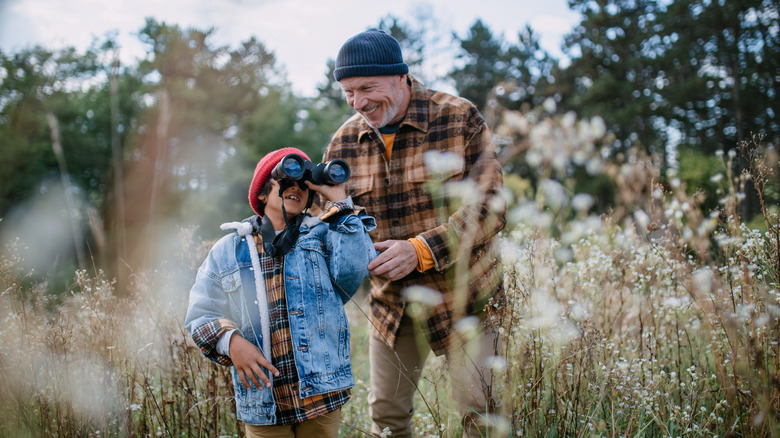
Picking the best spot for your garden means knowing your garden, and to get to know it, you need to scope things out. "Before setting up anything permanent, I recommend observing how the light moves across your space during the day and over the course of the season," James Mastaler says. "You'd be surprised how much changes." A spot that looks great all winter might be totally shaded by a nearby tree or your neighbor's house come midsummer, so take your time.
If you're jonesing to get started now, that's okay. You should still take a few weeks to study your space. "Notice where the sun hits, which areas stay soggy after a rain, and where your family tends to hang out," Nicole Johnsey Burke says. "I recommend making a simple map to track sunlight and possible obstacles." Include tall trees, water spigots, natural walking paths, areas that accumulate rain, critter hangouts, toxic trees (black walnuts come to mind), and sun.
6. Consider water when picking locations
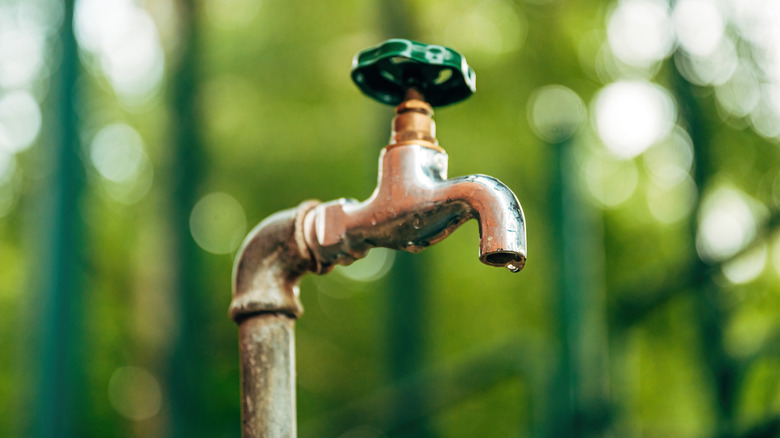
Water matters, but no one needs to tell you that. Vegetable gardens especially need water often, but every plant will need H2O sooner or later. Siting your garden closer to water also makes it easier to prepare it for vacation, because house sitters won't have to drag hoses all over town.
An additional 20% of your gardening site considerations should be based on water access, Nicole Johnsey Burke says. "I've learned this the hard way," she admits. "You don't want to be lugging heavy watering cans across the yard, because I can promise you it gets old really fast." If you'll need to take water farther afield, I can personally recommend the Suncast Hose Reel with Smart Trak Hose Guide. Two years later, and it has not let us down. A drip system also works well.
7. Choose the best soil
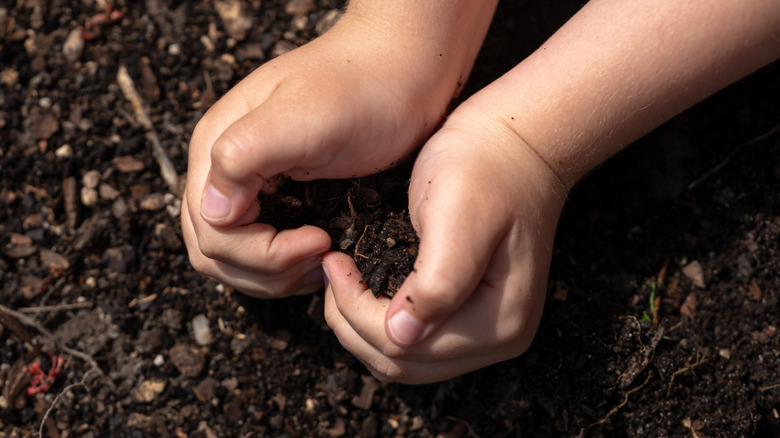
When it comes to tips for picking the best spot for your garden, soil is a biggie. Before you perfect it, you've got to understand it. "Soil quality plays a crucial part in plant nutrition and health," Lindsay Springer says. Everything from mineral availability to moisture retention to drainage will affect how well your plants do, and it all comes down to the interplay of sand, loam, and clay.
"Clay-rich soils are thick, clumpy, and cakey," Springer explains. "They crack when they're dry and pool water quickly when wet." They don't drain well, leading to waterlogging. On the other hand, loamy soils are loose and drain quickly, but don't hold onto water as long, so if you're living in a dry climate, you may need to water more often. Lastly, there's sand. "Sandy soils are gritty and loose and fall apart quickly," Springer continues. "They drain water quickly and may require more frequent soil checks and waterings." The danger here is that sandy soil won't hold onto water the way you need it to.
In addition to makeup, there are other factors to consider. Soil temperatures and acidity (measured by pH) are two others that matter, both of which you can test with a tool such as a 4-in-1 Digital Plant Meter. Lastly, no matter how great your soil is, you won't make good use of it if you hit rock 6 inches down, so do your due diligence.
8. Amend soil where necessary
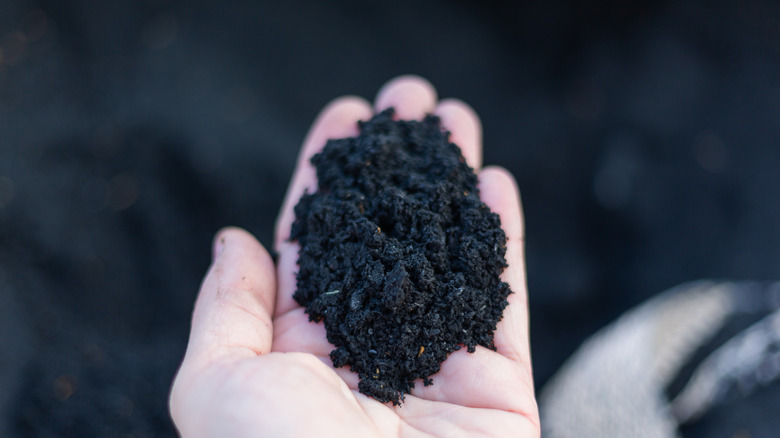
"Regardless of where you place your garden, it is essential that you have quality, aerated, and healthy soil," Adam Weiss says. The good news is that, if your soil is naturally pretty crummy, you can amend it. "For a new garden, make sure to purchase an organic garden soil as well as some form of compost." You should add it to your raised beds or the in-ground spots where you'll be doing your garden, helping improve drainage, increase the nutrient profile, and balance the pH.
Amending soil is also important for drainage. "Take a look after a big rain and see which areas dry out quickly and which stay wet," Nicole Johnsey Burke says. Areas that stay muddy could use some sand and loam to help with drainage. Areas that dry instantly need heavier inputs, such as compost and mulch.
9. Go for convenient locations close to daily life
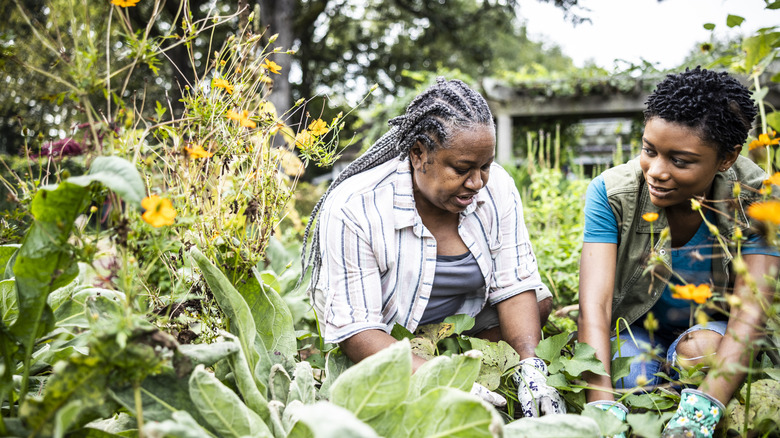
Look, no one's asking for extra chores in life. "You want to be close enough to your dwelling that it's easy to access and within a distance where you can observe," Adam Weiss. This not only helps you keep track of pests and run them off, but it also lets you enjoy your garden more easily. "The closer to the dwelling, the better."
To a certain extent, how close you want your garden to the house will depend on what they are. "Native plants, row gardens, and vegetable patches don't require daily tending, so those can be tucked out of the way," Nicole Johnsey Burke says. But with plants you want to harvest regularly and at their peak, "out of sight, out of mind" is bad policy. Even if you're only growing ornamentals, put your garden somewhere you can enjoy it ... like close to where you enjoy your morning coffee.
10. Keep edibles close to the door
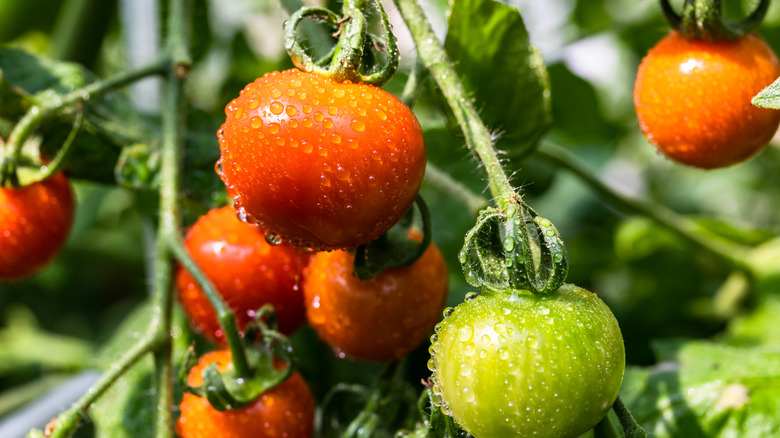
Veggie or herb grower? You might want to look closer to home when picking that garden spot. "If you cook frequently, placing culinary herbs and leafy greens close to your door makes harvesting simple and encourages frequent use," James Mastaler says. "Plus, the fragrance of basil or thyme on a breeze as you walk by? It's a delight." Nicole Johnsey Burke agrees that siting edibles near frequently used doors is a good idea. "Trust me," she says, "you're way more likely to snip fresh basil or parsley for dinner if it's just a few steps away."
Just make sure to keep insidious plants such as mint in containers. They spread like hellfire, and it burns twice as much when you realize you'll have to call in the pros to get it back out.
11. Don't dismiss container gardening
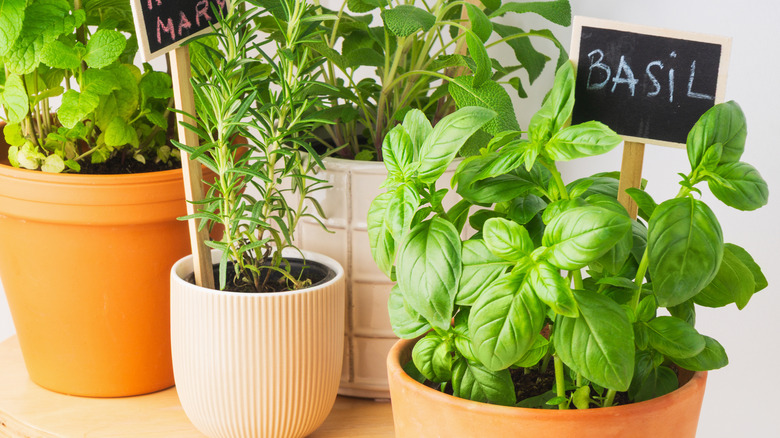
Many folks, when considering tips for picking the best spot for your garden, get wrapped up in wanting a "real" garden. However, just because you have a large expanse of lawn or hedge that could be a flowerbed doesn't mean you have to use it as such; you're perfectly free to grow in containers just the same.
Similarly, don't give up just because you have no green space whatsoever. "Don't let imperfect conditions stop you from growing," James Mastaler says. "I've helped hundreds of people start beautiful container gardens on balconies, fire escapes, and rooftops. Working with what you have is half the fun."
Indeed, it's even easier to garden in containers than in the ground. "Invest in buying a quality organic potting soil," Adam Weiss says. "It will be the difference between a healthy, thriving container garden versus one that will not produce and could be more susceptible to plant pests and disease." If you don't want to invest in real containers, Gardzen 10-Gallon Grow Bags can do the trick, too.
12. Marry beauty and function
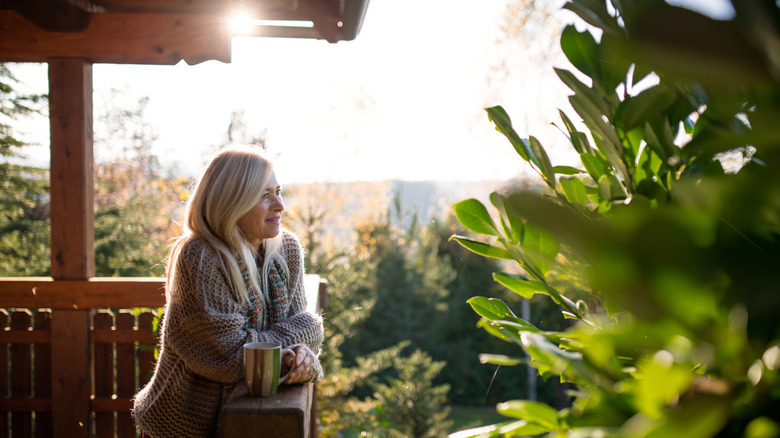
Among the top tips for picking the best spot for your garden is to make sure you consider aesthetics. Nicole Johnsey Burke puts it more succinctly: "Let's be real. You're more likely to take care of your garden if it looks good and feels inviting." To encourage your own investment, put it somewhere you'll see and spend time, such as near a patio or along a walkway. "I like to add a few extras around the beds, like potted herbs, a small fruit tree, or a birdbath." These are simple touches, she says, but they keep the garden from feeling like an afterthought.
Prioritize beauty even in more functional areas, like your vegetable garden. "I'm a big fan of potager-style gardening — intermixing pollinator-friendly flowers like calendula or nasturtiums with your vegetables," James Mastaler says. It keeps the space inviting and brings in beneficial insects to control pests and increase biodiversity. Jewel Mix Nasturtium Seeds are a great intercropping species.
13. Check municipal or county regulations
Like it or not, the government has a lot more power to tell you to shove it than you do it, so it's better to make sure everything you do is aboveboard. When you plant trees, make sure you choose locations well clear of unauthorized areas, power lines, cable lines, and so on. And if you want to take a tree down, most urban forestry departments have just as many rules about it, if not more. Never shoot first and ask questions later; it can really come back to bite you.
Instead, always check permitting in your area. "If you are planning on building a permanent structure like a shed or greenhouse, it's always a good idea to check with the city to see if permits are required," Lindsey Chastain says. Similarly, you will want to check with your city or county's environmental department to see if there are any banned invasive plants, toxic species, or other limitations.
14. Before picking, factor in critters and pests
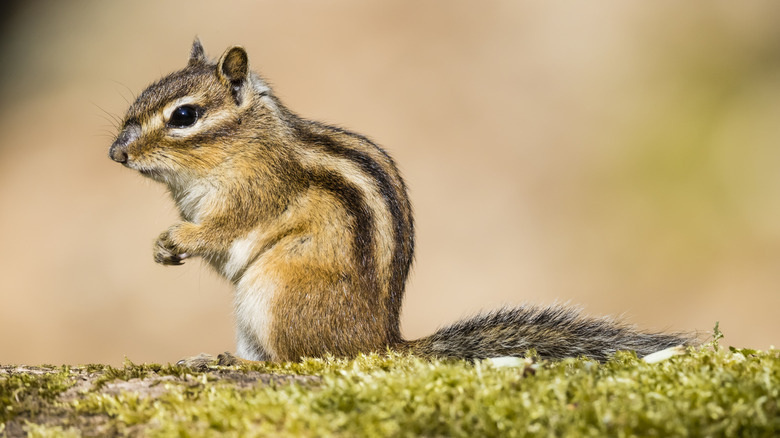
Ah, the critters. They want your veggies and stopping them can take a lot of work, so it's better to build solutions in at the beginning. "Learn the animals and insects common in your area," Lindsey Chastain says. "We have rabbits for days who love to eat our veggies, so some netting is required to keep them from munching on the veggies." Other predator-proofing may include fencing, hardware cloth, or row cover. Check out products such as AlpineReach Heavy Duty Garden Netting or FARAER Garden Netting.
To deal with insects, consider planting marigolds, alliums, or other plants that ward off specific insects. Ideally, your gardening activities should avoid producing large piles of detritus or unweeded patches, which can attract pests. Siting veggies near shaded areas, woodlands, or rock piles is also an invitation to burrow-dwelling creatures, I've found, so try to put them more out in the open and keep the area clear. "A little prevention goes a long way," Nicole Johnsey Burke says.
15. Think about equipment access
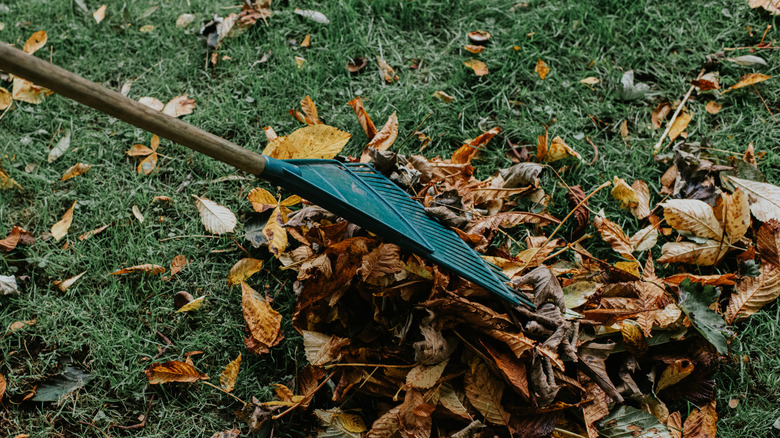
Equipment definitely factors into the tips for picking the best spot for your garden. "If you're banking on using a wheelbarrow or a hose to water your garden, the pathways between your beds had better be big enough to maneuver a wheelbarrow, and the hose better reach the garden," Lindsay Springer says. Similarly, Nicole Johnsey Burke says, watch out for stairs, annoying gates, uneven ground, and other obstructions to daily use. These might seem like small issues with simple solutions later, but they're often not.
If you need to, create a new solution. "Because my garage was really far from my garden site, we opted to buy some tool storage so I wouldn't be tracking shovels, bags of mulch, pots, or other gardening necessities across the yard each time I needed them," Springer explains. Instead, they kept everything in the shed, where it was nice and convenient. Sure, it takes a bit more upfront planning, but it's worth it in the long run.
16. Do what excites you
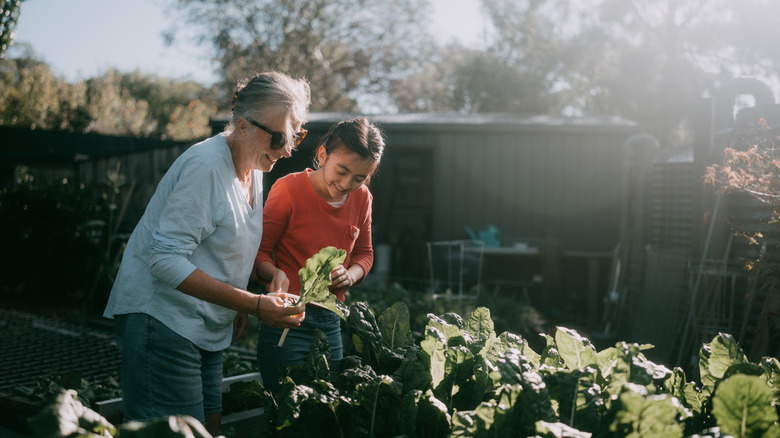
Any gardener will tell you that your own enjoyment should be at the top of the list of factors when it comes to picking a garden spot. "At the end of the day, I always ask: What are you excited to grow?" James Mastaler asks. "Which foods or herbs feel like a treat to harvest fresh? Prioritize those, even if they're a little trickier."
And, ya know, just calm down. "Grow a little extra to account for shared nibbles with insects or wildlife," Mastaler advises. "If a garden isn't bringing you joy, it's harder to maintain," Mastaler sums up. "But when it feels like an extension of your home and lifestyle, it becomes a place you want to return to again and again."