

9 Tips And Tricks For A Better Pan Sauce
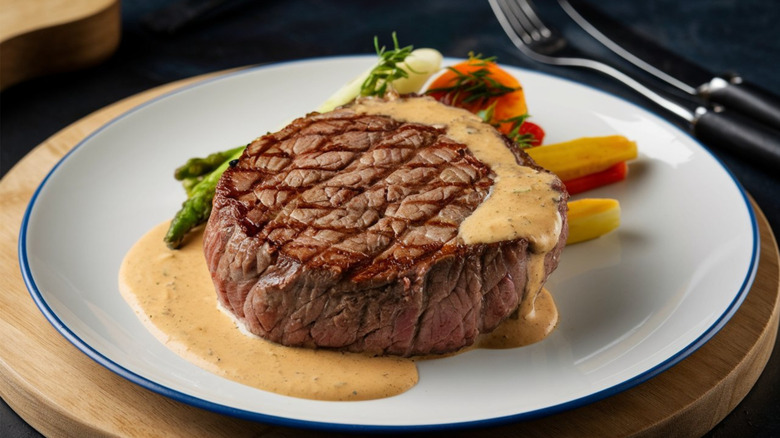
Have you ever noticed when dining out that the steaks, racks of lamb, chicken, and pork chops are adorned with beautiful, silky sauces? A good pan sauce can take a simple plate from basic to elevated, adding texture, visual appeal, and loads of flavor. A rite of passage for any line cook working a sauté station in a good restaurant is learning how to execute a perfect pan sauce, and I have had to master this skill over the course of my cooking career. It's a simple, yet nuanced technique that transforms a basic home-cooked steak into something glamorous and professional.
The beauty of a pan sauce is that it saves you having to dirty a lot of pots, with the idea being that you use only one pan to cook your meat (or vegetables), transfer your meat to another plate to rest, and then utilize the flavorful bits of "fond" or caramelized crumbs that stick to the bottom of the pan as the basis for a delicious sauce. It's all about building flavors in one pan and finishing off your dish with the sauce of your dreams.
1. Start with a plan
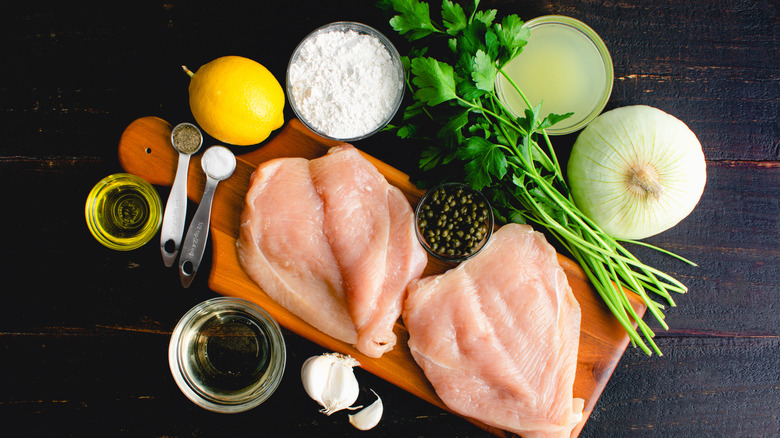
Before you put that pan on high heat to sear your meat, think about what you want your finished plate to look and taste like — this way, you can gather all your ingredients ahead of time. The idea with a good pan sauce is to have everything reduce relatively quickly while your meat rests — timing is crucial. If you don't have your wine or stock ready to throw in at the proper moment, the fond could burn and ruin all that precious flavor.
If you plan to use onions, shallots, garlic, or other vegetables to start your sauce, dice them ahead of time. Choose the appropriate wine, liquor, or stock that suits your protein and have it ready to go. If you've ever heard the term "mise en place," or the principle of having everything in its place, now is the time to exercise it. Consider using a small sheet tray to load all your sauce-making items onto and keep them organized.
2. Fond is your friend
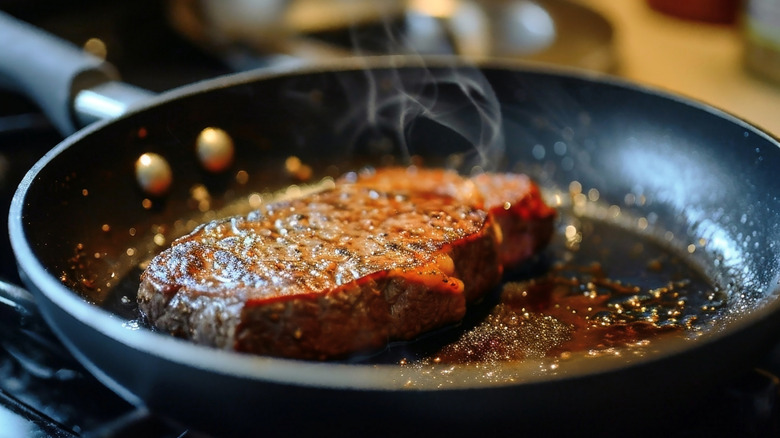
With your pan on the stove, the first step in building your sauce is to nurture a flavor-packed fond. Fond is a French term that refers to the caramelized food residue that clings to the bottom of your pan while searing. While the amateur cook may think their pan is burning, the seasoned chef will let that flavor build until the perfect moment before deglazing and transforming it into a stunning sauce.
To let your fond grow, avoid using non-stick pans. Given that you do, in fact, want that fond to stick, you'll ideally use a solid stainless steel pan that conducts heat well and is perfect for simmering liquids.
Once you have the right pan, the main trick is not to let your fond burn. When searing a piece of meat on high heat, it's possible that the empty spaces in the pan may become too hot and lose moisture. If you run into this problem, fill in the gaps with diced onion or shallots to add moisture to the pan and flavor to your fond.
3. Build your flavors from the start
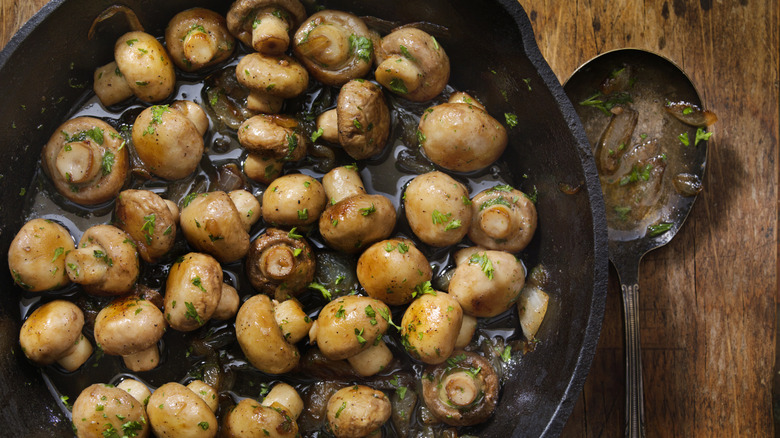
While the fond from seared meat is umami-loaded all on its own, you can build those flavors even more by adding aromatic elements. Alliums like shallots, onions, leeks, and garlic will add sweetness and round out the flavor of your sauce. Add diced or sliced shallots once you remove your meat from the pan and allow them to become transparent or even caramelize before gently browning your garlic. Mushrooms, peppers, ginger, and toasted spices like peppercorns are fantastic ingredients for building flavor.
After adding your choice of vegetables, consider using a flavor-concentrated paste like lobster base, tomato paste, black garlic, or miso paste to add a punch (just keep in mind that some of these ingredients are packed with sodium, so avoid adding too much extra salt). Toast the paste lightly in the pan and let the bottom of your pan caramelize before deglazing.
4. Don't be afraid to thicken your sauce
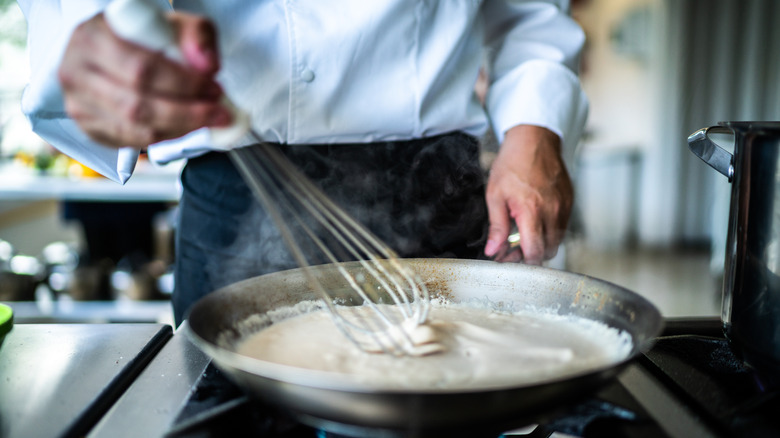
There's nothing better than dipping a perfectly cooked, tender piece of meat into a creamy sauce that luciously coats each mouthful. Choosing the right thickening agent really comes down to the texture you want to achieve — have you ever had a Croque Madam, the classic French breakfast sandwich that's smothered in bechamel sauce? Similar to gravy, bechamel is thickened with flour, allowing it to smoothly coat any food with ease. You can use flour in your pan sauce — toasting it in fat before adding wine or stock — if you're looking for a thicker, more textured finish.
Cornstarch is an easy alternative to flour. You would typically make a slurry of broth and cornstarch and mix it into your sauce towards the end of preparation. Once brought to a boil, the cornstarch will thicken your pan sauce and give it a slightly gelatinous consistency.
If creamy is what you're craving, add your desired amount of heavy cream to your sauce after the broth has reduced, and gently continue reducing it until you've achieved the desired thickness. To make your sauce silky and smooth, opt for the classic French technique of mounting cold butter. Removing your sauce from the heat, gradually add cold butter while stirring continuously. The fat from the butter will emulsify with the liquids in the sauce to create an unparalleled silky mouthfeel while thickening it enough to coat every bite of your food.
5. The better the booze, the better the sauce
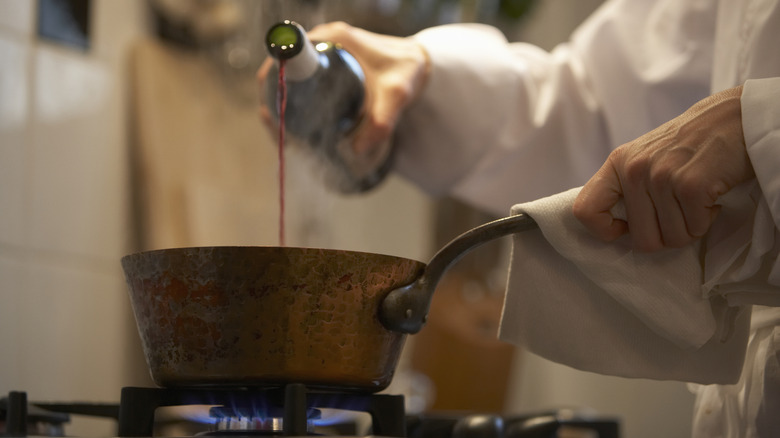
The key to deglazing your fond, or lifting it from the bottom of the pan to transform it into a sauce, typically starts with a little booze — although if you don't drink, you can easily skip this step and deglaze with stock instead (just make sure to compensate for the lack of acid with a splash of vinegar or lemon juice). The general rule of thumb is to use a wine or liquor that you enjoy the taste of, as it will be reduced down to a concentrate, and the quality of the alcohol will inevitably influence the flavor of your sauce.
For red meats, stick to full-bodied reds or dark liquors like brandy and bourbon, as these rich flavors will complement heartier meats well. Beer can certainly be brought into the picture as well, with darker beers like ales and stouts creating a rich aroma when reduced down with your fond. For white meats like chicken, turkey, and fish, stick to complementary light white wines, vermouth, or even sake. Ideally, the white wine of your choice will be crisp rather than sweet, as the sweetness could become overbearing when reduced.
6. Take stock of the situation
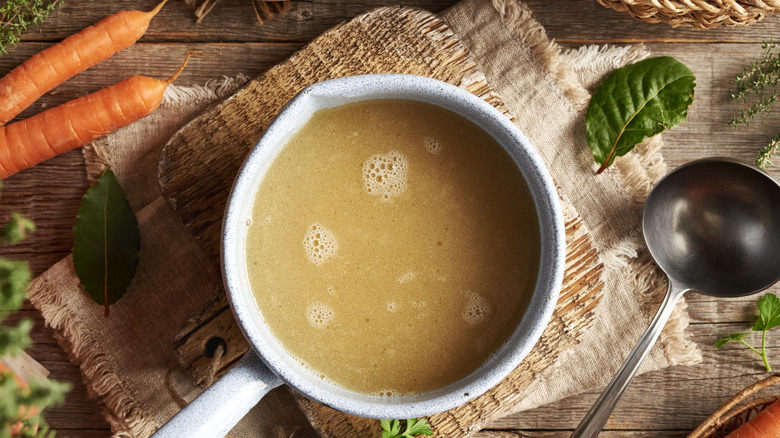
By now, as the liquor reduces with the aromatics and spices, your sauce has probably started to fill the kitchen with a delicious aroma. The smell of wine (or brandy) will be perfectly complemented by a hearty splash of stock or broth. If you're cooking steak, a hearty beef broth will continue to build on the rich flavor of your meat, not to mention bulk out the sauce so that there's more of it to go around. You don't necessarily need to use the same kind of stock as the protein that you're cooking, though — a chicken stock will do just fine with red meat in a pinch.
Homemade stock is always ideal, as store-bought stocks typically aren't simmered for as long and don't contain as many flavors (like onion and thyme), which you can incorporate in your own kitchen. But if you don't have any beef bones or chicken carcasses lying around, consider adding a bit of gelatin to a store-bought stock. Gelatin is what's released from bones in a homemade stock, and is the reason why stock that you make at home will usually gel up and become thick when chilled. Adding a bit of gelatin to store-bought stock will imitate the mouthfeel of authentic bone broth and make the consistency of your sauce thicker and all the more enjoyable.
7. Don't forget the finishing touches
You're almost there. Your sauce is nearing the final stages and just needs a few finishing touches to achieve restaurant-quality greatness. If you haven't yet added a thickening agent such as cornstarch, cream, or butter, now would be the time to do so (once your stock has reduced to the desired consistency). If you're using cream, make sure to continue reducing it so your final product doesn't come out too loose or runny.
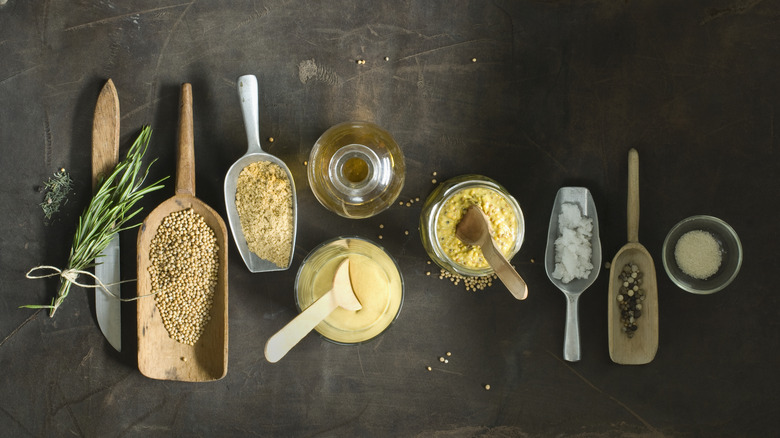
Finally, taste your sauce and keep building those flavors. Seasonings like oregano, finely chopped chives, dill, and thyme are just a few options for rounding out the richness with a bit of herbaceous freshness. If your sauce lacks acid, add a dash of vinegar or a squeeze of citrus juice. A dollop of mustard (or pesto for a creamy pasta sauce) will go a long way in rounding out flavors and elevating your dish.
8. Smooth or chunky, it's up to you
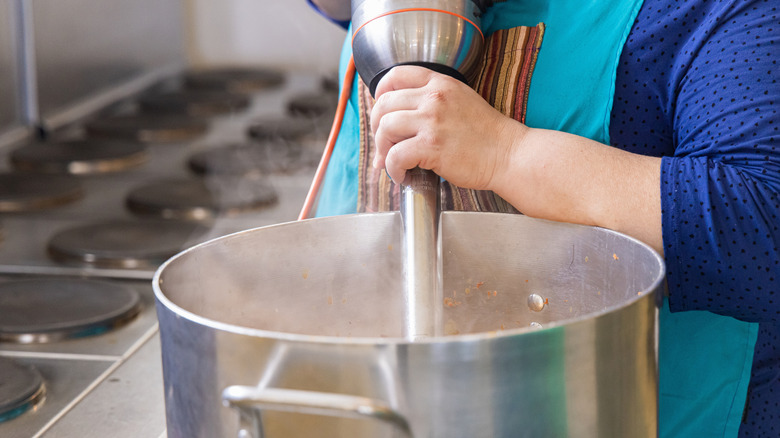
You may enjoy the texture of tiny pieces of diced shallot and roasted garlic mingling in your dish, but the aesthetics of a perfectly smooth sauce are undeniably pleasing. Those little pieces of onion add loads of flavor, but if you'd rather have a silky sauce that pools on the plate smoothly and glosses each piece of meat with a perfect shine, you can easily find a middle ground by blending your sauce on completion.
Either cool your sauce slightly before transferring it to a blender, or whip out a handy immersion blender and give it a few spins. To ensure that your sauce is perfectly creamy (as many restaurants do), strain it through a fine mesh sieve back into a clean pan to weed out any remaining bits and pieces. Bring it back to the heat, and finish plating your professional-level dish.
9. Don't sweat a broken sauce
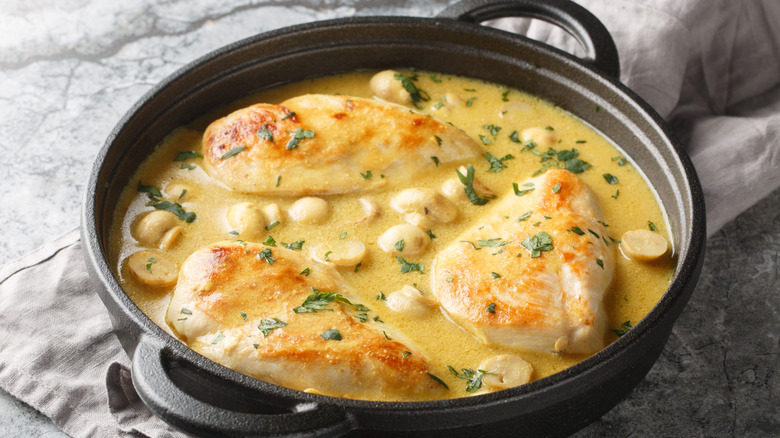
Occasionally, you may find that your sauce takes on an unusual look — fat pooling or shimmering on the surface is a sign your sauce has broken. The basis of your sauce is an emulsification — fat and water molecules bind together to create a creamy, smooth texture (similar to making mayonnaise). If it loses its even, creamy glaze and starts to look oily or split, it means the emulsification has broken apart.
The most common reason a pan sauce breaks is that it has been over-reduced. If too many water molecules evaporate, there will be an excess of fat molecules that have nothing to bind to, causing them to pool on the surface. This not only impacts the look of your sauce, but can also make the flavor and mouthfeel less enjoyable. You can correct a broken pan sauce pretty easily by adding a bit more of your stock. If you didn't use a stock, add water instead. Slowly bring the sauce back up over the heat while stirring continuously to re-emulsify the fat and water molecules. It should easily meld back into a smooth, heavenly texture that's perfect for elevating dinner plates.