

13 Best Low Alcohol Wines That Should Be On Your Radar
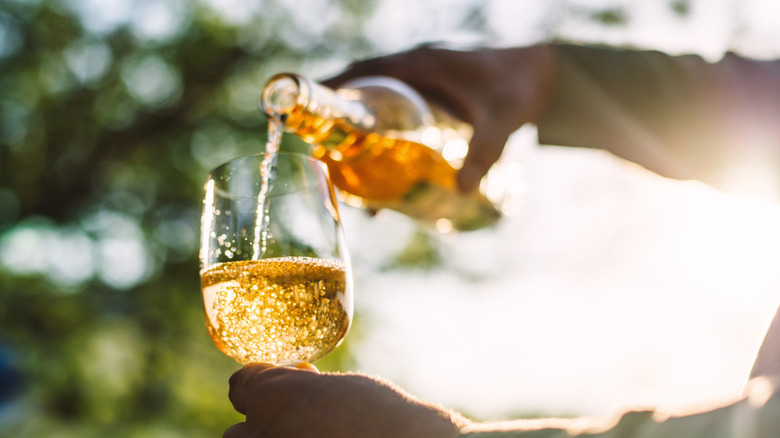
As someone who's spent the better part of two decades tasting, writing about, and generally obsessing over wine, I've developed a deep appreciation for balance — not just in the glass, but in life. I sip while I prepare dinner for my family, explore pairings with every meal, and love a cheeky lunch (sometimes breakfast) wine. I also hate skipping workouts and need to be on my a-game professionally every day. Even so, overindulgence can be an occupational hazard in this business, so I've found myself eyeing wine's alcohol levels more and more these days. I do love me a luscious California Chardonnay, but at 14.5% ABV, I'm starting to think twice.
Thanks to the effects of climate change, evolving winemaking styles, and consumer preferences for plush, ripe flavors, the average ABV of wines has risen steadily over the last few decades. But studies show that younger generations are drinking less, with the percentage of adults under 35 who report drinking dropping ten percentage points in two decades, according to Gallup data.
Enter low-alcohol wine. Not the stripped-down, zero-proof stuff, but real-deal wine with real-deal flavor, just crafted to be a little lighter (typically in the 6–10% ABV range). Some producers use cutting-edge dealcoholization tech, like vacuum distillation and reverse osmosis, to literally remove alcohol from wine. Others rely on terroir, early harvests, or smart vineyard strategy to keep things naturally chill.
These are wines that fit into real life, whether that includes chasing after feral toddlers all day, sitting through meetings that definitely could have been emails, or training for your first marathon, and everything in between.
1. Clif Family Winery Vino del Pranzo
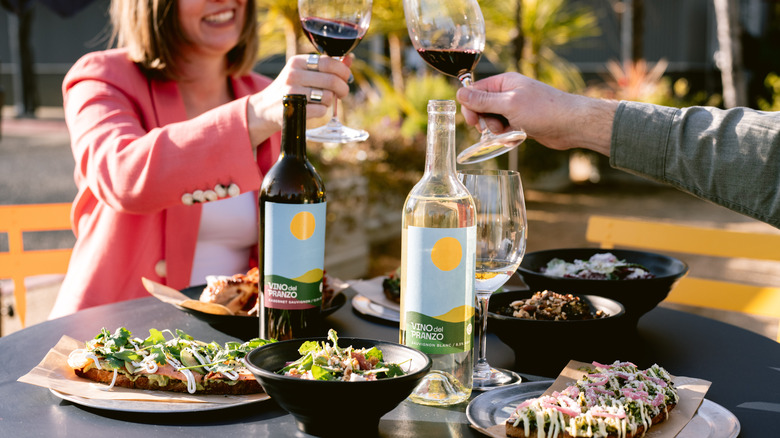
We've all shoved a Clif protein bar in our mouth after getting hit with a sudden bout of hangriness out on a hike or other athletic endeavor (or just a particularly long Target run). Vino del Pranzo, created by the same folks who brought you these tasty snacks, addresses a similar need. Founders and avid cyclers Kit Crawford and Gary Erikson created Vino del Pranzo (Italian for "lunch wine") as a way to balance their active lifestyle with the simple enjoyment of wine alongside a meal. These well-made wines are a romantic nod to the European way of living that they often encountered while cycling through Italy, where they would punctuate long, scenic rides with leisurely, wine-filled lunches.
The lineup includes two organically farmed wines from the Oak Knoll District of Napa Valley: a Sauvignon Blanc and a Cabernet Sauvignon, clocking in at 8.5% and 12.5%, respectively. Both are produced by winemaker Laura Barrett, who manages irrigation and canopy growth in the vineyard to slow ripening, picks earlier to reduce sugar levels resulting in lower alcohol in the finished wines, and uses gentle vacuum distillation to reduce alcohol levels while preserving aromas and flavors.
The wines hit like a salad instead of a cheeseburger at lunch. They're quaffable and fun, and light on their feet without being insipid. Whether you're sipping while picnicking in the park or dining al fresco at a villa in Tuscany, they overdeliver without requiring an afternoon siesta.
2. Ventessa by Mezzacorona
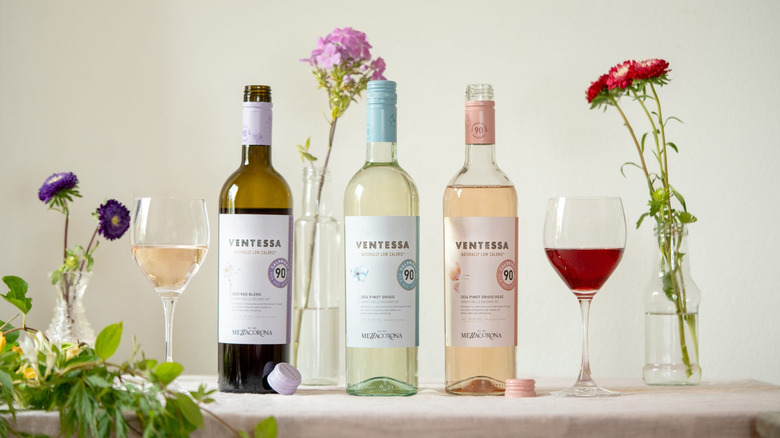
This Trentino-based brand from well-known Italian cooperative Mezzacorona delivers naturally low-alcohol wines — without the use of any de-alcoholization technology. Thanks to high-elevation vineyards and the unique climate of Trentino — a region in the northern, mountainous part of Italy — which has sunny days moderated by "Ventessa" winds and cold nights, grapes ripen slowly, developing full flavors without soaring alcohol levels. This natural environment, coupled with hand-picked grapes and traditional winemaking techniques, yields wines that all stay under 9% ABV without losing their alpine brightness or varietal character. Of all the low-alcohol wines out there, Ventessa's bottlings are as close to the full-strength stuff as it gets.
The brand launched with a Pinot Grigio and a Rosé and then released a soft, lip-smacking red made from a blend of native Italian grape varieties. All are brilliantly food-friendly and equally at home sipped on their own as they are served alongside a hearty meal. And, at such a modest ABV, not to mention only 90 calories per serving and an affordable price-point of around $12 a bottle, the whole Ventessa lineup could very well become your entire house wine selection.
3. Brigid by Forrest Wines
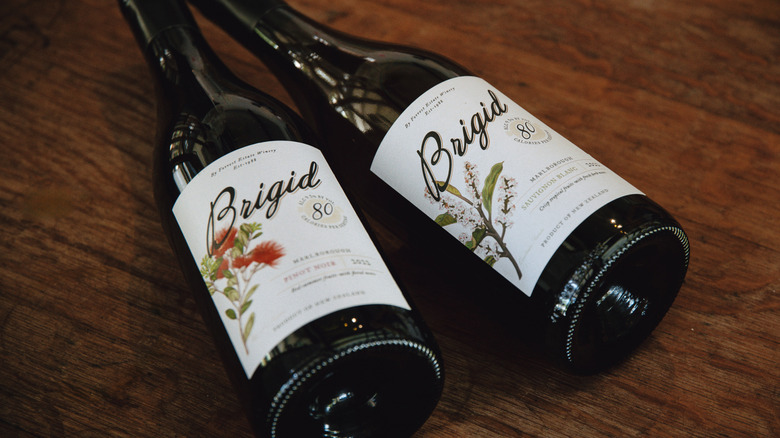
You know when a winery was started by two doctors, someone there probably has their finger on the pulse of mindful consumption. Brigid is a new label of naturally low-alcohol wines from New Zealand's Forrest Wines, which was founded in the late 1980s by Drs John and Brigid Forrest, PhD in Neurophysiology and a 30-year medical doctor, respectively. The family was an early pioneer in the New Zealand screwcap wine movement, and is now setting a new standard for expressive, low-alcohol wines that are definitely hitting the mark in the better-for-you category.
Rather than leaning on tech or tricks to cut the booze, they're doing it in the vineyard. Through careful management of the vineyard canopy, the team figured out how to dial back ripeness without sacrificing flavor. As Winegrowing Manager Beth Forrest puts it, they've "developed a new viticulture practice that restricts the energy the plant has to produce sugar by limiting the leaf area to fruit weight ratio, eliminating the need for genetic manipulation."
The result? A Sauvignon Blanc and a Pinot Noir, each at just 9.5% ABV but still achieving big flavor. The Brigid Sauvignon Blanc ($19.99) is quintessentially Marlborough: packed with zesty citrus, fresh-cut grass, and passionfruit, but with a softer palate. The Brigid Pinot Noir ($24.99) is just as tasty, brimming with juicy red fruit, floral lift, and enough earthiness to keep things interesting. Both are proof that less alcohol doesn't have to mean less personality.
4. Bread & Butter Sliced
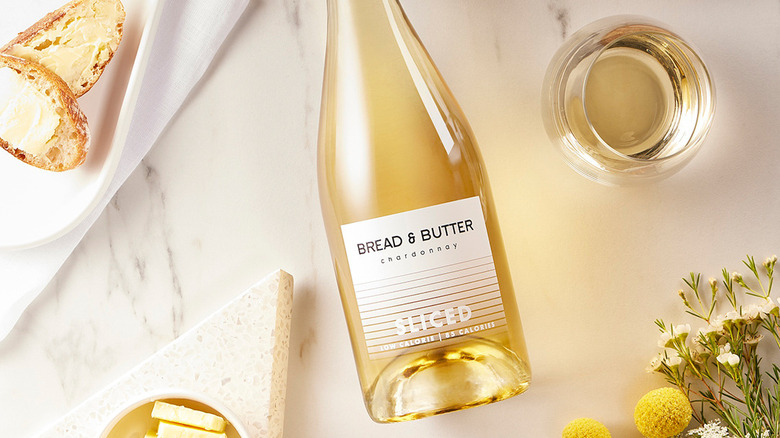
This offshoot of the grocery store staple Bread & Butter aims squarely at the lifestyle wine crowd. The cleverly-named Bread & Butter Sliced wines promise fewer calories, lower alcohol, and an easy-drinking, brand-forward approach for those who just want a glass that pairs with dinner and doesn't punch back. At 9% ABV, with only 85 calories and less than a gram of sugar per serving, this wine fits neatly into the relatable, "I want flavor, but I also want to function tomorrow" category (hi, it me).
"The inspiration for Bread & Butter Sliced Chardonnay came from our consumers' evolving preferences," says winemaker Linda Trotta. "We've observed the growing trend of moderation, especially among younger wine drinkers." The goal? "To create a wine that has the same balanced, buttery taste that many Chardonnay lovers seek, but lighter on the palate with fewer calories and lower alcohol."
The brand uses reverse osmosis to remove a portion of the alcohol before bottling. And since alcohol is generally the main contributor to calories in wine, Bread & Butter is "sliced" in more ways than one. Turns out, when it comes to wine, you can be all things to all people.
5. Chateau Ste. Michelle LIGHT
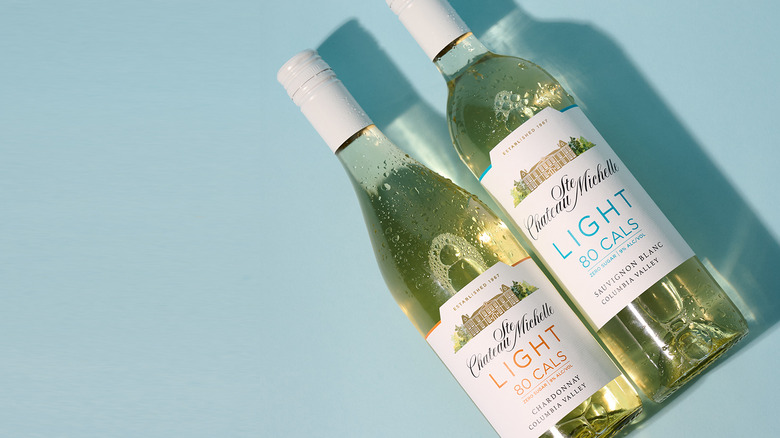
Chateau Ste. Michelle LIGHT is what happens when a legacy brand decides to meet modern drinkers where they are, without losing what made it iconic in the first place. With over 50 years of winemaking under its belt, Washington's founding winery has introduced two new low-alc options: a Sauvignon Blanc and a Chardonnay, each at 9% ABV and 80 calories per glass.
The LIGHT line sources fruit from cooler pockets in the Columbia Valley and Horse Heaven Hills, where grapes can ripen with vibrant flavor at lower sugar levels. "The inspiration behind our Chateau Ste. Michelle LIGHT Chardonnay and Sauvignon Blanc came from a desire to offer consumers a lighter option that still delivers on taste and quality," says Katie Nelson, vice president of winemaking for Ste. Michelle Wine. "Many wine lovers are seeking options that fit into their lifestyle without sacrificing the complex flavors they love."
For LIGHT wines, a portion of alcohol is gently removed from 25% of the total volume and added back to the base blend, resulting in a lower alcohol wine that still offers texture and flavor. The result? A crisp, citrusy Sauvignon Blanc with tropical lift, and a soft, oak-kissed Chardonnay layered with lemon, apple, and ripe apricot.
6. Liquid Light
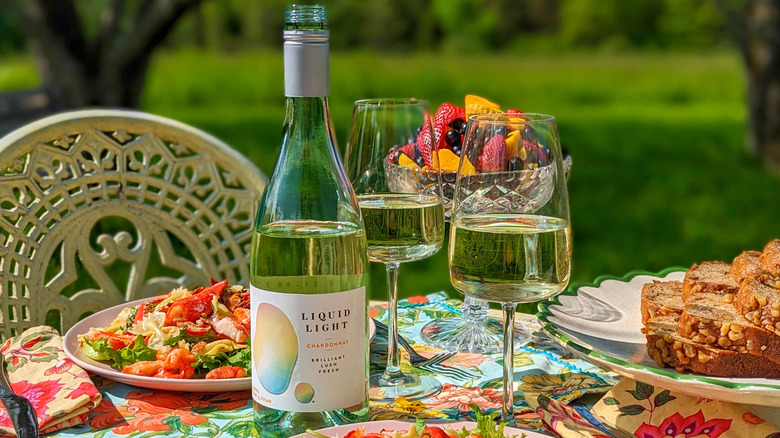
Liquid Light's less-is-more ethos comes through in the bright, straightforward labels noting what's in the bottle — no filler — as much as it does in the juice itself. Based in Washington State, Liquid Light focuses on wines that feel fresh and lifted; lower in calories and sugar, yes, but still full-throttle when it comes to fruit and acidity.
Liquid Light has one of the most diverse product lineups in the category. The recently released Pinot Grigio comes in at 95 calories with no added sugar, delivering a bright pop of citrus, orchard fruit, and florals. It joins a lineup that includes Chardonnay, Rosé, and Sauvignon Blanc, as well as two sparkling options — a Brut and Brut Rosé — each offering a bright, fruit-driven profile with a lighter touch and a focus on refreshment over richness.
Unlike many light wines that end up tasting like the ghost of their grape, Liquid Light wines show character and varietal precision. They're flavorful, straightforward, and dialed into the way a lot of people drink today — mindfully, but not joylessly.
7. Giesen Pure Light
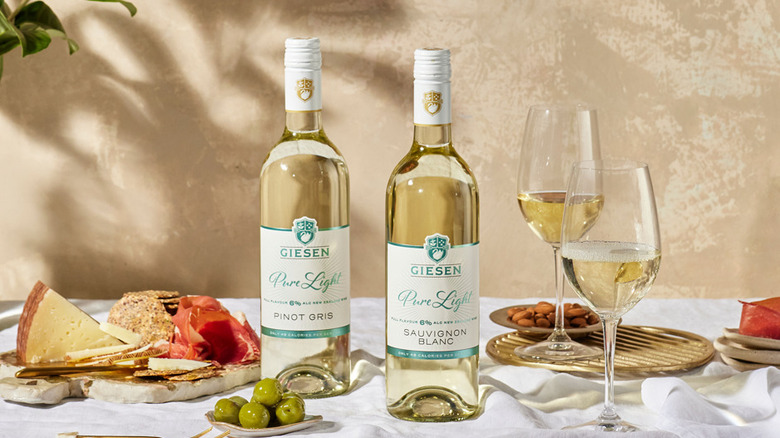
One of the first producers in Marlborough to lean hard into the low-alc space, Giesen's Pure Light Sauvignon Blanc might just be one of the most dialed-in options on the shelf. This isn't a wine that just happens to be lower in alcohol; it's intentionally crafted to be that way, clocking in at just 6% ABV with 45% fewer calories than your typical Marlborough Sauvy B.
The wine's got classic New Zealand style — think lime, grapefruit, and mouth-watering acidity — with a lighter footprint but full varietal expression. Fermented in stainless steel and aged on lees for three months to build texture, it's got body and freshness in equal measure. It's crisp, clean, and easy to sip without the usual commitment of a higher-octane white.
What makes Pure Light especially compelling is that it's not a brand-new spin-off or gimmick. It's a thoughtful evolution from a producer that already knows how to deliver top-quality Sauvignon Blanc. Giesen's full-strength wines are well-regarded in their own right, and Pure Light benefits from the same care and attention to detail, just turned down to a gentler volume.
8. Arlow Wines
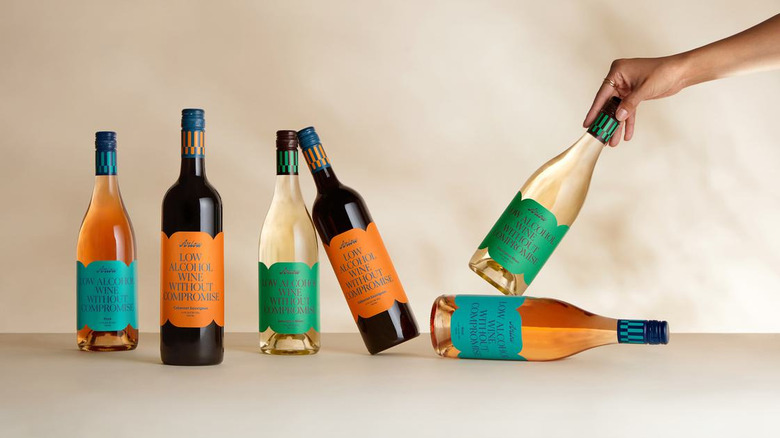
Arlow Wines isn't the first to recognize the growing demand for lower-alcohol wine, but it might be one of the most thoughtful in how it's answering the call. Created by the team behind the non-alcoholic wine brand Surely, Arlow was developed for moderation-minded drinkers — AKA those looking to enjoy a full-flavored glass of wine, minus the next-day consequences.
"Our team spent 18 months developing samples of wines that replicate the flavor and profile of full-alc wine, but with half the alcohol, half the calories, and low to zero sugar," says Brandon Joldersma, CEO of Arlow and Surely Wines. Rather than rely entirely on dealcoholization, the team at Arlow, led by in-house winemaker and "dealcoholization expert" Jess Smith, blends its own proprietary mix of de-alced and full-strength wine to achieve balance and structure. The result is a lineup that feels grown-up and grounded, not gimmicky.
The brand offers a lip-smacking white, a dry, refreshing rosé, and a juicy, food-friendly red, all for $22 a bottle and available through Arlow's online store. With its sleek packaging and polished palate, Arlow offers a compelling case for slowing down without sacrificing.
9. Oceano Ultra-low Syrah
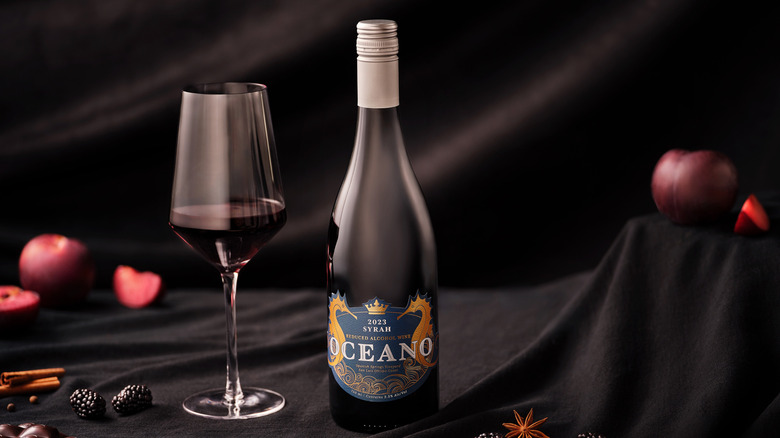
From a boutique California brand focused on coastal wines comes Oceano Ultra-low Syrah. It's not just a lower-alcohol wine — it's a thoughtful answer to a modern drinking dilemma. "Most people aren't choosing abstinence — they're looking for moderation," says Rachel Martin, founder and CEO of Oceano. "And for many, finding a single solution to reduce alcohol consumption is far more convenient than alternating between full-strength and nonalcoholic options — often referred to as zebra striping."
At just 3.5% ABV, a full bottle of this vineyard-designate Syrah from the San Luis Obispo Coast contains about the same alcohol as a single glass of traditional wine, but still delivers real texture and varietal character thanks to exceptional vineyard sources and traditional, small-lot production methods. A portion of the wine remains untouched, while the rest undergoes a gentle alcohol removal process using cutting-edge technology that captures and reintroduces the wine's natural aromatics. The final blend is soft, elegant, and unmistakably Syrah.
Martin had a very specific customer in mind when creating this premium low-alc Syrah. "They're high-functioning individuals who might be juggling careers, raising families, pursuing personal growth," she says. "They're looking for something thoughtfully made — pleasurable, memorable, and worthy of sharing — but it has to align with a lifestyle that prioritizes balance, performance, and presence."
A single-vineyard premium white wine is currently in the works — crafted with the same level of precision and intent. This isn't "lite" wine. It's luxury, reimagined for modern life.
10. Decoy Featherweight
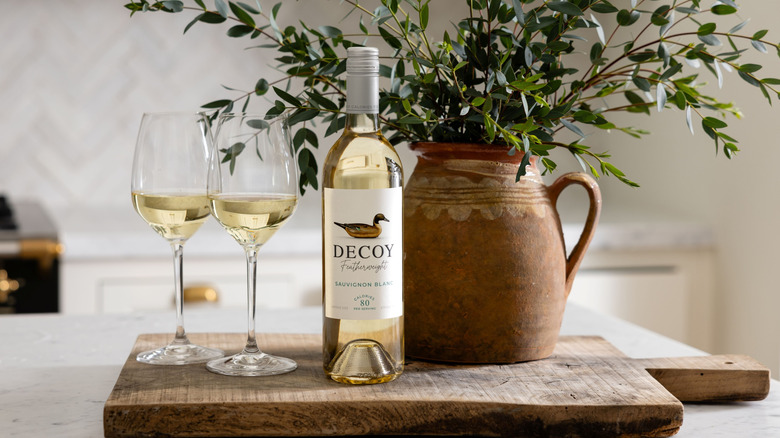
Duckhorn, the parent brand of Decoy, may not be the first name you'd expect to see in the low-alc wine space, but the launch of Decoy Featherweight proves that even the heavy hitters are lightening up. Known for its lush, fruit-forward wines that overdeliver for the price, Decoy now offers a lower-alcohol line aimed squarely at drinkers who want all the flavor with a bit less ... impact. Each wine in the line clocks in at 9% ABV, with fewer calories and a lighter structure, but still delivers varietal character and a polished finish, all for $20 a bottle.
Currently available in Chardonnay and Sauvignon Blanc, Featherweight wines are made using Decoy's premium California fruit sourcing and traditional winemaking techniques, followed by a careful reduction of alcohol on a portion of the blend. That component is then reintroduced to the base wine to preserve mouthfeel and complexity.
The Sauvignon Blanc fermented in stainless steel for that clean, crisp flavor and mouthfeel while the Chardonnay spends a bit of time in French oak barrels and is packed with juicy apple, lemon, and a touch of crème brûlée. With Duckhorn's reputation for quality behind it, Featherweight feels less like a trend play and more like a natural evolution. It's still Decoy — just recalibrated for the modern lifestyle.
11. Kim Crawford Illuminate
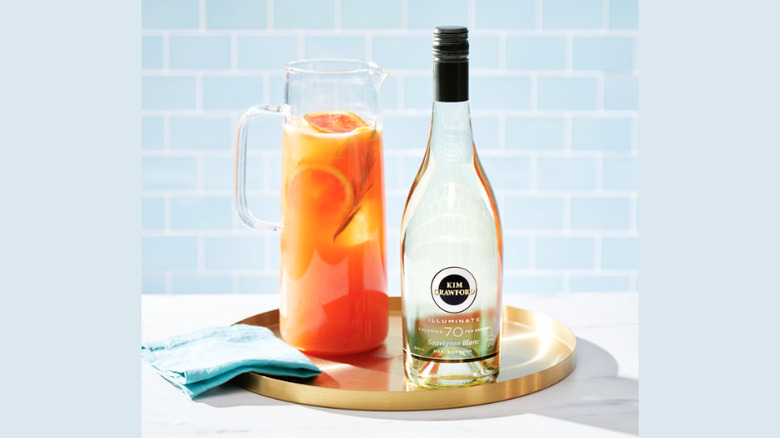
Few brands have mastered broad appeal quite like Kim Crawford, the brand behind one of the most well-known New Zealand Sauvignon Blancs, and its Illuminate line proves the brand knows exactly how to evolve without losing its identity.
The Illuminate Sauvignon Blanc lands around 7% ABV, with citrus, passionfruit, and all the tropical energy Marlborough fans love. A portion of the alcohol is removed through spinning cone technology, but the wine keeps its varietal character and fresh, zippy texture thanks to careful grape selection from various vineyard blocks throughout Marlborough, and gentle treatment in the winery.
Also in the lineup is Illuminate Sparkling, a lively, fruit-driven bubbly made in the Charmat method. It offers green apple, citrus blossom, and soft bubbles at a modest 7% ABV, making it perfect for brunch, happy hour, or any occasion that calls for a little lift without the crash. For fans of classic Kim Crawford, Illuminate is a welcome alternative, not a compromise. It still tastes like the wine that made the brand famous; it's just a little better at reading the room.
12. Las Positas Vineyards LEAN
LEAN is the low-alcohol line from Las Positas Vineyards in California's Livermore Valley and a great example of how thoughtful winemaking and a real-world need can come together to fill a growing gap. When one of the winery's owners developed a medical condition that required giving up alcohol, the team created Minima, a zero-proof wine. From there, they saw an opportunity to create something for those who weren't quitting altogether but still wanted a gentler option.
Crafted by blending fully alcoholic wine with dealcoholized wine, LEAN wines land at a balanced 7% ABV. The process "is very gentle on the wine and retains more aromas and flavors than some of the other equipment available," says winemaker Brent Amos.
Made in small batches and currently available online, the LEAN lineup includes a crisp white blend of Verdelho, Albariño, Chardonnay, and Roussanne, with notes of peach, lemon, and orange blossom; a quaffable, fruit-driven red blend made from Barbera, Cabernet, Tempranillo, and Syrah; and a refreshing, medium-bodied rosé bursting with strawberry, watermelon, and pomegranate.
13. Honorable Mention: Piquette
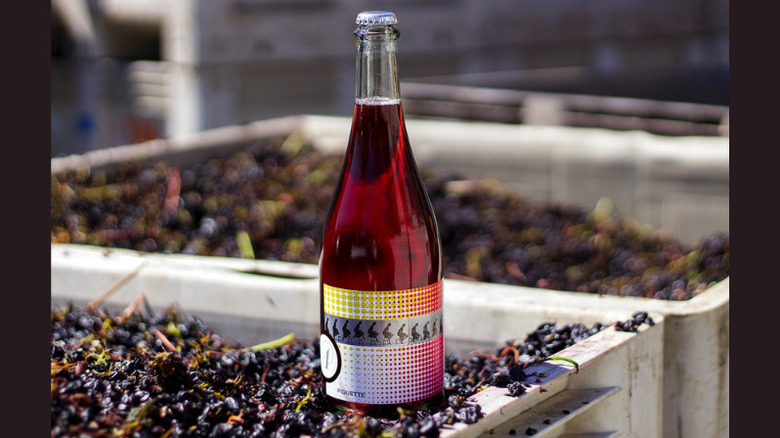
Not exactly wine, but worth a nod, piquette is made by rehydrating grape pomace (the skins, seeds, and stems leftover from pressing grapes during the winemaking process) and refermenting it. The result? A slightly fizzy, low-alcohol, rustic beverage that hails from farmworker tradition (possibly even as far back as ancient Rome!), built for hard work, not hard hangovers. I may or may not have consumed my fair share of piquette while taking in a few of my kids' baseball games, but I'll never tell.
Today, piquette is enjoying a revival in California and beyond, thanks to its low ABV, playful effervescence, and "use‑what's‑left" ethos. It's like nose-to-tail cooking, but for wine. Piquette won't replace your favorite bottle of Chardonnay, but that's kind of the point. It's breezy, sustainably made, and totally crushable, making it the perfect addition to any well-stocked fridge, patio table, or cheeky little league cooler.
A few standout bottles (and cans) worth checking out include Anarchist Wine Co.'s Piquette. It's dry, textural, and a little bit wild, with tart berry fruit, savory herbs, and a nose-tickling fizz. I'm obsessed with this one. Protector Cellars, which claims to be the world's first climate-positive winery, makes two seriously crushable — and seriously sustainable — piquettes in sleek cans. Picnic Punch Piquette of Albariño delivers major patio energy, while the ultra-alliterative Picnic Punch Piquette of Pinot Noir is a crisp pink refresher with all the laid-back charm of a sessionable spritz.