

Here's What People Eat In The Top 10 Countries With The Longest Lifespan
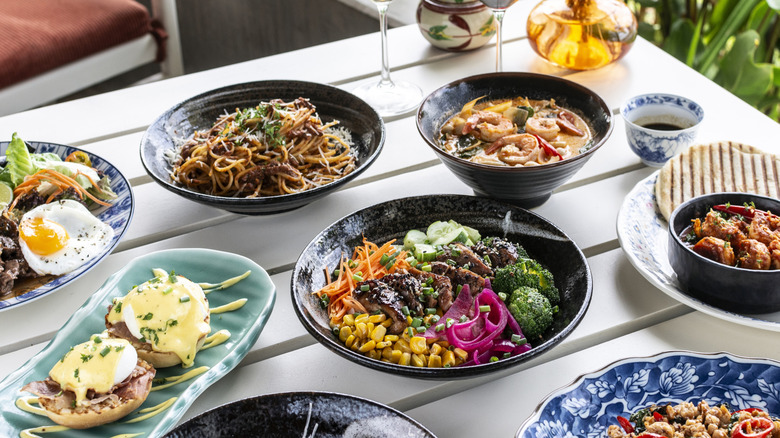
If your goal is to live a long and healthy life, you may wonder if there is one "perfect" diet that will help you reach it. While eating well is considered a crucial piece of the longevity puzzle, the food cultures across the countries with the highest life expectancies are more diverse than you might expect.
For this article, we have compared what people eat in the nations that live the longest, according to United Nations estimates, as reported by World Population Review. Only sovereign countries were included, with high-ranking territories such as Hong Kong and French Polynesia omitted.
Diet is, of course, only one factor in longevity, and healthcare, living conditions, and regional lifestyle factors all play a part. Even so, the variation in typical diets in these countries reveals some fascinating differences. Let's take a look at what people eat in the top 10 countries with the longest life expectancies.
Monaco

The glamor and opulence associated with Monaco suggest that the residents live well, and it turns out they live long, too. This tiny principality — the second smallest country in the world behind the Vatican City — tops the longevity list, with an average life expectancy of 86.7 years. Much of its culinary inspiration comes from neighboring France, particularly Provence, and Italy.
Fresh fish and seafood feature prominently in Monegasque cuisine, as do seasonal vegetables and olive oil. One local specialty is socca, a chickpea flour flatbread cooked in a wood-fired oven and topped with extra virgin olive oil. Another is Barbajuan, which is made from pastry stuffed with vegetables such as Swiss chard, leeks, and onions, then mixed with Parmesan cheese, eggs, and rice. The pastry is deep-fried and served as an appetizer or at large gatherings.
Monaco is known for its high-end dining, but classic Mediterranean ingredients form the foundation of everyday food culture. In addition to fish, legumes and vegetables are featured in many recipes, and a glass of French wine is often on hand to finish the meal. Access to top-level healthcare and the regular physical exercise involved in everyday life will likely have a positive effect on longevity. The reasons behind the incredible life expectancy of its residents are complex, but the food culture of Monaco is an intriguing part of the picture.
San Marino
San Marino is a small republic surrounded entirely by Italy, so its cuisine is naturally characterized by Italian cooking. It has a population of just over 33,000 people, and an average life expectancy of 86 years. Its closest Italian regions are Emilia-Romagna and Marche, and many of the popular foods in San Marino closely mirror their culinary traditions, with pasta, beans, and cheese featuring heavily.
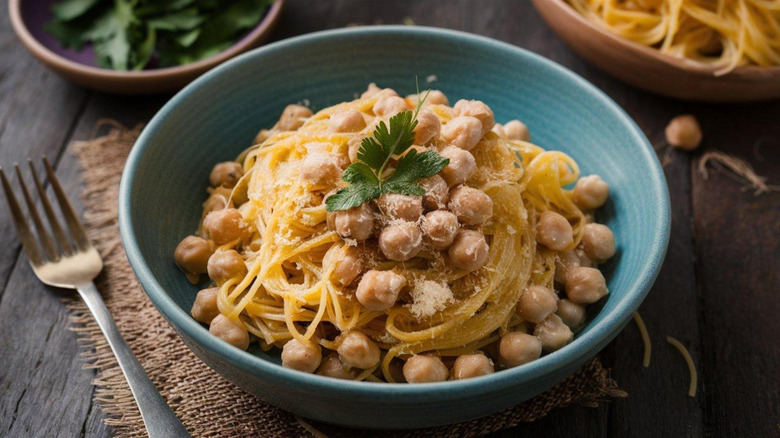
One of San Marino's specialties is pasta e ceci, a comforting soup-like chickpea dish topped with fresh Parmesan cheese. Seasoning of garlic and rosemary add plenty of flavor to this rustic meal. Another favorite is piadina, a traditional flatbread filled with pretty much anything, though cured meats such as mortadella and prosciutto are popular alongside regional cheeses like stracchino. San Marino cuisine leaves room for sweet treats too, with Torta Tre Monti considered the signature dessert. This layered chocolate and hazelnut wafer dessert is said to be named after the three peaks of the famous Monte Titano. Beyond the food, the rugged terrain of the country provides plenty of opportunity for exercise and access to the outdoors, which may contribute to a healthy lifestyle alongside diet.
Japan
Japan has long been celebrated for its impressive longevity, and while the tiny states of Monaco and San Marino have longer life expectancies, Japan tops the list of countries with populations of over 1 million residents. The average life expectancy is 85.2 years, and the traditional Japanese diet differs significantly from typical Western eating patterns.
Rice and fish are both staples in the Japanese diet, though the iconic sushi tends to be saved for special occasions. Rice is served with virtually every meal, including breakfast, and can be topped with a variety of ingredients, including fish, vegetables, tempura, and eggs. Fermented foods also make up a significant part of the Japanese diet, with superfood natto a regional specialty. It is made from fermented soybeans and is thought to improve cardiovascular health, which may contribute to Japan's impressively low rate of heart disease.
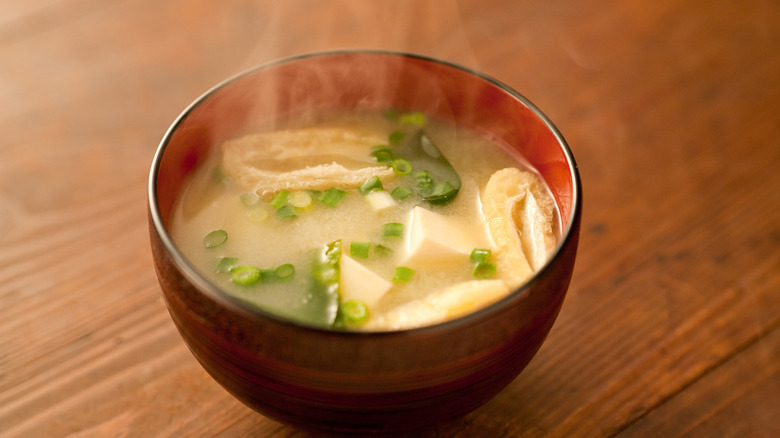
Soy products in place of meat are widely eaten, including tofu and miso, which are often enjoyed together in miso soup, along with sea kelp. A scientific review published in the European Journal of Clinical Nutrition highlighted the low intake of red meat and saturated fats as one factor that may contribute to Japan's low obesity rate. Overall, Japanese cuisine has a firm emphasis on fresh, antioxidant-rich plant-based ingredients, along with fish and fermented foods.
South Korea
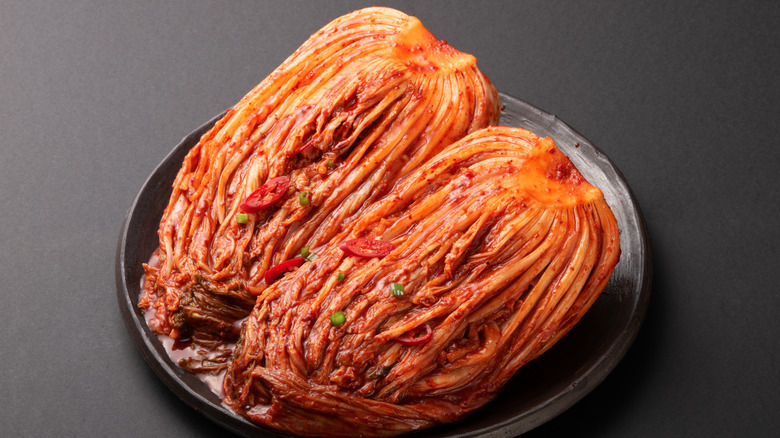
Fermented foods are a huge part of South Korean food culture, and though kimchi is one of the most famous examples, plenty of other tangy, umami-rich fermented foods are eaten throughout the country. Kimchi is made by fermenting vegetables, particularly napa cabbage, with bold seasonings including chili, garlic, and ginger. This creates an intensely-flavored vegetable element that is served alongside most meals, and is widely considered to be South Korea's national dish.
Other fermented foods in South Korea include doenjang, a soybean paste; gochujang, a fermented chili paste; and ganjang, a traditional Korean soy sauce. These ingredients are used to season countless staples, from soups and noodles to marinades, adding complex flavors to everyday South Korean favorites.
The average life expectancy in South Korea is 84.6, and recent research has explored the positive effects fermented foods could potentially have on longevity. Alongside these dietary habits, advancement in healthcare provisions and technology have likely contributed to a significant improvement in the life expectancy in South Korea.
Andorra

Andorra is a small country found high in the Pyrenees mountains between France and Spain, and its food reflects the regions that surround it. The life expectancy in Andorra is 84.5 years, higher than either of its neighboring countries. Catalan influences are particularly evident, along with those from French and Spanish cuisine, and hearty mountain dishes feature regularly in Andorran homes.
Trinxat is a traditional winter favorite made with cabbage, mashed potatoes, and pork. Escudella de pagès is another satisfying dish — a hearty soup combining meat and vegetables with pasta or rice. Its mountainous setting means that Andorra's cuisine naturally favors comforting ingredients, and mushrooms, meat, and nuts appear regularly in home-cooked favorites. Unlike its Mediterranean neighbors, landlocked Andorra doesn't have direct access to fresh seafood, but river trout cooked with ham is a traditional way for Andorrans to enjoy locally-caught fish.
The hilly terrain of Andorra is thought to play a part in the high life expectancy, as many residents undertake exercise as a hobby, with walking and skiing both popular pursuits. It also has "one of the best public healthcare systems in the world", according to The Borgen Project, which is considered to have an impact on longevity, too. Along with its traditional diet, these factors may help explain Andorra's strong life expectancy.
Switzerland

Switzerland is bordered by five countries, and their effect on its cuisine is clear. French, German, and Italian cuisines have all helped shape the Swiss food culture across the country's various regions, but there are certain classic ingredients that are popular nationwide.
The Swiss appreciate their cheese, and fondue is a regional specialty. Traditional items to dip into this cheese-lover's dream include bread and pieces of potato, and wine or cherry brandy are often enjoyed alongside. Raclette is another favorite, where cheese made with Alpine cow's milk is scraped onto potatoes and served with pickles.
The Swiss love of potatoes extends to one of their national dishes — the rosti. The potatoes are shredded and fried in a disc shape, then served with meat, cheese, or eggs. Despite the abundance of rich ingredients in the Swiss diet such as cheese and of course, chocolate, traditional Swiss cuisine focuses on seasonal, local produce and whole foods. Residents of Switzerland also spend plenty of time in nature. The combination of whole foods and outdoor time may be a significant part of Switzerland's longevity secret, with the average lifespan being 84.4 years.
Australia
Australian food is multicultural, with roots in many cuisines from around the world. It has been especially shaped by Asia and Europe, but has forged its own versions of many classic dishes from these continents. With so much coastline, fish and seafood form a major part of Australian cuisine, with barramundi a popular fish, alongside other native species such as Moreton Bay bugs and oysters. Fish is often grilled or steamed and served simply, though the British classic fish and chips remains a favorite takeout option.
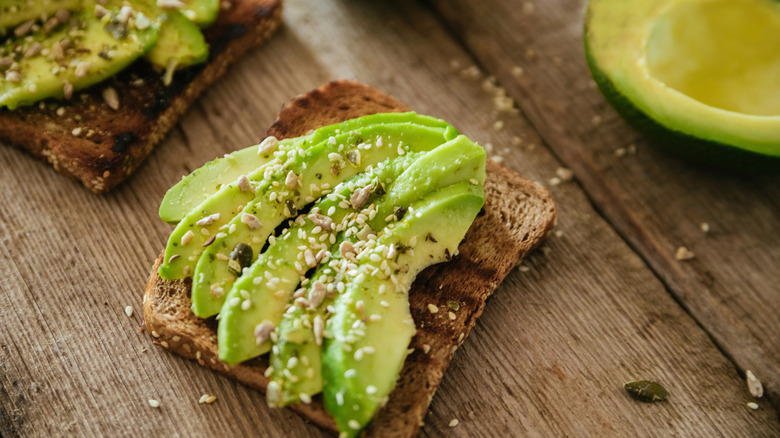
Fresh produce plays a major role and avocado toast, which first became popular in Australia, is still a firm favorite. Local, seasonal ingredients are the focus, and indigenous fruits such as finger limes and Kakadu plums add a distinctly Australian touch to the local offerings. Meat isn't off the menu though, and Australians love a classic meat pie as a comforting snack. Beef is the traditional choice, but there are plenty of alternative fillings, including lamb and even scallops in Tasmania. And of course, no discussion of Australian cuisine would be complete without mentioning their national icon Vegemite, a savory spread made from leftover brewer's yeast extract, and flavored with vegetables and spices.
The average life expectancy in Australia is 84.3 years, making them the longest-living English speaking country. A strong healthcare system and high living standards may contribute to their longevity, but their varied cuisine and preference for fresh produce likely play a part too.
Italy
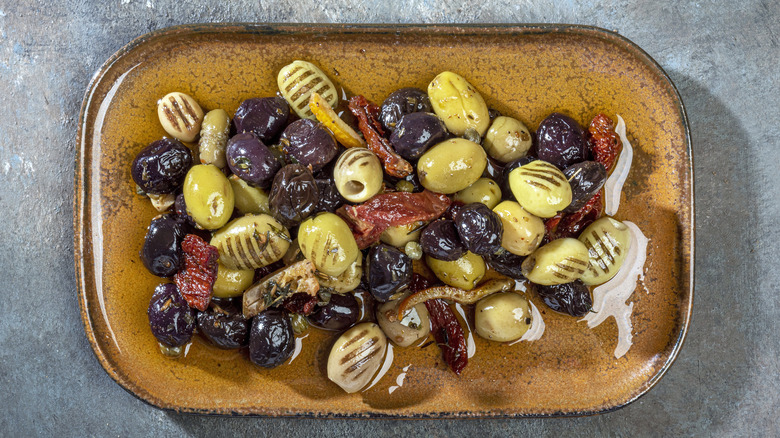
Italian cuisine is famous around the globe, but the stereotype that Italians live on pizza and pasta simply isn't true. The food culture varies across the country, but all regions have fresh, local produce as the backbone of their specialties. A few classic Mediterranean ingredients make up the foundation of Italian food — olives (and olive oil), tomatoes, cheese, and beans feature in a wide range of regional dishes, and many Italian meals are made with just a handful of high-quality ingredients. Near the coast, fish and shellfish feature in pasta and risotto dishes, while inland, mushrooms and meat are more likely to be added.
Italy's love of wine cannot be ignored, and a glass of red or white is often served with meals. Cheese is equally important, with the world-famous Parmigiano Reggiano created in the North, and mozzarella di bufala produced in the South. The average life expectancy in Italy is 84.2 years, and the traditional Italian diet shows that a little luxury in the form of cheese and wine can sit alongside a healthy routine rich in fresh vegetables, legumes, and grains.
Singapore
Singapore enjoys a diverse culinary heritage shaped by the cuisines of China, Malaysia, and India. Rice and noodles are everyday staples, paired with various ingredients including vegetables, seafood, and chicken.
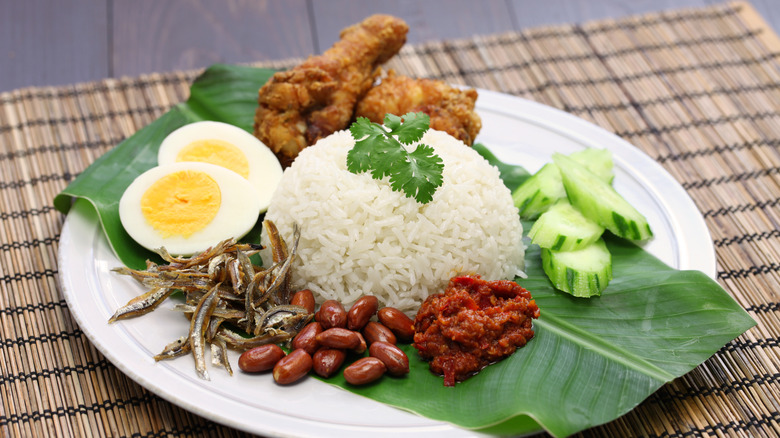
Singaporean food is vibrant and bold, with coconut milk often used as a creamy complement to balance heat. Nasi lemak combines coconut milk with rice and various spices, and is often served with fish and cucumber. Laksa is another well-known dish that often features a rich coconut broth with noodles and shellfish, and aromatics such as turmeric, lemongrass, and chilis.
Eating out is a big part of food culture in Singapore, and hawker centers offer a variety of affordable street food that is popular with both tourists and locals. The food halls showcase freshly cooked traditional foods, and are an excellent alternative to formal restaurants. The average life expectancy in Singapore is 84.1 years, with multiple factors such as an excellent healthcare system and their varied diet likely contributing to the overall longevity picture.
Spain
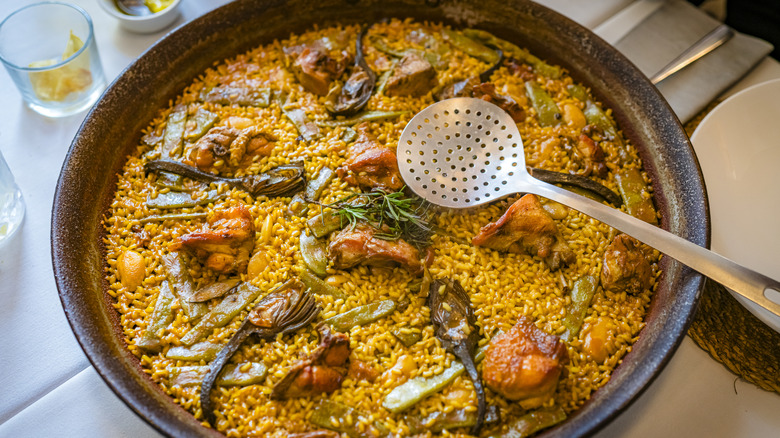
Spain is another country near the top of the life expectancy rankings that is associated with the famed Mediterranean diet. Classic ingredients include olive oil, artichokes, peppers, and garlic. Rice is a popular grain, with paella considered one of the national dishes, and particularly associated with Valencia, where chicken or rabbit are the traditional versions.
Tortilla Española is another Spanish specialty — a potato omelet that is often served as a side or a light meal. It sums up what the Spanish do well: a handful of fresh ingredients cooked perfectly and seasoned beautifully. It can also be served as part of a tapas spread, a form of eating that is enjoyed across Spain, but particularly in Andalucía. Multiple small plates are served instead of one large meal, allowing diners to sample miniature portions of meat, fish, and vegetable dishes without having to choose between them.
Cured meats and cheese often feature, especially in tapas, with sheep's milk cheese Manchego the most iconic. Wine is often chosen to match the food, such as a citrusy Albariño white with shellfish, or a robust Jumilla red with a hearty meat option. The average life expectancy in Spain is 84.1 years, which is likely attributed to a mixture of diet, an active lifestyle, and a sense of community and connection.