

10 Foods That Became Extinct Over Time
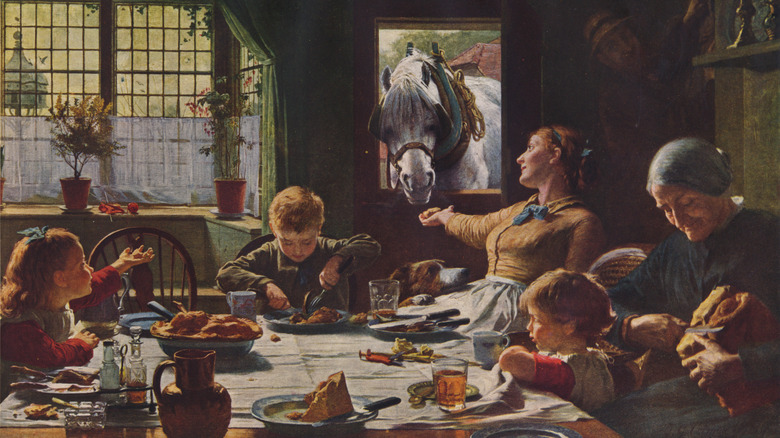
Human diets have changed significantly since we first started taking note of how people eat. And innovation has always been a key component, from Neanderthals discovering fire to Revolutionaries in Massachusetts opening some of America's first historic restaurants and the invention of the cronut.
But as humans develop new ways and new things to eat, we're also losing some of the old. Factors like climate change, habitat loss, and overhunting have all led to the extinction of various species of plants and animals that we once shared this planet with. Some of the things we've lost along the way once nourished us and our ancestors who came before us.
From lost species of birds to peculiar pears, we've tracked down 10 extinct species that people used to eat. These forgotten foods tell us a bit more about what life was like and how dramatically the world and people's diets have changed since then.
1. Carolina Parakeet
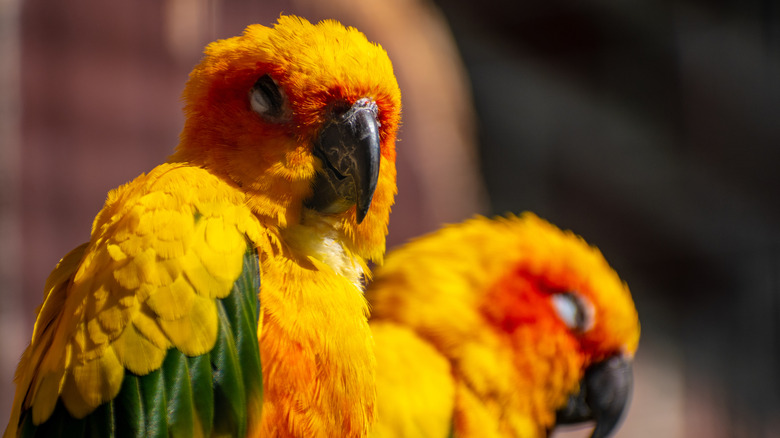
The Carolina Parakeet was the only parrot species that was native to North America. Its habitat covered much of the eastern United States, ranging from southern New York and Pennsylvania all the way to Texas and parts of Colorado. They made homes in crowded forests and swamps before sadly going extinct.
Humans hunted the Carolina Parakeet to use their breast meat in stews, a far cry from the fast food chicken wings we know and love today. After a few decades, this practice would come to an end when it was discovered that Carolina Parakeets ate toxic Cocklebur seeds, passing sickness onto people who consumed them.
Reconstruction of the American South began in 1865, and as cities emerged, the bird's habitat grew smaller. Farmers also began importing chickens and other animals that brought diseases that native species were susceptible to, further contributing to population loss. Even more, their colorful feathers were used as decorations in hats as part of the notorious late-1800s feather trade. The bright, small birds had very little natural defense against the armed hunters, and the last wild Carolina Parakeet would inevitably die in 1904. Over a decade later, the very last captive Carolina Parakeet died in the Cincinnati Zoo in 1918.
2. Passenger pigeon
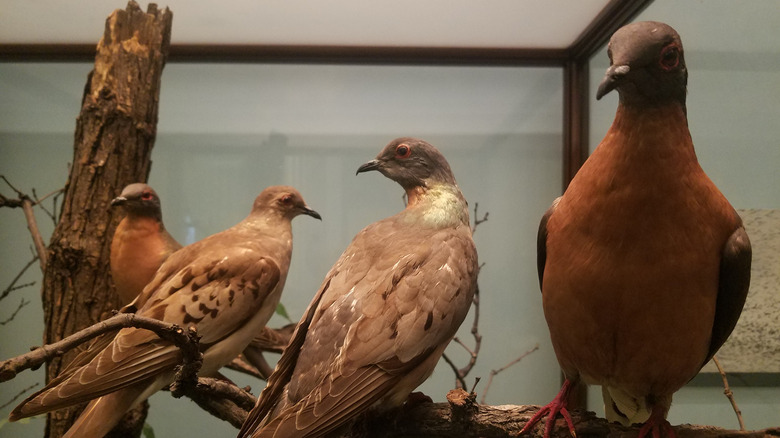
The passenger pigeon was at one time the most abundant bird in North America. Somewhere between 3 and 5 billion birds lived simultaneously in massive flocks that were known to fully eclipse the sun for hours or days at a time. Tales from the 1800s tell of these birds creating "clouds" in the sky as they flew by — some over a mile wide and hundreds of miles long, according to Jerry Sullivan in his essay "The Passenger Pigeon: Once There Were Billions".
It seems like a scene out of a science-fiction film, but in the mid-1800s, passenger pigeons accounted for up to 40% of all birds in North America, which made them a natural, cheap protein option in urban areas around the country. They were known to gather in flocks of millions, making them easy to hunt, first by Native Americans and later by the outsized population of European settlers.
By the 1870s, commercialized hunting began, with up to 50,000 birds being killed daily in America. No laws limited the number of passenger pigeons a person could hunt, and their population dwindled before their eventual extinction. In just around 40 years, they went from the most abundant bird in the country to completely vanishing. The last of the species, Martha, died in 1914 at the Cincinnati Zoo.
3. Ansault pear
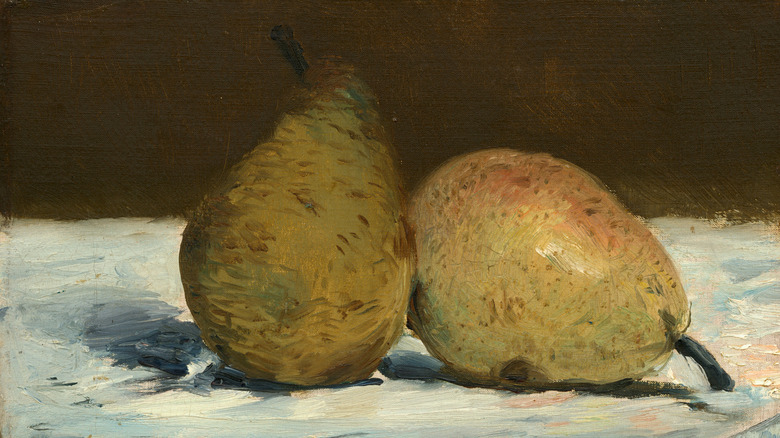
The Ansault pear is an extinct French variety that was around for a good time, not a long time. It was first introduced in 1863 by renowned pomologist M. André Leroy at his gardens in Angers. He went on to successfully propagate the plant just two years after breeding the first fruits, allowing them to eventually be sold throughout Europe and America for a brief amount of time.
In his 1917 book "The Pears of New York", the fruits were described by U.P. Hendrick as being both sweet and floral, which contributed to their high quality. The buttery fruits were known for their decadent flesh and were pretty popular globally until the first half of the 20th century, and would've worked well in a delicate pear martini.
Sadly, Ansault pear trees were pretty unreliable when it came to producing perfect fruit each harvest. With the onset of mass production and commercialization looming in America and around the world, farmers couldn't risk less-than-perfect produce. The fruits often grew in different sizes and shades of a pale yellow, whereas competing varieties like today's popular Bartlett pear grew pretty much the same every time. Ultimately, farmers in large orchards that shipped them around the world just stopped growing Ansault trees, and mass production took these now-bygone pears out of the market, literally. In the end, they were only around for fewer than 100 years before going extinct.
4. Great Auk
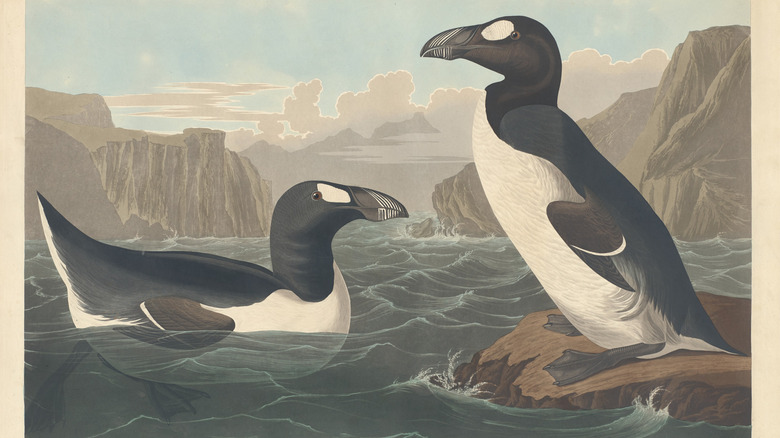
Great Auks, colloquially called the "original penguin," were flightless seabirds that largely gathered on rocky coastal islands for thousands of years. Unlike penguins, the Great Auk lived around the North Atlantic Ocean, whereas penguins exclusively live in the southern Antarctic. The birds averaged around 30 inches in length, not quite as large as the emperor penguin, but still larger than most species alive today.
The birds were hunted since prehistoric times, with evidence of Neanderthals methodically hunting them during peak seasons. It wasn't until the 16th century, though, that human predators significantly impacted the Great Auk population. People ate the meat and used it to bait other marine life, and the feathers, bones, and even skin were used as crafting materials and clothing. Since the slow-moving, flightless birds gathered in large herds on isolated islands, they became easily susceptible to overhunting as the human population grew. Hunting of Great Auks grew even further in the early 1800s, until the last known pair were killed in Iceland in 1844.
5. Garum
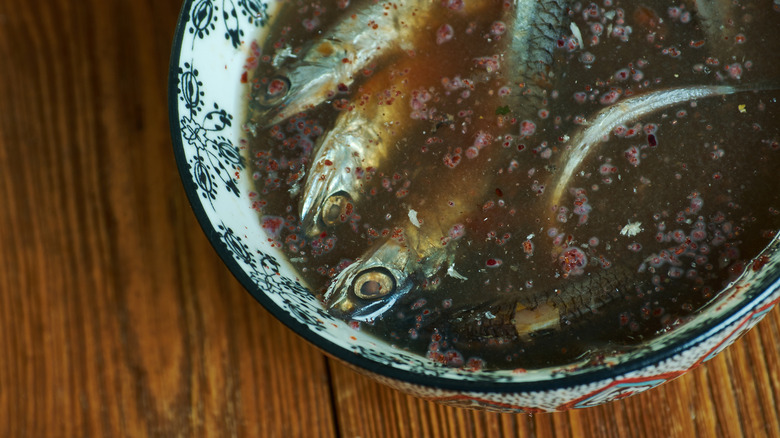
A fermented fish sauce, garum was a Roman condiment that used the whole animal – heads, innards, and all. Before production, the small, oily fish would sit out in the sun for months until they were determined to have the right amount of pungency. Garum also differs from fish sauce of modern times because it used just a fraction of the amount of salt, allowing for a stronger taste that was only emphasized by prolonged exposure to the Mediterranean heat.
Garum was extremely popular among the Romans, with different varieties mixing the sauce with honey, herbs, vinegar, and other ingredients. It was enjoyed by all classes, with prices ranging from cheap to very expensive depending on how it was made. There is even evidence that the lost Roman city of Pompeii had its own garum store until it was destroyed in the year 79. The sauce spread to neighboring countries like Spain and Portugal, with unique culinary dishes and uses of their own.
The recipe — and humanity's desire to make garum — was lost to time nearly 400 years later with the fall of the Roman Empire. Trade was disrupted around Europe, and garum never made a comeback. But thankfully, a less-fishy Italian version of this condiment eventually made its way back into homes and onto plates.
6. American chestnut
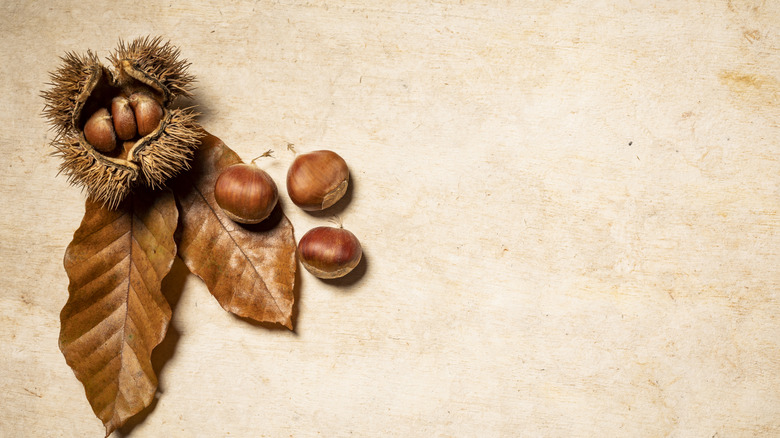
The American chestnut tree provided a beautiful canopy across much of the eastern United States — from southern Maine all the way to northern Mississippi. The natural pathing of the trees followed along the Appalachian mountain range, branching out even further to cover the states of Massachusetts, Pennsylvania, and Kentucky. These trees provided chestnuts for the Indigenous People of America as well as wildlife that lived in its forests.
Though the trees were also used for their wood in building materials, by the late 1800s, the meaty chestnuts themselves were transported across America for holiday roasting (with or without an open flame). The Christmas Song's "chestnuts roasting on an open fire" line originated from Mel Tormé reminiscing about his childhood when they were sold by street vendors.
By the time the song was written in 1945, the American chestnut tree had almost entirely been wiped out by blight. First discovered in The Bronx in 1904, the fungus originating from Asia killed 4 billion mature American chestnut trees in 50 years. Saplings still exist thanks to conservation efforts, but they are unable to grow to maturity and produce edible chestnuts due to the ongoing presence of the disease.
7. Silphium
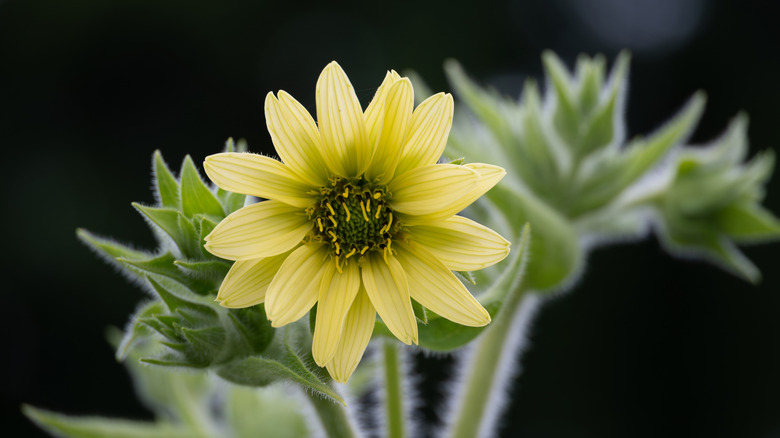
Silphium was used for food, drink, medicine, livestock feed, perfume, and crafting by anyone who could get their hands on it. The small, unassuming flower was considered extremely valuable due to all of the ways it could be used.
For instance, almost the entire plant was utilized in Grecian cuisine: Stems were either roasted or boiled, and roots were dipped in vinegar and eaten raw. It also produced a type of sap called "laser" that had a savory, garlicky taste and was largely used as a condiment. What humans didn't eat they gave to their livestock. Animals like sheep and goats that consumed silphium were believed to produce incredibly tender meat once slaughtered.
While silphium played a major role in Grecian life, it was a plant that was actually native to North Africa. The ancient Greek city of Cyrene was built in what we know today as Libya, and silphium was exported from here to the rest of the ancient world. That's a large part of why the plant species, also known as Laserwort, went extinct during the first century. Romans overharvested silphium (despite limitation laws), and as more of North Africa turned into a wide desert, the habitat for the herb disappeared. It's believed that the last silphium plant was delivered to Roman Emperor Nero around the year 50.
8. Elephant birds & their eggs
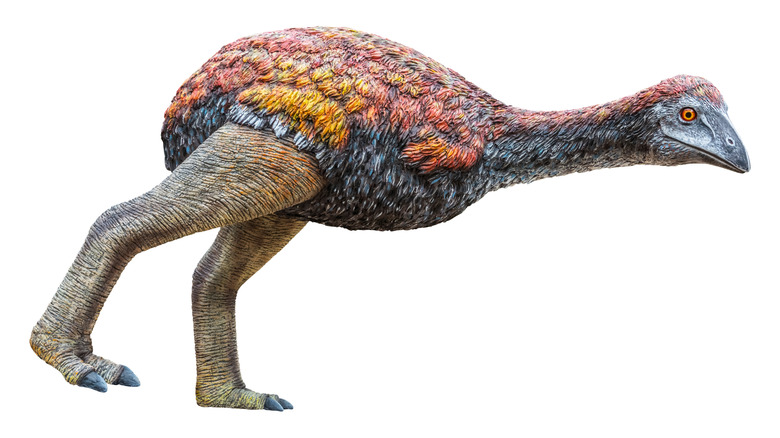
Elephant birds were named for their massive stature, standing almost 10 feet tall and weighing over 1,000 pounds. The now-extinct species were flightless birds native to Madagascar that survived on the island for thousands of years.
The egg of the elephant bird was the largest of any animal, including dinosaurs. Adult females would lay around 20 each breeding season, which were an early delicacy to Madagascan settlers. One elephant bird egg was equivalent to about 180 chicken eggs, meaning the ability to steal just one from these behemoths granted food for entire families and villages. Eggshells were also used as household tools and for storing or transporting liquor.
Brave hunters tried to conquer the birds themselves, too. Studies of elephant bird bones show that some were actually butchered by human tools, often hunted and eaten at the same location. While hunting certainly helped dwindle their population, prehistoric humans coexisted with them for thousands of years before they went extinct around the year 1000. As humans continued to settle Madagascar, deforestation occurred across large swaths of the African coastal island. Much of the elephant bird's habitat was uprooted due to human involvement and climate change, causing their eventual extinction.
9. Aurochs
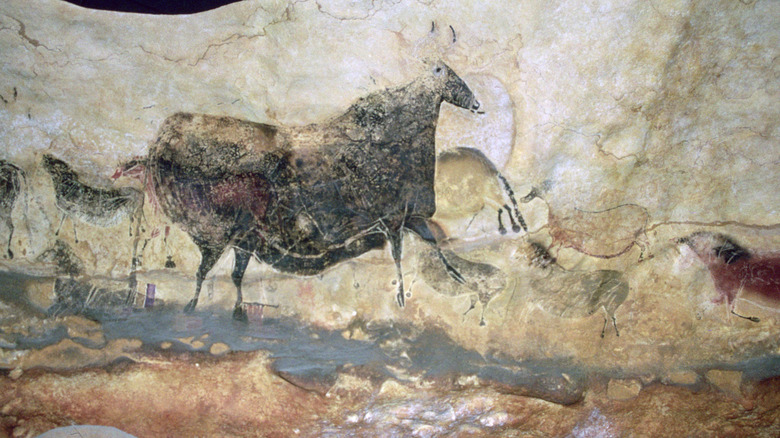
Aurochs roamed around much of Europe, Asia, and North Africa for thousands of years and are the ancestors of the domesticated cattle that we know today. They were eaten in largely similar ways by our omnivore ancestors, but admittedly weren't being turned into anything similar to today's burgers. The massive animals easily weighed more than 3,000 pounds, making the modern cow's 1,400-pound average weight seem meager in comparison. The species was at one point the largest land mammal in Europe.
Hunting played a part in the extinction of the aurochs, but more so, it was the domestication of these wild animals, which started around 8500 BC, that led to their eventual demise. Disease ravaged herds of animals that were not used to living in close quarters, and wild aurochs lost habitat as humanity spread its roots across the earth. When short-horned cattle began to appear from selective breeding, aurochs were hunted less for food and more to eliminate a nuisance. The population continued to dwindle around the world until only a small number were left in Poland's Jacktorów Forest. Despite surviving the Last Glacial Period, the last of the aurochs died out in 1627.
10. Taliaferro Apple
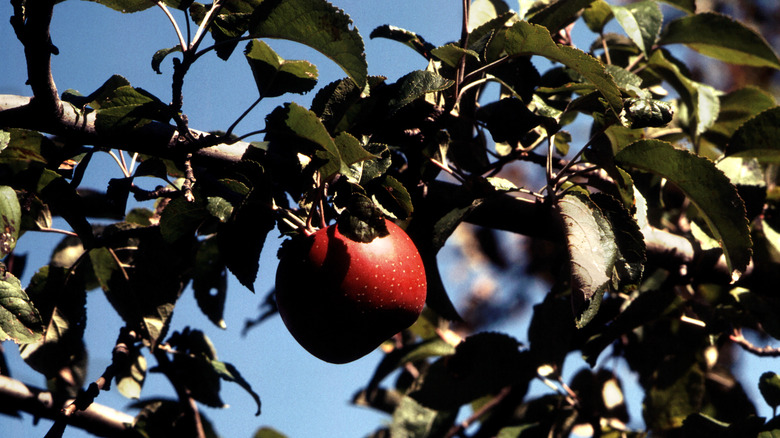
The Taliaferro apple is a variety you might not have known existed until now. It was an American varietal discovered in Virginia and hailed as Thomas Jefferson's favorite apple for making cider. The former president and Founding Father wrote extensively about the bygone fruit, sending letters about the believed-to-be-extinct species to everyone from his granddaughter to James Mease, the inventor of modern tomato-based ketchup. In a letter to the latter, he even described the taste as being akin to Champagne.
The Taliaferro apple was discovered by Major Taliaferro in the mid-18th century. It's since been lost to time, though, largely due to varying and often conflicting historical reports. While Jefferson was quick to write about the apple's flavor, he never really mentioned what it looked like. There have, however, been ongoing efforts throughout the state of Virginia to rediscover a seed or sapling that might belong to the Taliaferro apple tree. While some dupes have come close, modern horticulturists can't prove that the original still actually exists.