

5 Steak Cuts You Should Be Scoring For The Most Tender Results
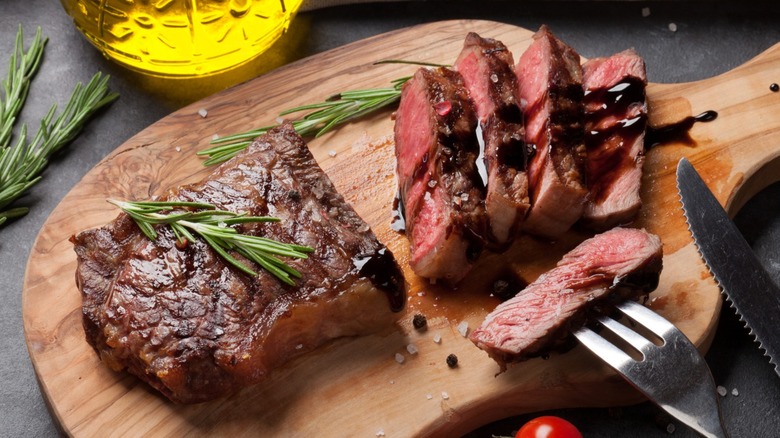
I knew little about steak before I spent my 20s working at a Colorado resort known for it. The main dishes served at the property's restaurants centered on wagyu beef, much of which was raised on the surrounding ranch land and monitored closely for quality. But, as much as that influences flavor and tenderness, so does the actual cut of beef — and what you do with it. If you're hoping to cook a restaurant-quality steak at home to seriously tender results, it's time to learn about scoring and which cuts work best with it.
As a chef once explained to me, this simple practice involves making cuts around ⅛-inch deep across the surface of your steak in a grid or crosshatch pattern on both sides before cooking it. These cuts sever tough surface fibers to make the steak even more tender, help prevent shrinking and curling during cooking (which can make meat tougher and denser), and help fat render and create a juicier experience. If you're using butter or a marinade, scoring also helps steak soak that up better.
Scoring doesn't magically transform a cheap steak into filet mignon, but it does help coax out juicy tenderness on certain cuts. To score or not to score can be a difference of opinion, but the recommended cuts compiled here come from real conversations with steak chefs, customer feedback, and my own dining experiences.
Flat iron
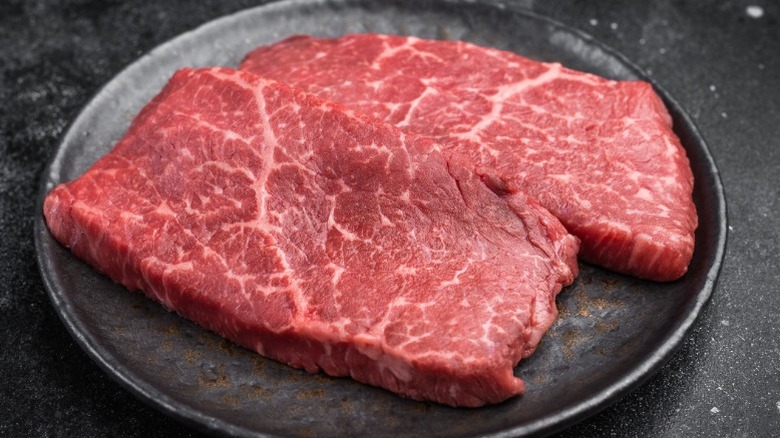
Flat iron is often cited as the second-most tender type of steak after filet mignon, and that's spot on. This cut comes from the top shoulder blade of the cow and usually has nice marbling throughout while being relatively thin. You don't have to score it for juicy results, but doing so across each side helps make it even more succulent (especially if you're marinating).
Skirt steak
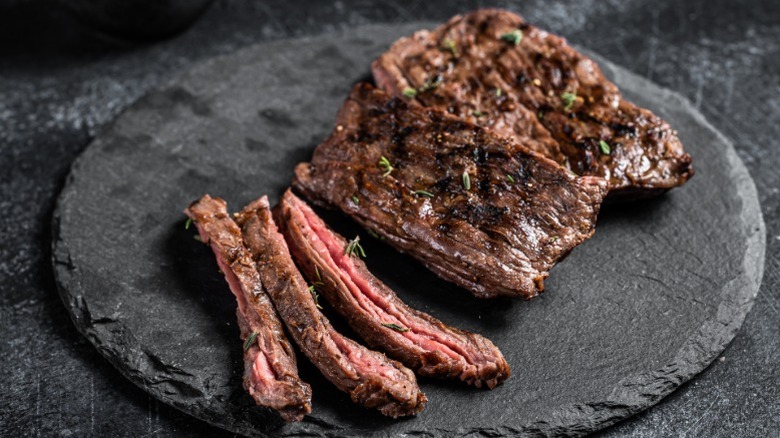
There are actually two types of skirt steak: outside and inside. Both come from the same section of the cow (the plate just below the ribs), but there's a lot of debate over which cut is superior. The outside cut tends to be thicker and juicier, but it's the thinner inside cut that's stocked more commonly in U.S. grocery stores. Either way, scoring helps both cuts tenderize further and makes them ideal for grilling — just be careful not to cook inside cuts too long, or they get stiff.
Prime rib
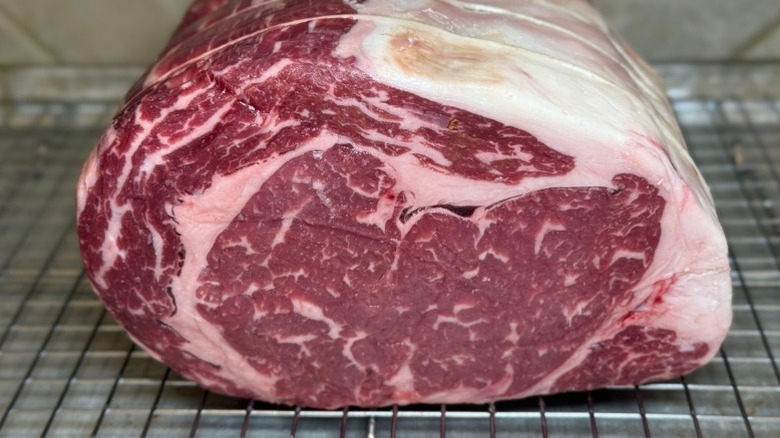
The "prime" in prime rib doesn't indicate better meat grade; it merely refers to the fact that it comes from the cow's naturally tender primal rib section. This cut is known for its thick fat cap, which some recommend trimming away, but you don't need to do that. If you score the cap instead of removing it, the fat renders beautifully and lets any prime rib seasonings you're using permeate further. From there, slow roasting or sous vide (followed by a fast grill or sear to finish) are best to seal in prime rib's juices.
Flank steak
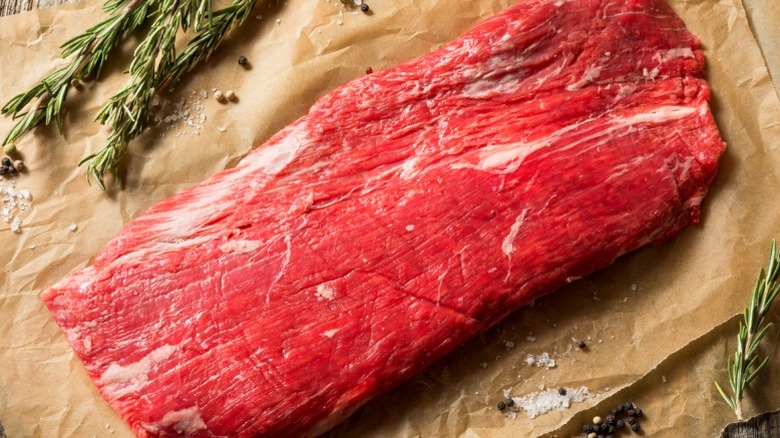
Flank steak is an extremely versatile, lean cut that comes from the cow's abdominal muscles. It's naturally full of meaty, rich flavor, but it's not super fatty and has low marbling, so it's easy to overcook. Scoring helps mitigate this significantly by opening up and spreading out the surface area for more even cooking. It also makes the steak more tender and juicier when using it for a London broil, which is common for the cut because it's so lean.
New York strip
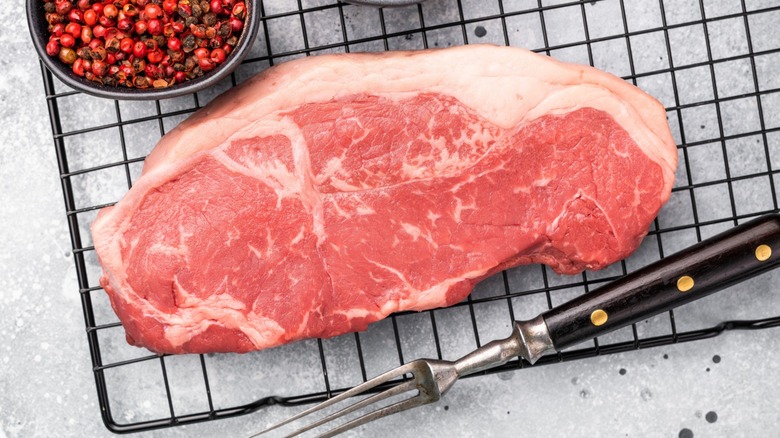
New York strip steak is covertly one of the tenderest steaks. The cut comes from the strip loin (above the hindquarter) and is naturally rich in fat that's perfect for scoring. When prepared right, which means scoring and avoiding New York strip cooking mistakes such as not letting it come to room temperature first, it has an ideal balance of robust flavor and tender delectability. It's even more tender if you leave the bone in, too, as that acts as an insulator for all those tasty juices.