

11 Best Spices And Herbs For Prime Rib
We may receive a commission on purchases made from links.
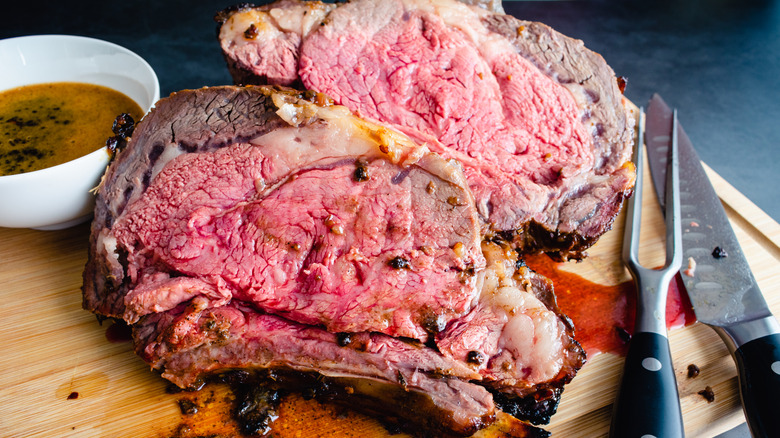
Prime rib has earned its "king cut" title; we think it's kind of like the fajitas of steakhouses. When you order it, everyone in the restaurant stops what they're doing and whips their head around to watch the waitstaff parade it to your table. Not only does it look like a million bucks, thanks to its pink center and ample fat, but it also tastes incredible.
However, don't let the star-studded qualities of prime rib discourage you from making it at home — just know that there are a few things that you'll need to figure out before you get started (and mistakes that you'll want to avoid). The first, and perhaps the most important, thing to consider is the seasoning. Prime rib is beautifully beefy, and not highlighting its natural flavor would be doing it a disservice. That being said, you can't just throw your roast into the oven "naked," as you won't get that desirable, seasoned crust on the outside or a balanced flavor.
As such, we wanted to know which spices and herbs are best for seasoning prime rib, so we spoke to the experts. Jorge Thomas, the founder of Swaledale Butchers; Joonas Jokiniemi, chef and founder of Grill Smoke Love; Jess Pryles, founder of Hardcore Carnivore and author of "Prime Cuts: The Complete Guide to Choosing, Understanding, and Cooking Meat"; and Stephen Ingber, chef at MileHighCook, shared their recommendations for the tastiest prime rib seasonings, along with the relevant considerations you should make when selecting one for your cut.
1. Pepper
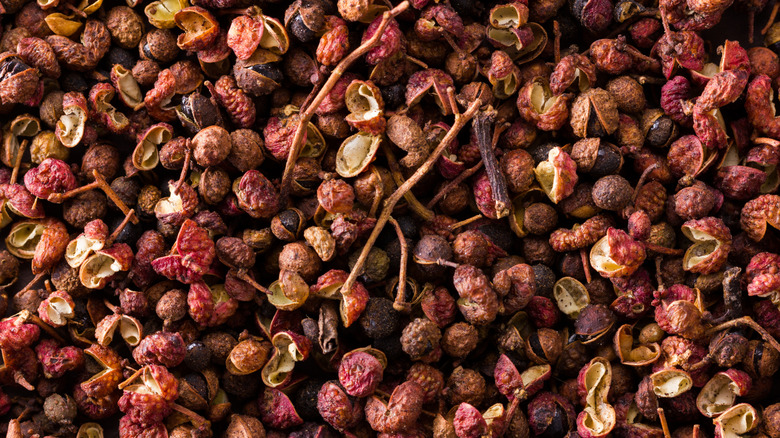
Aside from salt, no seasoning is as important to a good prime rib as pepper. It was one that all of our experts recommended as a must for prime rib. "Pepper is the backbone of that classic rib roast crust. It adds texture and a nice bite and aroma," says Joonas Jokiniemi, founder of Grill Smoke Love. He prefers to use black peppercorns for their bright flavor and explains that cracking them yourself is a must. "Pre-cracked pepper is fine in a pinch, but it goes flat fast. With prime rib, I want that pepper crust to be a feature, not background dust," he says. Jeorge Thomas of Swaledale Butchers agrees. "It brings warmth and aroma without taking over," he says.
Chef Stephen Ingber shares the importance of good pepper, especially for a fatty cut like prime rib. "Pepper brings heat and a little floral sharpness that cuts the richness of all that fat," he says. He prefers a coarser grind on his pepper so the flavor comes through, and recommends a different, bolder type of peppercorn than Jokiniemi does: Tellicherry peppercorns. This variety is known for its citrusy boldness and flavor, a notable upgrade over the spicy, piney notes black pepper adds to prime rib.
2. Garlic
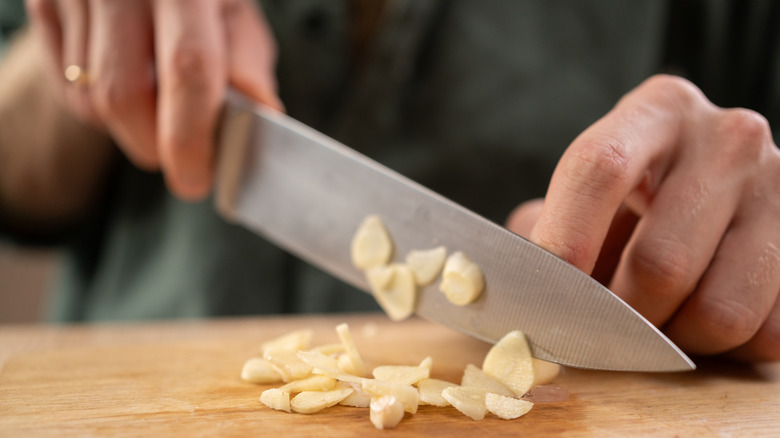
If you're the type of person who uses the number of cloves listed on a recipe as a starting point, you will have no problem adding this bright allium to your prime rib. Garlic's sharp, bold, and somewhat bitter flavor can add dimension to your prime rib recipe. Although you may instinctively reach for fresh garlic, this is one instance where using dried garlic may be preferable, per author Jess Pryles. "Garlic in any form is a great addition, but be aware that coarse garlic can be a little bitter if you finish your prime rib at high heat, so often smaller granules are better," she says. Stephen Ingber agrees with this method. "If you want straight-up garlic flavor without the burn risk, granulated garlic powder in the rub is honestly the smartest move for a home cook," he says.
That said, some people will still want to go bold with fresh garlic. If this is your garlic of choice, take Pryles' suggestion and make a paste out of it for the surface of your roast. Stephen Ingber has a similar suggestion, though he takes it a step further. "I don't rub raw garlic on the surface. I either make a paste with the garlic, salt, and softened butter and slather it on, or I roast whole heads separately and serve them alongside," he says. If you're still wary of heat and garlic, you can also create a garlic-infused sauce for your prime rib or serve it alongside a garlic-forward side, like these rosemary-and-garlic roasted potatoes.
3. Montreal seasoning
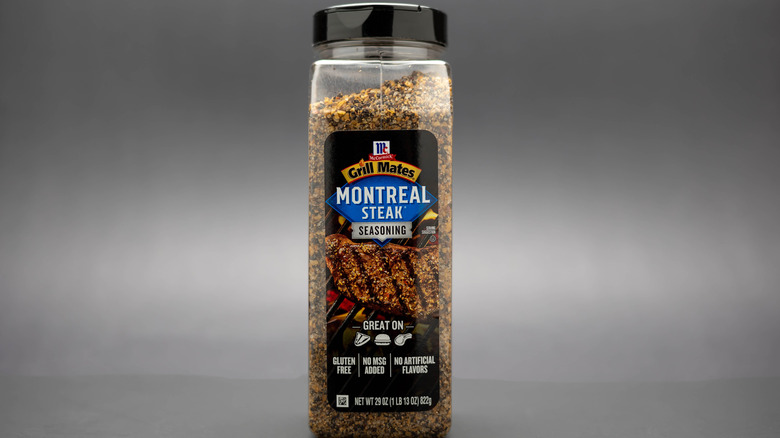
If you have a penchant for grilling, Montreal seasoning might be a mainstay in your kitchen. And it turns out that this blend of spices, which often includes peppercorns, salt, paprika, garlic, dried red pepper flakes, mustard seeds, dill seeds, and coriander, can also be used for prime rib — with caution. There are a lot of aromatic components in this seasoning that might be a tad unconventional for prime rib (including dill and mustard seed), but as long as you use it tactfully, you should be okay.
"It can work, but Montreal seasoning is bold and can easily take over. With prime rib, the whole point is that rich ribeye flavor, so the seasoning should not be too strong," says Joonas Jokiniemi. As such, you may have to play with ingredients and supplement them with your own seasonings to bring out those familiar prime rib flavor notes. "If you love Montreal, use it lightly or mix it with plain salt and pepper so the beef still tastes like beef," he says.
4. Paprika
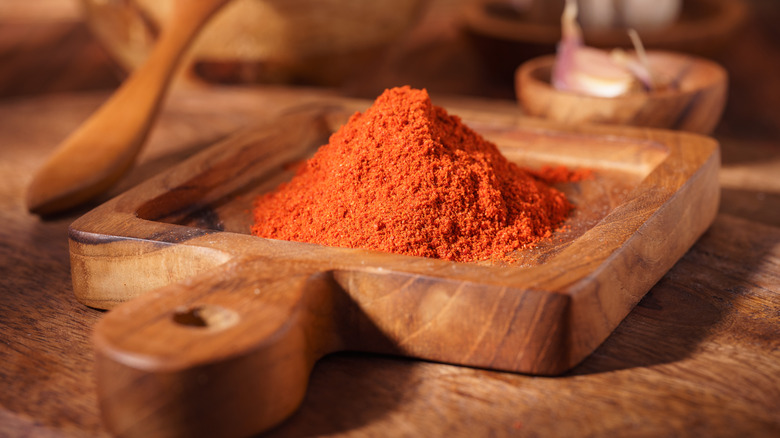
Paprika is a really beautiful seasoning — and not just when it's sprinkled on deviled eggs. What paprika is made from — at its core, at least — is dried, ground red bell peppers. However, there are endless variations, including smoked paprika, which offers more depth and dimension than regular paprika.
"Paprika can be great for color and a deeper crust. I like smoked paprika because it brings a gentle smoky note that plays nicely with roasted beef," says Joonas Jokiniemi. He also notes that Hungarian paprika can be used if you prefer something sweeter. Stephen Ingber is also in the smoked paprika camp. "I reach for smoked Spanish paprika (pimentón) — it adds a deep red color to the crust and a wood-smoke note that makes an oven roast taste like it spent time over fire," he says. He also cautions against buying cheap paprika, which lacks flavor. Jess Pryles also highlights the color benefit of using paprika, noting that it gives prime rib a "mahogany-colored finish." As if prime rib wasn't attractive enough!
As Ingber points out, you can also use seasoning blends that contain paprika on your roast. "I like a Texas-style rub that's mostly coarse pepper and salt with a little garlic and paprika, and not much sweetener," he says, noting that the sweetener is what causes it to scorch and impart a bitter flavor to the roast. Pair your smoky prime rib with a simple, cooling sauce for a tasty, well-rounded combination.
5. Rosemary and thyme
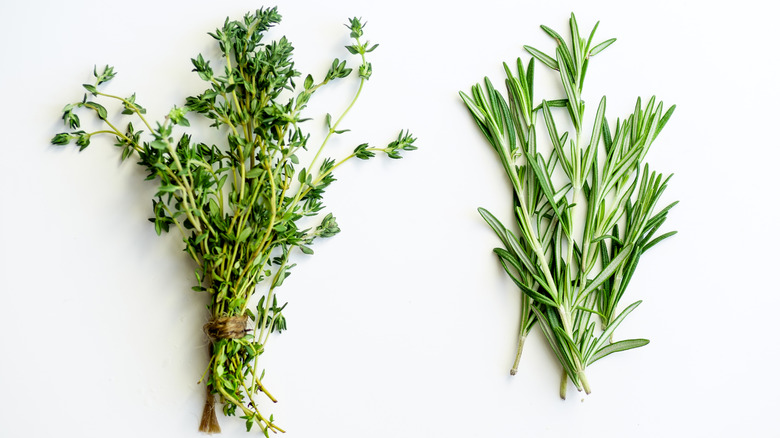
Herbs can create the aromatic backbone of your prime rib seasoning. However, not all of them are worthy of a spot on your roast. As a rule of thumb, herbs that are good for slow-cooked proteins are usually good on prime rib — so leave the cilantro and parsley for another recipe.
"My favorites are rosemary and thyme because they're sturdy and match the beef fat really well. For the actual rub, dried herbs work great because they are concentrated and form a nice crust," says Joonas Jokiniemi, who says he prefers to add dried herbs to the rub instead of fresh ones, the latter of which can scorch. He also suggests preparing a herb-infused butter for serving or tucking the aromatics around the roast while it cooks. Stephen Ingber agrees with this herb selection. "Rosemary and thyme are the classics for a reason — they're piney and resinous and stand up to a long roast without cooking off," he says.
Where these experts differ, though, is on their recommendation for dried versus fresh. While Jokiniemi is a proponent of dried herbs, Ingber is on team fresh. "Fresh is better here because the oils release slowly as it cooks and perfume the fat. Dried herbs are more concentrated and can taste a little dusty or 'old spice cabinet' if you overdo it," Ingber says, suggesting that the dried herbs be bloomed in a bit of butter before being added to the roast. He also recommends adding one-third as much dried herbs as fresh when making substitutions.
6. Za'atar
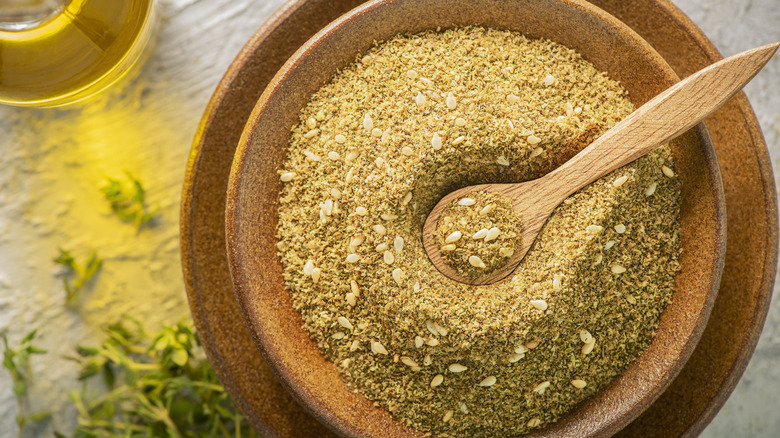
If you cook a lot of Middle Eastern and Mediterranean-inspired foods, you may have had a run-in with za'atar. This has to be one of our favorite seasonings, simply because of how complex it is. Za'atar is a regional spice blend that, at its core, contains sumac, black pepper, oregano, salt, and, surprisingly, sesame seeds. As such, it has a floral and citrusy quality, thanks to the sumac, grounding earthy notes from the oregano, and a fatty, nutty bite from the sesame seeds. If we're being honest, it's the seasoning that convinced us that more spice blends should include sesame seeds.
Za'atar is one seasoning that Joonas Jokiniemi recommends using on prime rib. "[It is] herby, lemony, and great if you're serving the roast with a bright salad or yogurt sauce," he says. However, you should exercise caution with this seasoning, as sesame seeds can take on burnt flavors — anyone who has dropped a sesame bagel into a toaster knows this to be the case. As such, you may want to select a less sesame-heavy blend — or make your own and omit the sesame — to avoid imparting any acrid notes to your roast.
7. Pastrami seasoning
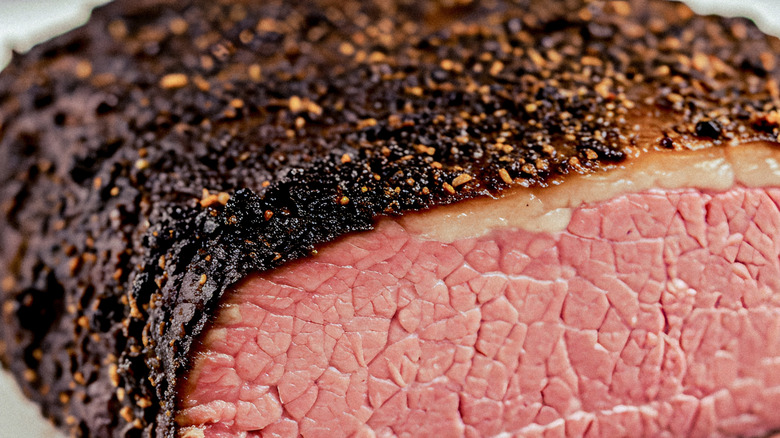
There are many reasons why pastrami is so good, and one of them is that delicious, crusty coating on the outside. The two most prominent components of this rub are coriander and pepper — and since pepper is already a must-have for prime rib, it's no surprise that pastrami seasoning can also be used for a tasty, special-occasion rib roast as well as for homemade corned beef.
Stephen Ingber appreciates this seasoning option. "Pastrami seasoning is essentially a balanced blend of coarse pepper, coriander, garlic, and sometimes mustard seed — all of which already belong on beef. The coriander is the secret; it's citrusy and brightens up the heavy cut," he says. "You get a built-in, well-proportioned rub without measuring five jars." Joonas Jokiniemi agrees. "Coriander is the part that's a bit special here. It gives a citrusy, floral note that makes the crust taste more interesting than straight-up salt and pepper," he says. As such, if you are looking to step up your prime rib seasoning without jumping into overly unconventional flavors, pastrami seasoning may be a good place to start.
8. Berbere
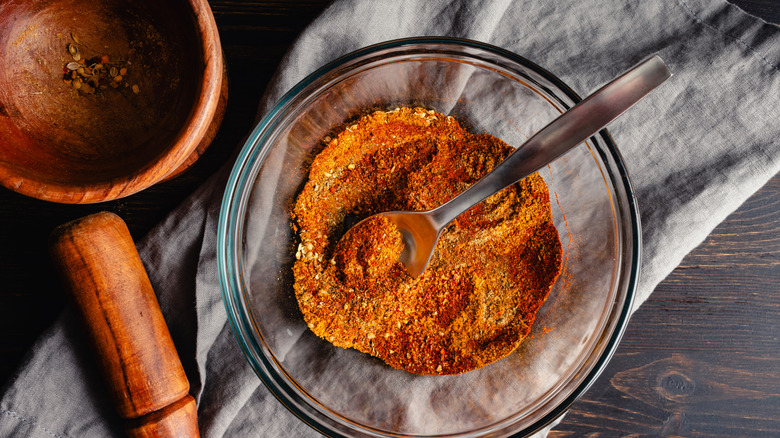
Next, we're boarding a plane to East Africa for this tasty, internationally inspired rub idea. Berbere is an aromatic and unique combination of spices, including chili, coriander, cardamom, allspice, peppercorns, and cloves. Blends vary based on who prepares them, and the flavor has been described as spanning the spectrum, from sweet and earthy to warm, spicy, and hot. As such, you have tons of room to play and experiment when you add berbere to your prime rib.
"[Berbere] ... adds warm chili and aromatic spice that's very different from a standard steakhouse crust. I'd blend it with salt and pepper and keep it as a smaller percentage so it complements the beef instead of turning the roast into a spice roast," says Joonas Jokiniemi. Jess Pryles notes that there is ample room to experiment with international seasonings on prime rib because of its base flavor. "Prime rib lends itself as a great blank canvas to be painted with many different flavors and cuisines. Beef is also a really robust meat that can handle a lot of large spice flavors, so have some fun experimenting," she says. So if you prefer a berbere that's a bit sweeter, look for ingredients like cardamom, cloves, cinnamon, and allspice. But if you prefer a classic prime rib seasoning with a bit of an edge, a zesty coriander- and pepper-based berbere will do you well.
9. Porcini powder
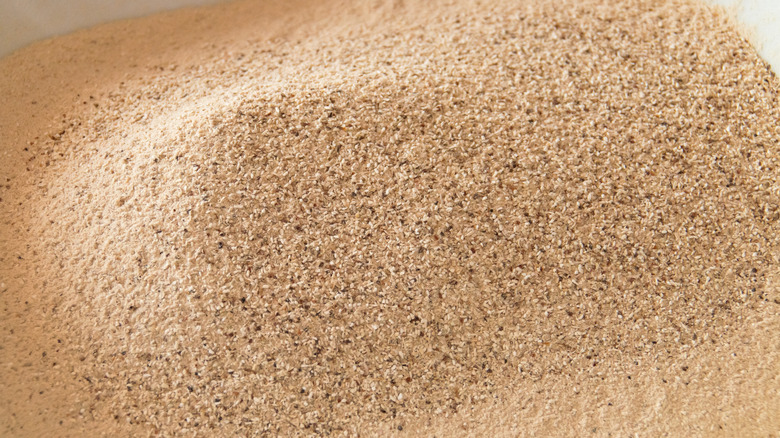
If you have a rudimentary spice collection, we won't blame you for not having a jar of porcini powder lying around. However, if you do, now is the time to pull it out. "It's pure umami and makes beef taste even beefier," says Stephen Ingber, who recommended seasoning prime rib with it. Besides savoriness, it'll also add earthy undertones to your prime rib. You may only need a few tablespoons of the seasoning for it to have an effect, too. Let the meat sit for about an hour with the powder (alongside staples like salt and pepper) before cooking it. Serve this rib with a contrasting horseradish sauce to offset that earthy flavor.
Porcini mushroom powder, which you can buy from retailers like Marky's on Amazon, is useful for more than just prime rib and rib roasts, too. You can add this seasoning to anything that could use an umami boost, like French onion soup, pot roast, or pasta sauce. If you're looking for something more versatile, we'd also recommend getting a seasoning blend instead of just mushroom powder. We love Trader Joe's Mushroom & Company seasoning blend, which has other components that would be particularly tasty for prime rib, including pepper, thyme, dried onions, and crushed red pepper. It also offsets the porcini powder's umami with white button mushroom powder, which isn't as bold.
10. Espresso powder
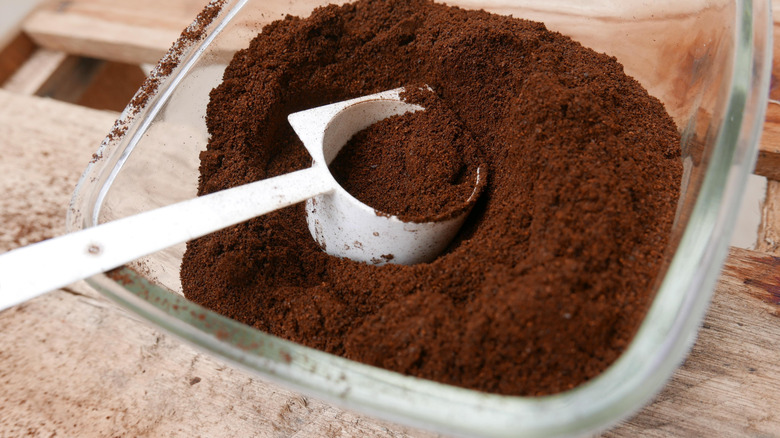
It's astounding the number of things that coffee can go with — and it's not just relegated to sweet foods. Unlike other seasonings, coffee doesn't let itself be bullied. It can stand up to heavy, umami, and meaty flavors, which is why it makes an appearance in rubs and, you guessed it, prime rib seasoning.
While it's not a spice in the same way that coriander or pepper is, you can use espresso powder in the same way that you would use spices and herbs to elevate your prime rib. "[I love] a little instant espresso or coffee in the rub — it's bitter and earthy and makes the crust taste deeper roasted," says Stephen Ingber. It's worth noting here that Ingber calls for instant espresso by name. Instant espresso (or instant coffee) is soluble, so it will soak into the beef as it cooks. Coffee grounds (like the kind you'd brew a standard cup with) might give you a nice crust, but if the granules are too coarse, they will impart an acrid flavor to your roast and become difficult to eat. As such, if you only have ground coffee, pop it in a spice grinder and blitz it until it's powdery, or scrape off the coarse coffee-ground crust from your roast before enjoying.
11. Chinese five spice
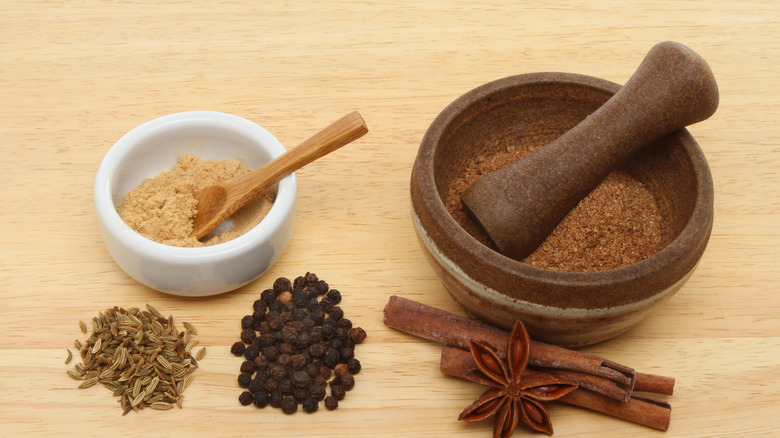
"We could wax poetic about Chinese five spice until the end of time. It's very underutilized in most kitchens, even if all of its components — peppercorns, cinnamon, cloves, star anise, and fennel seeds — are all spice cabinet mainstays. When you combine them under one roof — or on one prime rib, you get an exciting medley of heat, warmth, and anisey undertones.
"Chinese five spice is a fun addition that really mixes things up, and I also love adding Szechuan peppercorns for ... something less expected," says Jess Pryles. Szechuan peppercorns are usually used in five spice powder; they have a mouth-numbing, citrusy heat that sets them apart from other peppercorns you may be used to. As such, we'd recommend using small amounts of them until you can be sure that you like their flavor.
In our experience, Chinese five spice is not an easy find, especially in most grocery stores, so you may want to visit an ethnic market or shop online if you're looking to spice up your next prime rib. Its components are relatively common in most spice cabinets, though, so you can always mix up your own medley and add extra fiery Szechuan peppercorns at your own risk.