

13 Nostalgic Chain Restaurants From The '70s Boomers Remember Fondly
The 1970s were a great decade to eat out. Fine dining restaurants began serving a wide range of cuisines beyond French fare, and fast food chains were everywhere, making it easy to grab affordable eats on the go. This was also the era when casual chain restaurants were starting to come into their own. These laid-back spots offered a middle ground between fancy and fast, with reasonably priced food served in full-service dining rooms, often with alcohol service. With that in mind, it's easy to see why diners took to them with gusto.
For folks who came of age in the 1970s, plenty of casual restaurant chains served everything from pizzas to pancakes, sandwiches, and steaks. Some had quirky themes or offered incentives like all-you-can-eat salad and shrimp. And nearly all of them promised fun atmospheres where you could tie on a few drinks with friends or bring little ones for a wholesome family meal. These are a few restaurant chains that will invoke some serious nostalgia for boomers, as well as Gen Xers who were kids at the time.
1. Houlihan's
Today, there are numerous chain restaurants where you can get seriously good signature cocktails, but in the 1970s, that wasn't always the case. Houlihan's was among the first to pair bar vibes with elevated eats. It first opened in Kansas City, Missouri, in 1972, and it was a swinging spot with groovy decor, a full bar, and an eclectic, internationally inspired menu. Dishes included stuffed mushrooms, crab Newburg, roasted duck, burgers, and steaks. It gained a reputation as a hip, happening spot, and before long, it expanded to other cities and states.
It's easy to see why Houlihan's gained momentum throughout the 1970s. It was the kind of spot where you could meet other singles at the bar over sangria and daiquiris or settle in for a nice meal that wouldn't cost an arm and a leg. The chain continued to grow throughout the 1980s, reaching over 100 locations at its peak. But in the 1990s, the chain faced fierce competition, and that, combined with changes in ownership and financial hardships, led to its decline. The good news for boomers who remember it fondly is that there are still 19 locations where you can get your stuffed mushroom and sangria fix.
2. Bonanza Steakhouse
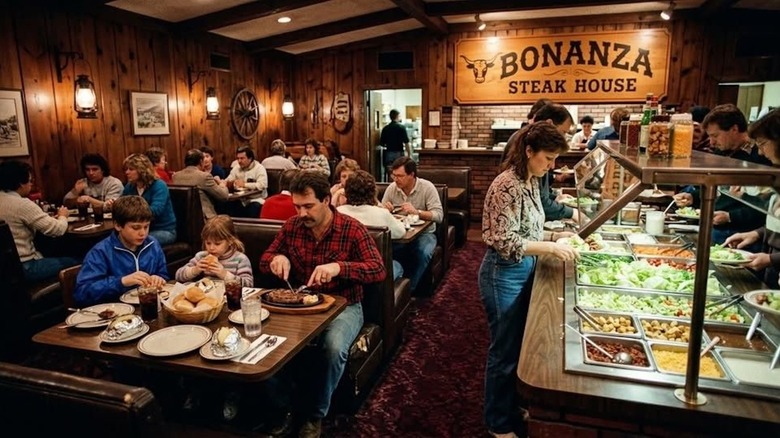
If you grew up watching television in 1960s America, there's a good chance you were tuning into "Bonanza." The hit Western followed the Cartwright family and their trials and tribulations on the Ponderosa ranch. It was wildly popular throughout its 14-year run, so it shouldn't be too surprising that when Dan Blocker (the actor who played Eric "Hoss" Cartwright) opened a Western-themed restaurant called Bonanza Steakhouse, it was also a huge hit. The first location opened in Westport, Connecticut, in 1963, and more followed quickly.
Bonanza hit all the right notes with 1970s diners for its fun Western vibes and affordable steak dinners. One of its biggest draws was an all-you-can-eat salad bar included with every dinner. Bonanza later merged with Ponderosa Steakhouse, and by the 1980s, it had over 600 locations across the States. Sadly, though, changing consumer tastes led to declining sales, and in the 2000s, the chain filed for bankruptcy. Although a few Bonanza locations still exist today, it's safe to say the chain has become one of many vintage steakhouse chains that have faded into obscurity.
3. Lums
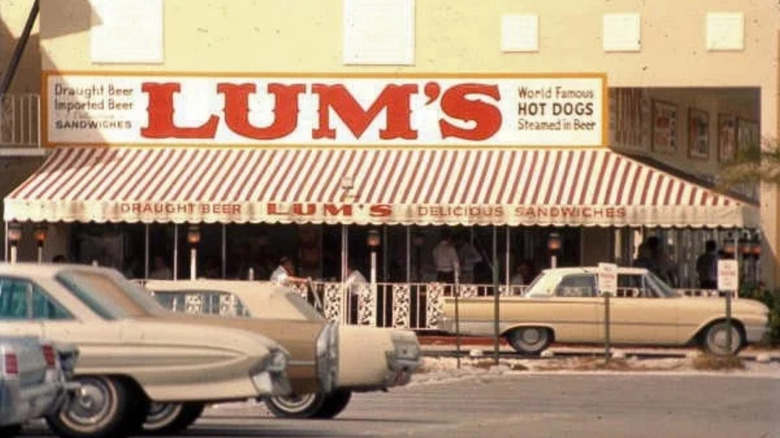
For many boomers, the name Lums brings to mind juicy hot dogs steamed in beer and flavorful Ollieburgers. Founders and brothers Stuart and Clifford Perlman opened the first location as a simple diner in Miami Beach, Florida, in 1956, and it quickly earned a solid reputation for its unique beer-infused hot dogs, topped with sherry-flavored sauerkraut and chopped sirloin with barbecue sauce. Within a few years, the brothers began franchising, and by the 1970s, they had over 400 locations across the country.
Despite its broad reach, Lums began to struggle financially in the late 1970s. That's when John Y. Brown Jr. stepped in. He had previously built Kentucky Fried Chicken into a powerhouse and aimed to do the same with Lums. Brown brought Ollie Gleichenhaus on board, who was renowned for his Ollieburgers, made with 23 herbs and spices and topped with signature sauce. The hamburgers gave Lums a major boost, and the chain hung on for another few decades, with the last one closing in 2017. The hot dogs are no more, but you can still get Ollieburgers at two remaining "Ollie's Trolley" locations in Louisville, Kentucky, and Cincinnati, Ohio.
4. Howard Johnson's
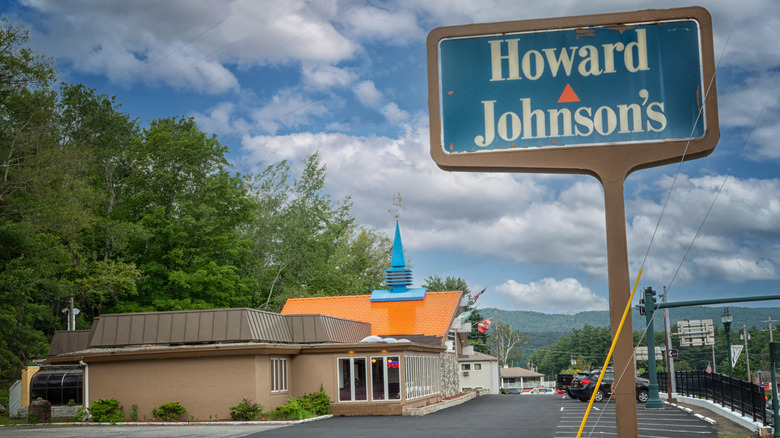
Long before McDonald's golden arches were popping up like mushrooms all over the United States, there was one restaurant chain that ruled the roadways, and that was Howard Johnson's. The story began in 1925, when a young Howard Deering Johnson bought a drug store and soda fountain in Quincy, Massachusetts. He saw how popular ice cream was and developed his own extra-creamy version in 28 flavors. That led to more ice cream stands, and eventually full-service restaurants that offered dishes like fried clams, steak sandwiches, and barbecue pork chops.
Johnson had a keen eye for business and recognized the rise in automobile drivers, so he placed many of his restaurants along highways and fitted them with bright orange roofs that were easy to spot. Diners loved them for their family-friendly atmospheres and hearty comfort food. By the 1970s, roughly 1,000 "HoJos" spanned the U.S. Unfortunately, that was the company's final golden decade. After Johnson retired, the company suffered from serious mismanagement, and that led to a decline in quality, profits, and eventually locations. The restaurants struggled for a while, but in 2022, the last standalone Howard Johnson's restaurant closed for good.
5. Godfather's Pizza
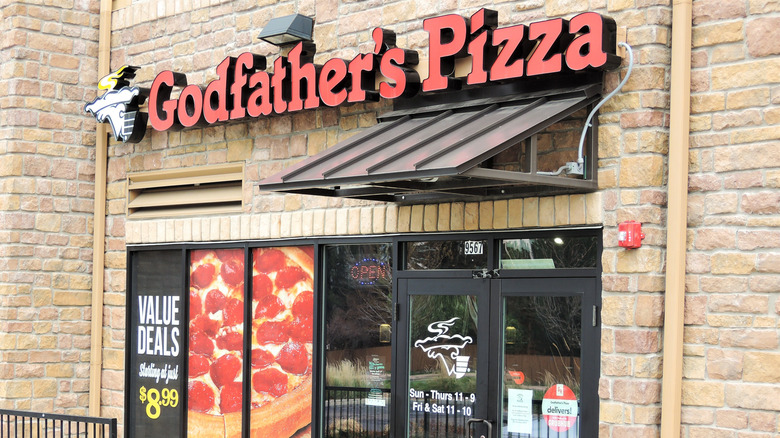
Pizza chains were nothing new in the 1970s. Pizza Hut, Domino's, and Little Caesar's had already been on the scene for roughly a decade. There was one chain that was about to give them a run for their money, though, and that was Godfather's Pizza. In 1973, friends Greg Johnson and Willy Theisen decided to take a gamble and open a pizza joint in Theisen's bar in Omaha, Nebraska. They named it after the hit film "The Godfather," which came out just the year before, and offered up thick-crust pizzas loaded with ample toppings. People loved the hefty pies, and within a year, the friends were franchising.
Godfather's Pizza took off like wildfire in the late 1970s, partly because of its catchy ad campaign featuring a Godfather character who told folks he had "an offer you can't refuse." By the 1980s, there were close to 1,000 locations across the U.S. But competition was tough, and while other chains adapted with the times, Godfather's struggled to stay relevant in the 1990s and 2000s. Today, the chain's footprint has shrunk by about half, but the good news is Godfather's Pizza is still thriving, mainly in the Midwest.
6. Steak and Ale
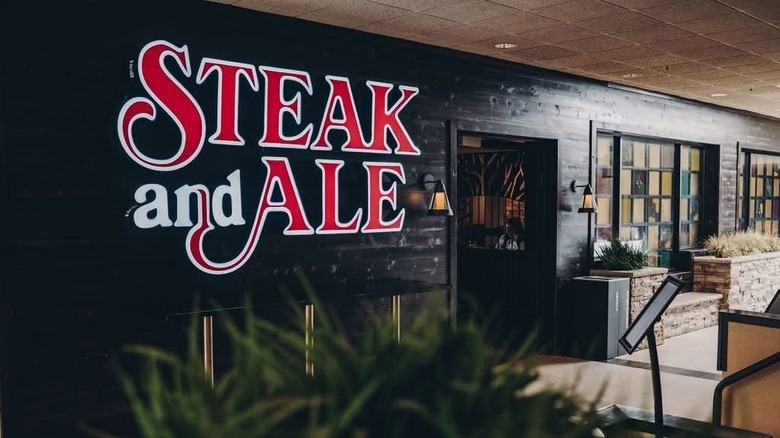
Styled like a cozy English pub, Steak and Ale was the spot many boomers went when they wanted a special occasion dinner that wouldn't break the bank. The chain was the brainchild of Norman Brinker, an Olympic equestrian turned restaurateur. He opened the first restaurant in Dallas, Texas, in 1966, and it instantly drew people in with its classy stained glass windows and wooden beams, as well as its well-priced steaks, herb-roasted prime rib, and salad bar. In fact, many credit Brinker with popularizing the all-you-can-eat salad bar concept at Steak and Ale.
By the 1970s, Steak and Ale had numerous locations, and the brand was gaining attention not just from diners but also from investors. Brinker took it public in 1971, and a few years later, he joined forces with Pillsbury to build the brand up even further. After he left in 1983 to found Chili's, Steak and Ale held on for a while but eventually lost business to other popular chains like Applebee's and (ironically) Chili's. In 2008, it shuttered all locations. Just recently, though, Legendary Restaurant Brands brought it back to life with a location in Burnsville, Minnesota, that offers the same pub-like vibes and many of the original dishes.
7. Wag's
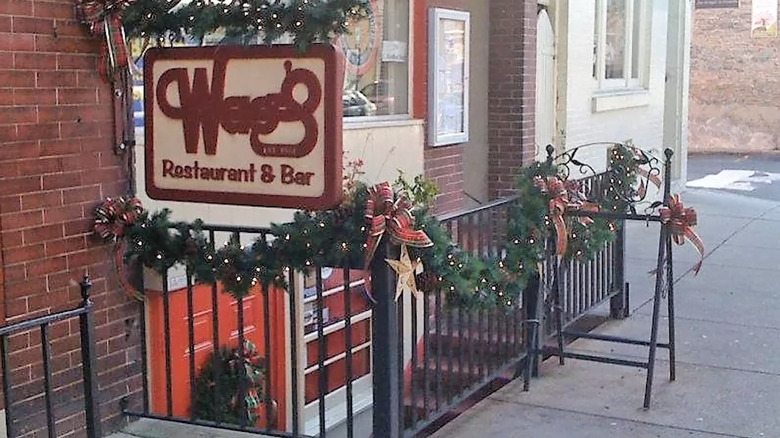
It might seem odd now to think of grabbing a meal at a Walgreens drugstore, but the chain actually has a long history of serving refreshments. Charles R. Walgreen founded the chain in Chicago, Illinois, in 1901, and just a decade later, he added soda fountains to the pharmacies that served both hot and cold food and drinks. In 1974, the company went one step further and created Wag's, a family-friendly restaurant chain. Modeled after popular diners of the time, like Denny's, it served comforting all-American fare 24 hours a day, seven days a week.
Wag's did well throughout the late 1970s and into the 1980s, with diners flocking to the locations for tasty eats like French toast, club sandwiches, and chicken fried steak. They also offered breakfast dishes, plus a kids' menu with items like hot cakes, grilled cheese sandwiches, and spaghetti. Even better, every Tuesday evening, kids could eat for free. It's unclear why Walgreens sold the chain to Marriott in 1988, but that marked the beginning of its demise. By 1991, all of the Wag's restaurants were either closed or repurposed.
8. Shakey's Pizza Parlor
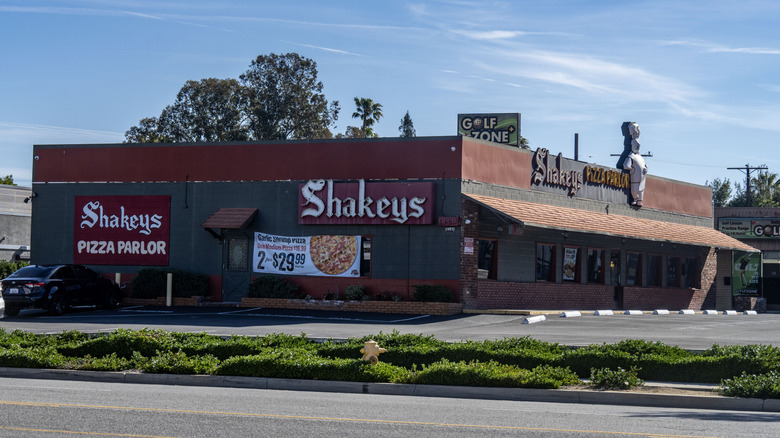
Pizza was having a moment in the 1970s, and one of the decade's most popular places to get a slice was Shakey's Pizza Parlor. It first opened its doors in Sacramento, California, in 1954, making it the oldest pizza chain in the U.S. Founded by Sherwood "Shakey" Johnson and Ed Plummer, it started as a convivial spot where guests could enjoy live music, cold beers, and bites like thin-crust pizza and chicken and chips, living up to Johnson's mantra: "You'll have fun at Shakeys ... also pizza."
Shakey's was popular right from the get-go, and within a few years, franchises were popping up in other states. It reached its zenith in the 1970s, when there were over 500 locations across the country. Since then, the chain has slowly shrunk in the U.S., although there has been talk of reviving the brand lately. About 50 locations along the West Coast currently serve a variety of pizzas, including the Rustic Garlic Chicken and Ultimate Meat, as well as the chain's famous fried chicken and battered, seasoned Mojo potatoes.
9. Next Door
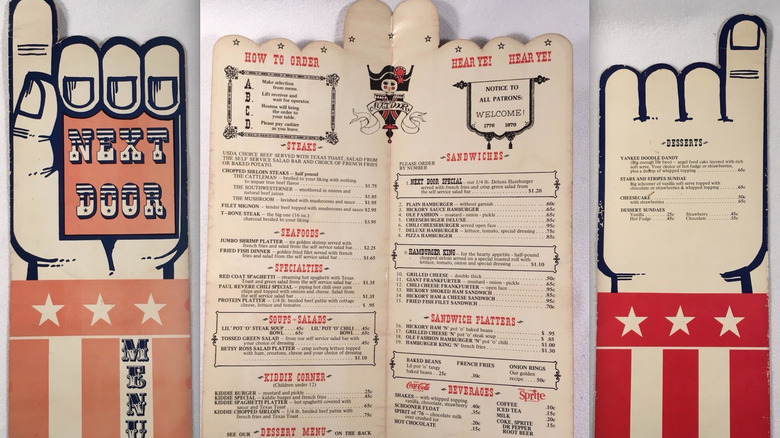
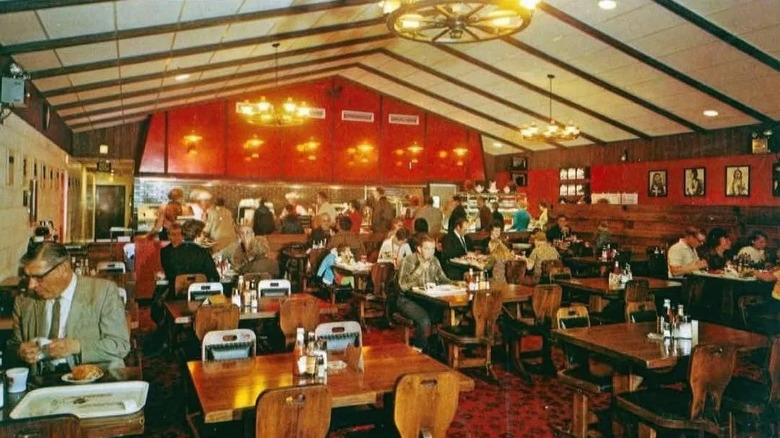
The Disco Era gave rise to many themed dining chains in the U.S., some of which have stuck around against all odds. Others made an initial splash, but then quickly faded away, like the quirky Next Door chain. Pizza Hut launched the restaurants in 1970, featuring white exteriors with bright red roofs and toy soldiers on the sign. Inside, wood-paneled walls, colorful cut-glass lampshades, and red leather booths lined the room. Each booth also featured a red telephone that diners used to place orders.
Since Pizza Hut owned Next Door, you might think pizzas would be on the menu, but the chain actually focused more on burgers and steaks. Other menu options included spaghetti, chili, and seafood options like the fried fish dinner. And because it was the 1970s, of course each restaurant had a self-serve salad bar. They also offered quirky desserts like the Stars and Stripes Sundae and the Yankee Doodle Dandy (angel food cake with soft serve ice cream). It's unclear why the chain disappeared, but we do know it didn't even last through the decade. That said, it did inspire a slew of copycat tele-dine restaurants.
10. Victoria Station
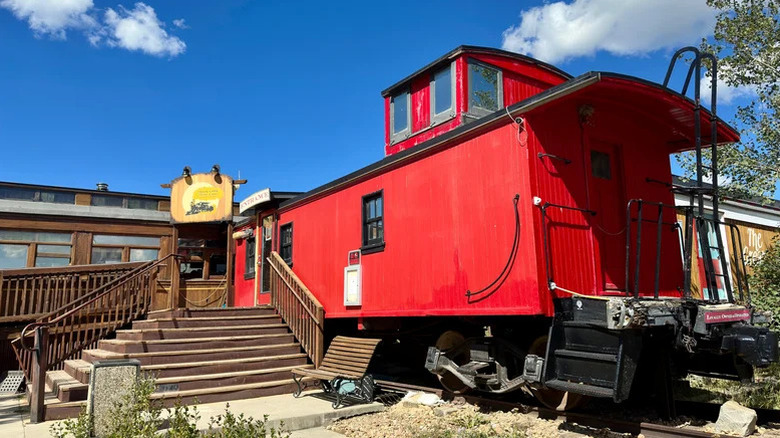
In December of 1969, three graduates from the Cornell University Hotel School opened an unconventional restaurant in San Francisco, California, that would go on to become one of the hottest spots in the city. It was called Victoria Station and it featured old railway boxcars for dining rooms. British railway artifacts lined the walls and there was a bright red London-style phone booth at the entrance. Within a few months, there were lineups out the door, and a few years later, there were over 100 locations in the States and Canada.
Victoria Station thrived throughout the 1970s, not just for the novelty of dining in railway cars, but also for its enticing menu. The star dish was the roasted prime rib, but you could also opt for barbecue beef ribs, teriyaki beef kabobs, and Shrimp Victoria (jumbo shrimp sauteed with wine and plenty of garlic). Sides included sauteed mushrooms, baked potatoes, and selections from the salad bar. It seemed like the chain had real lasting power, but things started to go south in the early 1980s. Rumor has it that management dropped the ball, and in 1986, the chain declared bankruptcy. The next few decades saw a steady decline, and in 2017, the last location closed.
11. Pizza Inn
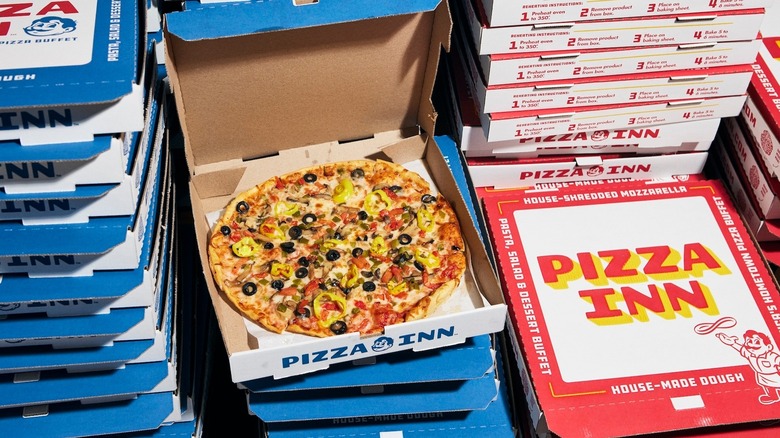
Born in Dallas, Texas, in 1958, Pizza Inn was one of several pizza companies that would go on to dominate the American market in the 1970s and beyond. It became famous for its thin crust pizzas with a variety of toppings like Canadian bacon, hot jalapeños, hamburger, and green olives. Owner Joe Spillman began franchising in 1963, and from there, it was on an upward trajectory. By the 1980s, there were over 800 locations in multiple states, placing the brand in the same ranks as chains like Little Caesars and Godfather's Pizza.
Part of Pizza Inn's appeal was its willingness to innovate. In the 1960s, it introduced a pizza buffet. Then came the Taco Pizza in the 1970s and the Bacon Cheeseburger Pizza in the 1990s. But for all its inventiveness, the chain still struggled to compete in the pizza boom that was taking over America. Financial woes led the company to shutter of numerous stores in the 1980s and 1990s. It's not all bad news though. Today, there are about 400 locations left worldwide where you can sample unique pies like the Loaded Baked Potato, Spicy Asian Chicken, and Spinach Alfredo.
12. PoFolks
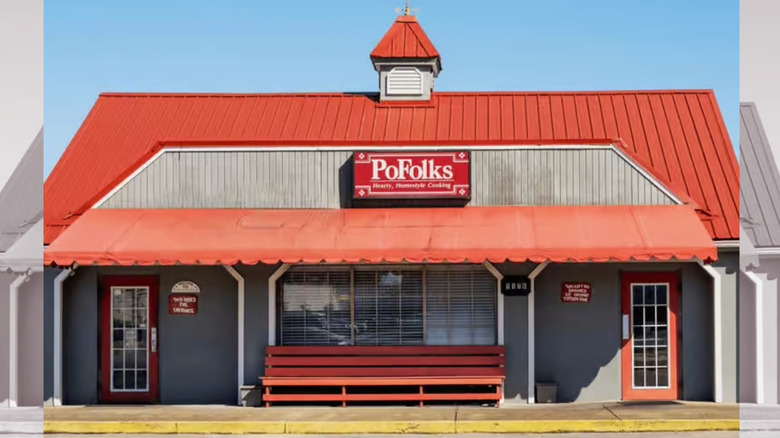
While some 1970s chain restaurants relied on flashy gimmicks like gussied-up railway cars for dining rooms or guests ordering food by telephone at their tables, PoFolks went the opposite way. Founded in Anderson, South Carolina, in 1975, the concept focused on rustic country vibes and homestyle meals just like a Southern grandma would make. The dining rooms featured farmhouse decor like checkered tablecloths, and the food was predominantly deep-fried. PoFolks was also known for serving drinks in Mason jars.
Named after country singer Bill Anderson's song Po 'Folks, the chain made a big splash with diners for its laid-back ambiance and tasty comfort food dishes like the Chicken an' Dumplin' Dinner and Kuntry Fried Steak. By the 1980s, it had over 100 locations in multiple states. When Krystal Co. took over in 1985, it continued expanding the business at a rapid rate. It's unclear what went wrong in the following years, but in 1988, Krystal filed for bankruptcy and sold off numerous restaurants. Today, only five locations remain, all of which are in Florida.
13. Beefsteak Charlie's
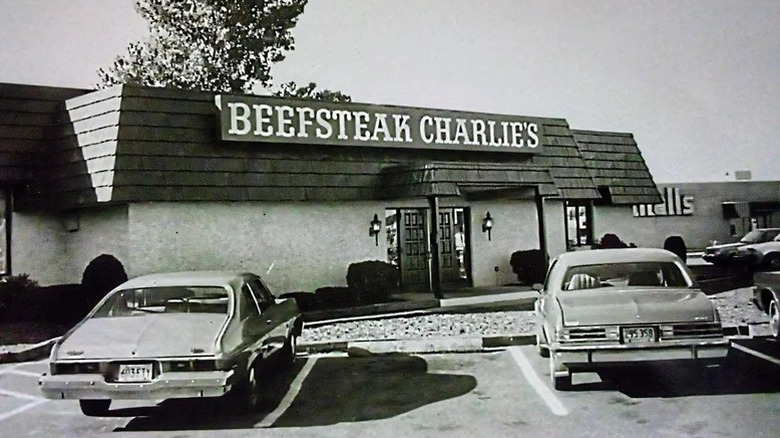
Beefsteak Charlie's was a Boomer-favorite steak-and-salad bar chain that thrived in the 1970s, but its history goes back much farther. The chain was inspired by a New York City restaurant that opened in 1910 and took its moniker from the nickname of a newspaper sports editor. True to its name, the spot offered meaty dishes like beefsteak sandwiches and steaks. It was wildly popular in the 1960s, but never expanded to other locations. The chain began in 1975, when a man named Larry Ellman started renaming his failing Steak & Brew restaurants Beefsteak Charlie's.
Despite the shameless appropriation, the newly renamed (and quickly trademarked) Beefsteak Charlie's chain became a huge hit thanks to its clever marketing. The ads promised quality steaks at low prices, plus perks like all-you-can-eat shrimp and salad bars and all-you-can-drink wine, beer, and sangria. The chain was on a roll through the mid-1980s, when it had nearly 70 locations. But like many chains on this list, it succumbed to bad business decisions and filed for bankruptcy in 1989. The chain hung on for another decade, but in the 2000s, its run officially ended.