

12 Best Ways To Enhance Cheap Scotch

Scotch whisky is a mighty spirit. The base ingredients of yeast, grain, and water are deceptively simple, and in the skilled hands of distillers, they can be crafted together to yield a profoundly deep and complex product with a spectrum of distinct flavor and aromatic profiles inspired by ingredient variations, regional Scottish terroir, and brand-specific decisions.
That being said, there are also wide disparities between expensive, single malt Scotch with significant aging and cheaper, younger, blended Scotch aged closer to the minimum requirement of only three years. Choosing to shop the less expensive, bottom-shelf Scotch does have advantages — a strict spending plan means you'll save more money, and you can buy more while paying less. The downside, though? A cheap Scotch often tastes harsher, rougher, and sharper on the palate.
But a lesser quality spirit won't stop us from snatching that smaller receipt. There are so many ways to enhance a cheaper whiskey, and we have two of the best experts to help us imbibe on a budget with thirst-quenching success. Lisa Considine is co-owner of Lo Bar Cocktail Services and has been bartending for over two decades. Chris Walster, resident whiskey expert at The Cask Connoisseur, has four decades of spirit-specific experience. While both acknowledge there is no right way to drink Scotch, Walster explains, "The best enhancement is finding the serving style that suits your own palate rather than chasing someone else's rules." By following their detailed suggestions and advice, our experts will guide you as you learn your own preferences.
1. Dilute Scotch with water

Scotch certainly doesn't have a shy personality, especially at a lower price point. Lisa Considine says, "One of the most notable things about a cheap Scotch can be its harshness in flavor and the heat of the spirit, or the burn." An easy trick to improve a lower-quality whisky is to dilute it with water. Adding a few drops can help uncover more subtle flavors and aromas usually overwhelmed by Scotch's roughness. Chris Walster also acknowledges the simple impact of dilution, saying it particularly helps soften higher-proof or younger styles.
Both Considine and Walster warn about over-dilution. Considine explains that "adding water to Scotch or whiskey can be compared to adding salt to a meal when cooking: a small amount can enhance the flavors, but too much and it will be ruined." To avoid going too far, they both suggest starting with a few drops and gradually increasing the amount until the harshness is tamed to a level you prefer.
Diluting with water isn't a new idea — among the many myths surrounding Scotch, it's actually considered common practice. Walster notes a basic guideline that "all Scotch should be diluted with water to 30% ABV. So in a standard 40% bottle, this means adding 25% water." If you want to add water all at once, rather than a few drops every time you make an individual drink, pour the entire bottle of Scotch into a larger whiskey decanter and mix in filtered water.
2. Chill your drink (or the glass)
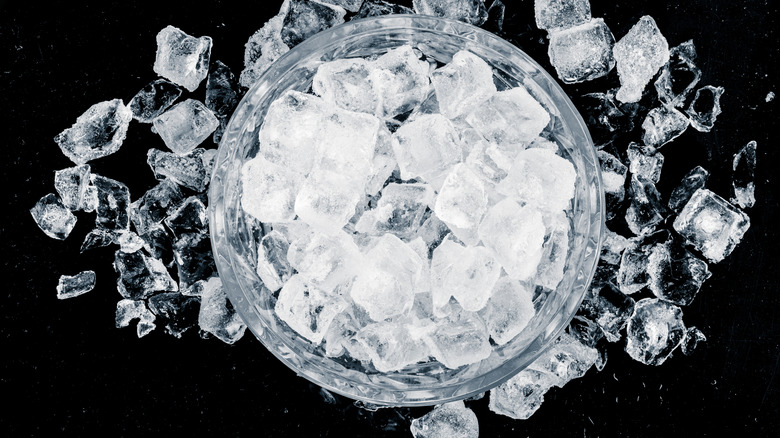
There's a clear division amongst whiskey imbibers when answering a simple question: chill it, or don't? Even though Chris Walster favors Scotch served at room temperature, he recognizes the benefits of chilling a cheaper make, as it can soften its roughness. Similarly, serving Scotch over ice can also help reduce its intensity. Walster says, "It works because it mellows any harsh flavors and could reveal any subtle flavors."
Still worried about over-dilution? Lisa Considine shares a couple of solutions: "For cocktail aficionados who love specialty bar gadgets, there is such a thing as whiskey stones, which you can freeze, and they act like ice cubes, chilling the spirit without melting/diluting it. Another technique could be simply chilling the glass." If you like to entertain and drink regularly, buy multiple sets of whiskey stones so you can keep a constant rotation in your freezer. For the glassware, place it in the freezer for at least 10 minutes to thoroughly chill it. To keep it as cold as possible, remove the glass directly before serving so it isn't at room temperature longer than necessary.
3. Make a warm beverage
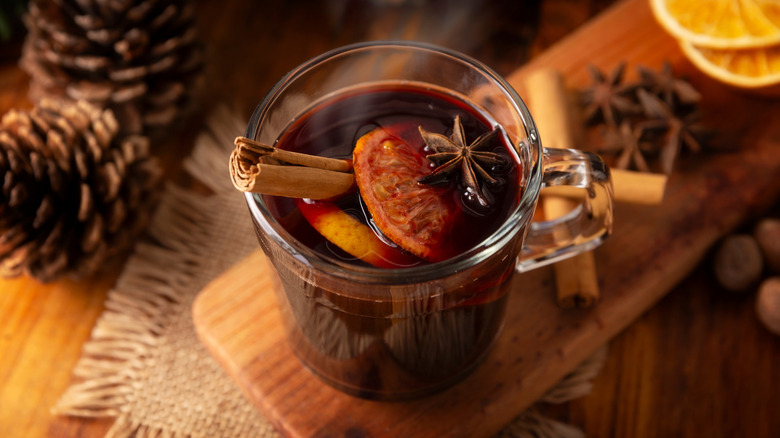
The complete opposite of chilling, warming a cheaper spirit can also achieve deliciously positive results. Chris Walster recommends a neat trick that's easy and accessible for households with a microwave: "A tip that I've actually never tried with Scotch, but does work with bourbon, is to warm it up in the microwave (carefully) for about 10 seconds. This can soften ethanol notes and mimic the effect of aging. Just don't overdo it, or you'll cook it." Avoid using your stovetop for this kind of preparation, as its more direct heat will be too forceful compared to the microwave. Let the Scotch cool completely to room temperature before drinking.
During the colder fall and winter months, you can use some of your spirit to make popular warm beverages, like a hot toddy or mulled wine. Adding Scotch to these drinks reduces its strength and treats it as a supporting ingredient rather than a solo sipper. Customize the beverages to your own preferences. You can add different sweeteners, fresh or dried herbs, assorted spices, fruit juices, and fresh or dried fruit.
4. Combine Scotch with citrus fruit

Citrus fruits are simple, cost-effective ingredients that can brighten an inexpensive spirit. "Adding flavors to cheap and sometimes unpleasant spirits laid the foundation for cocktail culture as we know it," explains Lisa Considine. Something as simple as a slice of fresh lemon or orange can add a burst of brightness. Consider using different varieties of lemons or oranges, choosing from the sweeter options like Meyer lemons or Navel or Cara Cara oranges. You might want to skip limes or grapefruits, as they can be too bitter and may clash with the Scotch's harsher profile.
Chris Walster adds, "For something more refreshing, lemonade works well, especially with lighter or grain-heavy blends, as the citrus and sweetness help round things out." You can use your own homemade version to control the flavor and sweetness levels, or use a higher-quality store-bought lemonade. Along the same lines, add a few splashes of your favorite iced tea to make a boozy beverage inspired by an Arnold Palmer.
5. Mix Scotch with another spirit

Both Chris Walster and Lisa Considine encourage people not to be afraid to experiment by blending a couple of different styles of whisky together. "Enthusiasts have been creating their own blends for years," Walster says, "and mixing a sweeter blend with a smokier one, or a light grain whiskey with a richer malt, can produce a surprisingly balanced result. Just make sure to keep notes so you can recreate combinations you enjoy."
In her bartending work, Considine has noticed a trend of mixing spirits, often in a 50/50 split of mezcal and tequila. A similar approach works for a beverage made with half Scotch and half whiskey to access that smoky flavor profile. "But use a more neutral or palatable liquor brand to supplement and balance the cocktail," Considine says. For this style of cocktail, with no other mixers added, gently stir rather than shake to avoid a murky final result and achieve a smoother mouthfeel.
6. Consider the glassware you're using

Specific glassware can help open the whisky's aromatics, letting it breathe properly as you drink. Depending on how you want to serve your Scotch, your glassware options will vary. Lisa Considine explains, "For neat pours of Scotch, I would ideally serve them in a snifter or a tulip-shaped glass to bring the aromatics of the Scotch closer to the nose as you sip. Stemware also serves a functionality of preventing your body heat from warming the spirit up."
"However," Consideine continues, "if one is serving Scotch over the rocks or mixed with seltzer, then a highball or rocks glass is perfectly acceptable. If you've chosen to mix the spirit into a cocktail, then follow whatever the recipe recommends for glassware."
Chris Walster also understands the importance of glassware selections, recommending a few distinct styles. "Using a Glencairn or a copita glass concentrates aromas and can improve the taste experience. Alternatively, using a whisky tumbler can help dilute aromas and flavors, as they are not so concentrated," he says. Both a Glencairn whisky glass and a copita glass feature a bulbous base and a tapered mouth, designed to direct and ease aromas closer to the nose for more precise sensory analysis.
7. Serve a spritzy cocktail

The effervescence of a little bubbly in a beverage gives a cheap whisky an uplifting lightness, lifting its heavier flavors and aromas. A simple two-ingredient cocktail made with Scotch and soda is fun and fizzy, and helps make the whisky more approachable. If you want to add more flavor, Lisa Considine thinks simple ingredients like freshly grated lemon zest and bitters help dress up a basic spritz. "Mixing the Scotch with soda water over ice with a dash of Angostura bitters and a lemon zest can enhance your budget-friendly at-home highball," she explains.
Chris Walster adds that ginger ale would be another refreshing option, with a bit of spice and warmth that complements the whisky rather than overpowering it. There are a lot of ginger ale brands out there, but Boylan Ginger Ale is a top choice that uses quality ingredients like real ginger instead of artificial flavors and cane sugar instead of high-fructose corn syrup. You can also make your own ginger ale from scratch by making a homemade ginger-infused simple syrup and combining it with either tonic water or club soda.
8. Add sweeteners for balance
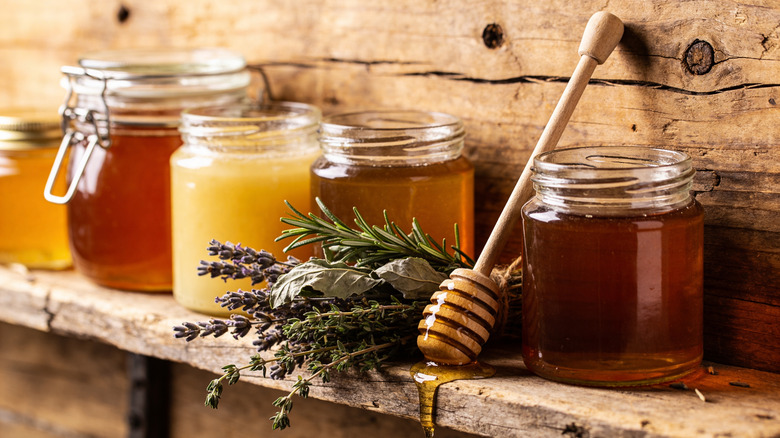
Sweeteners are a strategic addition to mellow a bottom-shelf whisky's undesirable intensity and harshness, calming the more savory, volatile notes and adding balance. Crafting a thoughtful cocktail is a great way to incorporate sweeteners through a structured process with set measurements and mixing styles. Lisa Considine suggests making a Penicillin, which "combines your choice of Scotch with fresh lemon, honey, and ginger, shaken over ice to provide additional dilution. Adding all these ingredients could make the spirit a bit more palatable."
Considine also advises trying cocktails that use Scotch as a minor complementary feature, rather than as the base spirit and main flavor component. She explains, "You may enjoy the taste of a Rusty Nail (which combines Scotch with Drambuie, a Scotch-based honey and herb liqueur) over a Godfather or a Rob Roy, as both of these use a larger ratio of Scotch in the build of the cocktail." A cocktail like a Rusty Nail can be an approachable introduction to a stronger spirit like Scotch, since the sweeter base creates a softer, more subtly flavored beverage.
9. Use an infusion spiral

An infusion spiral is a small, screw-shaped home bartending tool made from charred or toasted oak. Added to a bottle of Scotch, the spiral is meant to alter and improve the spirit's flavor profile by mimicking the environment of oak barrel aging, releasing notes of vanilla, caramel, wood, and spice. Lisa Considine further explains, "The cross-grain cut of the spiral achieves this flavor significantly faster than barrel-aging. There are a few varieties that can be experimented with, and different ways to manipulate the flavor." Often no more than twenty dollars for a set of two, an infusion spiral is a price-friendly accessory meant for fun, experimental manipulation to add depth of flavor.
"While they won't recreate years of maturation or completely disguise a poor-quality whisky," Chris Walster says, "they can help round out rough edges and add a little more complexity. The key is not to overdo it. Leaving a spiral in for too long can overwhelm the original character with too much oak or bitterness, so it's best to taste the whisky regularly throughout the infusion process." Considine specifically recommends tasting after the first week and deciding whether to continue extracting, which could take two or more weeks. If you're planning to buy multiple bottles of a cheaper Scotch, you could test different infusion lengths to figure out what you like best, with less risk on a smaller purchase.
10. Avoid filtering Scotch
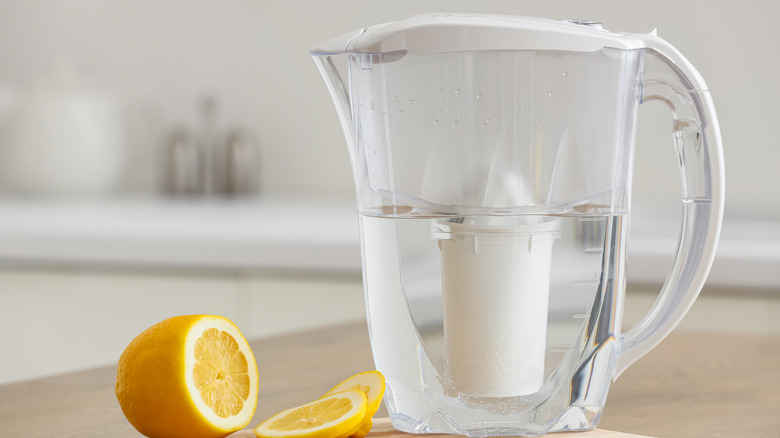
Both experts advise against filtering, arguing that it may erase Scotch's bolder aromatics and flavors that define this complex spirit. Lisa Considine humorously exclaims, "I have heard many tales of college kids pouring cheap vodka through a dormitory Brita charcoal filter claiming that it purifies the spirit and boasting that it tastes better and even prevents hangovers ... According to my research, this can be done with any spirit, but the reason it 'works' with vodka is because it is a neutral spirit to begin with."
Chris Walster believes filtering or forced aeration won't lead to significant improvements. "Once a Scotch has been bottled, its flavor profile is essentially set, so running it through a filter won't remove the harsher notes without also stripping away some of the desirable aromas and flavors that give the whisky its character."
There are far less risky ways to let a cheap Scotch breathe and aerate. Once you pour the spirit into a glass, Walster advises against drinking it immediately. Instead, let it settle for a few minutes, then swirl it a few times before taking the first sip. This simple step gently and naturally releases the initial burst of volatile alcohol compounds, softening the spirit in a way that won't be as abrasively stripping as a filter.
11. Pair Scotch with different food
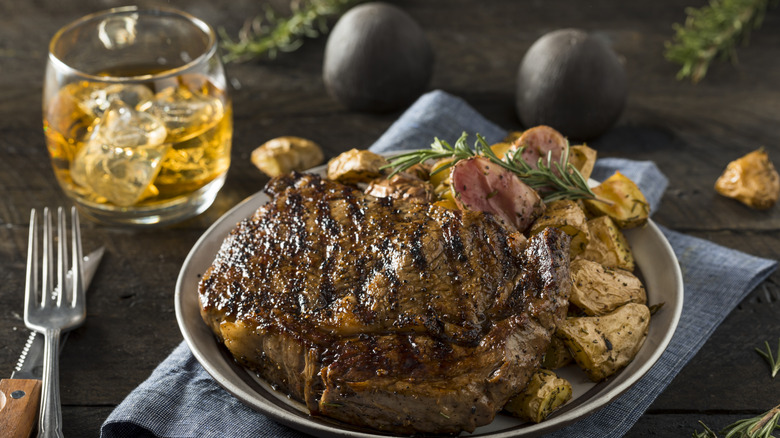
There are many points to consider before pairing food with a smoky whiskey. An intensely peaty, smoky spirit can easily overpower more delicate foods, so the goal is to strike a balance when coordinating your menu selections. Salty, fatty foods with a big umami impact (think steak, sausage, aged or blue cheeses, and barbecue) help absorb the spirit's more extreme flavors and aromatic notes.
Scotch obviously will vary in profile between different brands and makes. Chris Walster offers his expertise on the subject: "One of the biggest mistakes people make is expecting a cheap Scotch to taste like an expensive one. Instead of fighting what it is, lean into its strengths. If it's light and grassy, make a refreshing highball. If it's smoky, pair it with foods like mature cheddar or dark chocolate, which can make the whisky seem richer and more complex." Before making any assumptions about pairings, do a little research. Taste the Scotch first to better discern its flavor profile based on your palate, look up pairing ideas online, and ask the sales reps at your preferred liquor stores.
12. Store the bottle properly

Proper storage will help maintain your bottle's quality for the long term, whether it's an expensive or cheap purchase. Some basic wine storage rules also apply to Scotch: keep it away from sunlight, keep it in a dry environment, keep it contained, and avoid high temperatures.
Chris Walster advises, "Keep the bottle upright, out of direct sunlight and away from temperature fluctuations. While it won't improve the whisky, poor storage can make it deteriorate over time, especially if the bottle is nearly empty." Since an emptier bottle has more space and airflow, it is more prone to oxidation, especially if you open it often or leave the lid off. Remember, after you're done mixing up your Scotch and soda — or crafting a Penicillin — be sure to screw the cap back on tightly.