

9 Old-School Cakes That Dominated The 1960s
We may receive a commission on purchases made from links.
Home kitchens in the 1960s were entirely different from what we know now, not only in design but also in what was cooked in them. Ready-made food was rare and expensive, so home baking was a daily occurrence in many kitchens, rather than the special treat it is today. Throughout the '60s, home baking began to evolve, as exciting new recipe books were released, and the range of boxed cake mixes from brands such as Betty Crocker grew to include more sophisticated options.
The 1960s offered a variety of cake styles, from the more traditional rich varieties such as devil's food cake and tunnel of fudge cake, to lighter options that seemed healthier, such as angel food cake and chiffon cake. While some never made it big outside the decade, many are still loved today, and their modern recipes evoke a sense of nostalgia for the good old days. Let's take a look at some old-school cakes that dominated the 1960s.
1. Angel food cake
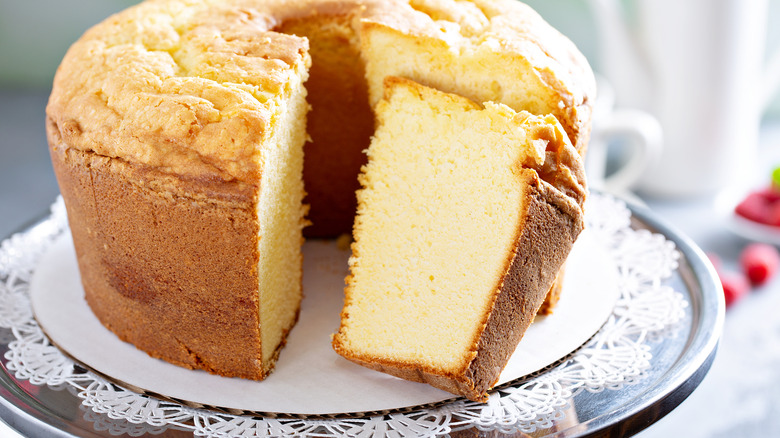
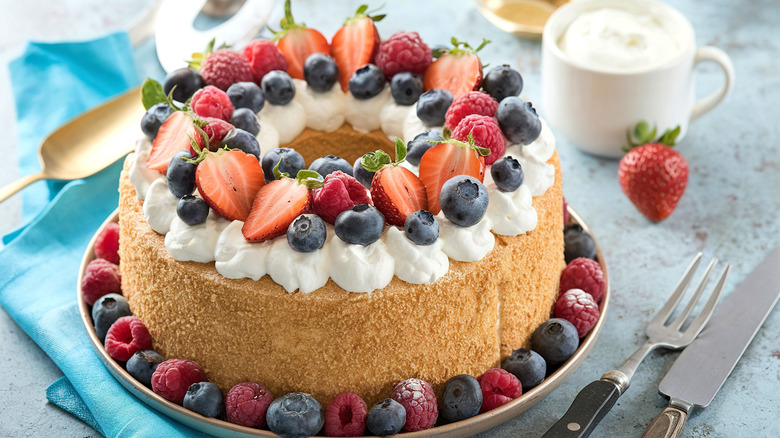
Angel cake, also known as angel food cake, was considered tricky to master, but a 1960 article in the New York Times gave practical tips for home bakers on how to succeed in recreating it at home. This classic cake was a light, airy contrast to many of the rich, chocolatey varieties that were popular at the time, and beating the egg whites correctly was the key to its success.
The recipe contained only a handful of pantry ingredients, with flour, sugar, egg whites, and a few flavorings brought together in a delicious fashion. The egg whites needed to be beaten to soft peaks, which in the absence of an electric beater would have meant an intense bicep workout. The New York Times article warned, however, that overbeating would make the mixture too heavy. Fortunately, adding cream of tartar to the recipe helps make the process much smoother.
The cake is best cooked in a tube pan with no greasing, so that the dough can stick to the pan as it rises during baking. An unusual last step is to turn the cake pan upside down as you wait for it to cool, to maintain the signature fluffiness. The lack of fat in the angel food cake makes it a popular choice, and it is still enjoyed now as a retro classic dessert, especially when served with fresh whipped cream and fruit.
2. Tunnel of fudge cake
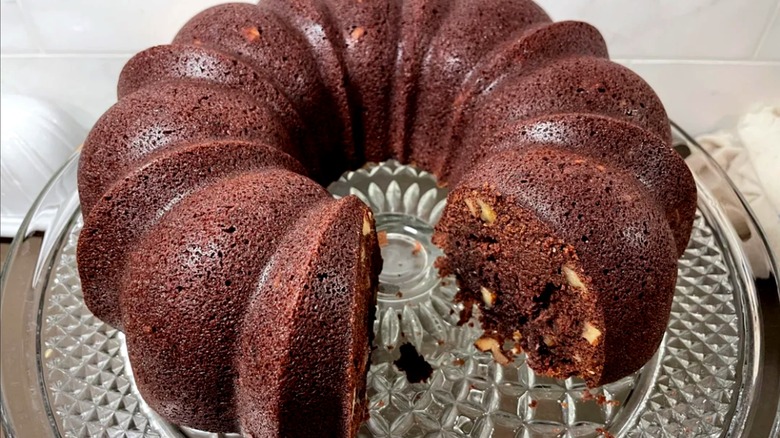
One of the most iconic cakes of the 1960s appeared midway through the decade, at the Pillsbury Bake-Off contest in 1966. Ella Helfrich didn't win the competition, coming second instead, but she introduced America to the tunnel of fudge cake, which became a long-standing favorite following the event.
The most appealing element of this delicious cake is the secret that is revealed as you cut in. What seems like a standard chocolate cake from the outside houses a gooey fudge center, turning a run-of-the-mill cake into a showstopping feat of home baking. The '60s icon was similar to the modern lava cake, with the cooking needing to be very precise to ensure the signature gooey middle remained. The outside was set perfectly in the hot cake pan, while the inside stayed wonderfully undercooked to create the delightful contrast. The recipe on the Pillsbury website still insists that walnuts are a crucial ingredient in the cake mix, giving the mixture some solidity to avoid the entire cake collapsing.
The tunnel of fudge cake phenomenon had another unexpected influence — the popularity of the bundt cake tin. While it already existed prior to 1966, the success of this recipe made it a must-have kitchen item for every 1960s home baker. Though there are ways around it, the original Pillsbury frosting mix is no longer available, leaving lovers of the fudge cake lamenting the loss of one of the decade's most-loved cakes.
3. Lemon chiffon cake
When the Betty Crocker Chiffon Cake became popular at the end of the 1950s, it was described by General Mills as "The first really new cake in 100 years!" It was a beautifully light cake mix that sat somewhere between an angel food cake and the richer, denser cakes of the time. The chiffon cake recipe was invented in the 1920s by the appropriately-named Harry Baker. He famously kept the recipe top secret, refusing to let anyone watch him make the cake, and even washing the crockery straight away to remove any evidence of the uncooked batter.
In 1948, he finally shared his secret recipe with General Mills, and as expected, the Betty Crocker version went on to be a huge hit. The secret ingredient that Baker had held so close to his chest was light, neutral-tasting oil, known at the time as salad oil. This kept the recipe light and fluffy, taking the place of the usual butter.
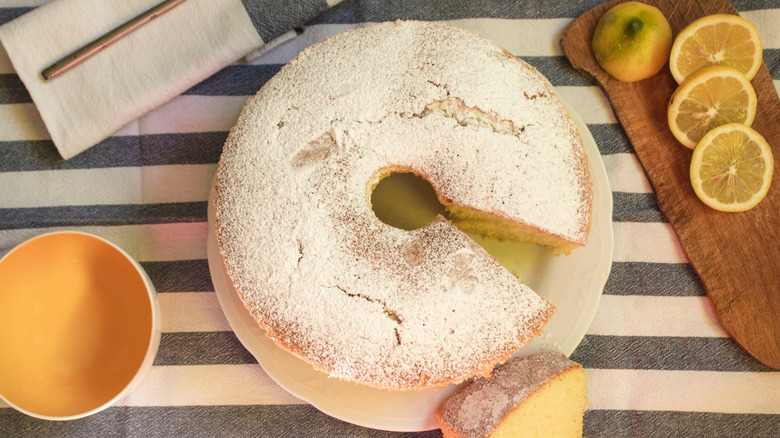
Lemon chiffon cake was a delicious, citrusy version of the "new" cake sensation, and the tangy flavor balanced the sweeter elements perfectly. It could be topped with powdered sugar, an elegant icing for a special occasion, or served simply with a hot cup of coffee. The cake is still enjoyed today, and there is even a national day to celebrate it, on March 29th.
4. Marble cake
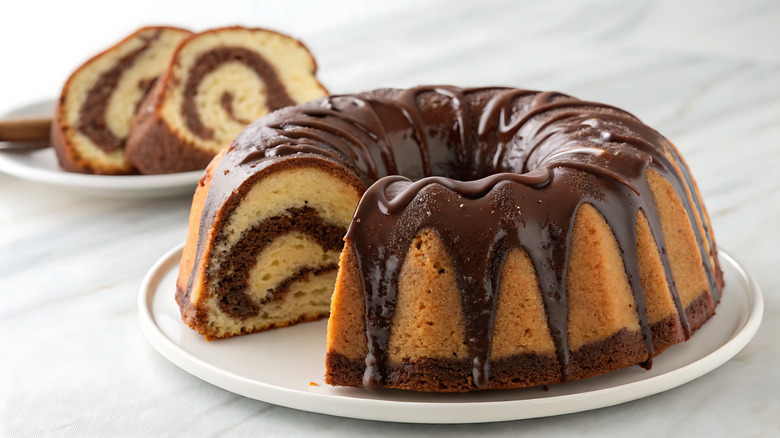
The concept behind marble cake is pretty simple, and yet it gave a visual upgrade to the usual plain cakes of the time. With swirls of color throughout the sponge, the marbling effect created an elegant twist that home bakers loved, and the release of the Betty Crocker Marble Cake Mix made it easier to replicate at home.
The original Betty Crocker Marble Cake Mix does not seem to be part of the modern range here in the States, though a similar mix is available in the U.K., under the name Chocolate Swirl Cake. It is easy to recreate, however, using a pack of yellow cake mix and a pack of chocolate, meaning you can easily whip up this fancy classic with very little effort.
5. Lane cake
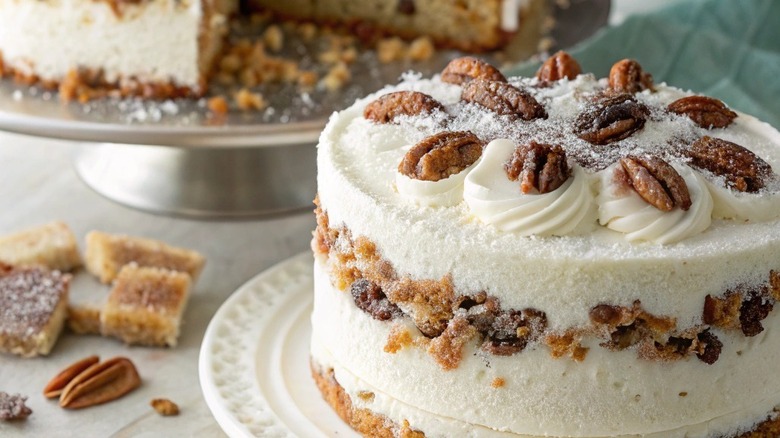
Lane cake was a classic even before the 1960s, but it was given a boost thanks to a literary moment at the start of the decade. In the 1960 novel To Kill a Mockingbird, Lane cake is featured multiple times and gave the classic some fresh attention, especially in the South.
Emma Rylander Lane invented the Lane cake in 1898 and called it her "prize recipe" after she won a baking contest at the county fair. It consists of four delicious layers of vanilla sponge separated by moist custard, laced with bourbon and raisins.
Modern versions include coconut and pecans, but according to her granddaughter's recreation of the cake, they don't feature in the original recipe. The fruit and booze in the filling are enough to balance the sweet sponge, and while this is not a quick cake to make, it is a perfect option for a special occasion.
6. Devil's food cake
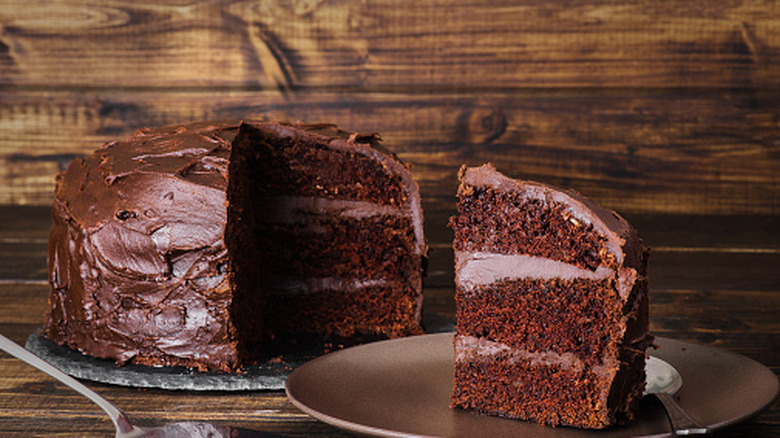
If angel's food cake is a bit too light and fluffy for your palate, give its counterpart a try instead. Devil's food cake, named by Alex Guarnaschelli as her favorite dessert, is the dark, decadent equivalent, and its deep, satisfying flavors mean that modern versions are still a hit.
The original cake was invented in the 19th century, but Betty Crocker's recipe in the 1950 classic Picture Cook Book meant it was just as popular by the '60s as its angelic cousin. The cake consists of several moist chocolate layers held together by a luxurious chocolate butter fondant, making a cake that felt special enough to be made for birthday parties, but simple enough to bake for a family dinner.
Devil's food cake is still popular today, and although modern versions use black coffee to give the cake an even darker, richer flavor, the main attraction is still the sumptuous double-chocolate elements that made the original such a huge hit.
7. Orange chiffon cake
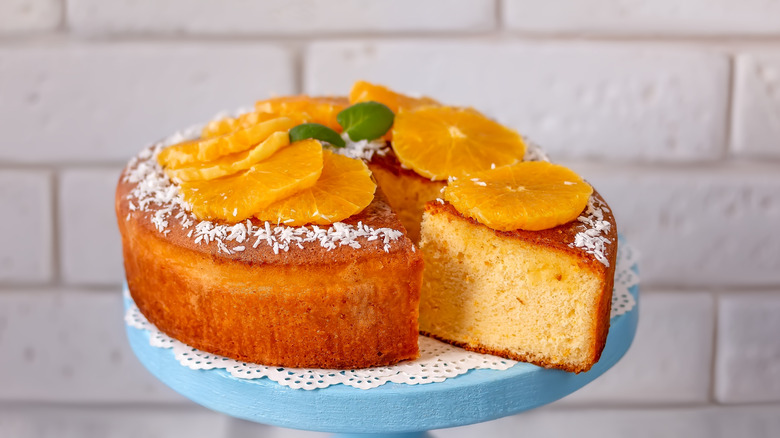
In the 1960s, lemon wasn't the only flavor of chiffon cake that was popular, with its orange cousin also keeping home bakers happy. The light nature of the cake was a big attraction for those who wanted a treat but were also keen to avoid a dense, rich option. A 1960 printed advert for Betty Crocker advertised the orange chiffon cake mix as one of the brand's five best cakes that didn't require frosting, making it a lighter option overall.
The whipped egg whites give the chiffon cake its airy feel, while the unsaturated oil that Betty Crocker mentions in its advert kept it moist. The orange version may be less popular today than its lemon counterpart, but it had the perfect balance of citrus acidity and understated sweetness. It could be served plain or with a light dusting of powdered sugar to give it an elegant finish.
8. Coconut cake
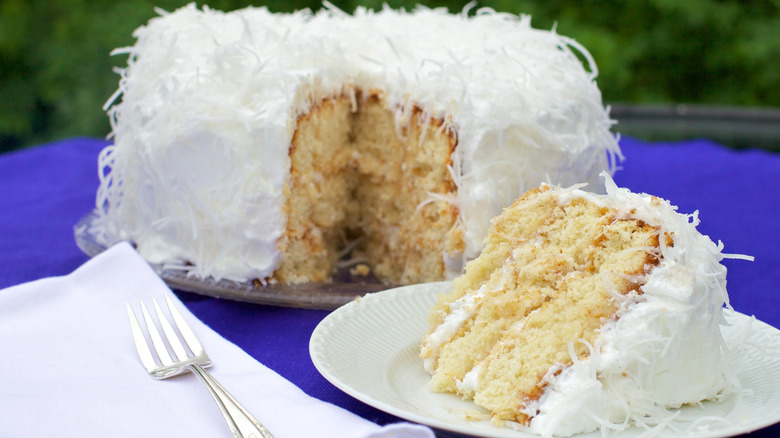
Coconut cake has long been associated with celebrations, especially in the South, and has a fascinating historical story attached. In the 19th century, enslaved Americans would perform a "cakewalk," an over-the-top dance designed to mock the fancy parties hosted by their white enslavers. The most impressive dance would win a coconut cake. The cakewalk has changed significantly since then, but the festive nature of the coconut cake still remains.
Betty Crocker featured coconut cake in the 1961 New Picture Cookbook, making the classic cake an accessible option for home cooks from the decade. The cake was built from alternating layers of crumb and frosting, with coconut featuring heavily in both, giving it a sweet and satisfying flavor. The outside was pressed entirely with desiccated coconut, which created the festive appearance. The cake takes a long time to make from start to finish, but as a cake for special occasions, it is still considered worth the effort.
9. Carrot cake
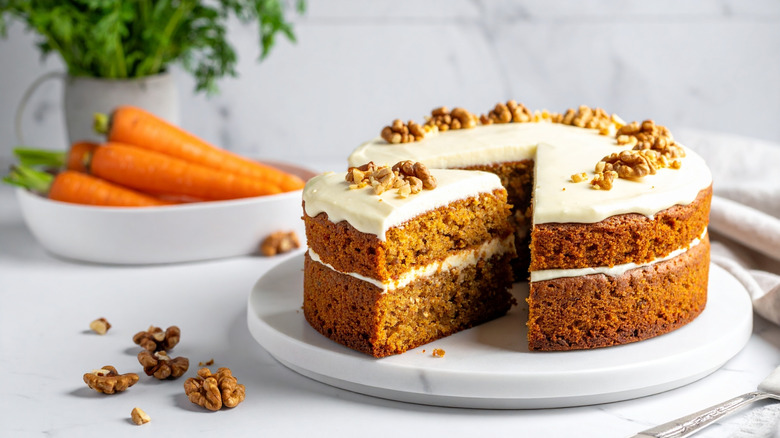
Carrot cake is famous for being one of the most popular sweet treats of the 1970s, but it was gaining ground a few decades earlier. The popularity of using carrots in cakes had been boosted in post-war Britain, as the vegetables were plentiful and could be home-grown. By the 1960s, carrot cake was starting to turn into the classic American version that we all recognize today, sporting its irresistible cream cheese frosting.
A carrot cake recipe from 1962 shows that walnuts had made their way into the mix by the start of the decade, but raisins are conspicuous by their absence. The warming spices of cinnamon and nutmeg that make this cake such a classic were also included, and the use of salad oil instead of butter gave it the light texture that added to its "healthy" reputation. Of course, carrot cake was, and still is, very much a sweet treat, but the inclusion of vegetables could be one of the reasons it has stood the test of time and remains a classic favorite today.