

12 Powerhouse Ingredients That Dominated The 1960s
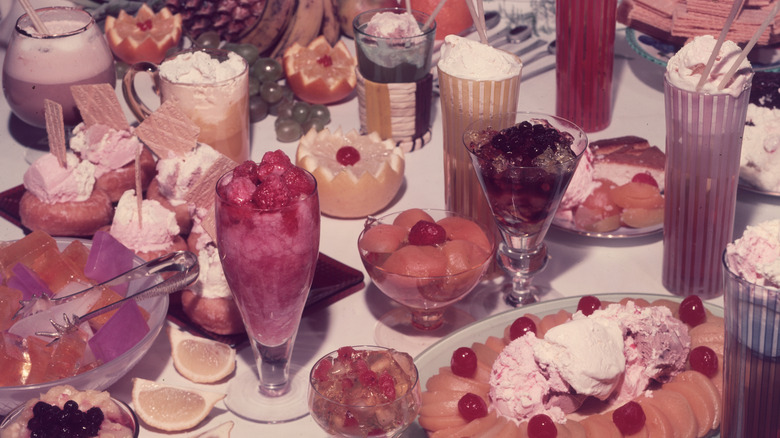
Perhaps the most pivotal decade of the 20th century, the 1960s were a time of seismic cultural shifts in music, movies, fashion, and, yes, dining. Some of the decade's foodie legacy isn't exactly gourmet, though. In fact, many foods of the time are products of convenience rather than flavor (think TV dinners and prepackaged foods, such as pop-tarts). Even so, there's no doubting that the food of the 1960s stands out.
Though the decade was defined by intense change, there are a few common foods that hold together the core of 1960s dining. To help you get a better feel for the decade's foodscape, we've gathered 12 of the most essential ingredients found in 1960s cuisine.
Gelatin
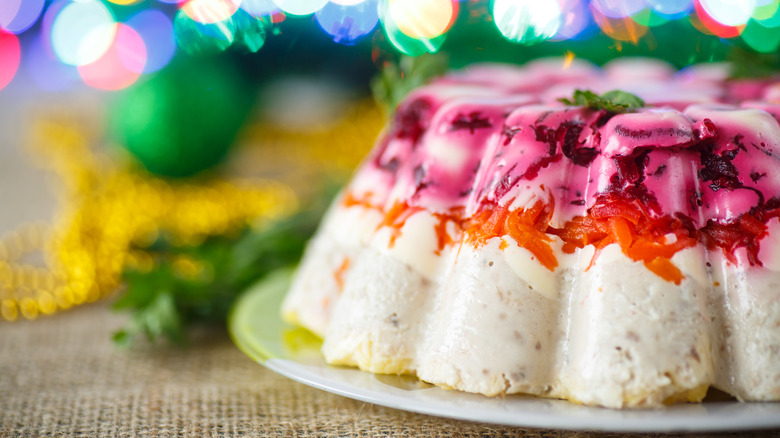
Back in the 1960s, gelatin was everything a modern diner could want. Instant gelatins (such as Jell-O) were inexpensive, shelf stable, packed with flavor, and produced visually impressive dishes. Cookbooks from the era were filled with jiggly, savory, and questionable Jell-O dinners, parfaits, and even some still-tasty desserts, such as the classic strawberry pretzel salad. Though many of these dishes now seem retro, they were major hits for increasingly busy home cooks (often housewives and mothers) who needed to make a lot out of a little.
Lipton onion soup mix
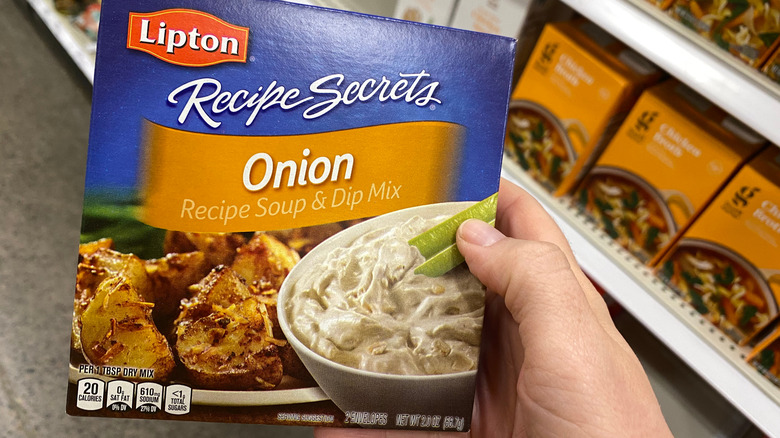
First introduced in the 1950s, Lipton onion soup mix became a downright staple in the 1960s. Used for all sorts of recipes, from soups (of course) to dips, this packet was an easy way to perk up many a dish. It still makes for a great shortcut for maximum flavor; adding a packet of Lipton onion soup mix to pot roast, for example, is an easy way to add depth without breaking the bank.
Mayonnaise
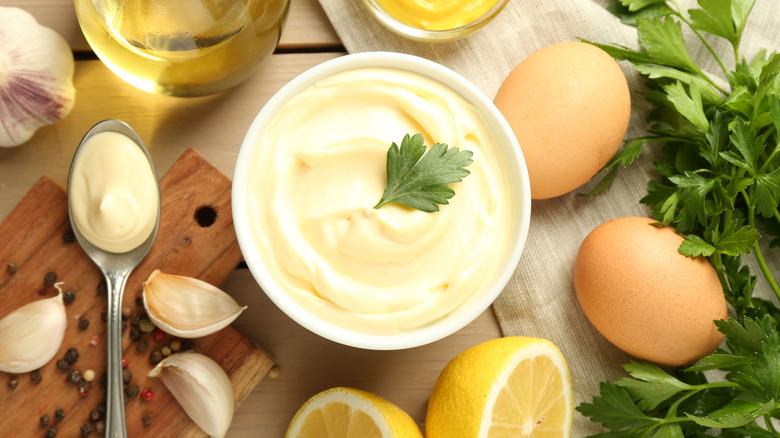
Mayonnaise has existed since at least the mid-18th century, but it wasn't until the 20th century, when industrially canned and jarred food products became increasingly available, that mayonnaise really took off in popularity. The 1960s were truly the salad days for mayo (literally — it was used in many salads, including the aforementioned Jell-O salads and the fruit-filled Waldorf salad) thanks to its tangy flavor, low price point, and convenience. It essentially acted as a shortcut for infusing flavor and creating dressings for many dishes.
Avocado
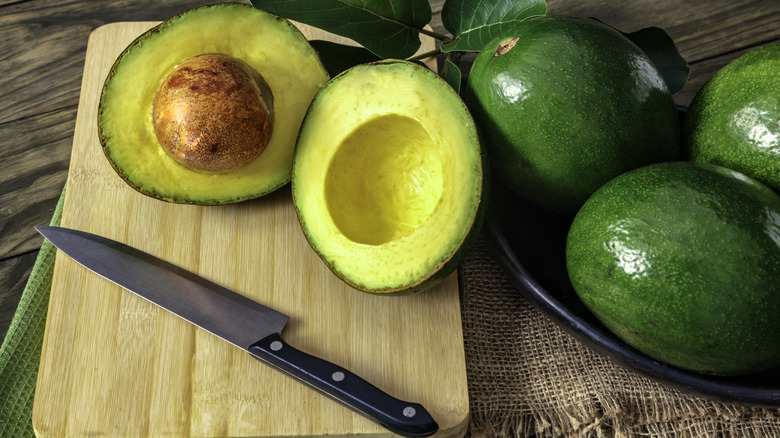
Folks in the 1960s weren't as fanatical about avocados as millennials were in the 2010s, but this creamy fruit did have a good bit of cultural cache. During this time, avocados were a centerpiece of many recipes, and they made quite the impression in 1960s kitchens since avocado green was all the rage in interior decorating. These "alligator pears" also feature prominently in Sylvia Plath's 1963 novel "The Bell Jar."
Canned pineapple
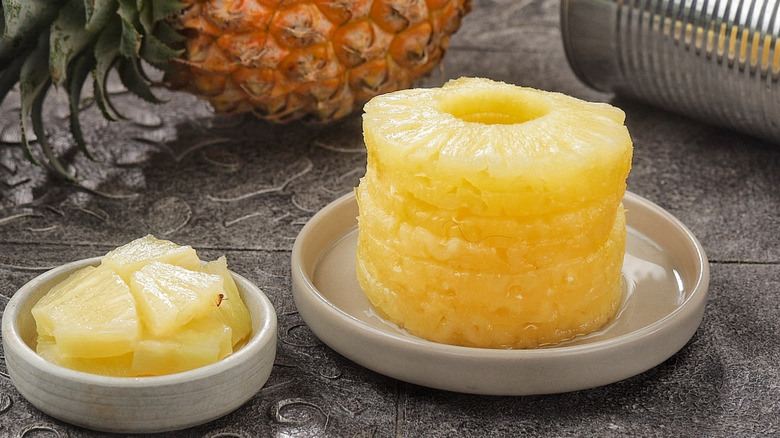
By the mid-20th century, the once-royal pineapple had became a staple American food thanks to the popularization of canning and industrial food production methods. As such, canned pineapple was downright ubiquitous in the 1960s. It was used in cakes, Jell-O salads, casseroles (including the more savory than sweet scalloped pineapples), and, yes, was placed on pizzas. Pineapples were also a huge part of the tiki trend that took the decade by storm.
Tomato juice
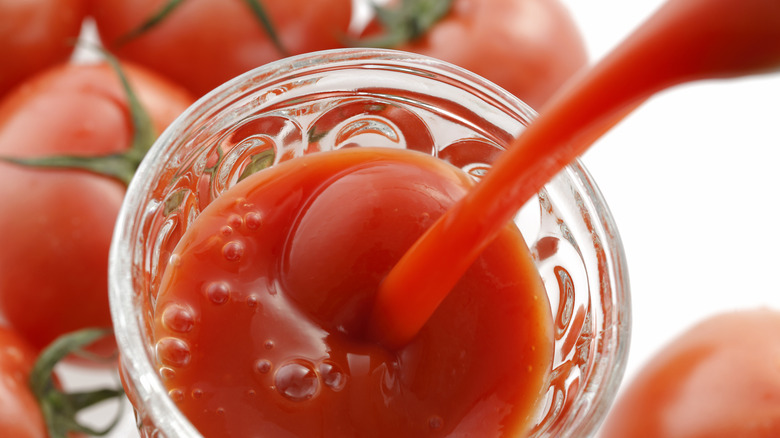
Tomato juice was all the rage in the groovy 1960s, both as a beverage and as an ingredient in Jell-O salads, cakes, and, of course, as the base for the bloody mary, an iconically 1960s cocktail. Though it was more fashionable to enjoy fresh tomato juice as an accompaniment to a meal, most people used the conveniently canned variety to cook with — and it's still a great ingredient to keep on hand.
Sour cream
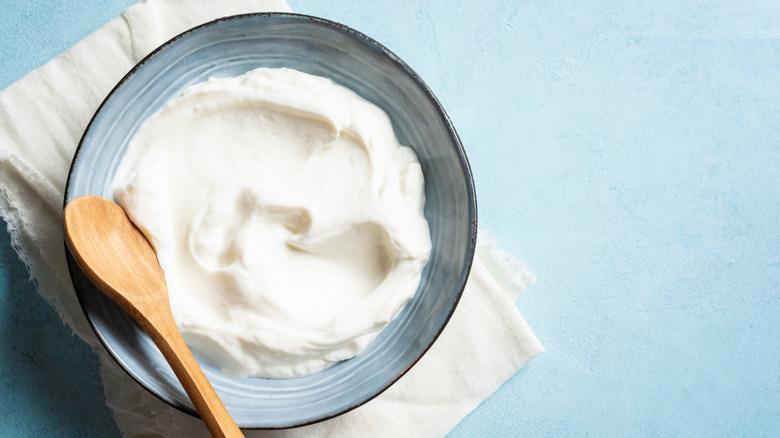
Sour cream-based dips were the MVP of any 1960s gathering. From California dip to tangy sour cream dip, there was no beating the zingy flavor of this prepackaged dairy product. It's one of many dairy products to stand out during the decade thanks to dairy's increased presence on grocery store shelves.
Shredded coconut
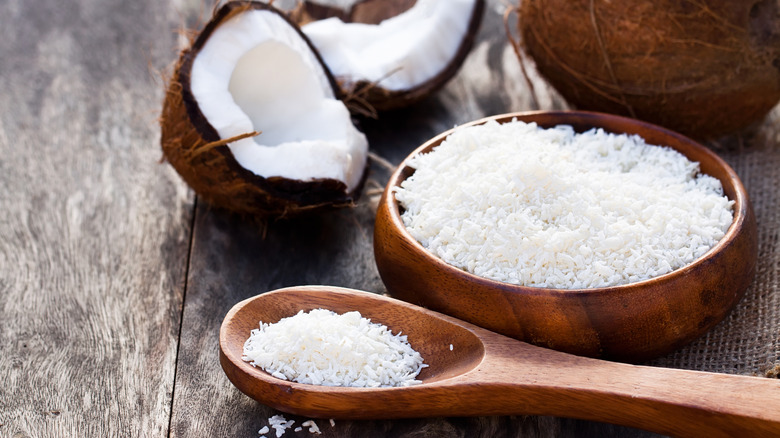
As with canned pineapples, shredded coconut was a popular 1960s fad for all things tiki and tropical. This ingredient could be found in dishes both sweet and savory (another 1960s trend: ingredients that blurred the lines between dinner and dessert), from coconut shrimp and coconut cake to cookies and many a Jell-O salad.
Cream cheese
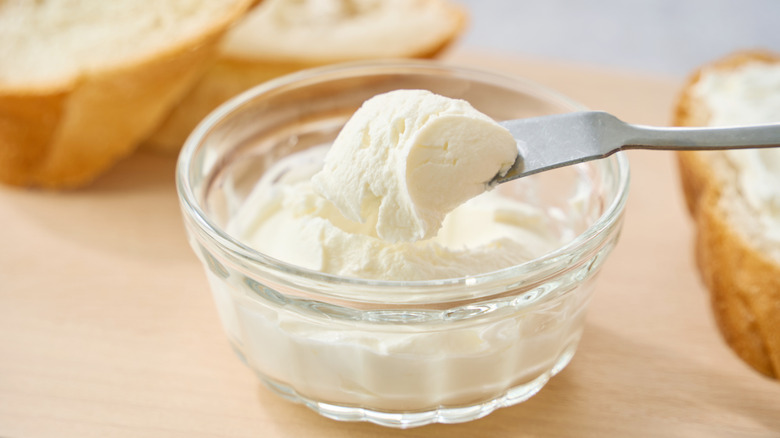
In the 1960s, cream cheese went far beyond bagel schmears and cupcake icings. During the midcentury, cream cheese could be found in Jell-O salads (the epicenter for midcentury cuisine), in dips, and on (or in) appetizers, from stuffed celery to nut-covered cheese balls. There was no party during this decade that didn't include at least a teensy bit of this tangy, spreadable cheese.
Cream of mushroom soup
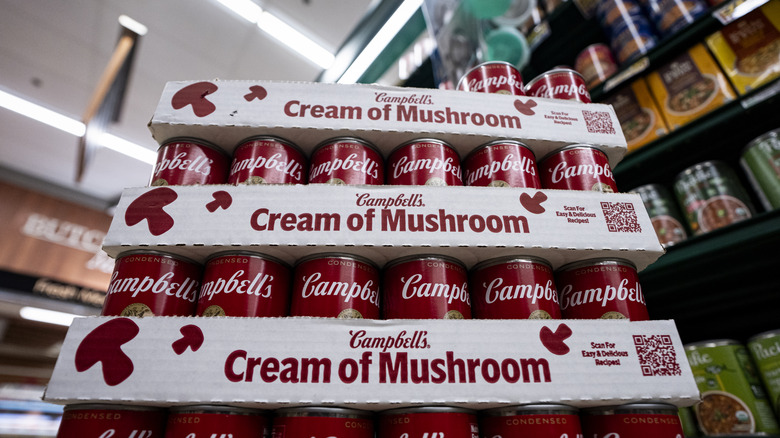
First introduced in the 1930s, Campbell's cream of mushroom soup took off as an ingredient after a Campbell's employee created the recipe for the now-iconic green bean casserole in 1955. This soup then became a true staple of 1960s dining, and was especially popular in casseroles and bakes. Then and now, it's more commonly used as a mix-in for other recipes rather than as a standalone soup.
Canned meats
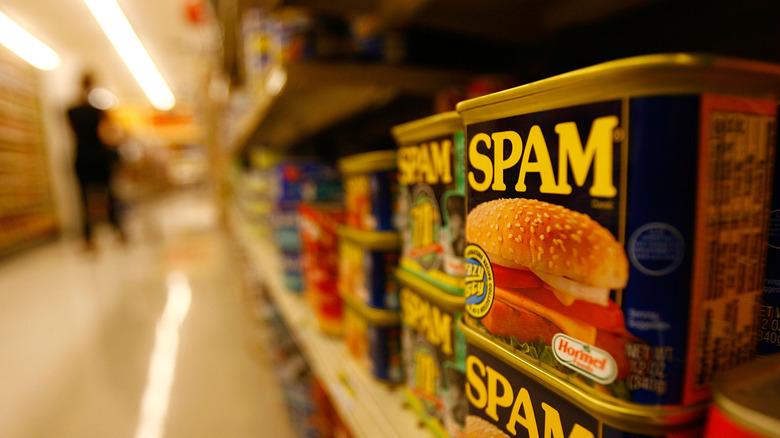
From Spam to deviled ham, corned beef, and even Vienna sausages, the food of the 1960s largely embraced canned meats as a tasty, cost-efficient, and easy-to-prep and -serve ingredient. You could find these meats in scrambles, Jell-O salads (of course), and plenty of casseroles. Many of these canned meats have largely fallen out of fashion, but some deserve a second glance; Spam and eggs is a classic, after all.
Ground beef
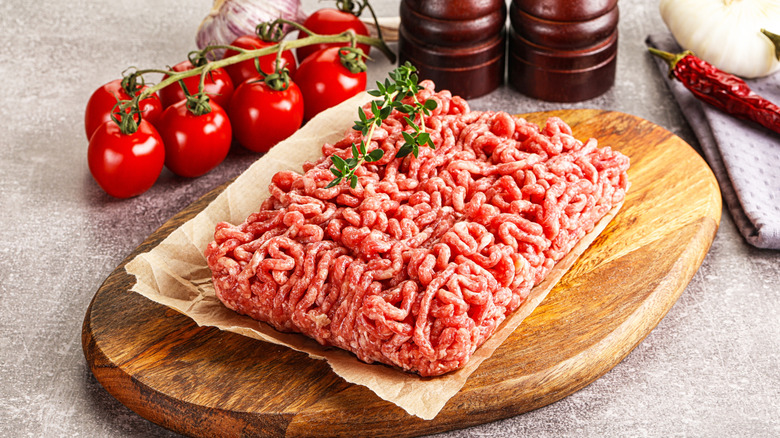
Ground beef, the base for such American classics as meatloaf and hamburgers, was popular in the 1960s. It was a great, inexpensive protein source that could easily be worked into various recipes that could serve a whole family or dinner party. One of the more controversial midcentury applications of this ingredient was the long-forgotten jellied meatloaf, which we hope stays in the past.