

13 Worst Food Offenders For Causing Gas And Bloating
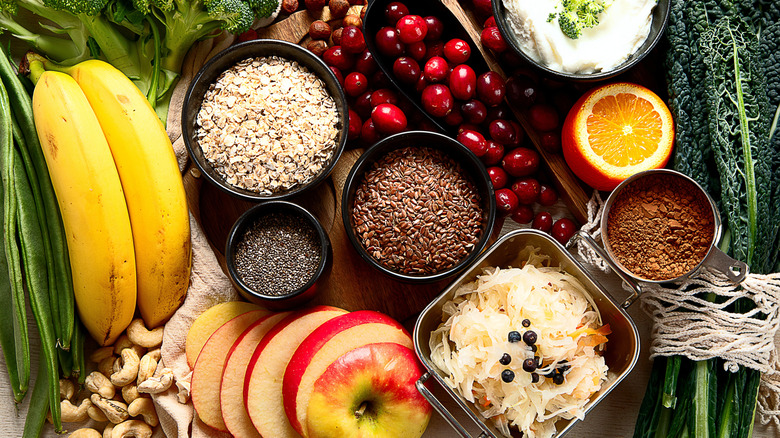
Fibermaxxing is in along with other food trends in 2026, and we couldn't be happier. There are so many benefits to consuming high-fiber foods, including helping you to feel more full, improving digestive and bowel health, and feeding the diverse microbiome of healthy bacteria that resides in your gut. However, there are also some drawbacks to eating a lot of fiber (and certain other edible offenders) — some very stinky, very embarrassing, and very unpleasant side effects. That's right: Cue the fart jokes.
Middle school humor aside, gas and bloating can be uncomfortable side effects of eating certain foods — both high-fiber ones and less overtly gas-inducing options. And, more often than not, you find out how dangerous these foods can be the hard way — when it's too late to do anything about it. In order to get some insight into what foods can cause gas and bloating and why they are common culprits, we spoke to two experts: registered dietitian Carlyne Remedios of JM Nutrition and Antonella Dewell, a registered dietitian specializing in irritable bowel syndrome (IBS) care. With their guidance, you'll be able to assess your diet to find out some potential causes of gas and bloating and identify some alternatives that will keep your gut happy while still allowing you to meet your nutrition and health goals.
1. Some legumes
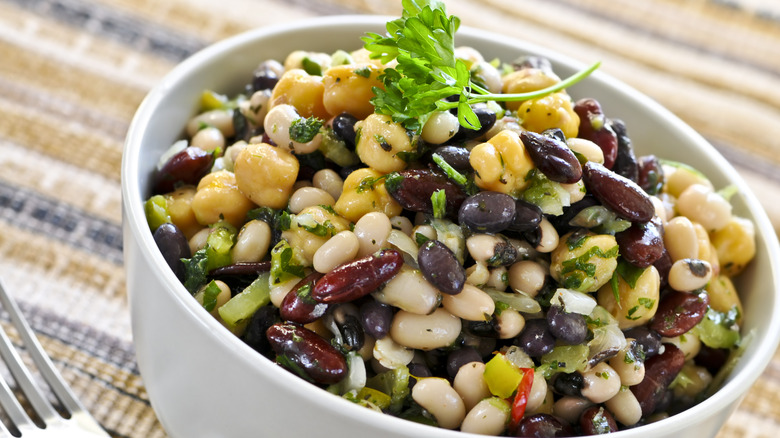
Beans, beans, they're good for your heart, the more you eat, the more you ... Yeah, you can probably guess why beans and legumes have made this list: They are notorious for causing both gas and bloating — and for several reasons. Registered dietitian Carlyne Remedios explains that this is due to oligosaccharides, non-fermentable carbohydrates that beans and legumes contain. They cannot be absorbed by the small intestine, so they are intact by the time they hit your large intestine, causing gas, bloating, and overall intestinal discomfort. "Here the microbes ferment these fibers and produce gas that fills up and stretches the intestines," she says.
Registered dietitian Antonella Dewell goes on to explain that humans lack the enzyme to break down oligosaccharides, but some bacteria in the colon have it. As such, the carbohydrates help fuel these bacteria, though when they are broken down, they produce gas. Long story short? Maybe skip that upgraded dense bean salad you had on the meal plan for lunch this week, or make it with lentils, as these are generally thought to be less gas-inducing than beans.
2. High-sodium foods
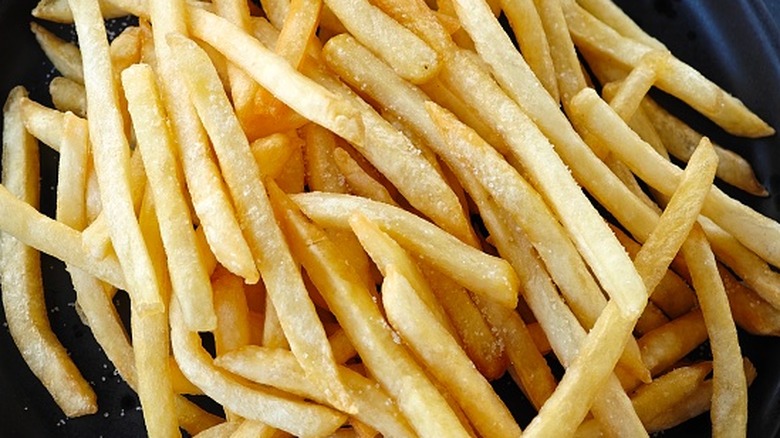
You probably won't feel very good after eating your body weight in french fries — especially when you try to touch your stomach and notice that it's distended. "This happens because the body tends to retain water to dilute the excess salt. The extra water can make the abdomen feel distended and uncomfortable," Antonella Dewell says. Unlike many of the other foods on this list, overly salty foods, such as deli meats, fried fare, and more, have an impact on bloating, but not necessarily gas. "The bloating from salty foods is due to water retention, not digestion or fermentation," Carlyne Remedios says.
Research also supports this claim. In fact, data analyzed by researchers at the Johns Hopkins Bloomberg School of Public Health found that, among the population examined, eating a high-sodium diet contributed to a 27% increase in bloating risk. While most people are quick to drop high-fiber foods from their diet when they notice bloating, the research suggests that adhering to a DASH (low-sodium) diet may be the best way to reduce bloating without missing out on high-fiber, nutrient-dense foods.
3. Cruciferous vegetables
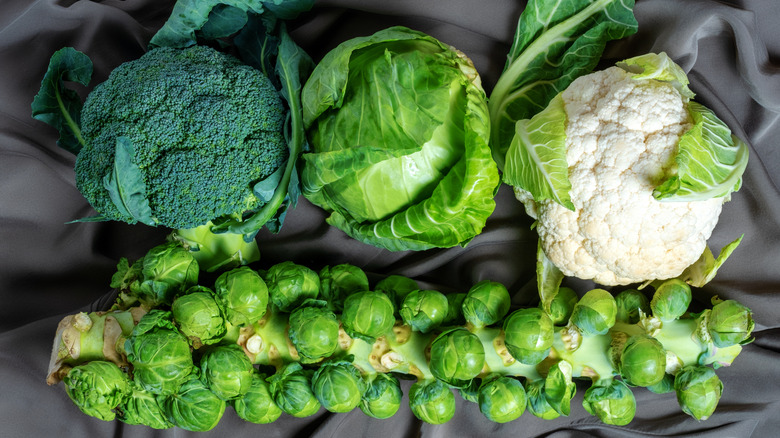
Cabbage might be one of the up-and-coming food trends of 2026 –but don't tell your gut that. This popular cruciferous veggie, along with all of its other Brassica friends — broccoli, cauliflower, and Brussels sprouts — may set you up for a stinky outcome. Carlyne Remedios explains that this is because of the vegetables' fiber and carbohydrate content, some of which cannot be digested. Case in point: raffinose, a trisaccharide made of melibiose and fructose. When it hits the large intestine, as Remedios explains, the gut bacteria transform it into gas. "These vegetables also contain natural sulfur compounds that are converted into gases with a strong smell. On top of that, their fiber content feeds gut bacteria, which increases fermentation and adds to the overall gas and bloating," she says. Can you say triple whammie?
Antonella Dewell explains that some cruciferous vegetables, including broccoli and broccolini, contain fructose, which will pass through to the colon before being transformed into gas. "Starting with small portion sizes of these foods is a good way to minimize the [gas and bloating] as the level of these fermentable fibers is very low," she says.
4. Some high-protein foods
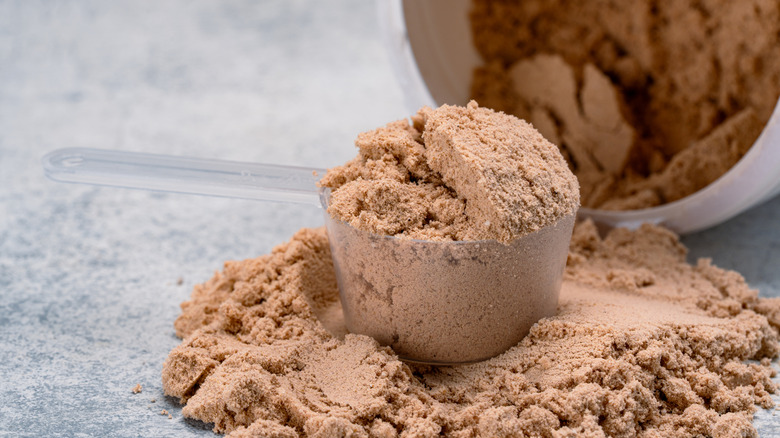
Hear us out: Protein farts are a thing. However, it may not be for the reasons you think. Our experts say that protein itself doesn't cause gas or bloating; rather, it depends on what kind of protein you're eating and how those compounds are absorbed (or not absorbed) by the body. "Protein itself doesn't usually cause gas, but bloating can happen when it isn't digested well or when certain types of protein are consumed," says Carlyne Remedios. She explains that if the compounds aren't broken down in the small intestine, by the time they reach the large intestine, they'll be fermented by gut bacteria. This, in turn, releases ammonia- and sulfur-based compounds (hence the stink).
Remedios explains that the most common protein sources that cause this issue are processed meats, which may contain additives; protein powders made with sugar alcohols or lactose; and high-fat meats that can delay digestion and cause you to feel bloated. "Some protein bars or powders may contain inulin (a fructan) or polyols (sorbitol, xylitol, etc.)," Antonella Dewell says. If you're adding protein to your diet, you may be better off adding small amounts and seeing how it affects you.
5. Mushrooms
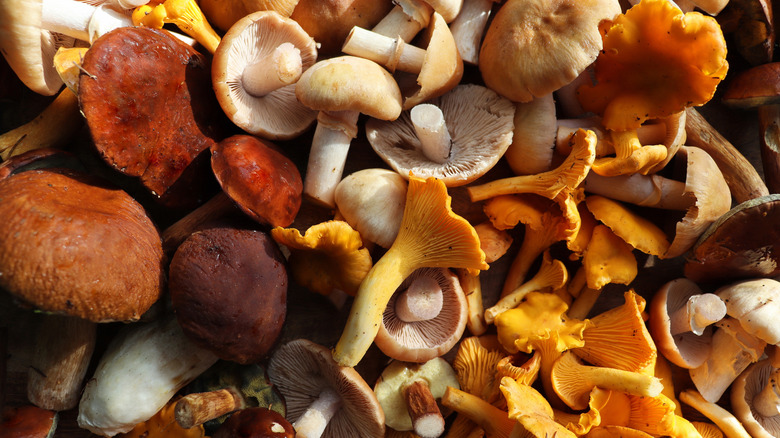
Mushrooms are so delicious ... it's too bad that they give us stinky farts. Unlike other items on this list of gas-causing offenders, it's not fructose or polyols to blame: It's mannitol. "This is a sugar alcohol that we can't absorb. It travels to the colon, where it is used by our gut bacteria," Antonella Dewell says. Carlyne Remedios explains that there are two primary reasons for why mushrooms can cause GI distress. On one hand, the mannitol isn't well-absorbed in the small intestine, causing it to "pull water in the gut" and making you feel full. The other mechanism, as Dewell also shared, is the gut bacteria hard at work, producing gas. Besides the mannitol, Remedios also shares that the fiber can help fuel the gut bacteria, causing more and more gas.
We want to feed healthy bacteria in our guts, but this can come at a cost. "While this can be beneficial for gut health over time, it may lead to more gas especially if eaten in large amounts or if your body isn't used to them," Remedios says.
6. Nuts and nut butters
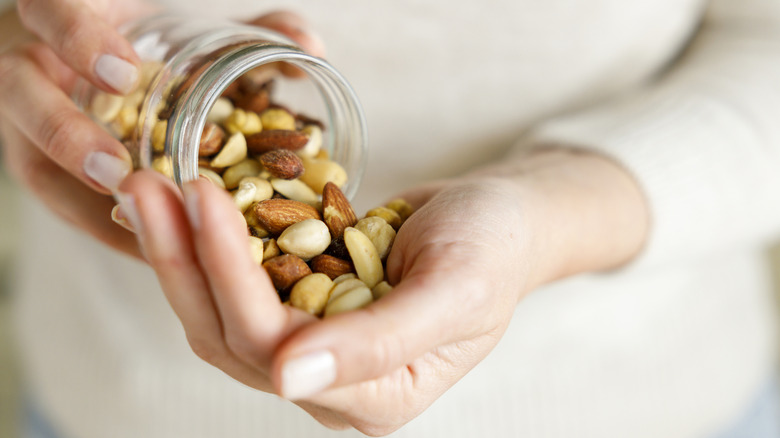
Nuts are a delicious, fiber- and fat-packed snack that will leave you feeling full. However, they can make you feel full in unpleasant ways as well. Antonella Dewell explains that nuts and nut butters contain both fructans and oligosaccharides, with the "worst offenders" being cashews and pistachios. "However, all nuts in higher quantities contain them as well and could lead to gas/bloating in people who are sensitive to them," she says.
Carlyne Remedios says that cashews and pistachios are notorious for causing GI discomfort because they contain galacto-oligosaccharides (GOS), a type of fermentable carbohydrate. Like many of the foods on this list, the small intestine struggles to break down GOS, causing all of that food to go straight to the large intestine where it becomes gas. The good news is this doesn't apply to all nuts. "Nuts like almonds (in moderate portions), walnuts, and macadamia nuts are lower in these fermentable carbohydrates, so they are generally easier to digest and less likely to cause gas for most people," Remedios says.
7. Lactose (in certain individuals)
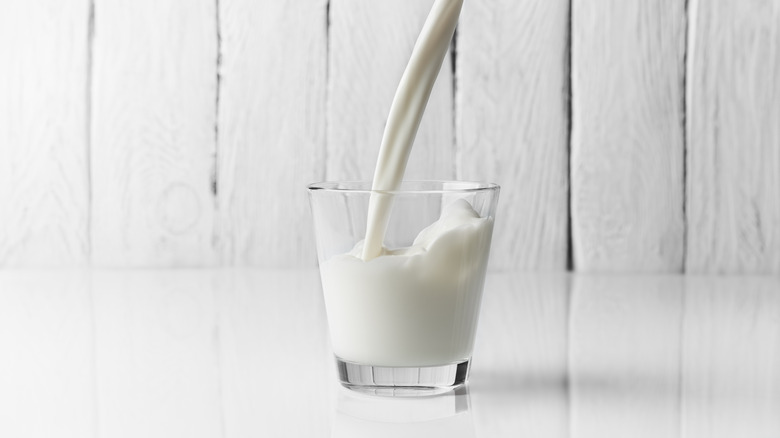
If you are relegated to ordering oat milk in your lattes or only getting dairy-free ice cream from your favorite scoop shop, you may have fallen victim to milk's impact on the digestive system. In lactose-intolerant individuals (which is not the same thing as a dairy allergy), the body is not able to break down lactose because it doesn't have enough of the lactase enzyme, per Carlyne Remedios. When the lactose passes through to the large intestine, the bacteria will have a feast, causing bloating, cramping, and all-around discomfort.
However, that is not the only thing that lactose does for some individuals. "At the same time, lactose also draws water into the bowel, which can cause loose stools or diarrhea," Remedios says. Not everyone has to stay away from lactose, though, as the severity of the symptoms will depend on your body's ability to produce lactase as well as how much lactose you eat. Plus, lactose isn't something that all dairy products have. "Aged cheeses and cream, for example, have negligible amounts," Antonella Dewell says. And considering there are numerous tasty substitutes on the market, including Aldi's lactose-free milk, which is a favorite in coffee drinks, and dairy-free options at many popular ice cream chains, you won't have to feel left out if you are lactose-intolerant.
8. Foods containing sugar alcohols
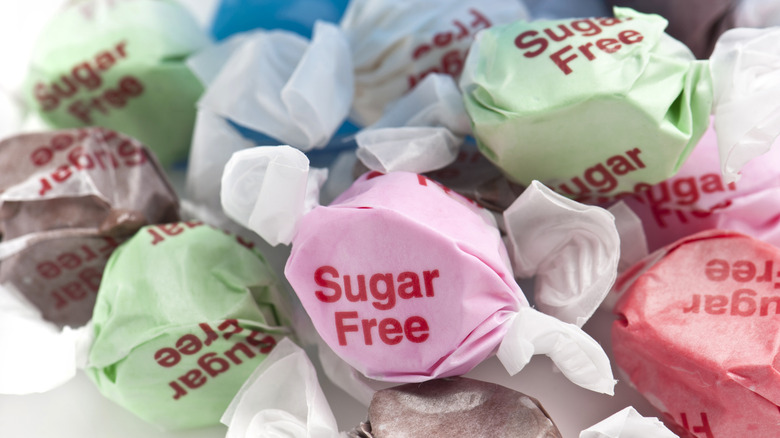
Have you ever eaten one too many sugar-free candies or ice cream and not felt too good? This may be due to your body's sensitivity to sugar alcohols, or polyols. "In excess, they can trigger digestive symptoms as they can draw water into the intestines, then travel unabsorbed to the colon, where they are fermented by our gut bacteria," Antonella Dewell says.
Carlyne Remedios names off some of the most common sugar alcohols you may find on food labels: sorbitol, xylitol, mannitol, and erythritol. They keep calories low, but they could have negative impacts on your digestive system, especially when consumed in excess. "When they pass through the small intestine without being fully digested, they pull water into the gut, which can lead to bloating, fullness, and sometimes diarrhea," Remedios says. She also points out that these effects are not the same for everyone. "This effect is dose-dependent; small amounts may be tolerated, but larger amounts (common in sugar-free gum, candies, protein bars, and 'diet' or diabetes-friendly products) can quickly trigger symptoms, especially in people with sensitive digestion or IBS," she says.
9. Certain fruits
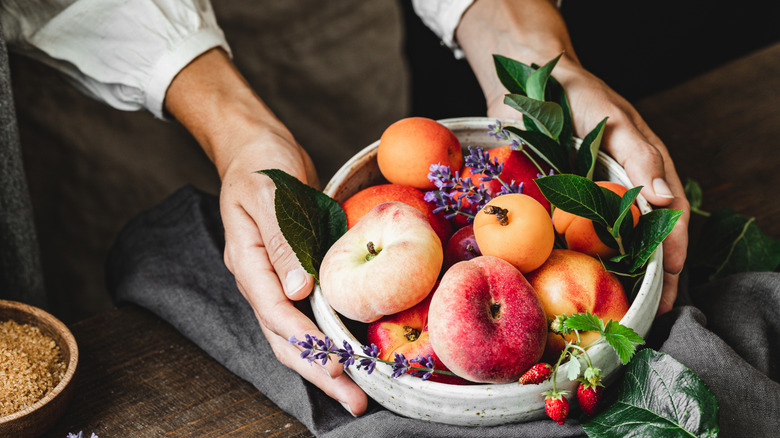
Fruits are full of fiber, water, and vitamins, but some may not sit well with your stomach. "Certain fruits are more likely to cause gas and bloating because they contain higher amounts of fermentable carbohydrates especially excess fructose, fructans, and polyols," Carlyne Remedios says. Fruits with high amounts of fermentable sugars, she shares, include favorites such as apples, pears, mangoes, stone fruit (think peaches, plums, and cherries), and watermelon. As with all of the items on this list, there are individual differences that may change how people digest these foods. "Whether they are more or less likely to cause gas [and] bloating depends on the amount eaten during one sitting, and the individual (some are sensitive to sorbitol, others to fructose, some to both)," Antonella Dewell says.
Top of the list, for prime offenders, though, are dried fruits. Remedios explains that prunes are especially concentrated sources of fermentable sugars, which can lead to indigestion. On the other end of the spectrum are low-FODMAP options. FODMAP stands for fermentable oligosaccharides, disaccharides, monosaccharides, and polyols — short-chain carbohydrates known to cause gas and bloating. Fruits low in FODMAP include cantaloupe, honeydew, bananas, strawberries, and raspberries, all of which contain less fermentable sugars and can more readily pass through the digestive system. Think about this when you decide which to include in your next fruit salad recipe.
10. High-fructan grains
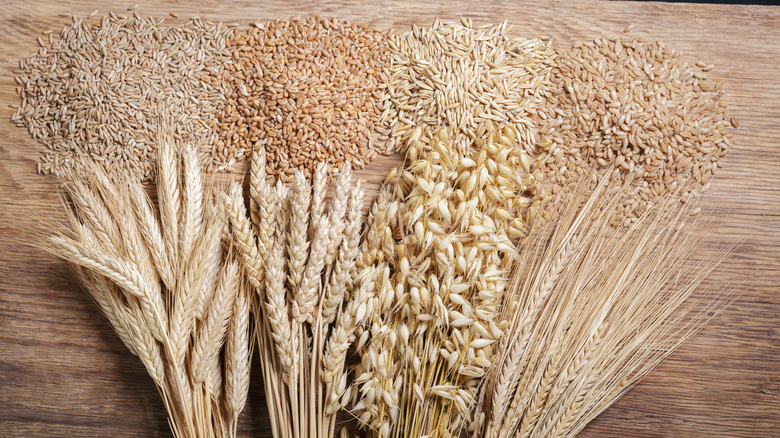
There is a reason why your morning bowl of Frosted Mini-Wheats may be giving you a bit of intestinal discomfort. Carlyne Remedios explains that some grains, such as wheat, barley, and rye, contain large amounts of fructan. This fermentable carbohydrate isn't well digested by the small intestine, which means that the bacteria in the large intestine go wild when they come into contact with it. This causes unpleasant gas and bloating, especially in folks who are sensitive to wheat. "For people who are sensitive to FODMAPs or have conditions like irritable bowel syndrome (IBS), these foods can trigger painful gas, bloating, abdominal pain, and diarrhea/constipation," Antonella Dewell says. Luckily, this does not apply to all grains. "Grains like rice, oats, [and] quinoa are lower in these fermentable carbs, so they are generally easier to digest and less likely to cause gas. They still provide fiber and nutrients but with less fermentation happening in the gut, which means fewer symptoms for most people," Remedios says.
It's also worth noting here that having intestinal discomfort when you eat wheat-based foods is not the same as having a gluten allergy or Celiac disease — both of which are tied to the immune system. The fructans can cause digestive discomfort, but for an allergy or Celiac disease, the gluten is the primary driver. If you have a non-Celiac wheat or gluten sensitivity, as Remedios explains, you won't have an immune response or present with allergy markers or symptoms such as hives, swelling, or difficulty breathing. "Understanding the difference is important because the management is very different: Celiac disease requires strict lifelong gluten avoidance, allergies require complete avoidance due to risk of severe reactions, while sensitivity may improve by reducing or moderating wheat foods rather than eliminating gluten entirely," she says.
11. Carbonated drinks
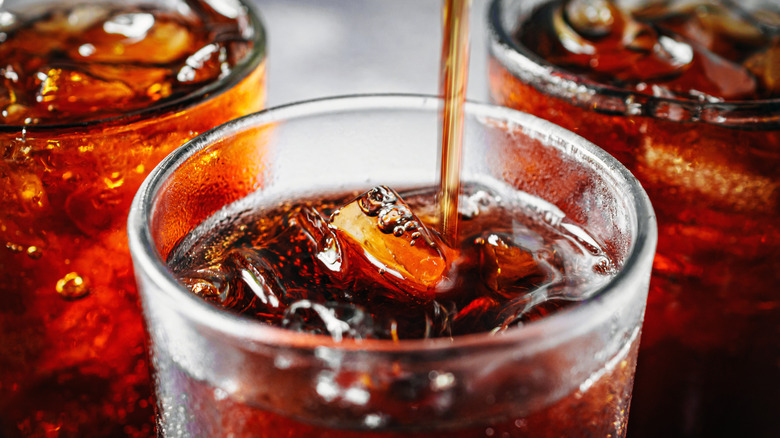
Cracking open a cold seltzer or your favorite Coca-Cola flavor (we ranked them all) can be a very calming experience after a hard day at work. However, all of that effervescence may have some unintended impacts on your digestive system. "Carbonated drinks can also cause bloating because they introduce extra gas into the digestive system, along with swallowed air, which leads to temporary abdominal distension," Carlyne Remedios says. If a diet drink contains polyols, you could be opening up the door to additional discomfort. Another fizzy favorite — beer — can also cause bloating because of the fermentable carbs, such as wheat and barley, and the bubbles.
Bubbly drinks are not the only beverages to watch out for. "My clients are surprised to hear that certain drinks can cause gas and bloating, for example, chamomile tea and kombucha," says Antonella Dewell. Carbonated bubbles in kombucha may cause some GI discomfort, as can some of the sugars in it.
12. Sugar-free gum
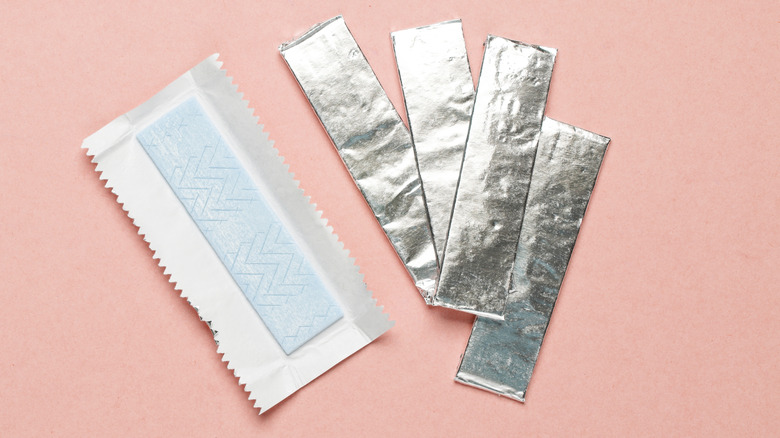
Everyone has their favorite brand of chewing gum, but some may cause more GI upset than others. "Chewing gum can contribute as well, not just because of sugar alcohols in sugar-free versions, but also because it causes you to swallow more air while chewing," Carlyne Remedios says. These sweeteners include xylitol, sorbitol, maltitol, and erythritol, so be sure to check the packaging before you chew if you want to circumvent these sticky side effects.
Many sugar-free gums contain sugar alcohols, which is why you might be tempted to try one that uses real sugar. However, dentists caution against sugared gum in excess due to its link to tooth decay — especially if you find yourself popping stick after stick.
13. Alliums
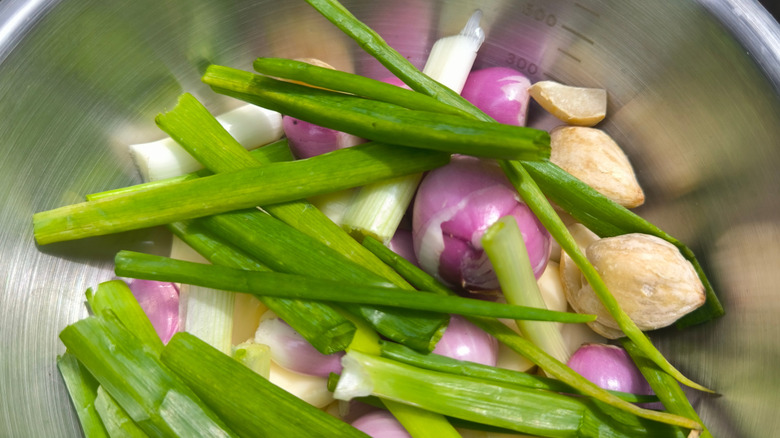
What would your favorite dishes look like without alliums — garlic, leeks, shallots, and onions? Probably pretty bland, but your gut may be better off in the end. We can blame their high fructan content for the gas that comes with eating alliums, per Carlyne Remedios. "These fructans are not well digested in the small intestine, so they pass into the colon where gut bacteria rapidly ferment them, producing gas and often causing bloating and discomfort, especially in people with sensitive digestion or IBS," she says.
The good news is that you don't have to completely abstain from these flavorful and aroma-enhancing ingredients. Cooking them can help soften their structure, presumably making them easier to digest, but this will not decrease their fructan content, per Remedios. "Cooking doesn't decrease the fructan level, but pickling can reduce it in certain foods, such as pickled onions," Antonella Dewell says.
Infused oils are another great alternative if you don't want to miss out on the flavor that alliums can add to your food. "Garlic-infused oil is usually better tolerated because fructans are water-soluble, not fat-soluble, meaning they don't transfer into the oil during cooking," Remedios says. That means you get all the garlicky flavor you want without the discomfort that comes from eating it.