

10 Cocktails That Are Slowly Disappearing From Bar And Restaurant Menus
Menus, like everything else in the world, evolve. The vintage ground beef recipes you remember fondly from your childhood aren't around anymore, and good luck trying to find Jell-O desserts at any restaurant besides an old-school diner. The same can be said about cocktail menus, which have undergone countless updates over the years due to a variety of factors, including ingredient availability, changing customer preferences, and the rise of buzzier cocktails that have replaced them. The drinks that people sipped on in the '80s and '90s may not be favorite libations among drinkers today, and the same will likely be said by people in the future about the cocktails we're sipping today.
But enough of those existential fears about the it-girl espresso martini being seen as "old" in the near future — let's focus on the present. In order to get the scoop on drinks that are slowly being phased off bar and restaurant menus right now, we decided to interview a range of industry professionals, mixologists, and bartenders based across the country. Not only did they highlight the drinks that customers may no longer see printed on cocktail menus, but also why these drinks have had to pack their bags and what they see replacing them.
1. Classic daiquiris
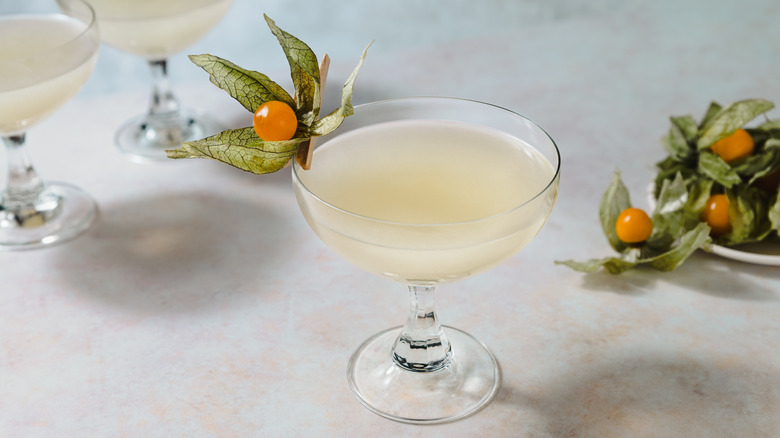
If you didn't realize that daiquiris came in non-frozen varieties, well, consider yourself in good company. Most people recognize these drinks in their slushie form. Those versions are certainly refreshing on a hot day, and it means that the classic preparation of this cocktail – rum, simple syrup, and lime shaken with ice — falls to the wayside. For Sanwar Mal Khokhar of Sanjh in Dallas, the reason why the classic daiquiri has lost favor is because its non-frozen form isn't very forgiving. "If it is even slightly off, the guest feels it immediately. In a time where guests are less willing to take risks on something unfamiliar, the frozen version becomes the safer choice," he says. Robert Lang, lead bartender at Mama Tried in Miami, points to the fact that frozen daiquiris were popularized in typically hot, tourist destinations. Its slightly less refreshing, shaken predecessor never got its time in the spotlight.
This isn't it for the daiquiri, though. Bar owner of Johnny's Gold Brick in Houston, Benjy Mason, notes that the daiquiri isn't disappearing entirely, but it is transforming. "Classic shaken daiquiris are undergoing a quiet renaissance. The surge in rum knowledge and the realization that great cocktails combine ingredients and technique mean that a classic daiquiri is a great litmus test for a bar's commitment to quality."
Another reason why the daiquiri has said a silent goodbye, per Ivy Mix, co-owner of Whoopsie Daisy in Brooklyn, may be quite simple: Everyone already knows what it is. "Putting a daiquiri on your menu and having it take up space is kind of pointless. It is rum, sugar, and lime. The bartender probably knows how to make it," she says.
2. Some espresso martinis
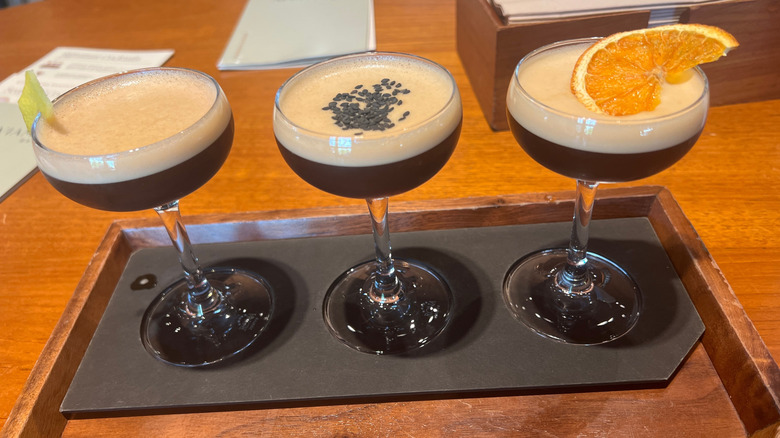
The espresso martini has a chokehold on our collective consciousness and doesn't appear to be letting go ... until now? Not quite. While the bartenders and industry experts we spoke to say the espresso martini itself is still popular, and many even say that it is still a top seller. However, the endless variations of this drink may be fading. "A lot of places are pulling back on all the variations and just focusing on doing a really solid version of the original again," says Zak Lindahl, beverage director of The National Autograph Collection in Oklahoma City.
Ben Tannenbaum, vice president of brand partnerships at LineLeap, agrees. "What's fading is the weird riff era — the gimmicky versions, the espresso martini flights, that whole thing. The core drink is pretty durable. It has a very clear job to do, and it does it," he says. So which gimmicks are on the chopping block? Arthur Valderrama, bar manager at Honeycomb Cocktail Lounge in Livermore, California, points to the tequila version as becoming less popular, while Rob Michalowski, lead mixologist at Ambler in Denver, points to cream-based ones hitting the road (rightfully so, as he adds).
However, as old trends exit, other ones emerge. "While these drinks are ordered frequently, there has been a noticeable spectrum in the sweetness and creaminess of these cocktails as guests seem to translate their coffee order to this cocktail," says Emily Lewis, bartender at Village Camp Flagstaff in Arizona. She's noticing that more and more guests are looking for the sweeteners and flavorings you'd find in a coffee shop, along with dairy-free and lower-calorie versions of the cocktail.
3. Long Island iced teas
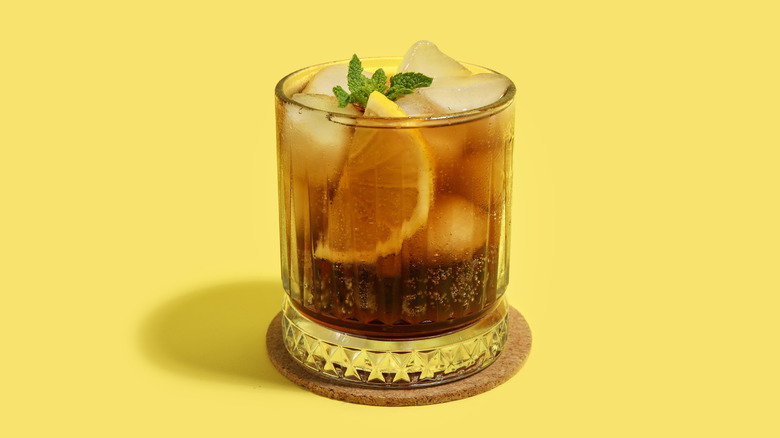
Ah, the Long Island iced tea. Based on its name, you might assume that it's one of the variety of drinks featuring sweet tea, but that would be incorrect. Sure, it looks like tea, but it actually contains a cacophony of booze — gin, vodka, rum, tequila, and triple sec — with a splash of cola and sweet and sour mix for good measure. And, per our experts, it's on its way out.
"The reason Long Island iced teas are ordered less is that so many bars have improved craft cocktails, even the most basic ones, including classics, and have them made properly," says Arthur Valderrama. Zak Lindahl considers the demographic implications of the drink as well. He explains that it might be ordered only by younger guests who are looking for a value-oriented drink or older folks who have stuck with it over the years. "It doesn't really fit into most modern cocktail programs, but it hasn't gone away," he says.
Ben Tannenbaum says this drink, which he calls "five spirits, no logic, no story, no real way to evolve it," remains popular in some geographic pockets. "It survived as long as it did because it had a very specific home — spring break, beach bars, college nights — so it hasn't disappeared. It's just more concentrated in the places that always owned it," he says. As a whole, our experts implied that most "serious" bars don't have Long Island iced teas on the menu — and all we can say is, good riddance.
4. Brandy Alexanders
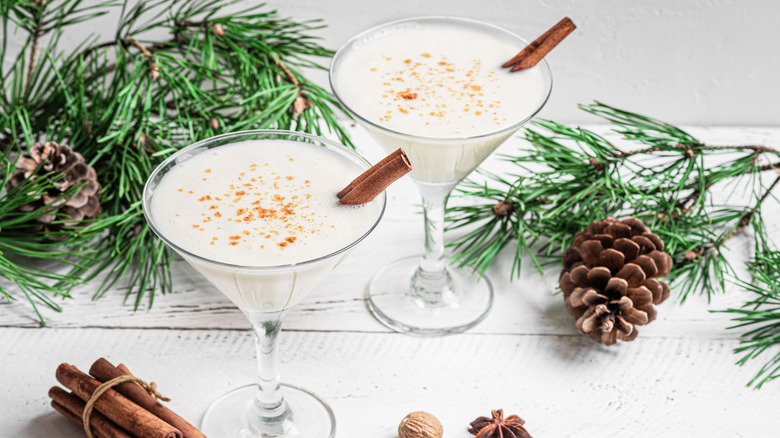
If you ask, "What's that?" when you hear the name "Brandy Alexander," you're probably not the only one. This cocktail combines cognac, creme de cacao, cream, and a sprinkle of nutmeg. Based on its heavy ingredients, it's easy to see why it may not be a popular selection on bar menus. "I personally love a creamy drink, but reality is you'll probably just have the one. Never has a cream drink been the most popular on a menu," Ivy Mix says.
Besides the heaviness of this drink, Ben Tannenbaum also points to its composition as a reason why it doesn't appear as frequently on bar menus anymore. "These drinks are just rigid. You can't mess with a Brandy Alexander," he says. While other drinks can include different spirits, including mezcal or tequila, or be switched up with some sort of seasonal twist, Brandy Alexanders are set in their ways. "You can't modernize it without it becoming a completely different drink," Tannenbaum says.
Drinkability is also a big concern and a reason why Zak Lindahl thinks cream-based drinks, such as the Brandy Alexander, have fallen off the map. "They're heavy, high in calories, and not something most people want to have more than one of," he says. "Guests are leaning toward lighter, more refreshing cocktails they can keep drinking without getting weighed down. Cream drinks feel more like a one-off or dessert at this point."
5. Harvey Wallbangers
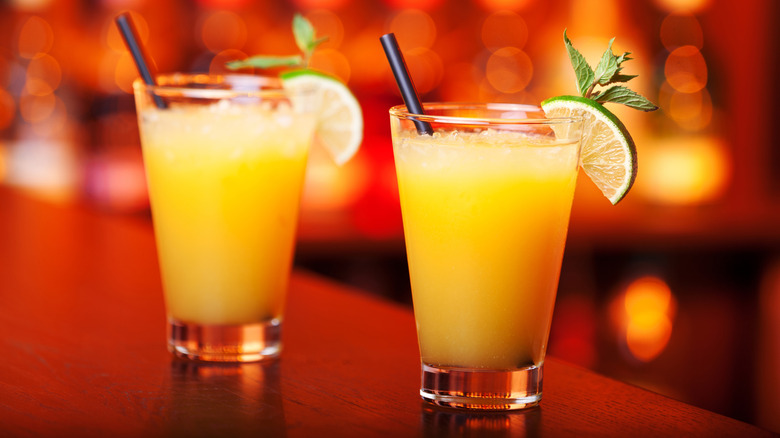
Even the name "Harvey Wallbanger" sounds vintage. This drink is comprised of Galliano L'Autentico liqueur, vodka, and orange juice. It's often thought of as an upgraded screwdriver, courtesy of the Italian liqueur, which has notes of anise, cinnamon, juniper, and lavender. Its heyday was way back in the '70s, and it's fair to say that it just doesn't have the same appeal now as it did back then. "I have no idea when the last time someone ordered a Harvey Wallbanger from me," Ivy Mix says. Ben Tannenbaum points to the Galliano as being part of the problem. "One ingredient that's hard to find with no real substitute will eventually kill a drink. Doesn't happen overnight, just kind of slowly and then all at once," he says.
Sanwar Mal Khokhar shares that unlike other drinks on bar menus, the Harvey Wallbanger has not evolved. He finds that patrons don't pay it much attention on menus, though it still can be found at bars that try to revive some of the classic cocktails of all time. The push to revive some of these drinks has been supported by bartenders, including Mix. "People go to cocktail bars now to experience each bar's own unique creations, frequently lauding fancy scientific techniques that weren't used in the era in which these classics were made. It's a shame. Classics are classics for a reason," she says.
6. Some tiki cocktails
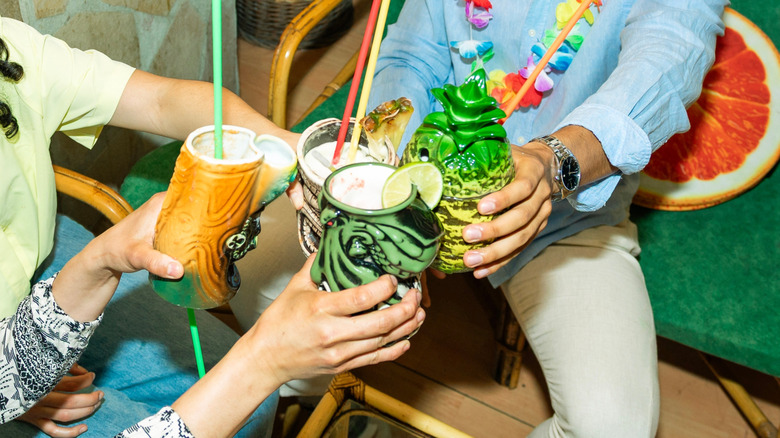
Tiki cocktails are in a class of their own. You can still find tiki bars across the country and spot lesser-known tiki cocktails dotting their menus, but the drinks as a whole have been phased out for numerous reasons. Sanwar Mal Khokhar acknowledges their role in cocktail history but recognizes that their model and format aren't always conducive to the modern bar or customer preferences. "Tiki drinks often involve multiple syrups, layered sweetness, and complex builds. From an operational perspective, they slow down service, and from a guest perspective, they can feel heavy or overly sweet if not executed perfectly," he says.
Robert Lang points out that the syrups may not appeal to health-conscious drinkers who presumably are looking for something lighter and less overtly sweet. Emily Lewis would agree. "With tiki cocktails, patrons often request 'skinny' versions to limit sugar intake, whereas cream-based cocktails cannot be tailored to such demands without compromising the quality of the drink as a whole," she says.
Ben Tannenbaum highlights the idea of tiki drinks as a concept rather than a single drink. "They're also genuinely hard to make well, which means bartenders aren't adopting them casually," he says. Tannenbaum, like the other experts we spoke to, also acknowledges that tiki drinks are a whole experience — from the mugs to the vibe — which a standard cocktail bar may not be able to replicate. "I think tiki will always have passionate devotees and destination bars built around it. What it won't have is mainstream durability," he says.
7. Manhattans, Sazeracs, and old fashioneds
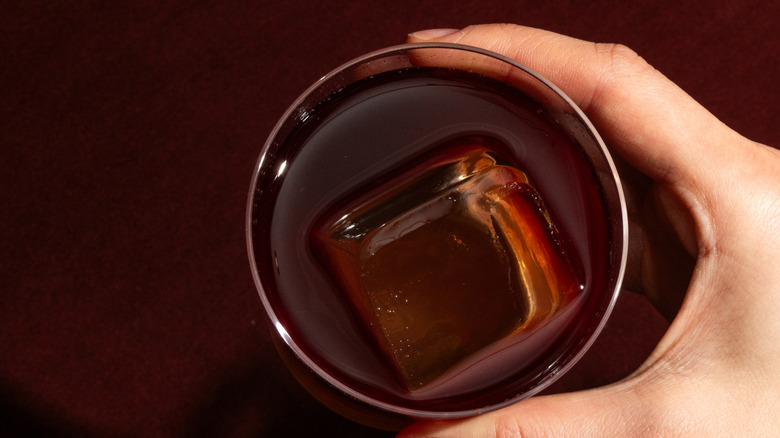
When we interviewed beverage industry professionals about some of the cocktail trends they wanted to leave behind in 2026, one of the drinks that came up was the old fashioned, which some folks thought was overhyped. It was interesting to see that some of our experts here had the same opinions.
"I believe we're seeing a downward trend on spirit-forward cocktails like Manhattans and old fashioneds. Too much booze and not enough juice," Robert Lang says. Rob Michalowski says that he sees Sazeracs and Manhattans becoming less popular as well. He credits part of this decline to consumer fatigue. "During the craft cocktail movement, there was so much innovation and wild flavor combos. Consumers may have gotten worn out with all of that now. Would love to see a surge in simpler cocktails and less ingredients," he says.
However, saying that these classic drinks are being wiped off the map completely would be a fallacy. Sanwar Mal Khokhar continues to use drinks like the old fashioned as inspiration for his menu, but he adds a cultural element to it. Although the craft cocktail movement may have overhyped the old fashioned and other similar cocktails, the adaptability of the drinks may just be their saving grace. Case in point: Old fashioneds, as well as top sellers such as margaritas, mojitos, and mules, are still mainstays for Emily Lewis specifically because of their versatility. "These cocktails can be adapted to fit the profiles of events and holidays often celebrated in the hospitality industry, including Valentine's, Saint Patrick's, Cinco de Mayo, Easter, and NYE/New Year's," she says.
8. Gimlets
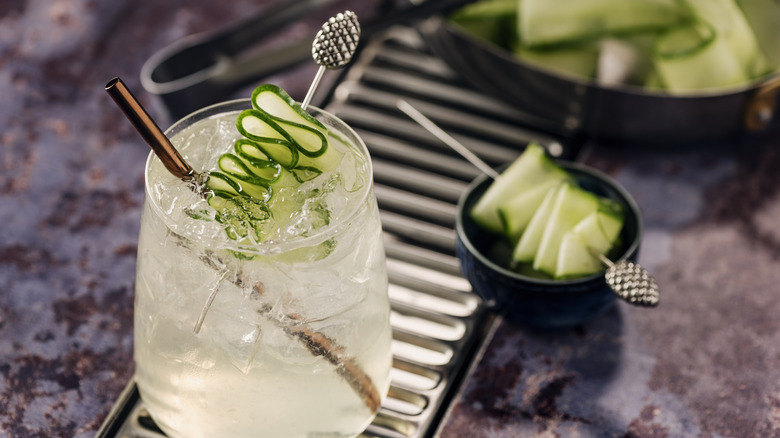
If you too ask, "What the heck is a gimlet?" you might be one of the reasons why it's losing popularity on cocktail menus. "They are not as popular as before. Gin is not a popular spirit amongst our consumers," Robert Lang says. Gin makes up a big part of this cocktail's flavor profile, as does lime juice and sugar. The simplicity of this drink might have something to do with its decline, especially when you factor in other, showier cocktails that are dotting bar menus. "They don't get ordered as much because craft cocktails are at a high point right now, with ingredients and a method of preparation that's involved, let alone a bar's reputation for making more off-the-wall drinks, all of which help people order new and more adventurous style cocktails," Arthur Valderrama says.
Like many other cocktails on this list, gimlets have undergone an evolution in recent years to better accommodate guest preferences. "The traditional lime cordial version tends to feel overly sweet and less fresh by today's standards. Guests now expect brightness and natural acidity, so what replaces it are drinks that follow the same structure but use fresh citrus or more refined cordials," Sanwar Mal Khokhar says.
Although gimlets don't make an appearance on bar menus, per Emily Lewis, people are still ordering drinks similar to them. "These requests come from younger populations who are likely not familiar with old-school cocktails like gimlets and thus resort to ordering gin margaritas, gin and lime, vodka and lime, and other similar gimlet variations," she says. A lack of understanding around cocktails may be to blame here. "People don't know classic cocktails anymore," Ivy Mix says.
9. Boilermakers
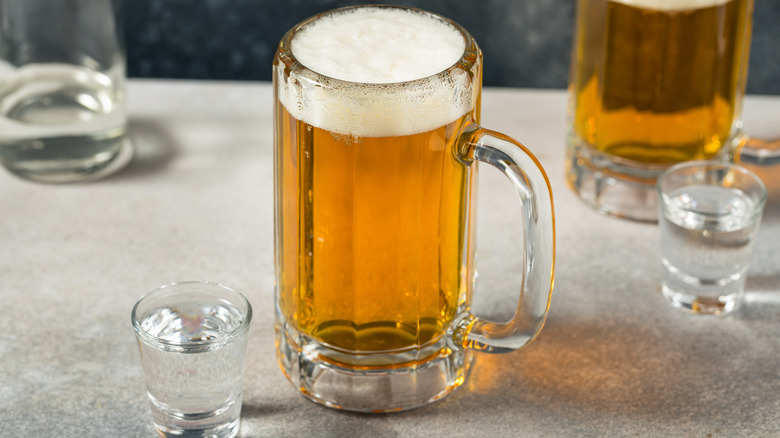
No, we're not talking about the mascot of Purdue University nor the people who affix or fabricate metal parts together. We're talking about the combination of beer and a shot of whiskey that goes by the same name. As you can probably expect, this drink is more of what someone would be dared to order at a college bar rather than something that appears in a craft cocktail space.
"Boilermakers have decreased in popularity but have been replaced with Irish slammers, which is a unique trend to recognize considering the aforementioned shift in drinking culture to better align with health and fitness goals," says Emily Lewis, who finds that Irish slammers (Irish cream and whiskey with a Guinness beer) are often ordered by groups of people, partially for entertainment. Benjy Mason has also seen a change in the spirits that accompany these beers. "We have seen a shift from bourbon to tequila or an amaro as the shot of choice," he says.
Boilermakers, as our experts point out, are often ordered by industry folks rather than customers. "Beer and a shot will always be a thing, especially with industry crowds. The term 'boilermaker' itself is definitely fading though," Zak Lindahl says. Arthur Valderrama agrees. "Nowadays, most folks need a chaser for their beverage, but if you can take a shot and follow it up with a beer ... well, most likely you work in a bar!"
10. White Russians
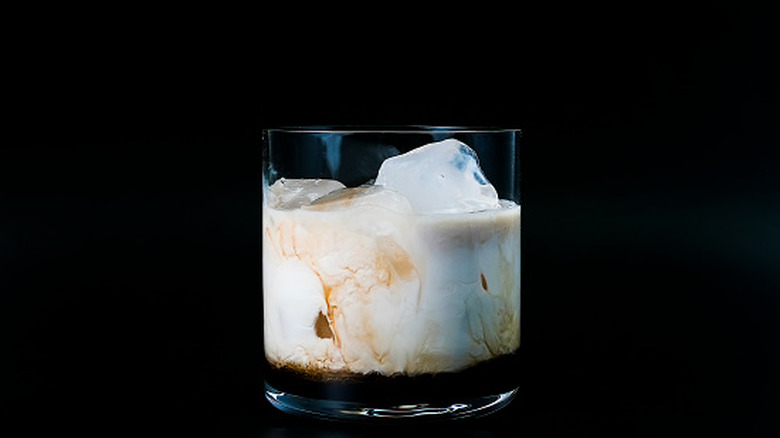
The classic White Russian wouldn't have been popular if not for the 1998 film "The Big Lebowski." It's safe to say that nearly 30 years after the film's release, White Russians just aren't as hip as they once were. Benjy Mason claims that many drinkers were introduced to cocktails via the White Russian, but that ship has since sailed. "How many White Russians are you really going to drink? I think the proliferation of better/lighter/more refreshing cocktails pushed these cocktails back onto the dessert menus where they belong," he says.
Ben Tannenbaum, meanwhile, highlights the immediate pop culture boom from the film and its subsequent bust. "The White Russian got a huge pop culture moment from 'The Big Lebowski' and then basically nothing happened. That tells you something — cultural moments aren't the same as cultural staying power," he says.
Like the Brandy Alexander, the drinkability (or lack thereof) of the White Russian has likely also contributed to its decline. "In today's dining environment, where people are often having multiple courses and multiple drinks, that kind of density becomes limiting," says Sanwar Mal Khokhar. He does highlight the opportunity for riffs here, though, including clarification and flavor layering. That said, it's understandable that a drink made with heavy cream, coffee liqueur, and vodka isn't someone's drink of choice before a buzzy night out on the town — no amount of fancy mixology technique is going to change that.