

10 Expert Tips For Cooking The Best Birria Tacos
We may receive a commission on purchases made from links.
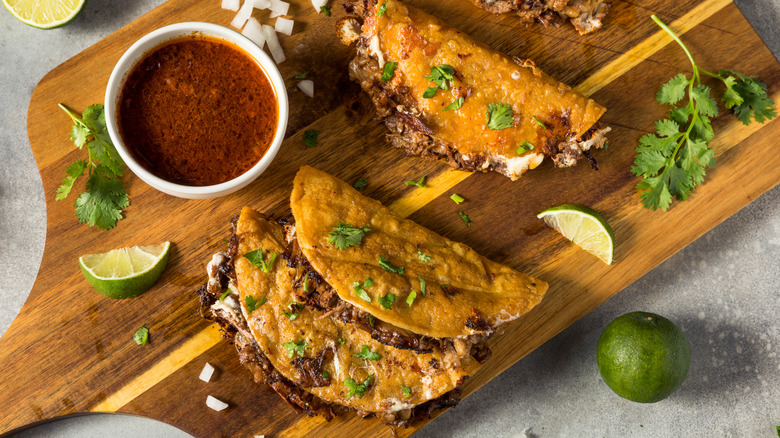
There are numerous Mexican taco styles, but one of the most beloved is birria tacos. There's just something so satisfying about crispy corn tortillas filled with savory goat meat or beef that's been simmered for hours with chiles and spices until it's pull-apart tender. Add a cup of rich, red consommé on the side for dipping and sipping, and you have a stellar hand-held meal. It's a dish that takes some planning and time to prepare, but if done right, the end result is well worth the effort.
Born in the state of Jalisco, birria tacos are wildly popular across Mexico, and they're also having a major moment right now in the United States and even further abroad. Given the complexities of the dish, many people typically seek it out at taco stands, but the truth is, it's not actually that difficult to make birria tacos at home. All you need is the right ingredients and a bit of know-how.
To get a clearer picture of what truly makes great birria tacos, we turned to chefs and recipe developers specializing in Mexican cuisine. They shared the techniques they use in their own kitchens, from choosing the perfect cuts of meat to layering flavors and low-and-slow braising. They also touched on finer points, like how to make a rich consommé that's savory but not greasy, and how to crisp the tortillas just right. These are their top tips for making birria tacos worthy of a Jaliscan birria stand.
1. Start with the right cuts of meat
To understand the best cut of meat to use for birria tacos, it helps to consider how the dish was born. When the Spanish introduced goats to Mexico, they became major pests, eating up valuable crops. The solution was to eat the goats. However, goat meat is very lean and tough, so locals began slow-simmering the meat to make it tender. Birria is still made with goat in some places today, but beef is also common.
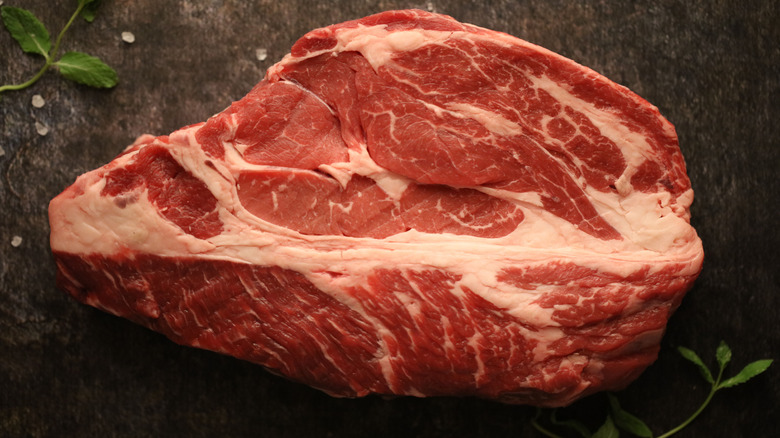
If you can't find goat or just prefer beef, many of the experts we spoke to recommended a tougher, leaner cut. For Alex Carballo of Nómada, the perfect cut is chuck. He told us, "It has the perfect balance of fat and connective tissue, which breaks down during slow cooking to create tender meat." Carballo also noted that chuck holds up well during long braising, shreds well, and provides rich, savory flavor.
Jenny Martinez, cookbook author of My Mexican Mesa Y Listo!, also recommends using chuck, but stresses it should have the bone in. She said, "That's where all the flavor in the broth comes from. Many first-timers opt for the boneless just for convenience, but trust me, it's worth it!" Brisket is also recommended, and some experts even suggest adding short ribs or ox tail because they break down nicely when cooked low and slow, giving the consommé great flavor and a nice glossiness.
2. Use a mix of chiles to add depth
What sets birria apart from barbacoa and other slow-cooked meats you find in Mexico is the vibrant red liquid the meat is simmered in. It gets color and flavor from a mix of chiles and spices. In the early days, chiles were chosen because they masked the gamey taste of the goat meat. But as the early birria pioneers discovered, the chiles also added tons of depth and flavor, which is why they're now an essential element of any birria recipe. The key is to use a mix of chiles to add layers of flavor.
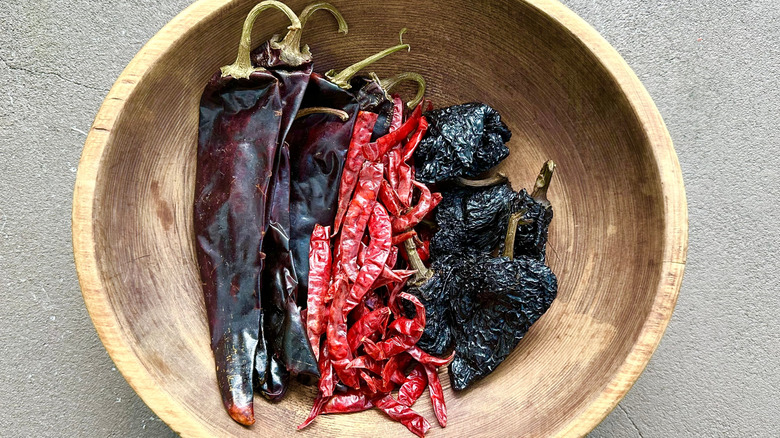
The best chiles to use in birria are dried chiles because they add complexity without the mouth-searing heat you get from ripe chiles. Many chefs go with the classic combo of guajillos, anchos, and pasillas. Richard Sandoval of Richard Sandoval Hospitality explained, "Guajillo is the backbone for its mild heat and bright, tangy notes. Ancho adds sweetness and body, while pasilla contributes earthiness." Some chefs also use moritas, pullas, and California chiles.
Dried chiles are the foundation of the birria braising liquid. To prepare them, you want to remove the stems and give them a quick rinse. If you're worried about the spice level, you can also remove the seeds and veins, as that's where most of the heat is concentrated. From there, you simmer the dried chiles in water until they're soft. Some chefs also recommend toasting your chiles before soaking to intensify the flavor.
3. Keep your spices and aromatics in balance
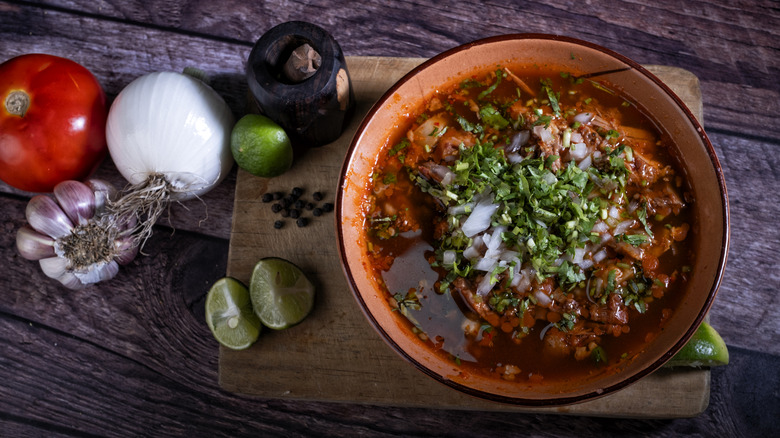
In addition to chiles, you also want to add spices and aromatics to build up your paste or broth. Each of the chefs we spoke to has a different formula, which shows that you can be creative here and add your own touches. For example, Yvette Marquez-Sharpnack, cookbook author and founder of Muy Bueno, told us, "Mexican oregano, bay leaves, garlic, and onion build the backbone of flavor, and I like incorporating fresh herbs such as marjoram, mint, and thyme."
Chef Jesús Méndez of Salud Taqueria told us he also uses garlic, onion, and tomato to add texture and orange notes that help tenderize the meat. In addition, he said, "Our relatives from Puebla ship a home-made achiote and we add small touches of Abuelita Mexican chocolate to dial in the spice and savory notes." For those who don't know, achiote is a Mexican paste made from annatto seeds that has a nutty, earthy flavor and beautiful crimson color.
While the chefs may differ on which spices work best in birria recipes, most agree that everything should be in balance with no single element overpowering the others. Spices with strong flavor profiles like cumin, cloves, and cinnamon can add a pleasant richness and warmth, but you want to use them sparingly so they don't turn your birria into a spice bomb.
4. Marinating can give you deeper flavors
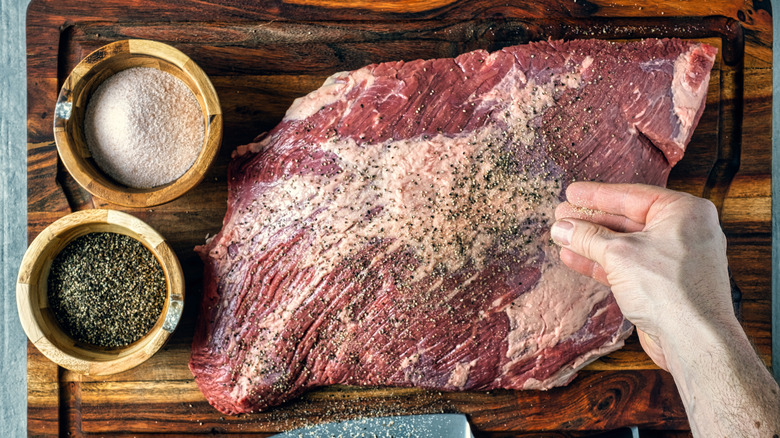
Now that you have your chiles, spices, and aromatics ready to go, the next step is to make a paste or sauce that will give the birria its eye-catching color and rich flavor. Some chefs sauté the ingredients and then blend them with some of the water leftover from soaking the chile, or simmer everything in a pot and blend. From there, several chefs we spoke to recommended using the paste to marinate the meat for deeper flavor.
The easiest way to marinate your meat is to place it in a non-reactive container, like a glass bowl or large zip-top bag, and pour the paste over the meat. Be sure to rub it so that all sides of the meat are covered. In terms of timing, Gabriel Llaurado, co-owner of Meat N' Bone, recommends marinating the meat for a minimum of four hours, but ideally overnight (anywhere from eight to 16 hours). He said, "That time helps the seasoning actually penetrate the meat, so the flavor is built in, not just on the surface."
Marinating can give your meat more intense flavor, but if you're strapped for time, it won't make or break your birria. In fact, some of the chefs we spoke to said they don't marinate their meat before cooking. Instead, many braise the meat with water, spices, and aromatics first, then shred the meat and add the spice paste at the end. Others simply braise the meat in the chile sauce right from the beginning.
5. Braise the meat low and slow
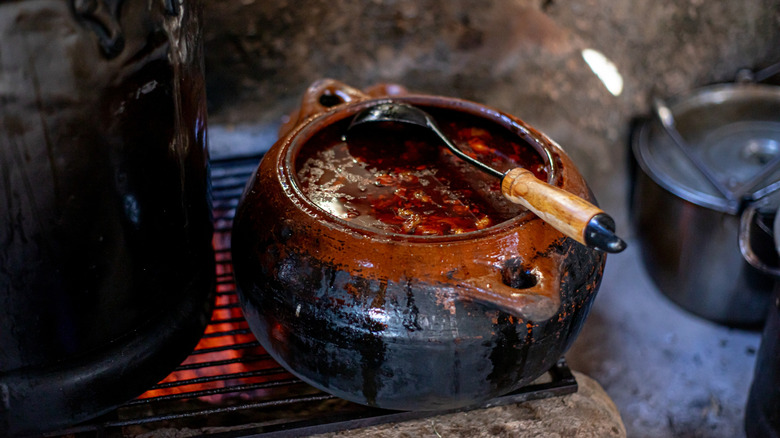
The meat is the main star of your birria tacos, so you want to make sure you get it right. Ideally, you want soft, tender meat that shreds easily with just a touch. To achieve that, it's crucial to braise it low and slow. This allows the connective tissues to break down and infuses the meat with flavor. You can braise the meat the traditional way in a pot on the stove, in your oven, or in a slow cooker.
One of the most common pitfalls comes down to heat control. As Gabriel Llaurado explained, "The biggest mistake is boiling instead of gently braising — a hard boil can tighten the meat and cloud the broth ... Low heat, patience, and the right cut do most of the work!" In other words, resist the urge to rush things along by cranking up the temperature. A gentle simmer keeps the meat relaxed and allows the fat and collagen to melt gradually into the consommé, giving you that rich texture and clear broth.
Once the meat is fully tender, don't skip the resting period. Letting it sit for a bit allows the juices to redistribute throughout the interior. After it's done resting, Richard Sandoval advised, "Shred it by hand so you keep the texture intact." Pulling the meat apart with your fingers gives you better control so that you can preserve those tender strands instead of turning them mushy.
6. Skim and strain your consommé
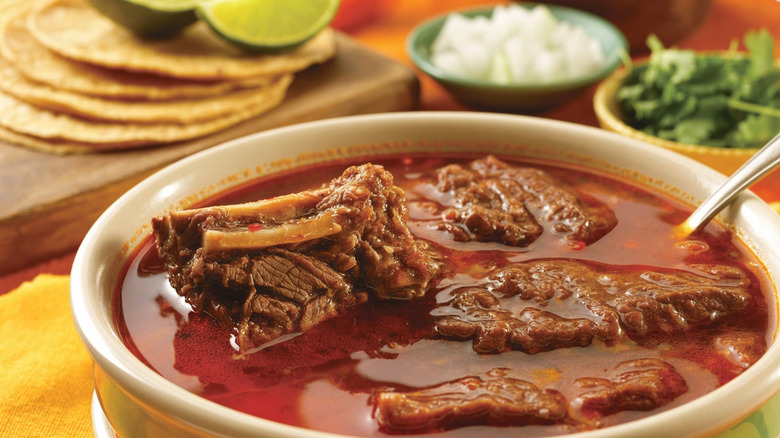
The meat may be the star of birria tacos, but the consommé is what ties the whole dish together. Neglect it and you may end up with a greasy or cloudy broth. One way to avoid this is by skimming off the fat that rises to the top of the pot as your meat cooks. As for that final layer of red oil that collects on top, Jenny Martinez recommends skimming it into a separate bowl and using it to fry your tacos. She said, "It gives you that beautiful deep red color and adds amazing flavor to your tacos."
Several chefs also recommended filtering your braising liquid. Once your meat is done cooking, take it out of the pot and set it aside. Then, strain the broth into a separate pot and remove any aromatics that may have been cooking with the meat. This will remove impurities and give you a clear, clean broth you can drink like soup. In addition, a few of the experts we spoke to suggested adding a splash of acidity at the end, like lime juice or vinegar, for brightness.
Yvette Marquez-Sharpnack told us that straining is also important for the blended chile sauce. "That's what gives you a smooth, silky consommé instead of a gritty broth," she said. Once you've blended your softened chiles with your spices, aromatics, and leftover chile water, pass them through a sieve so that you catch any large spices and chunks of onions and garlic.
7. Fresh corn tortillas are key
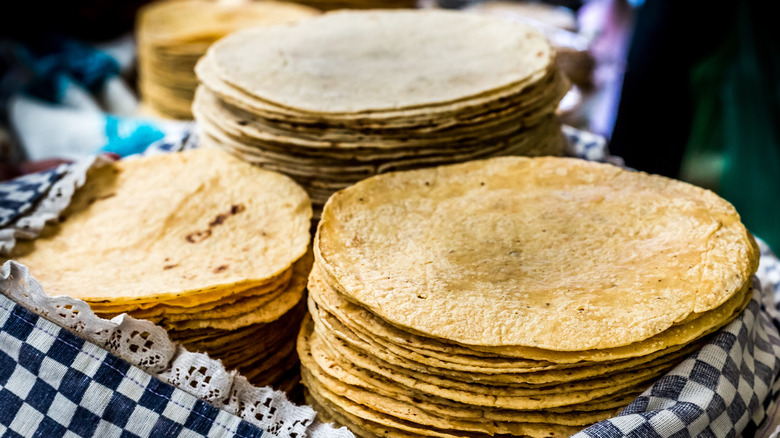
Considering that you're going to be dipping, folding, and crisping your birria tacos, you want to make sure your tortillas are up to the task. That's why corn tortillas are essential. Flour tortillas tend to be flimsy and can turn soggy and tear when dipped in the consommé. Corn tortillas hold their structure better and they have a deeper corn flavor that complements the chile-infused meat. Just be sure to choose fresh tortillas because they're less likely to crack when folded. If you can, seek out a local tortillería or a Mexican market that makes them in-house.
When buying tortillas, simplicity is key. As Alex Carballo explained, "Corn tortillas should be simple — just corn, salt, and lime. If possible, go to a place that grinds [its] own masa, as fresh masa makes a big difference in flavor and texture." And if you're feeling ambitious, making them at home is entirely doable with masa harina (corn flour) and a hot pan. Freshly-pressed tortillas not only taste better, they're also sturdier and crisp up better.
To make tortillas at home, just add water to masa harina and mix until it comes together into a dough that's soft, but not sticky, and pliable. Let it rest for about 20 minutes, then form it into balls. Place the balls between two pieces of wax paper or parchment paper, then either press them in a tortilla press or flatten with a rolling pin. Cook them on a hot griddle, flipping to finish both sides.
8. Be light-handed when dipping your tacos and use a hot pan to crisp them up
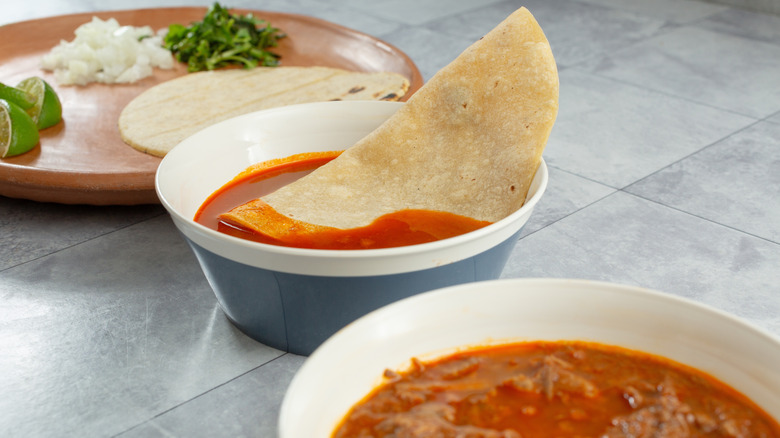
Part of what makes birria tacos so irresistible is that golden, crackly exterior. It contrasts beautifully with the soft, saucy meat inside and adds another layer of flavor. Frying the tortillas can be tricky, though, because it's all too easy to end up with a soggy, oil-ridden mess. According to the experts we spoke to, the keys to getting it right are restraint and being mindful about the temperature.
Yvette Marquez-Sharpnack advised us that you want to apply the oil to your tortillas gently. She said, "Dip the tortilla lightly into the top layer of fat from the consommé, don't soak it. Then cook it on a hot comal (skillet) until lightly crisp before adding the shredded meat and cheese (if using)." It's essential that the skillet is hot because high heat helps the tortilla crisp quickly without absorbing excess oil.
Once your fillings go in, fold the tortilla over and flip to cook both sides. Alex Carballo told us, "Cook the tacos long enough for the tortillas to soak up just enough fat to become golden and crisp without getting greasy." Ideally, you want the edges to be nice and crispy and the tacos to be warm and toasty.
9. Pair your tacos with toppings that cut richness
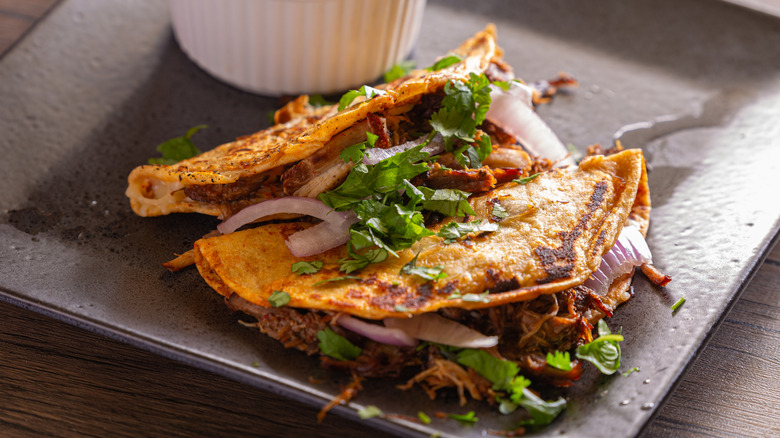
With rich, succulent meat and tortillas fried in rendered fat, birria tacos can be pretty heavy, so bright garnishes help lift them. Traditional add-ons include fresh cilantro, diced white onions, and a squeeze of lime juice. Each topping plays a specific role: Lime juice adds acidity that cuts through the richness of the braised meat, raw onion adds crunch and a sharp bite, and the cilantro provides a herbal note. As Richard Sandoval said, "The contrast between rich, savory birria and fresh garnishes is what makes the dish special."
Of course, you don't have to stick to just the classics. For example, Gabriel Llaurado recommends adding pickled onions, which add acidity and a touch of sweetness. Thinly sliced radishes can add a peppery crunch, jalapeños can introduce a kick of heat, and a spoonful of salsa verde can brighten things up. And if you're one of those people who hate cilantro, why not opt for parsley or fresh dill instead? Whatever you choose, aim for toppings that balance the richness rather than compete with it.
10. Consider making quesabirria tacos
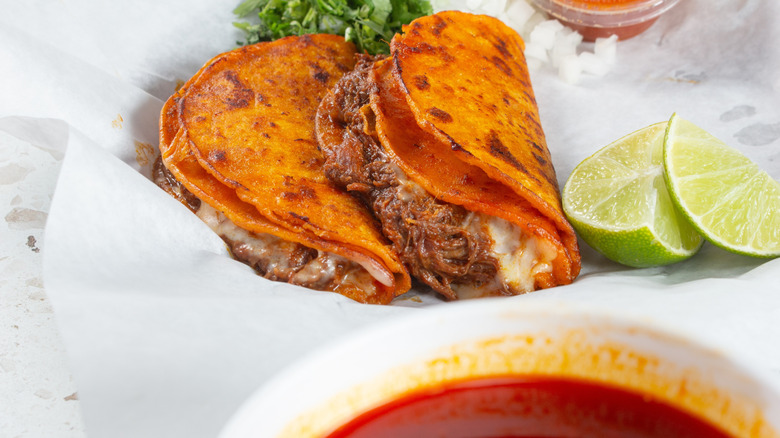
If you really want to take your birria tacos to the next level, consider turning them into quesabirria tacos. As you might guess from the name, this popular street food snack adds queso (cheese) into the mix along with all the usual birria components. It works beautifully because the cheese melts into creamy, gooey goodness in the hot tortilla, and it adds extra crunch when it spills out the sides and crisps up on the hot comal.
When choosing a cheese for your quesabirria tacos, aim for something that's mild and melts well. Jesús Méndez suggests going with traditional Mexican cheeses like asadero or queso Chihuahua, both of which are semi-soft and mild. In fact, he says they're far superior to cheeses like mozzarella or cheddar cheese because they work better when fried. "True Mexican cheese doesn't 'sweat' fat when cooked properly on a flat top," he said.
If you're going the quesabirria route, many chefs recommend sprinkling it onto the tortilla after it has started to crisp up so that it melts directly on the hot surface. This helps the cheese adhere to the tortilla and develop those crispy, lacy edges that make quesabirria so addictively good. Some cooks also double up on the tortillas to account for the extra moisture the cheese adds.