

10 Old-School Sandwiches We'd Love To Bring Back
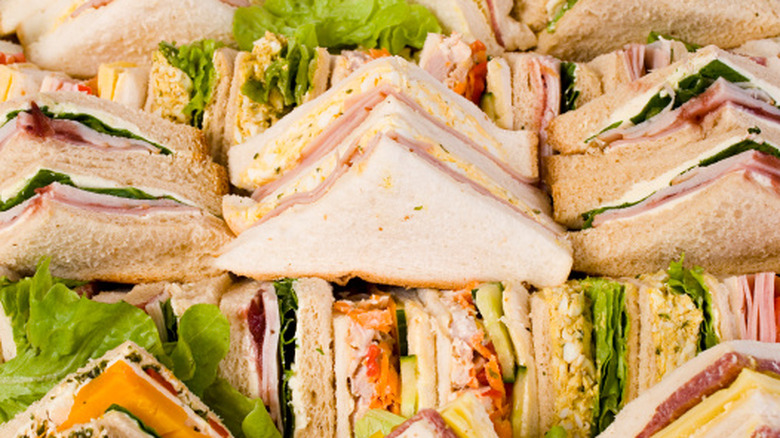
The past century has seen a major change in not only how people cook and eat, but what they cook and eat. Much of this has to do with availability, of course. Changes in immigration patterns, import agreements, freezing technology, and crop choices made more types of food available and abundant all year long. Processing techniques have changed the composition of some foods, such as snack foods. Our understanding of how food affects health has also changed drastically with the introduction and modification of dietary guidelines. Suffice it to say, the more we've learned, the more we've adjusted what we eat.
Many dishes still eaten today are different now compared to how they were just a few decades ago. Sandwiches are a good example because obviously, they're still popular, but the fillings and breads have expanded enormously. A few classics are still around, like grilled cheese or peanut butter and jelly. Others have faded in popularity as people have become more interested in other fillings. But even PB&J and grilled cheese have changed as people have embraced other types of nut butters, cheeses, and breads.
That doesn't mean that everyone in the country has completely stopped eating these sandwiches. You might look at this list and find a few that you still eat. But all of these have gradually faded from view in some way, even though they aren't ones that people would be happy to leave in the past. Here are 10 old-school sandwiches we'd love to bring back.
1. Cold meatloaf sandwiches
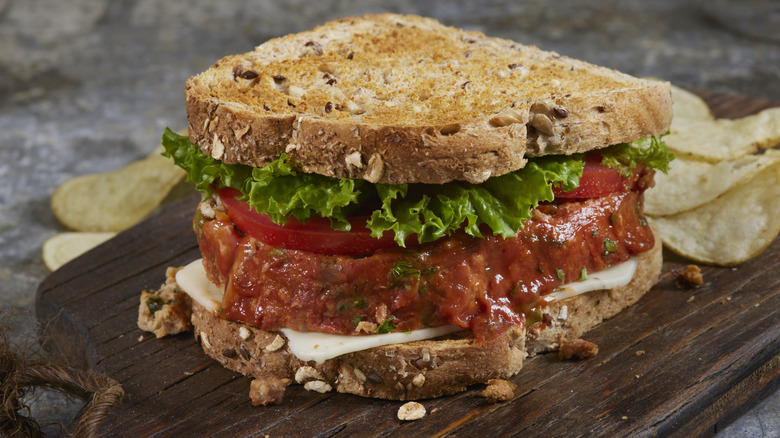
Cold meatloaf sandwiches are still around, and you can find social media threads where people talk about how they still like to have them for meals. However, given the number of people who ask online about whether you can eat meatloaf cold, it's obvious that this sandwich isn't as common as it used to be. In fact, the sandwich now seems to be taking its place among those that elicit either unpleasant reactions or a lot of nostalgia; for example, one social media user, @mckennaiseating, posted a video on TikTok about eating a cold meatloaf sandwich. While many comments were positive, a good number were negative. When she posted again on TikTok about the negative responses, a couple of the comments on her second video were positive but called cold meatloaf sandwiches "old-fashioned" and "top-tier elderly cuisine." It's clear that this sandwich is not a standard part of people's diets anymore.
If you want to give a cold meatloaf sandwich a try, remember that the meatloaf you make has to be refrigerated within two hours of coming out of the oven. Slice the leftover loaf and place the slices in shallow, airtight containers with lids. Don't stack slices more than 2 inches high, and eat the leftover meatloaf within three to four days. If you want to reheat the meatloaf, ensure you reheat the meat to 165 degrees Fahrenheit internally.
2. Fluffernutter sandwiches
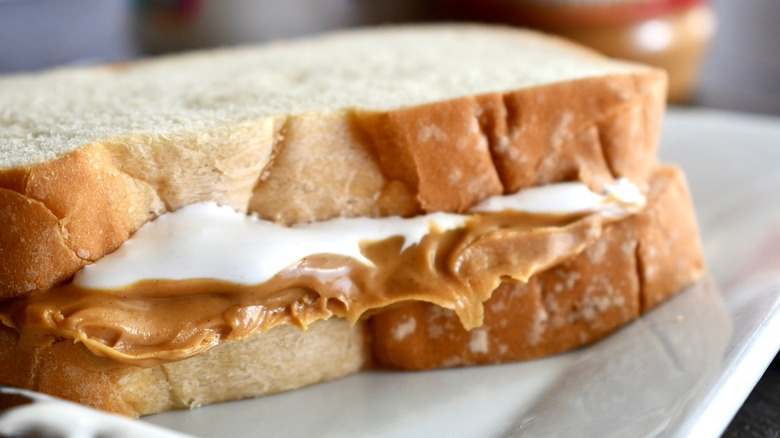
Yes, New Englanders, we know Fluffernutter sandwiches are still around. These sandwiches with layers of peanut butter and Marshmallow Fluff between two slices of white bread were a lunchtime or after-school tradition, not just in New England, but in much of the eastern U.S. However, these regional favorites seem to be fading in popularity outside of New England. Social media posts are full of people from states like the Carolinas and Virginia remembering how they ate it as kids. Even Floridians seemed to have had it, at least at Walt Disney World. But it's almost always talked about in the past tense.
The Fluffernutter remains fairly popular in states like Massachusetts, where it was popularized by a descendant of Paul Revere, Emma Curtis. She ran a marshmallow creme factory and published a recipe for the sandwich during World War I, although the sandwich didn't get its unique name until 1960, courtesy of an advertising agency. In 2006, when a Massachusetts state senator proposed limiting Fluffernutter sandwiches in school cafeterias to one day a week, the backlash was so furious that he withdrew his proposal. But outside of that region of the U.S., the gooey, sticky, sugary Fluffernutter appears to have become something that people just remember from way back when they were children.
3. Onion sandwiches
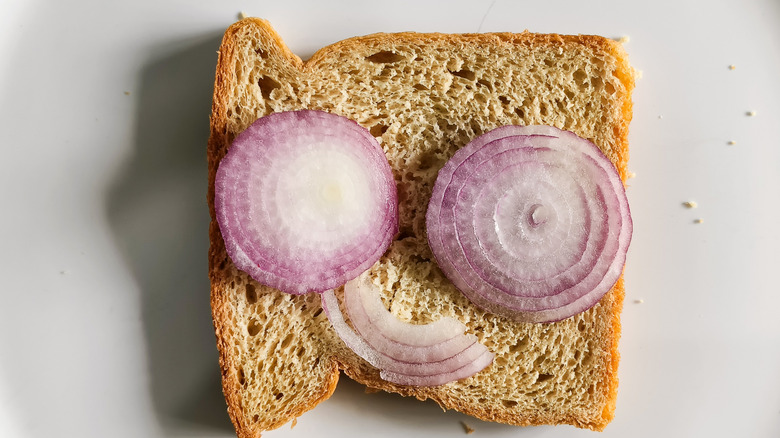
The basic onion sandwich, made of sliced raw onions on bread that's been buttered or covered with mayo, started as a European dish. It moved over to the U.S. and became a popular budget food for decades. It was simple, and with the use of sweet onions, not as pungent as you'd think. The sandwich was a stalwart of Great Depression diets, and many older adults today still have memories of eating onion sandwiches. Bread and whole onions are highly portable, and all you need is a knife to create a sandwich on the go. They are also inexpensive ingredients, and many memories of the sandwich involve some sort of need for cheap food. Onion sandwiches received some star publicity when a pre-celebrity James Beard created an hors d'oeuvre based on them, placing thin slices of onion on small rounds of very soft bread, encircled in a garnish of chopped parsley.
Onion sandwiches remain a regional specialty in places like the South, but it's obvious that more people are now unfamiliar with them. If you look online, you'll find people treating the sandwich as a vintage Depression-era food or a hidden gem. One person posting online thought Jacques Pepin had invented the sandwich after seeing him make it on his show. But the sandwich is one that could easily make a comeback. The crunch of the onion amidst silky, salty butter and soft bread makes the simple sandwich a winner.
4. Cold cheese sandwiches
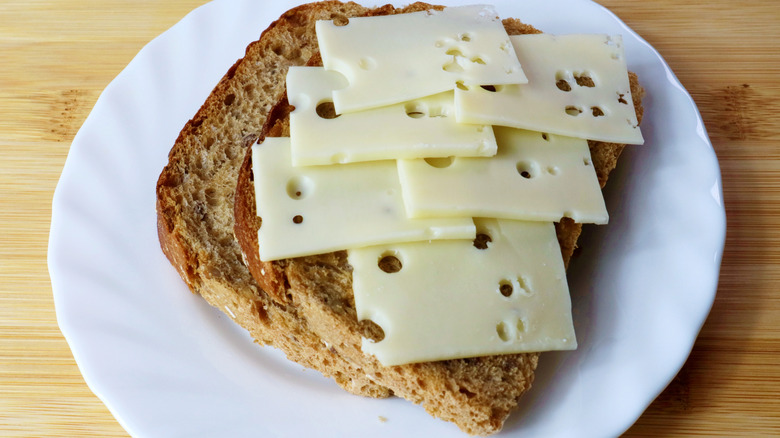
One of the simplest sandwiches you could make is one with a slice of your favorite cheese between two slices of bread. No toasting or grilling necessary. But this simple sandwich has become controversial in the U.S., through no fault of the sandwich itself. The cold cheese sandwich is still popular in the U.K., but in the U.S., the idea of cold cheese on bread doesn't get many favorable remarks. In one online forum, when asked about having cold cheese on bread, people joked that it sounded like the poster just didn't have a working stove. On another social media site, someone who posted a picture showing a cold cheese sandwich also asked how long it would be before people started complaining. Americans have clearly become grilled-cheese people; according to a 2025 survey conducted by Talker Research and the Tillamook County Creamery Association, 62% of those polled agreed that they were "grilled cheese enthusiasts."
Cold cheese sandwiches were common in kids' lunches in the 1970s, especially for kids who needed inexpensive food. But that meant that many associated the sandwiches with financial struggle. Plus, in the 2000s and 2010s, cold cheese sandwiches became a punishment of sorts for children who had school lunch money "debt." We wish the sandwich wasn't stuck with this reputation because when you use your favorite cheese and bread, it's delicious and quick to make. However, we can understand why so many no longer want to eat them.
5. Beef tongue sandwiches
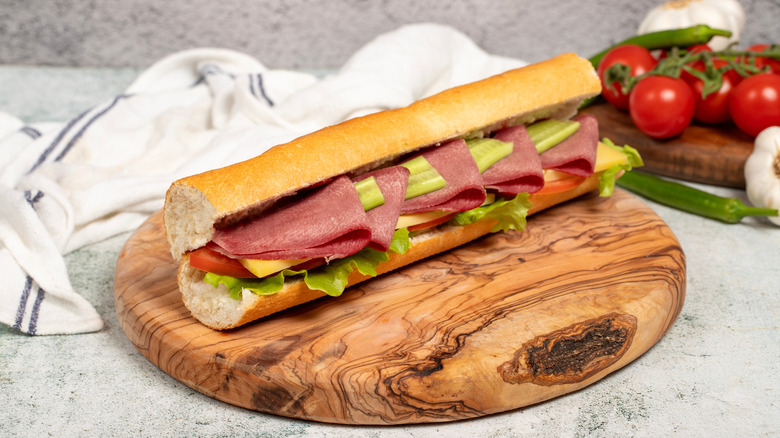
You can still find a lot of places selling tongue in the form of tacos de lengua. But the idea of eating tongue as a roasted meat in a non-taco sandwich isn't a pleasant one for many people now. Too many people are uncomfortable with the idea, and that's understandable; when you buy tongue from a butcher, you might not get it sliced and trimmed. You might get an entire tongue, tastebuds and all. But beef tongue has long been a vintage meat often served in Jewish delicatessens and on holidays, and you'll still find it on some menus in old-school restaurants.
People have commented that the decline in popularity could be due to the texture. You'll still find families who eat it along with other organ meat, and those who try the meat in sandwiches are often impressed. They say it's tender and has good flavor. Obviously, what you put on the sandwich with the tongue will affect that, but it shows that the flavor of the meat itself isn't too unusual. One person online wrote that resistance to eating tongue is really just because people aren't used to the idea.
6. Deviled ham sandwiches
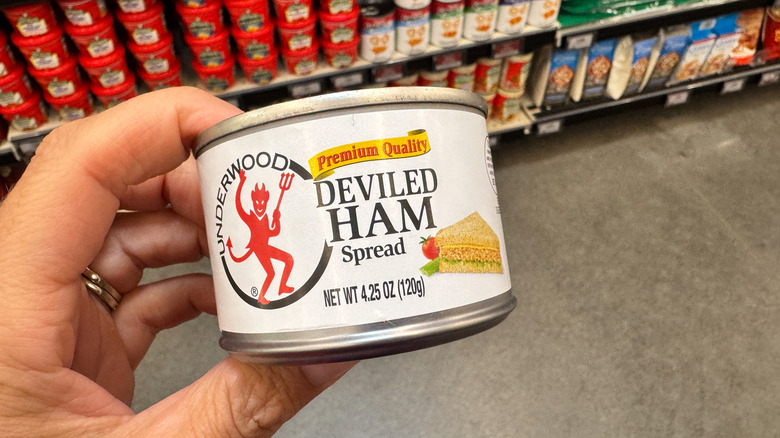
Hands up if you remember looking in the pantry in your childhood home and seeing shelf-stable, paper-wrapped cans of Underwood deviled ham spread or chicken spread. Deviled ham is just ground ham mixed with spices, sugar, and other seasonings. You can eat it out of the can, on crackers, or in a sandwich. The Underwood company started making deviled ham spread in 1868 in Boston, and the spread became a common lunchtime sandwich filling up to the 1970s or so. After that, however, people's memories of the spread start turning toward how older people would eat it, or remembering when they'd eat it as kids. Some still eat it, and you can still buy the spread. But it's no longer a common purchase; nowadays, you're very likely to find people who have never seen deviled ham spread before, or who've seen the cans but not eaten the spread.
Deviled ham is still commonly eaten outside the U.S. However, the overly salty flavor is a turnoff for some in the U.S., and the look of the creamy meat paste has been compared to pet food. The texture is another issue, with one person comparing it to baby food. But it was popular for many years for a reason, and with two-serving cans costing only a couple of bucks, you never know when it could see a surge in popularity.
7. Olive loaf sandwiches
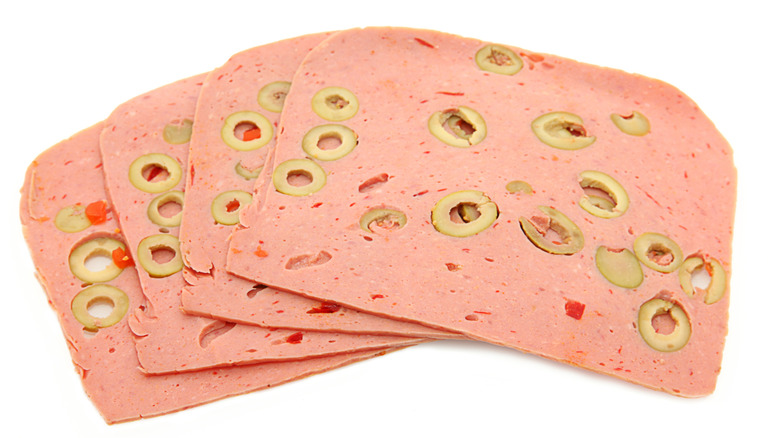
Olive loaf is an old-school deli meat that's studded with sliced green olives and bits of pimento. It's one of the many lunch meats related to mortadella and bologna. Mortadella is made from pork with cubes of pork fat scattered throughout the meat; it can also have olives, pistachios, and other bits of food mixed in. Olive loaf doesn't have to be made of only pork, and it always has those green olives and pimento bits that pop out the second you fold a slice in half.
It's also a very old-school lunch meat that a lot of people remember from the 1970s and before. Some loved it, but others couldn't stand it, and it's that second group that appears to have won out. People didn't like the looks of the meat, or they didn't like the olives. The fact that it was processed meat, similar to bologna, meant that it became less popular as people started moving away from eating these high-sodium meats with preservatives. Even meat cutters weren't always fans; one woman claimed online that she was a deli worker and hated olive loaf because the pimento bits would scatter everywhere and dry on the slicer.
However, if you like olives and don't mind the occasional processed-meat sandwich, olive loaf isn't all that bad. And the meat still has fans who insist it's the best, comparing the meat to higher-quality bologna.
8. Sugar sandwiches
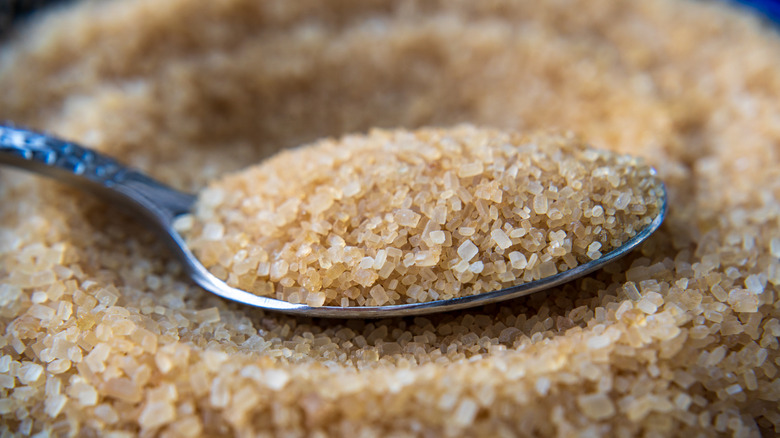
A lot of you ate cinnamon sugar on toast as kids and possibly as adults, right? How many of you also ate sugar and butter as a sandwich filling? For those readers who never had that second one, yes, sugar sandwiches using white or brown sugar between two slices of buttered bread were a childhood treat for many people. And before that, the sandwiches were a budget-friendly food that provided calories and flavor for very little money during the Great Depression years and beyond.
In the United States, sugar sandwiches are no longer a very common contemporary snack and are now associated more with childhood memories. You'll occasionally find a blog in which someone makes a sugar sandwich as an adult, but it's usually done as a way to tap into nostalgic feelings. This is understandable. As people try to cut down on how much sugar they eat, the idea of having a lot of sugar on buttered bread doesn't sound like the healthiest thing you could ingest. Plus, if you put too much sugar on, you're almost guaranteed to have a layer of sugar scattered across the table or floor once you pick up the sandwich. Still, if you've got a sweet tooth and want to try vintage foods, it could be a tasty once-in-a-while treat.
9. Baked bean sandwiches
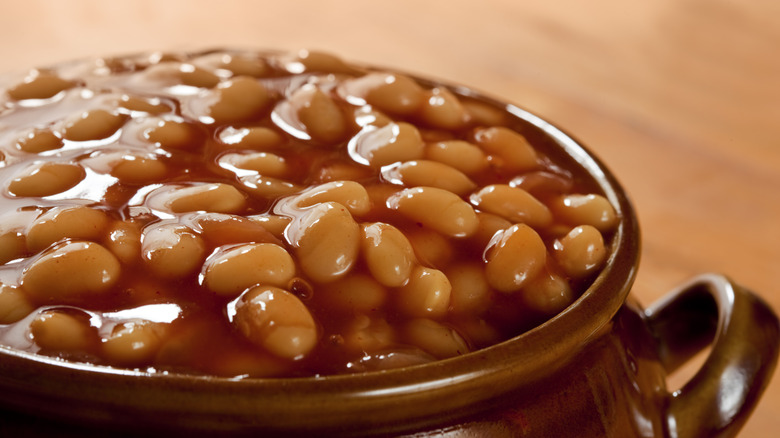
If you search for baked bean sandwiches, you're going to find a few variations. There's the mashed-bean-celery-horseradish spread on Boston brown bread, for example. There are also a number of variations in which you mix baked beans (or any beans, for that matter) with onions and other sandwich fixings.
But then there are the true baked bean sandwiches, specific to New England, in which you take leftover baked beans, plop them on a thick slice of white bread, and top them with a second slice of bread. That's it, and it's a New England classic. It's also going out of style, apparently. As writer Aimee Tucker wrote for NewEngland.com, these sandwiches "seem to be especially popular with Yankees of a certain generation." It's true that a baked bean sandwich isn't fancy, but it's a great way to use up leftovers. The beans — eaten cold — hold together well and don't drop off the bread that easily. They're already seasoned, so there's no need for other condiments, and the bread and beans form a complete protein. This is a sandwich that, if you haven't tried it yet, you'll really want to check out.
10. Peanut butter and pickle sandwiches
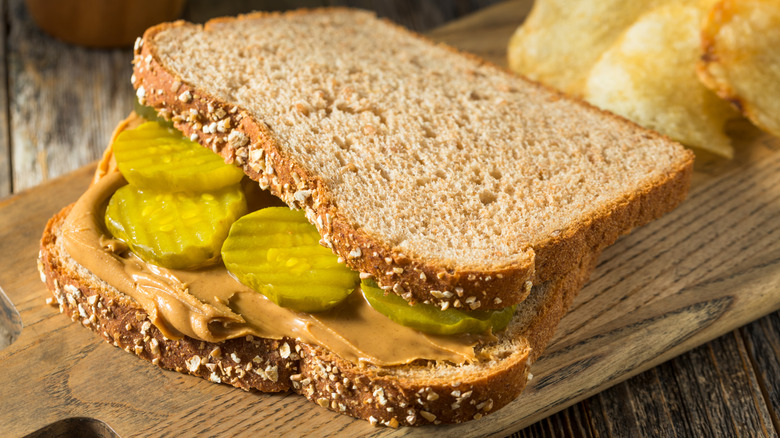
Finally, we have an old-school sandwich that may actually be seeing a renaissance as more people try it. Part of the fascination is no doubt in the name, because this sandwich is a peanut butter and pickle sandwich. Those aren't flavors you typically hear about in the same recipe. But the sandwich may be getting more attention for its flavor combination that, as one person mentioned online, isn't that different from what you find in Southeast Asian cuisines like Thai. You have peanuts, cucumbers, vinegar, possibly garlic, and additional seasonings like dill (whether to use bread-and-butter pickles or dill pickles is a matter of personal preference), all of which are present in many Southeast Asian recipes.
The peanut butter and pickle sandwich began as a budget food during the Great Depression and remained one of those sandwiches that never quite became hugely popular but always had some core believers and never really went away. The sandwich gained some publicity after being featured in the New York Times, prompting more people to try it and like it. Knowledge of the sandwich has also spread (no pun intended) across the internet, with more people trying it after reading about someone else eating it. Occasionally, someone will run into a commercially made peanut butter and pickle sandwich in the wild (a.k.a. a grocery deli or similar place). If you try it, use pickles that are crunchy. That texture appears to be part of the appeal.