

Don't Make These 8 Mistakes When Ordering Seafood
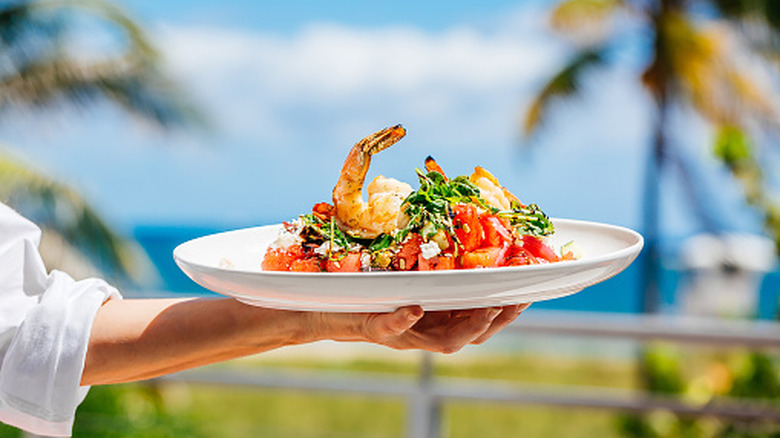
Seafood prepared right is a treat and worth paying extra for. But seafood can also be tricky to order, especially when you're traveling in unfamiliar places and trying to decide on a restaurant based on nothing but Yelp reviews, travel brochures, and the person working at your hotel's front desk. If that's not already enough pressure, somewhere between 10% and 20% of foodborne illness in the United States can be traced back to seafood, so you don't just want your salmon or snapper or halibut to taste good. You also want to make sure it's not going to be the reason why you spent part of your vacation face down on the bathroom floor instead of face up on the beach.
All food needs to be fresh and safely handled, but seafood is less forgiving. It spoils faster than meat, and it's often eaten raw or lightly cooked, so you definitely want to pick a restaurant that knows how to handle and store it. Of only slightly lesser concern, you also want to pick a restaurant with a chef who understands how to make seafood taste good without deep-frying or smothering it in heavy sauce. Because you're likely to pay a premium for seafood, you want to walk away feeling like you got what you paid for.
Following a few simple tips from the people who operate quality seafood restaurants can help ensure you only ever order good quality, toxin-free, delicious seafood no matter where you are in the world.
1. Mistake: Not vetting the restaurant before you arrive
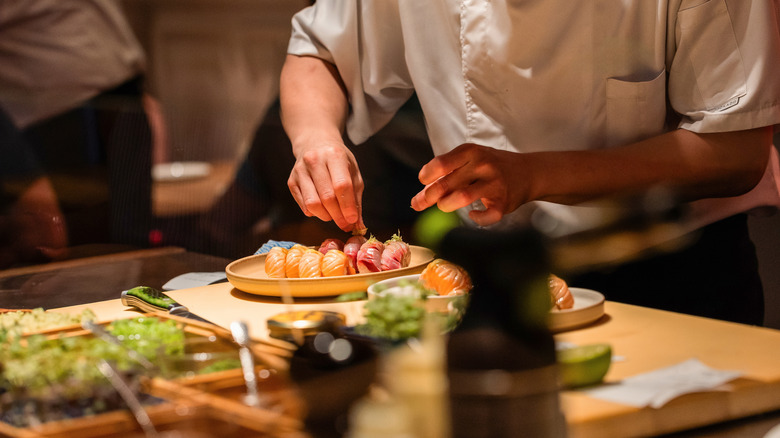
One of the most important things you can do to make sure you're only paying for the best-quality seafood is to vet the restaurant ahead of time. If you're traveling, it's a good idea to do this before you leave home, since it can be tempting to just take your chances when you're travel-weary and hungry and without a plan.
"Look for a high-volume establishment," says Eric Hyman, purchasing manager at Waterbar, a seafood restaurant in San Francisco. "Not only are they cycling through their product much quicker, but they're obviously making a lot of people happy with the quality of their offerings."
Don't rely on restaurant review sites alone, since they don't always tell you everything you need to know; make sure you're also looking at local guides and culinary publications. Once you've found a couple of restaurants that look like good candidates, visit their websites and look closely at the menu and general information sections. Reputable seafood restaurants will often disclose their suppliers on the menu or elsewhere on a website. If not, call the restaurant and ask, "Where do you source your seafood?"
Reputable vendors tend to distribute to a lot of different restaurants. "If everyone is using a particular vendor, it's typically because they've earned the trust of their clientele for good reason," says Wyatt Rogers, executive chef at Okana Resort & Indoor Waterpark in Oklahoma City.
2. Mistake: Ordering off-season or non-local fish

Eating local and in season is good advice no matter the cuisine. "Whether you're talking about seafood, fruits and vegetables, wild mushrooms, or any other items, an ingredient that is in season will usually require less manipulation to make it shine," Eric Hyman of Waterbar says. "Eating local is also extremely important because there is less opportunity for the product to suffer during a long journey."
"A great meal always starts with the best ingredients," says Lauren Kiino, culinary director at Hog Island Oyster Co. in the San Francisco Bay Area. "We know the names of our fishers and shellfish farmers, where and how they grow or fish their products, and have cultivated relationships with them over the years. If a restaurant values sustainability and sourcing locally, then that should apply to their seafood as well."
If there's off-season seafood on the menu, that can sometimes raise concerns about its quality. "If the item you are ordering isn't seasonal, they are having to either ship it from a place where it is in season, or it is a frozen product," says Joel Hammond, chef de cuisine of Uchi West Hollywood.
That said, it's next to impossible for a restaurant to locally source everything on its menu, and food that has traveled isn't necessarily always a poor choice. "Good quality sourcing can make up for many concerns that arise from a food's lack of proximity," Hyman says.
3. Mistake: Not asking your server questions before ordering

Your server knows as much about the menu as the chef does — maybe even more, since servers are the first to hear customer praise and the first to field customer complaints. If you didn't vet the restaurant ahead of time, you may be able to get some or most of the information you need directly from your server. Don't be afraid to ask both big-picture questions as well as details about individual menu items.
"Ask your server where they are sourcing products," Joel Hammond of Uchi West Hollywood says. "Gauge their excitement when talking about the fish and seafood. If they can name an exact area where the fish was caught or farmed, or can name a fisherman they source from, that's a huge indication that they know what they are doing and take pride in what they serve."
You can also learn a lot about the specific items on the menu. For example, asking your server what a restaurant's most popular seafood dish is can help you identify high-volume and therefore fresher menu items as well as those that are loved by the masses. And sometimes the best thing on the menu isn't the most popular item. Ask your server about their favorite dish. That question can give you access to information from someone who has first-hand experience with all of the seafood on the menu.
4. Mistake: Choosing the budget options
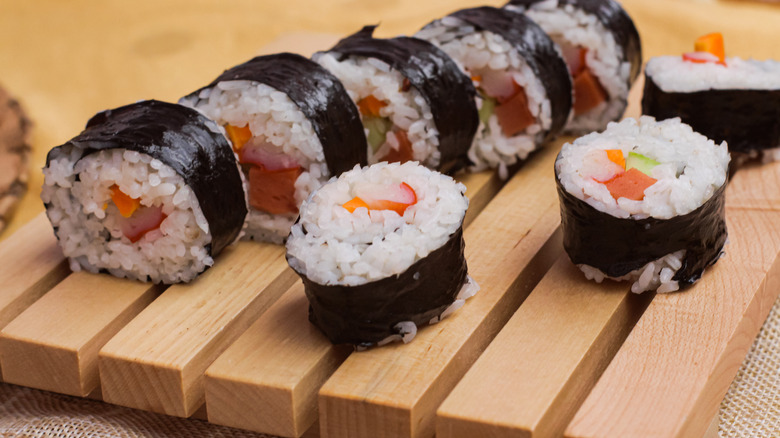
If you're trying to keep costs down, it's often better to order meat or vegetarian dishes rather than lower-priced fish. "Avoid the budget seafood," Joel Hammond says. "Plan to pay a bit extra for higher quality."
Seafood costs more because it's in high demand and harder to get than meat is. Unlike chicken, beef, or pork, seafood is highly seasonal, and decades of overfishing have made some species scarce, which are two variables that naturally drive prices up. So if there are budget items on the menu, it's probably because those items are of lower quality.
A very low-priced seafood special, for example, could be a sign that a restaurant is trying to get rid of fish that isn't fresh. And if you're concerned about seafood fraud (for example, when a menu item says "sea bass" but it's really tilapia), a low price could be a sign that you're not going to get what you ordered. "Crab and lobster are the ones that usually have the most misinformation tied to them," Hammond says. "Both are extremely pricey for restaurants to bring in. If you want real crab or lobster, expect to pay for it. A really good buttered lobster roll should cost you in the $40-$50 [range] ... if it's in the $12-$14 range, it is at least cut with imitation."
5. Mistake: Ordering complicated dishes
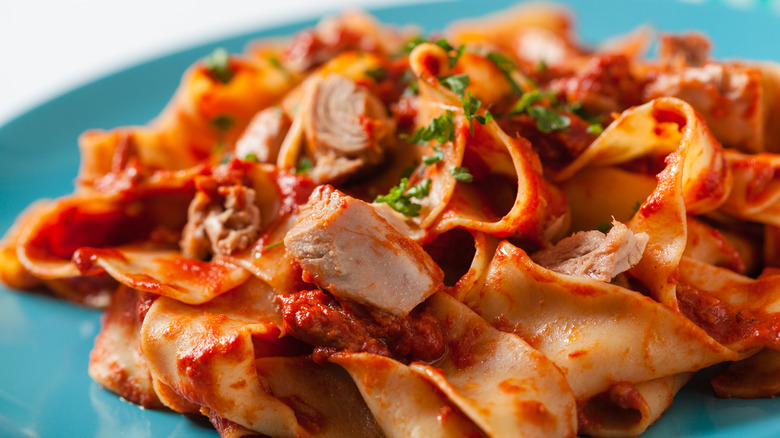
There's nothing inherently wrong with sauce (ask anyone who loves pasta), but seafood is definitely a case of "less is better." It's one of the reasons that seafood and lemon are a perfect pairing. Fish is naturally light in flavor, and when it's drowning in sauce or seasoned with a lot of strong or complex ingredients, well, you might as well just save your money and order the chicken in pesto cream sauce.
"We have always approached our menu with a belief that simple preparations best complement the freshness of the ingredients we source, which allows our customers to taste the dish with clarity," Eric Hyman says. "If a piece of fish or an oyster is over-sauced or over-seasoned, that experience is lost."
It's also worth keeping in mind that a very strong, fishy odor is a seafood freshness red flag, and over-saucing or over-seasoning a seafood dish could be an attempt to mask the odor of fish that's getting close to its use-by date. Be especially suspicious of very saucy or over-seasoned seafood dishes in restaurants that don't have a good local reputation for seafood or that are known for non-seafood menu items like steak or chicken.
Exceptions do exist, of course, especially in certain traditional cuisines. Cajun blackened fish (which is best with certain types of fish), cod Veracruz, and Malabar fish curry are good examples of traditional seafood dishes that feature complex spice profiles and/or rich sauces.
6. Mistake: Ordering on the wrong day of the week
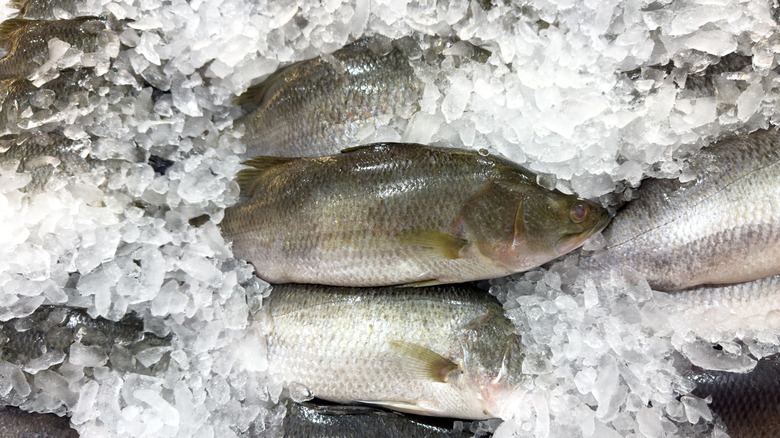
Experts don't always agree on this tip, but you may find it helpful if you're eating at a restaurant you haven't vetted ahead of time and you're not sure about where it gets its seafood or how popular the seafood items are. "Generally Tuesday through Saturday are the best days," Joel Hammond says. "Seafood purveyors generally don't do deliveries on Sundays so restaurants will order heavy to get through until Monday with fresh fish landing Monday for Tuesday. But if the restaurant you are going to is known to be busy, they will be turning product enough to where you won't have to worry about it."
Lauren Kiino of Hog Island Oyster Co. says how a restaurant stores and handles its fish is more important than the day of the week you visit. "Most local, high quality food distributors will deliver five or six days a week with smaller delivery minimums. If a restaurant is purchasing high-quality ingredients, hopefully they know how to store and handle to optimize freshness. And restaurants that use mostly fresh ingredients will order smaller amounts more frequently."
Again, the restaurant's reputation and popularity are really the most important factors when it comes to freshness. "Every day is a good day for seafood," Eric Hyman says, adding, "if you're fortunate enough to live near a high-quality, high-volume fish house, you can try a different species each time."
7. Mistake: Avoiding seafood restaurants that aren't near the coast
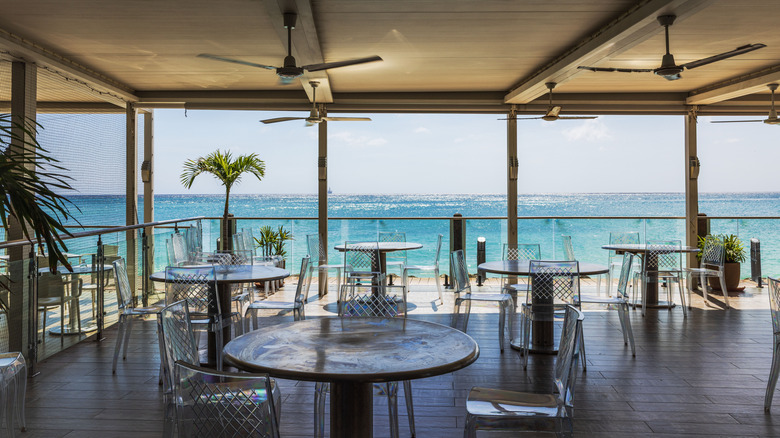
The once-beloved and often-repeated advice to stay away from inland seafood restaurants may not be as valid as it used to be. Reputable and popular seafood restaurants are located across the country, and not all of them are oceanside. "With modern day logistics being what they are, it really doesn't [matter]," Eric Hyman says. "What's more important is the overall effort that a restaurant puts into its sourcing."
Wyatt Rogers of Okana Resort & Indoor Waterpark agrees, saying it's important for inland restaurants to order from reputable suppliers that guarantee fast delivery. "The expectation is that you order from a purveyor that can typically deliver fresh seafood within a 12-24 hour window of your product having been processed." As long as the product is correctly handled during travel and arrives within that short time period, a customer is unlikely to notice any real difference between it and the same fish ordered from a coastal restaurant.
Joel Hammond points out that seafood restaurants located on the coast do have some slight advantages over inland establishments. "You have a much higher chance of finding fresher and better seafood, that's for sure. But the shipping industry is massive now, and you can really get close to the same products anywhere. It just usually costs a bit more." So the advantages that do exist for coastal restaurants mostly come down to minor differences in freshness, quality, and lower prices.
8. Mistake: Ordering fried fish
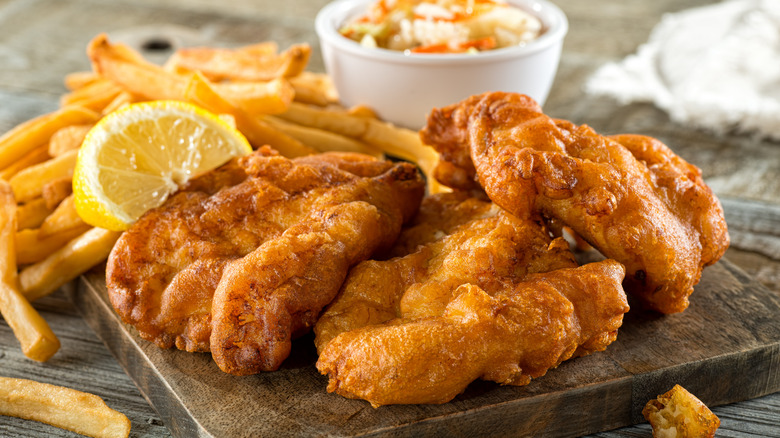
If you're craving fried fish, you can use all the tips discussed by our experts to find the best basket of fish and chips, a fried fish sandwich, or whatever version of battered and deep-fried seafood you prefer. There are plenty of popular, high-volume fish and chips places that serve fresh fish sourced from reputable suppliers.
Having said that, restaurants that do not specialize in fried fish may have ulterior motives when serving fried fish alongside other unbattered seafood dishes. Without naming names, it's possible that a less-reputable restaurant may be pushing that fried seafood special because it has a lot of unsold, not-very-fresh fish in the fridge that it would rather not write off.
"Fried fish to me means that this product is on its way out the door (I'm talking about you, oysters)," Wyatt Rogers says. "If you need to soak a piece of fish in buttermilk, batter it with x amount of different seasonings, there's a good chance the life on this product is close to its end."
Again, reputation is everything when it comes to seafood, and the more you know about where a restaurant's fish comes from and how popular it is with customers, the more confident you can be that your seafood dining experience will be delicious, satisfying, and microbially untainted.