

8 Brunch Red Flags That Should Send You Running Before The Mimosas Hit The Table

People love brunch. It's a nice way to start (or end) a great weekend, a fun setting to debrief the night before with friends, and a chance to enjoy delicious mid-morning staples like eggs Benedict, French toast, and classic brunch cocktails, most famously mimosas.
Many people have their go-to brunch spots that guarantee great food and a pleasant atmosphere. But when you're testing out a new place, you should probably learn to recognize the red flags as well. There are certain factors that you might want to look out for to make sure you have a good time and don't waste the first half of your Saturday.
We connected with two experts to get the scoop: Joey Sergentakis, Michelin-starred chef and owner of multiple restaurants, and Aaron Anderson, owner and founder of brunch eatery Sunrise Social. Before you decide to claim that corner booth, look out for these eight warnings that could mean your experience will be lackluster.
1. The wait time is too long
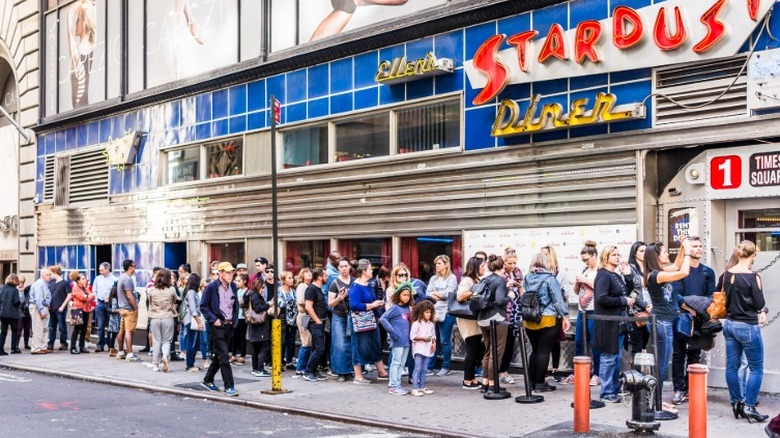
You've woken up early, gotten ready, and made your way to the newest brunch spot in town. But then you see it — the dreaded wait time estimate on the restaurant's website accompanied by a line out the door.
This isn't always a bad sign, necessarily. It could just mean that the restaurant is beloved by many, and everyone is trying to get in. However, there are a few things to keep in mind. "A short, predictable wait can be a good sign that a restaurant is popular and managing flow well. Extremely long or chaotic waits often signal poor reservation systems," says Joey Sergentakis. If you're seeing empty tables but no service in sight, the restaurant may be struggling behind the scenes. Overwhelmed staff can stall seating and put a damper on your outing.
You should also be kept somewhat in the loop, not just in limbo. If you can't see a clear reason why you're waiting so long, that's a problem. Aaron Anderson advises, "A good brunch restaurant manages expectations well — clear communication, realistic wait times, and a sense that there's a system in place. A long wait with confusion or frustration is more of a red flag than the wait itself."
2. The menu is extensive

Opening a huge menu often leads to feeling overwhelmed and is never a good intro to a restaurant. In addition to this, though, it can also signal underlying problems in the kitchen. If a menu is several pages long, the staff is most likely working overtime to accommodate, which can lead to less care being taken over the food quality and service. Also, the option to make substitutions is less likely.
Experts insist upon quality over quantity. It's better to have a few solid items than to offer too many thoughtless options. "When a menu tries to do everything, it usually does very little well. A focused menu shows confidence and expertise," advises Aaron Anderson. "Brunch restaurants that know who they are tend to execute better, move faster, and deliver more consistent quality."
Joey Sergentakis adds, "When a menu gets too large, it's usually a sign that the kitchen is stretched too thin. That often leads to shortcuts, pre-made components, or inconsistent execution." Dishes suffer when kitchens cut corners, resulting in disappointed customers. Sergentakis adds that "nothing truly shines" when a restaurant has an immense brunch selection.
3. The items offered don't fit the brunch flow
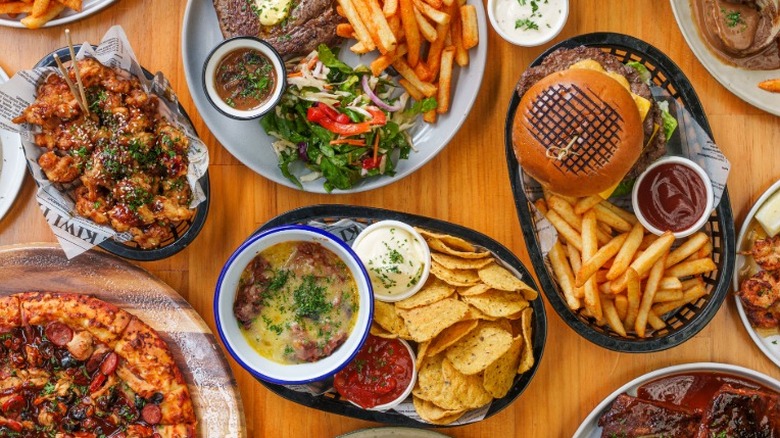
Simply put: A good brunch menu should stick to the basic foundation of the meal. If there are too many menu options that scream "lunch" or "all day" dishes, customers should be wary because this likely means that the restaurant is not very focused on providing the full brunch experience. Chef Joey Sergentakis asserts that brunch "has its own identity," and should be treated as such.
"Brunch works best when the food makes sense for the time of day and the pace of service," says Aaron Anderson. It's always concerning to see something that disrupts the basic vibe, especially items that don't quite fit the mid-to-early hours during which brunch is typically served.
Sergentakis recommends this formula for a successful brunch: "properly executed egg dishes, a great bread or pastry element, something savory and satisfying, and at least one lighter option; well-made omelettes, eggs Benedict done correctly, a strong toast or breakfast sandwich, a pancake or French toast, and maybe one or two composed plates that bridge breakfast and lunch."
4. Buffets appear neglected
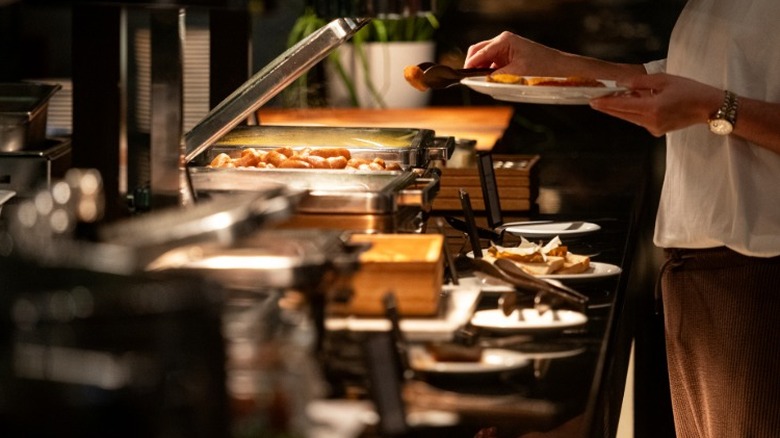
Brunch buffets can be a bit tricky to get right. Customers will easily spot things about a buffet that make it look unappetizing or alarming, and brunch is no different.
Aaron Anderson stresses the importance of hygiene in the case of a buffet. "Presentation and cleanliness matter a lot. Food should be properly covered, clearly labeled, and held at the right temperature," he says. One of a restaurant's many responsibilities is maintaining the health of its guests, and when food is abandoned and left to spoil, the ruined flavors and experience are the least of its worries.
"The biggest issue with brunch buffets is food sitting too long. Eggs drying out, proteins overcooking, sauces breaking, pastries going stale: these are all signs that food isn't being refreshed properly," advises chef Joey Sergentakis. It's practically the same as leaving leftovers out on the counter for an extended period of time — the quality of the food is severely diminished. Sergentakis adds that it's a red flag "when items look tired or picked over," which indicates that a buffet is overwhelming customers with too many options.
5. The servers seem on edge
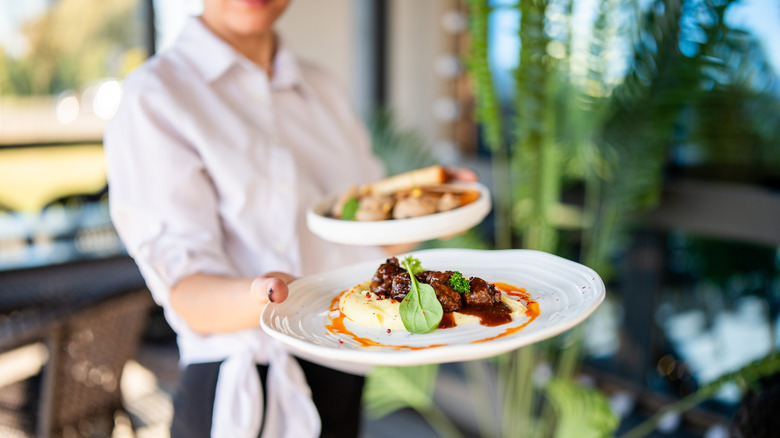
The way servers engage with customers directly reflects the overall quality of a restaurant. When staff are flustered, confused, or obviously in a hurry, they're likely not prepared to provide guests with the best brunch experience.
Waitstaff should never be a source of anxiety for guests. Per Joey Sergentakis, "Good brunch staff should feel calm even when it's busy." Servers should be trained to be prepared for high-stress situations, so it's usually concerning when they seem nervous while waiting on tables. This could mean that they are either poorly managed, overstretched, or unhappy in their roles.
"If servers seem disengaged, rushed, or unable to answer basic questions about the menu, that's usually a sign of poor training or low morale. Good brunch service should feel warm, attentive, and confident — even when the room is busy," says Aaron Anderson. Constant errors, despite a bustling atmosphere, nearly always indicate trouble behind the scenes. Additionally, waitstaff should be comfortable with and knowledgeable about the restaurant's processes. If a server is not consistent with their answers to customers' questions, it's not a good sign.
6. The menu is never updated
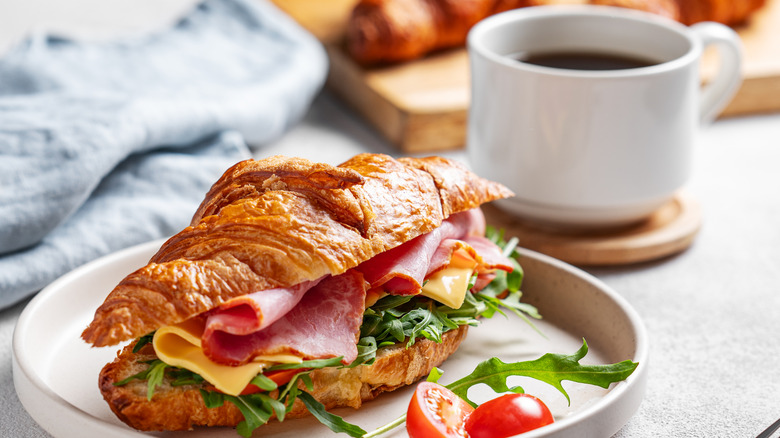
Some brunch regulars may be confused when the menu at their favorite spot changes, but our experts argue that a regularly updated menu is actually healthy for a restaurant.
"As a chef, it's important to keep a menu feeling fresh," says Joey Sergentakis. "I personally love changing my menus often — it keeps things interesting for guests and keeps the kitchen engaged." If a menu is rarely updated, chefs don't have the chance to improve their cooking skills, work with new ingredients, and provide guests with fresh experiences.
Aaron Anderson offers a different perspective. "Seasonal updates or thoughtful additions are great. Constant changes, though, can suggest the restaurant hasn't found its identity yet. Consistency builds trust, and guests like knowing their favorites will still be there." Loyal restaurant customers often come back time and time again for the most popular dishes, so these shouldn't be removed, but some changes are vital for keeping menus interesting.
7. Simple foods are done poorly

Scrambled eggs, bacon, toast, and hash browns are some of the most basic breakfast items, and are very popular at brunch too. They're famous staples and should be easy for a competent chef to make. So when a restaurant struggles to prepare these consistently, you can assume there is a glaring issue in the kitchen.
All restaurant ingredients should be excellent quality. If the owners are trying to save a few bucks, they'll try to pass off not-so-premium ingredients as good. However, this never benefits the value of the food or improves the experience of the customer. "Shortcuts are usually obvious. Overly processed ingredients, bland flavors, or dishes that look good but taste flat are telltale signs," warns Aaron Anderson.
"Rubbery eggs, dry or spongy bread, and potatoes that are greasy or undercooked usually point to problems with both ingredient quality and handling," Joey Sergentakis says. So, what is a good sign? Sergentakis recommends that customers "look for simplicity done well. Freshly cooked eggs, properly toasted bread, balanced seasoning, and dishes that taste clean rather than heavy are good signs."
8. Bottomless beverages are made carelessly
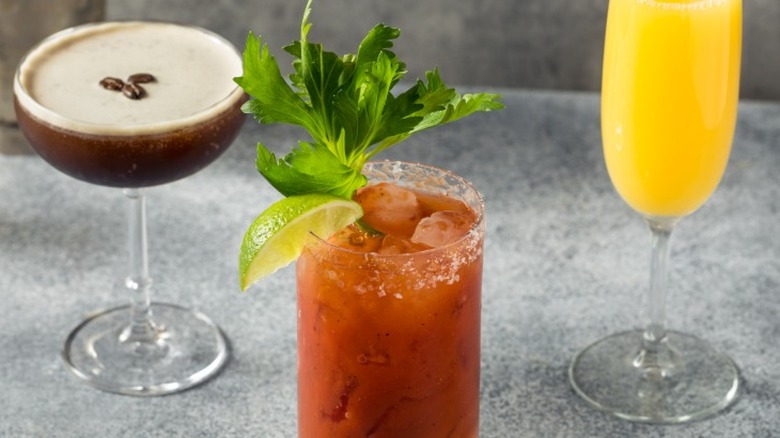
Brunch is a relaxing and delicious meal, but the cherry on top is the delectable cocktails served alongside it. Mimosas, especially, are a beloved brunch staple, not only due to their refreshing taste, but also because of how well they pair with eggs and other classic dishes. However, even though they aren't the main course, cocktails should still be well-made and thoughtful instead of just a gimmick.
Bottomless cocktails should be given the same care and attention as anything else on the menu. They deserve "proper ratios, decent ingredients and thoughtful pacing," says chef Joey Sergentakis. "When drinks are well-made and balanced, they enhance the brunch experience instead of overpowering it."
"If the drinks are watered down, overly sugary, or clearly made with the cheapest ingredients, guests notice," asserts Aaron Anderson. Drinks shouldn't be neglected or made recklessly just because they aren't technically the center of the meal. Anderson adds, "Bottomless shouldn't mean careless. It should still feel balanced and well-made, just portioned responsibly."