

8 Tips You Need When Making Chicken Soup
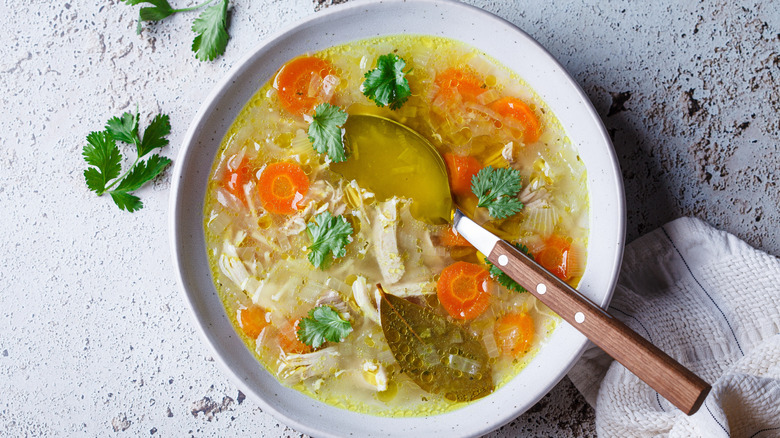
When we think of comfort food, the first thing that comes to mind nearly every time is a good chicken soup. Whether it's classic chicken noodle, flavorful veggies and rice, or cozy chicken and dumplings, many can agree that this basic formula is superior when the weather gets cold.
Chicken soup is healing when you're feeling under the weather and helps to warm your belly on chilly evenings. It's easy to take shortcuts and simply heat up store-bought soups, but making your own at home is more rewarding than you might think. With the right ingredients, implementation of the best methods, and awareness of common mistakes, you can craft a beautiful soup of your own with fresh flavors and healing properties that will become a staple in your winter meal rotation.
We spoke with two professional chefs to gather skillful advice for perfecting a tasty and impressive soup: Michelin-starred chef Joey Sergentakis, part-owner of multiple restaurants including Allendale Social, and chef Jacinto Perez of Constantino's Pasta Bowls. So before you decide to pick up a can of chicken noodle soup on your next grocery trip, here are some expert tips to make a delicious batch at home.
1. Use unconventional ingredients

When preparing to make soup, there are a few ingredients you should have on hand that are well-known and non-negotiable –- chicken (of course), vegetables such as carrots and celery, noodles if you're using them, and basic seasonings and herbs. However, you can also think outside the box and pick up some items that you wouldn't normally consider using in this dish. Certain ingredients can offer unexpected aspects that take your meal to the next level.
"I love adding ingredients like dried shiitake mushrooms, kombu, or a small amount of ginger," says chef Joey Sergentakis. This specific type of mushroom and kombu can add a seamless, meaty taste (also known as umami) on top of the chicken, which creates layers of unique flavor.
Additionally, you can add lemon or lemon peel to brighten up the contents of your soup. This fresh citrus "adds aroma and freshness, balances richness, and wakes up the entire bowl without making it sour," according to chef Jacinto Perez. Lemons are commonly found in most kitchens and can easily be implemented into many dishes, especially in soups.
2. Choose the best cooking method
With the rise in popularity of Instant Pots (along with an abundance of accessible online recipes) and the nostalgic convenience of Crock-Pots, it's fun and easy to get creative with your favorite kitchen appliances. However, they aren't always the right choice for certain meals.
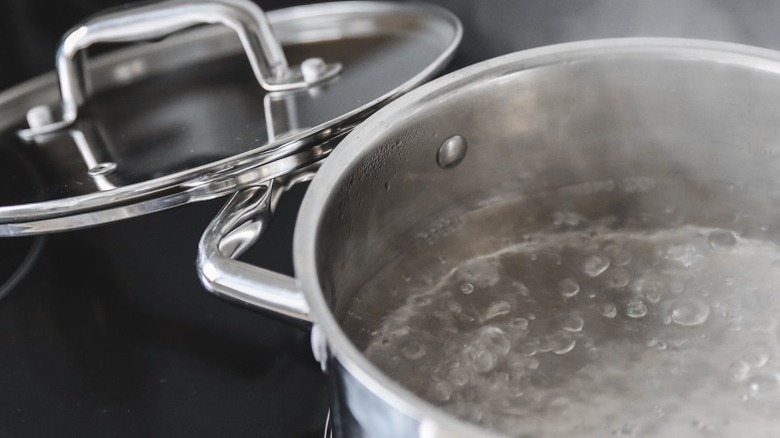
It's best to use a stovetop to make chicken soup as it allows you complete control over temperature and other qualities, both chefs advise. "A Crock-Pot is great for convenience, but the stovetop allows you to develop depth, clarify the broth, and finish with intention," says chef Jacinto Perez. He asserts that it's very important to give plenty of attention to a soup and "stay connected to the process" in order to produce the best results.
Chef Joey Sergentakis adds that stovetop cooking enables you to easily remove impurities from the top of the broth. This includes fat and extra foam, which if left in the soup can result in a cloudy broth. With a dish like chicken soup, a clear broth is usually preferred.
3. Buy the right type of chicken
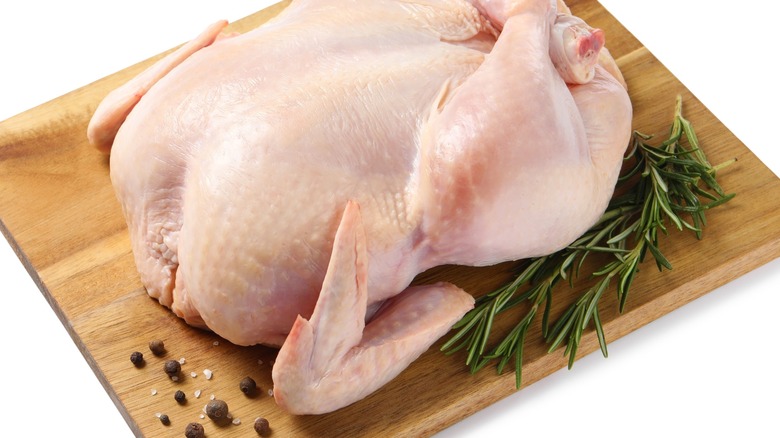
The cut of meat you choose is very important in crafting a good soup. It's easy to buy chicken breasts, thighs, or even shredded rotisserie chicken meat to include in your meal, but the preferred choice of professionals might surprise you. The specific type of chicken that's included in a soup matters more than you'd think — it's not just another ingredient.
"The best chicken for soup is a whole chicken, preferably bone-in and skin-on," says Jacinto Perez. There are several parts of the chicken that can really benefit the final product, such as "the bones, connective tissue, and skin." Chef Perez states that these items "add body, richness, and natural collagen to the broth, which is something you can't get from boneless cuts alone."
Chicken containing bones and skin promises tenderness in the meat and provides more flavor than a basic chicken breast. Chef Perez recommends thighs and drumsticks if a whole chicken is not available.
4. Be selective with your broth
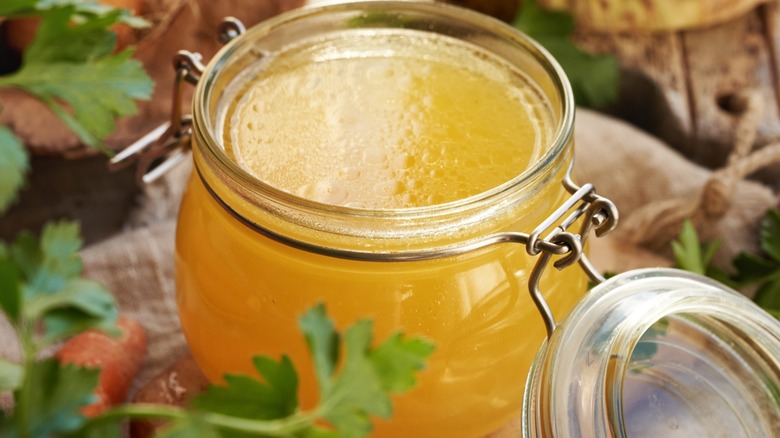
Perhaps the most obvious aspect of a quality soup is the broth. It's an essential part of the dish, especially when you're a fan of pairing it with a crispy grilled cheese, and it's very easily accessible at the store when you're grabbing all of the other ingredients that you need. The idea of making your own broth from scratch most likely won't even cross your mind, but it should definitely be considered when making your own chicken soup.
Joey Sergentakis recommends a homemade broth for soup: "It's absolutely a game-changer. Homemade broth gives you control over salt, richness, and flavor, and it creates a depth you simply can't replicate with store-bought versions. Even a simple, well-made stock elevates the final soup significantly." If you choose to use one, the carcass of your whole chicken is perfect for crafting a broth from scratch.
Some store-bought broths can be bland or even too salty, so the customization that a homemade broth provides can really save your soup. It's not just an extra step -– it's practically necessary.
5. Be mindful of crucial seasonings
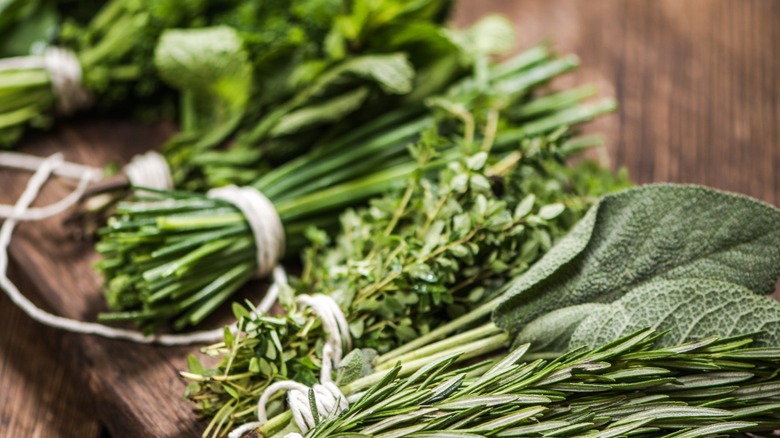
As is the case with most recipes, there is room for experimenting while cooking chicken soup. You can always add the items that you prefer, as there are technically no rules in cooking. There are some ingredients and spices, however, that are vital and will truly transform your dish.
Both Jacinto Perez and Joey Sergentakis agree: salt is essential. Chef Sergentakis recommends adding "aromatics like onion, garlic, celery, and carrot. Fresh herbs such as thyme, parsley stems, or bay leaf add complexity." Additionally, chef Perez believes that these seasonings "create the backbone of flavor." Be sure to add the herbs at the end of the cooking process, just before serving.
Don't add everything too early, though — since the broth reduces the longer it cooks, it's very important not to over-season too early. This is a common mistake observed by both of our expert chefs. You should be conservative with your seasonings at the beginning of the cooking process and make finishing touches as you see fit.
6. Don't rush while cooking
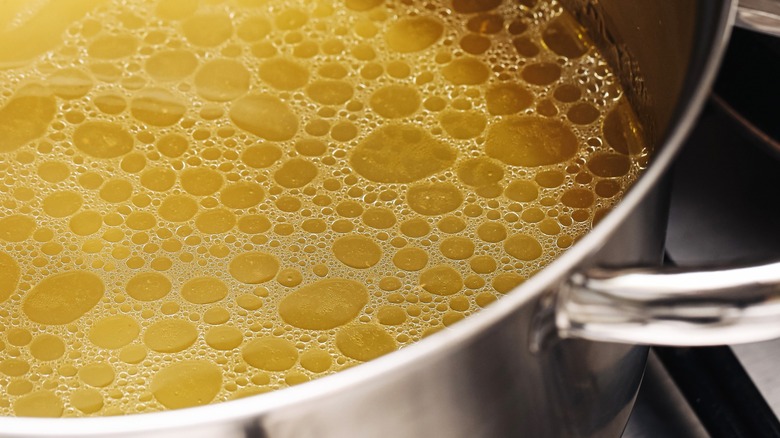
It might be tempting to bring the broth to a rolling boil in order to finish cooking quicker, getting dinner on the table sooner, but every step in making soup has a reason behind it. It's important not to rush the process for the sake of saving time, as this mistake can have detrimental consequences. "Boiling aggressively can make the broth cloudy and toughen the chicken," says Joey Sergentakis.
Allowing a soup to simmer is beneficial to the final product in many ways. For example, simmering "over an extended period allows flavors to fully develop and come together in a balanced way," explains Jacinto Perez. Meanwhile, Sergentakis advises, "It allows collagen to break down naturally, creating body and richness without heaviness." With this method, the broth stays fresh and clear while maintaining the flavors that have been intentionally placed.
Taking your time while preparing soup is essential. Not only is it advantageous to the overall flavor of the dish, it can also help you to avoid issues with texture, such as ingredients falling apart in the pot.
7. Consider adding extra nutritional value
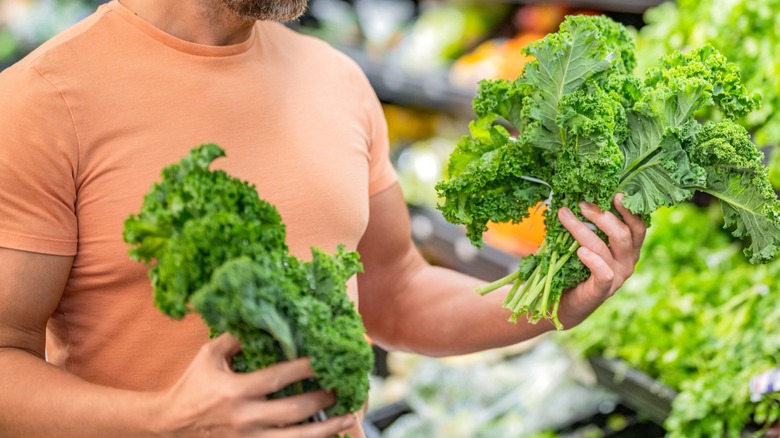
While it might not be at the top of your mind when crafting a delectable comfort meal, it's easy to slip a few extra ingredients into your soup that offer healthy benefits. Certain items can improve the flavor and texture of the soup as well. In fact, you can start with the most basic soup ingredient –- the broth! According to chef Jacinto Perez, "One of the easiest ways to add nutritional value to soup is by starting with a proper bone-based broth, which provides natural collagen and minerals."
You can also add "leafy greens, root vegetables, and legumes," says Perez. These ingredients (including kale, spinach, and microgreens) add texture as well as fiber to your soup without taking away from the flavor. In addition to vegetables, you can include certain spices. Chef Joey Sergentakis says "including ingredients like ginger, turmeric, or garlic also adds anti-inflammatory benefits." Additionally, "ginger brings warmth and subtle spice that's great for digestion and overall balance." Basically, ginger is advantageous and easy to incorporate into soups as well as other dishes.
8. Taste and adjust often

The quality of your soup can change very quickly, so don't neglect it while cooking! It's essential to pay attention to the flavors, thickness, and textures as you go. Adding or adjusting seasonings and ingredients can be imperative to the final outcome, and you don't want to let all of your hard work go to waste.
Chef Joey Sergentakis recommends that you taste the broth for seasoning regularly throughout the process and recommends olive oil as one of the final additions. "Don't underestimate the power of finishing touches," he urges. You'll realize what is missing from the dish and be able to remedy it before serving.
Intention and self-restraint are key when working on a soup recipe. Chef Jacinto Perez encourages cooks to be patient and diligent while crafting chicken soup. "Soup rewards attention; small adjustments in seasoning, acidity, or herbs at the end can make a big difference," says Perez. "Great soup isn't complicated, it's thoughtful."