

6 Worst-Rated Brandies You Should Leave On The Shelf
Brandy is a spirit that's been around for centuries, but it often doesn't get as much attention as other liquors. In most cases, brandy is made from wine; grape is popular, as are wines from fruits like apples and pears. To create brandy, wine is distilled, and the resulting mixture is often aged in wooden barrels. This process gives brandy a much higher alcohol content than its origin: while wine usually has around 12% alcohol by volume, true brandy has a minimum of 40%. The additional distillation and aging also tend to produce deeper, more complex flavors than those of a standard wine. Unfortunately, some brandies don't offer the depth of flavors they should, leaving brandy drinkers disappointed and even grossed out.
Chowhound debunked some brandy myths, but sometimes, a bottle can look promising on the shelf — yet be totally lackluster once you get it in a glass. To help spare your taste buds (and wallet), we took to the internet to find out which brandies aren't worth the price. We scoured liquor retail websites, alcohol forums, and social media to figure out which brands people really don't recommend. While everyone has a different opinion when it comes to alcohol, we found six brandy options you should definitely leave on the shelf.
1. Classic Club Brandy VSOP
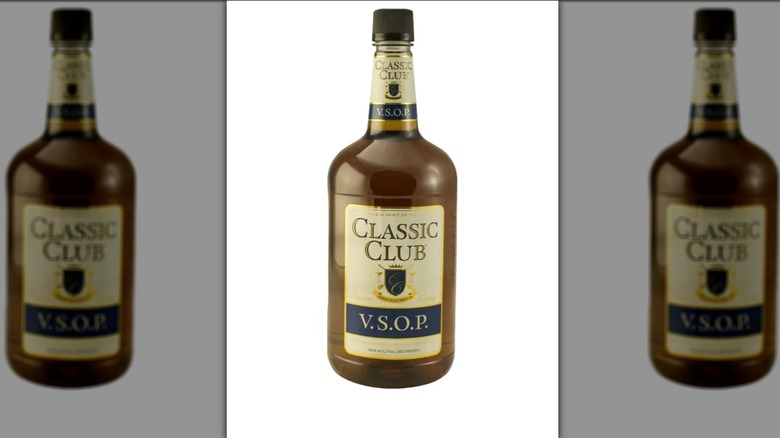
Brandy often comes from Europe, especially countries like France, Spain, and Italy, but Classic Club Brandy VSOP comes from the good ol' American state of Kentucky. Since Classic Club is meant to be an affordable brand of alcohol, it helps that it's domestically made and not an international import. But while affordability is great, it might not be as budget-friendly as it is just downright cheap.
VSOP stands for Very Superior Old Pale, which means that the brandy has been aged at least four years. This is meant to provide a smoother, more complex flavor profile than Very Special (VS) brandies, which are aged at least two years. However, for the Classic Club Brandy VSOP, that flavor profile doesn't quite come through. Classic Club doesn't provide any information on which fruits are used this brandy, but it does say it should have notes of vanilla. Unfortunately, one reviewer on the Total Wine site calls it "a poor example of brandy," saying it's flavorless and you're better off spending just a little more for something far better. Over at 31 Whiskey, the reviewer essentially agrees, calling it unbalanced and bitter. He also added that, when trying Classic Club Brandy VSOP in a sidecar cocktail, its lack of sweetness made the entire drink too sour.
2. Berneroy VSOP Calvados
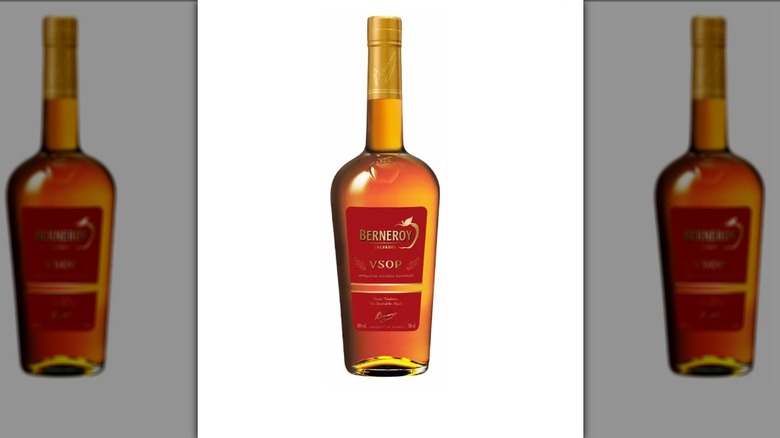
Calvados is a type of brandy typically made from apples , from the Normandy region of Northern France (though sometimes pears are used). It's usually aged in oak, which adds vanilla and spice notes to the apple flavor. Berneroy's VSOP Calvados is a rich yellow color that should have fruity, woody notes, especially as it's a VSOP. And according to reviewers, it definitely is fruity, but a reviewer on Distiller said the green apple taste dominates everything else. While some consumers enjoy the flavor, there are also many who ... well ... do not.
On Total Wine's website, one reviewer simply called it a "low-end Calvados option" and "weak." Another expanded more, saying, "The Berneroy has a good nose, and the initial impression isn't bad, but from there it falls apart whether straight or in cocktails." They aren't alone in that opinion; a third reviewer explains, "I got it to make cocktails, and highly rated cocktails turn out undrinkable. So then I tried it neat, that was a hard no. Tried it over ice, still bitter and unenjoyable." Another is a little more blunt, saying, "The taste is horrible, like straight grain alcohol with no flavor at all that is pleasing."
3. Chateau de Laubade Armagnac VSOP
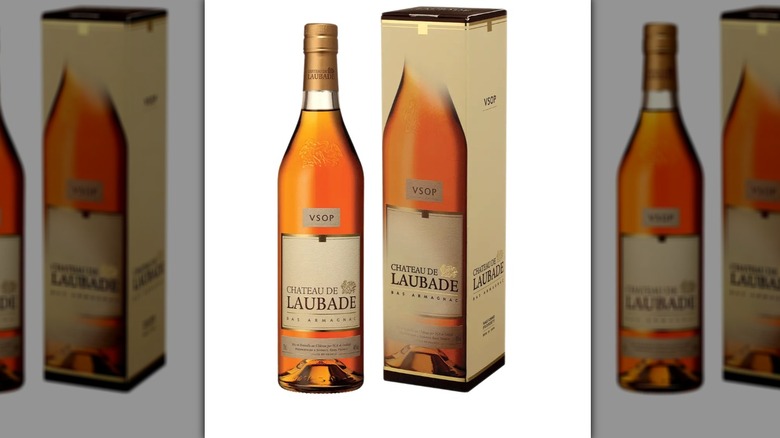
Another VSOP option that's better left on the shelf is the Chateau de Laubade Armagnac VSOP. This is a Bas Armagnac brandy, meaning it's produced from grapes in the lower Armagnac region of France. This area has acidic and sandy soil, and the fruits here typically produce a light and fruity type of brandy. Chateau de Laubade is a fairly popular producer from this area, but unfortunately, its VSOP brandy falls flat. It's made from a blend of Bas Armagnac grapes, has been aged between six and 12 years, and should have rich flavors of bittersweet chocolate, spices, and violet.
Reviewers on Distiller instead report notes of pears, red grapes, and caramel, as well as a woodiness. This sounds like a delightful brandy, except consumers also note it has a very strong alcohol taste. Many reviewers on Total Wine's website agree, with one saying, "Far too harsh and bitter. Any notes that are there can't be picked out from the sour rotten taste." Others didn't feel quite as strongly about the brandy but some still disliked it, saying it simply wasn't very good and there are better options on the market. Another reviewer on Distiller gave it less than one star, saying they felt the flavor was far too oaky.
4. Bellini Grappa del Chianti
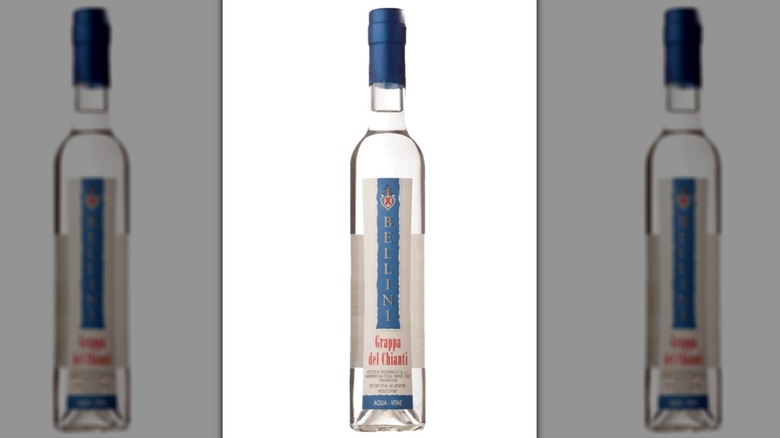
Grappa is a slightly different type of brandy. Instead of being distilled from wine, like most types of brandies, it's distilled from the stuff that doesn't typically make it into wine, like the grape seeds, skin, stems, and leftover pulp. If it's aged at all, it's usually not for very long, resulting in a brandy that's clear or very light in color. It's often considered a dessert spirit, and, as a result, grappa is stored and served differently from traditional brandy.
There are some great grappas available; Bellini Grappa del Chianti is not one. This grappa is from Italy and made from the juices of the Chianti pomace. It should be warm and balanced and have fruity undertones, but reviewers on Total Wine's website aren't fans, calling it horrible and disgusting. One commenter titled their review "Very Unfortunate Purchase," saying, "If I could give this zero stars, I would. It doesn't taste anything like the Grappas I know from Tuscany and is more reminiscent of Chinese hard liquor, the longer it oxidizes." They aren't alone in their opinion, as another reviewer says it tastes like moonshine and that they poured theirs down the drain.
5. Captain Apple Jack
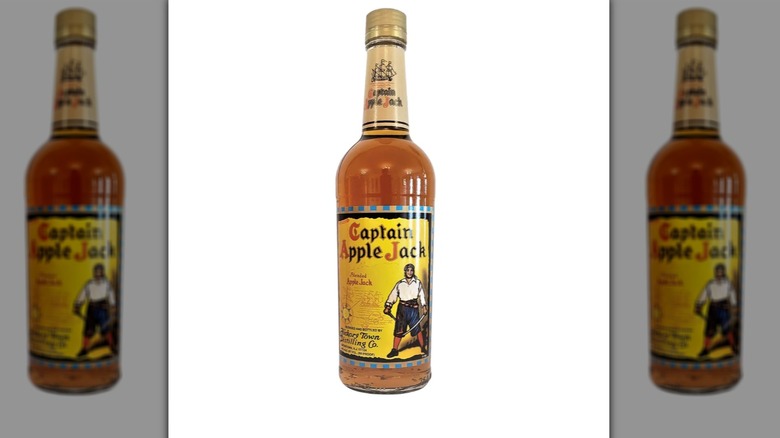
There can be some confusion over whether applejack is the same thing as apple brandy, so here's the short version: apple jack (not the My Little Pony, obviously) is a type of apple brandy that originated in the United States, specifically the northeastern area, in the late 1600s. Apple brandy, meanwhile, has been around for centuries and can be made anywhere.
Captain Apple Jack isn't made just from apples. It also includes neutral spirits. There's no specific type of apple used either; it's a blend of varieties. Total Wine describes this brand as smooth, mellow, and fruity, but while reviewers agree that it is smooth, they aren't sold on the flavor. One says, "Too many notes that are not apple. It does not dilute well either. Dilution brings out the non-apple notes of spices." Another laments, "It did not have the apple flavor I was looking for." Many say it just wasn't what they expected or hoped for. Over on Distiller, a reviewer calls it "mediocre" and says that while it's okay in mixed drinks, it's not good on its own.
6. Napoleon Dragon XO Brandy
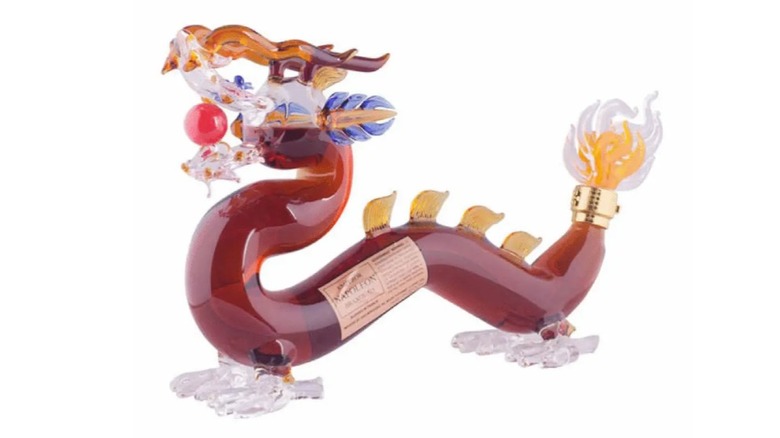
Before we talk about the brandy itself, we have to admit that Napoleon Dragon XO Brandy looks pretty dang cool. The bottle is shaped like a Chinese dragon, and uses colored glass to accent areas like the tail and spines. Unfortunately, the actual drink inside leaves a lot to be desired. As one Redditor puts it, "Great shelf art. Horrible for taste buds."
This brandy comes from Languedoc, France, and has been aged ten years, but that's about all the official information you'll get about it. Retailers selling Napoleon Dragon XO Brandy don't provide information about the fruits used or the flavors to expect. While Costco has some great bargain liquor, reviewers say to stay away from this one. On the Costco subreddit, one user posts, "I saw the bottle and was like this is cool. Brought it home, and this thing tasted like straight rubbing alcohol." Commenters joke that it's all about the bottle: "You bought [a] $90 fancy glass sculpture. You weren't actually meant to drink the booze," says one, while another adds, "Frequently, there is an inverse relationship between the coolness of the bottle and [the] quality of its contents." Folks on the Total Wine website agree: positive reviews focus on the bottle design, while negative reviews note that the brandy itself is terrible and you're basically paying for the bottle. If you want a cool dragon sculpture, go ahead and pick it up, but if you're looking for a good brandy, this is best left on the shelf.
Methodology
Before I started sifting through brandies, I gave myself a quick refresher on what brandy is made from and what technically qualifies as brandy. I determined that options like cognac, grappa, calvados, and applejack were all on the table so long as they had at least 40% alcohol by volume. This meant that some flavored brandies had to be excluded; 40% ABV is the legal threshold for a spirit to be considered brandy in the U.S.
After that, I sifted through alcohol retail sites and social media to find out what people were saying about various brandies. I focused on those that inspired conversations or comments on multiple websites. To make this list, the brandy needed several negative reviews, not just one or two.
Of course, when it comes to alcohol, tastes can vary a lot. It was surprisingly hard to find brandies that were universally panned; even for the lowest-rated brandies, there were at least a couple of people who enjoyed them. To curate my options, I looked at those with the lowest ratings from retail sites and alcohol review sites. I also focused on those that had social media posts about how awful they were, or those that came up frequently in online conversations about bad brandy.