

The Dangerous Kitchen Habits Chefs Want You To Stop Doing Immediately
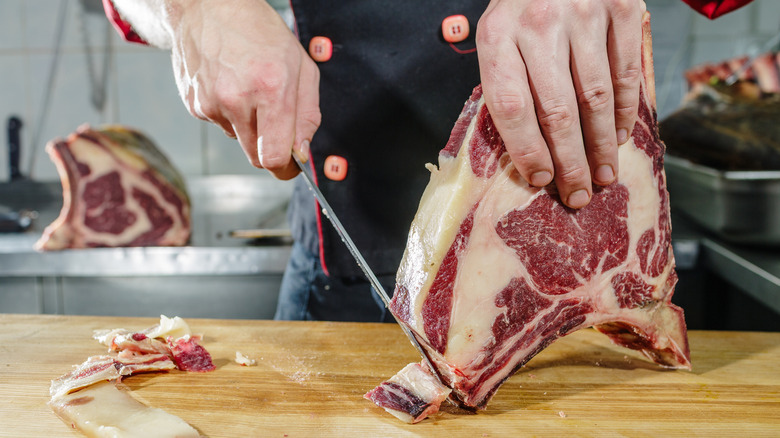
Restaurant chefs are held to a high standard, especially when it comes to kitchen safety. After all, a safety mistake in a restaurant kitchen can have a ripple effect, hurting employees and customers alike. While chefs may not run their home kitchens the same as they run a restaurant kitchen, there are certain kitchen and food safety rules they've learned to implement no matter where they're cooking. From handling raw meat correctly to choosing the right cutting boards to placing pans properly on the oven, there's a lot home chefs can learn from the pros when it comes to staying safe in the kitchen.
Chowhound talked exclusively to professional chefs and kitchen safety experts to get the skinny on steps you can take at home to better handle both food and kitchen equipment. The pros didn't hold back and gave us valuable information you can put to good use in your kitchen today. Let's take a look at some of the home kitchen mistakes that make professional chefs and safety experts cringe — and the steps you can take to avoid them.
Handling raw meat incorrectly
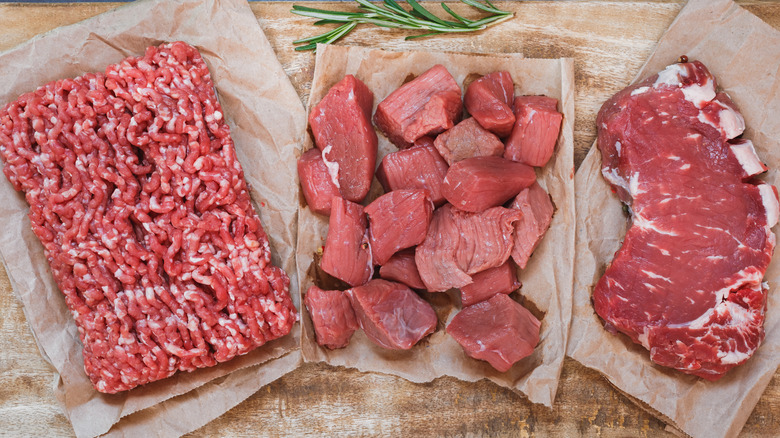
Failing to wash cutting boards between uses is a common kitchen sanitation mistake that can make you and your family sick. While it can be tempting to use the same cutting board for chopping raw steak and salad veggies, it's not a smart move. Chef and Food Network "Chopped" champion Chelsia Green Ogletree of Her Majesty Kitchen in Forsyth, Georgia, says one of the biggest food safety issues she sees in home kitchens surround the handling of raw meat — specifically, people failing to wash a cutting board after it touches raw meat. "Too often, people season chicken or beef on the same surface where they prep their vegetables — or they don't properly sanitize cutting boards, knives, and countertops afterward," Ogletree explains.
When you don't wash your cutting board after it touches raw meat, it can create a breeding ground for foodborne illness, according to Olgetree. The fix is simple, thankfully. Ogletree recommends setting up a workstation that's just for raw protein — not for foods that are ready to eat as soon as they're chopped, like fruit and vegetables. She suggests using color-coded cutting boards to help stay organized and reduce the chance of cross-contamination.
Not cooling food properly before storing
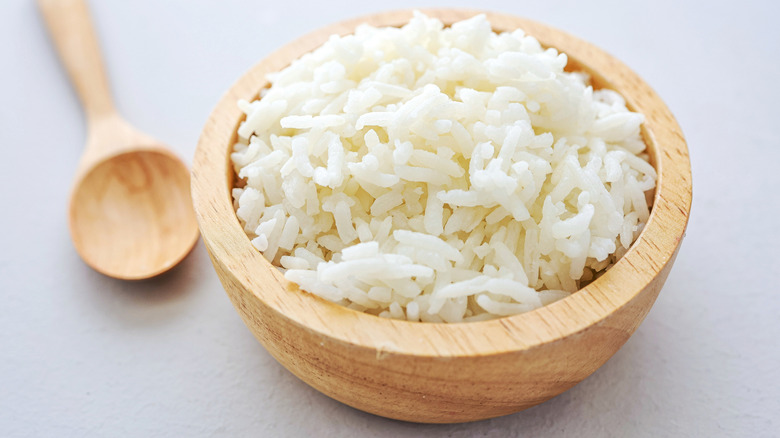
Temperature isn't just about cooking food — cooling it correctly also matters. Failing to quickly cool food is a common food safety mistake that can increase the likelihood of foodborne illness. Kimberly Lock, former chef and founder of Fifth Fork kitchenware, says she sees this problem often when home cooks work with rice. "If rice is not cooled quickly and completely, a very dangerous bacteria (Bacillus cereus) will germinate and multiply," says Lock. Social media called attention to this phenomenon — the term reheated or fried rice syndrome is now often used to describe food poisoning caused by this bacterium. (So how long is rice good for in the fridge?)
To combat bacterial growth, Lock says it's key to allow rice to fully cool before it's placed in the fridge. She recommends spreading it out on a tray to cool before being stored in a container. Chef Michael Handal of the Institute of Culinary Education agrees cooling before storing is vital for food safety, noting to not let food stay at room temperature for more than two hours. "If you have prepared a large stew and intend to use the leftovers during the week," Handal explains, "Rather than trying to cool a large batch of food, portion the stew into smaller size containers." This allows for quicker cooling.
Chef Chelsia Green Ogletree suggests not relying on intuition when it comes to food temperature — you should be exact. Ogletree recommends purchasing a high-quality food thermometer. "Checking your temperatures means you're not just cooking by sight, you're cooking with precision — and keeping everyone at your table safe," she explains.
Not cleaning your appliances regularly
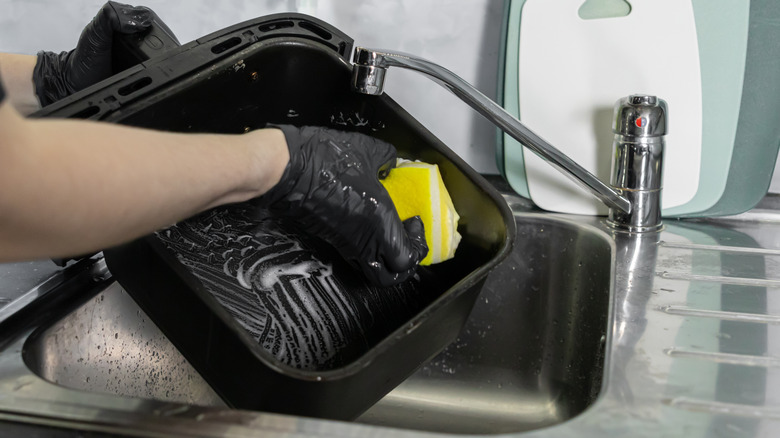
Appliance safety is also a key component for staying safe in the kitchen. We talked with Lynne Just, consumer test kitchen manager (ServSafe certified) at Hamilton Beach, about the key mistakes she sees consumers make. In addition to failing to read the manual to understand common appliance safety issues, Just also says she often sees consumers fail to clean their appliances. "For example," she explains, "Appliances like air fryers, toaster ovens, and toasters could potentially cause a fire if there is built-up food residue inside." Furthermore, she says, there is a risk of cross-contamination.
Thankfully, this is a super-easy fix, and you can check out your appliance's manual to learn how to clean it properly. (If you don't hang onto manuals, you can always look up the manual online at the manufacturer's website). "Cleaning your appliances after each use, just like washing your dishes, can allow it to operate more efficiently and safely," Just says. Be sure to clean the entire appliance. If you're cleaning an air fryer, for example, you need to give the entire machine a once-over — not just the basket.
Buying cheap cutting boards
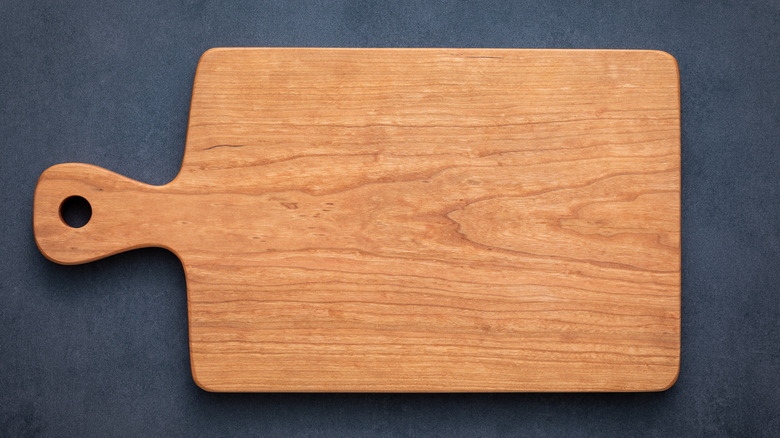
It turns out cross-contamination isn't the only thing you need to worry about when it comes to cutting boards. The type of cutting board you use can make a major difference when it comes to kitchen safety, according to chef Chuck Hayworth, chief operating officer of Thankfully Local Private Chefs. "Often, I work in kitchens that still use inexpensive glass cutting boards and plastic cutting boards," he says. In addition to concerns about micro-contaminants that can enter food from plastic and glass materials, Hayworth says glass cutting boards are also known to chip, which can cause glass to enter your food during the prep process. "Plastic does something very similar," explains Hayworth.
The solution? Hayworth recommends switching over to wooden cutting boards, as he's done throughout his company. "To avoid chips or cracks, we treat them with a food-grade mineral oil," he explains. This oiling process is vital for wooden cutting boards, as it can stop them from drying out over time. Oiling may also help to impede bacterial growth in your cutting board over time. To keep your wooden cutting boards in tip-top shape, oil them every two to four weeks.
Improper handling of cookware
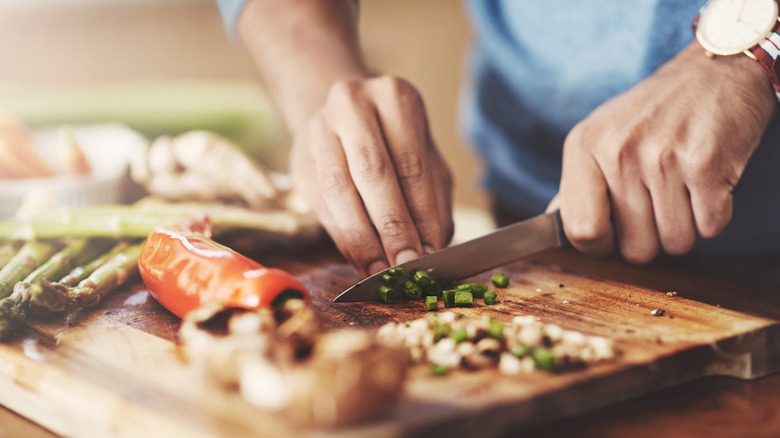
Hot pans in the kitchen are an unavoidable safety hazard, and the way you handle them can make all the difference. International Culinary Center graduate and founder of Sole Cookware Lily Osman says one of the most common kitchen mistakes she sees in home kitchens is handling hot pans with damp towels. While it seems to make sense in the moment, it can cause immediate, painful burns. "That towel basically turns into steam against your skin. It'll burn you way faster than you'd expect," Osman explains. "In culinary school, we learned that the hard way."
Osman also talked with us about knife safety, and some simple steps you can take to keep yourself safe. Using a pinch grip is key for properly holding a chef's knife (it just takes a little bit of practice), but it's also important to make sure you have a stable board. "If you have the wrong grip on your knife ... an unstable board, a kitchen layout that makes you move around too much, or old tools, that's how people get hurt," explains Osman. "A lot of this just comes down to building better habits and spending more time in the kitchen," she says. "The more comfortable you get, the more these things become second nature."