

11 Popular Black-Owned Coffee Brands To Explore
We may receive a commission on purchases made from links.
Coffee is complicated. It's delicious, it brings you back to life in the morning, and it's apparently even good for you. But it's also built on a colonial, exploitative past, where coffee-producing countries on the equator — from Kenya to Honduras — have been the supply chain base fueling our caffeine addictions. And fuel them they did; thousands of tons of coffee, through back-breaking and tedious work, were transported from mountain-perched trees in countries like Colombia to the best roasters in the country, each harvest. Thankfully, we've made significant progress since the early days of the coffee trade, and now, you could argue, conditions are more equitable than ever for the farm workers, all the way to the roasters and cafes in your hometown — the last ones in the supply chain to touch those beautiful little beans.
Inequality and moral distortions of the past will always haunt us. Still, we seem to be moving forward, and there are so many outstanding black entrepreneurs and business owners today who are thriving and deserving of recognition, especially given the context and history of coffee as a commodity. Here, I aim to highlight some of the best ones where you're almost guaranteed to find epic beans, with beautiful stories behind them, too. After working in the coffee industry for over 13 years, you can trust my opinion in assembling this list of wonderful black-owned roasteries!
1. Kann Coffee
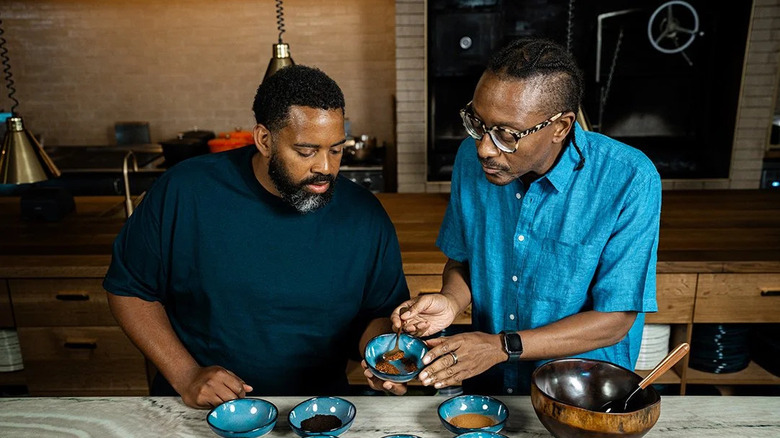
What do you get when you combine the culinary expertise of an award-winning restaurateur with Haitian-Kenyan heritage, culminating in a progressive specialty coffee project? Kann Coffee. Chef Gregory Gourdet is making waves in the industry with his nascent roasting project, and if it's anything like the dishes served at the restaurant of the same name — Kann in Portland — coffee fans are in for a treat. Some readers may recognize Chef Gregory from his television appearances on "Top Chef", "Iron Chef America", and the sketch comedy show "Portlandia" (as himself). His restaurant opened its doors in 2022 and was a slam-dunk, immediate success, and notoriously hard to get a table at. The restaurant's fast upward trajectory led it to national recognition — winning a James Beard Award — and provided a natural platform for Chef Gregory to enter the coffee landscape with steadfast momentum and name recognition to boot.
What sets Kann Coffee apart from many roasters is that it inherently understands terroir and flavors — something that is foundational to a chef's existence and success. The roastery is not only an extension of the eatery, but also a deliberately cross-pollinated project. The most exciting new coffee launched by Kann is its new blend, Melanj Espesyal (Haitian Creole for "special mixture"), which meshes bright Kenyan acidity with a rounded sweetness characteristic of Haitian coffees. Much like a chef blending ingredients to create something special, the same ethos is applied here to create new and exciting flavours.
2. Kahawa 1893
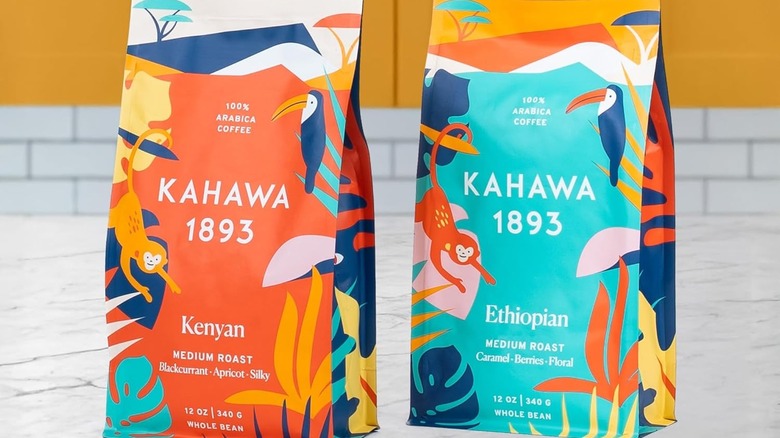
Many businesses have been the beneficiaries of Shark Tank appearances and investments, but a Black-owned, woman-run coffee company focusing on African coffees is one that stands out. "Kahawa" means "coffee" in Swahili, which is an homage to founder Margaret Nyamumbo's Kenyan heritage, where her grandfather started his coffee farm years ago. But what Margaret took away from a life in the coffee world is that, despite how much progress has been made, it's still a world filled with inequality. She claims that women provide 90% of the labor, which comprises coffee cherry picking, transport to mills, and more hands-on labor sorting the cherries before they are de-pulped and further processed. It's very tedious and hard work, and yet the majority of farmers are men, with few women owning land. So it's nice to know that in 2023, a $350,000 injection of cash from the sharks will help to change the narrative, one harvest at a time.
African coffees are very special in that the roots of this beloved brown beverage can be traced back to Ethiopia, where the Bunna coffee tradition continues to this day. Then, to the south, neighbouring Kenya has an equally rich and fascinating coffee culture, as well as the nations of Rwanda and Congo, from which Kahawa sources its beans. From decaf to whole bean to pods, Kahawa has an impressive curation of African coffees that you need to try.
3. BLK & Bold

In a crowded coffee market, consumers have numerous choices about whom they want to support. Much like the food industry, you have big corporate players all the way down to humble entrepreneurs. "Big Coffee" like Starbucks could almost be considered fast food, helping many Americans to get over the hump when they need a pick-me-up. But with the rise of specialty coffee in the last 15 years, many are looking to support the little guys who have compelling brand stories. BLK & Bold proves that robust business growth and deep social impact are not mutually exclusive. Co-founders Pernell Cezar and Rod Johnson established the brand on sound principles of aiding the next generation. Their pledge is simple: 5% of gross profits are dedicated to nonprofit organizations across the US, focused on empowering underprivileged youth. To make them even more lovable, BLK & Bold is Fair Trade and B-Corp certified!
But what about the coffee? BLK & Bold aims to please a spectrum of java sippers who can expect roast degrees ranging from light to dark, encompassing blends and single-origin lots. Additionally, they offer cold brew fans cases of canned cold brew coffee, and for the purists, they even have plain black coffee without all the sweeteners and milks that you often find in canned coffee. Whatever your pleasure, buying BLK & Bold translates into investing in the future of American communities — cheers to that!
4. Boon Boona Coffee
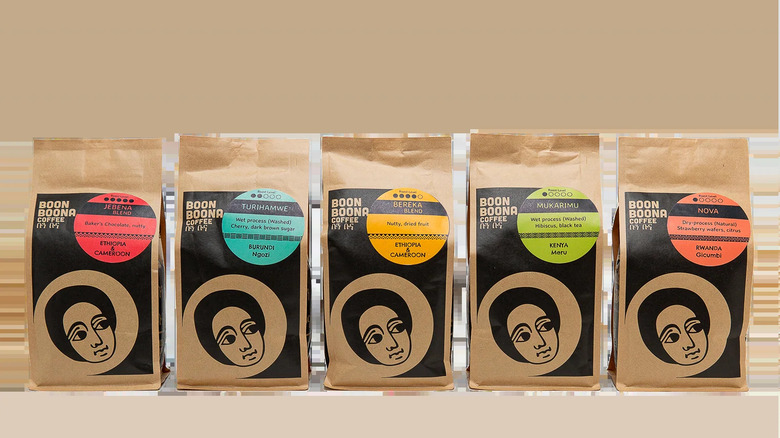
Boon Boona Coffee is a coffee project founded by Efram Fesaha, based in Seattle. This Pacific Northwest city has a rich coffee culture and serves as a bridge to Efram's East African roots and coffee traditions. The project started when Efrem went on a formative trip to his family's homeland of Eritrea. The name "Boon Boona" is derived from the words for "coffee" in both Eritrean and Ethiopian languages, reflecting the brand's deep commitment to its East African origins. To support this, the roastery sources all its beans from Rwanda, Ethiopia, and Kenya, where fruit-forward and complex flavors delight coffee enthusiasts and casual drinkers alike.
It is especially pleasing to see coffee from Burundi on the Boon Boona menu, as this East African nation is among the poorest countries in the world, so any spotlight shone on its wonderful coffee-growing culture is a treat. With tasting notes like stone fruit, cherry, vanilla, and nougat, the Akeza release from the northern region of Burundi will satisfy coffee fans looking for a fruity, yet not-too-acidic roast, while Ethiopian espresso and decaf options round out the Boon Boona curation. Beyond coffee, the company has a strong focus on local community building, supporting BIPOC, LGBTQ+, and other marginalized individuals inclusively, whether through helping launch pop-ups or supporting local artists. You could say this Black-owned roastery is a real boon to the community!
5. Portrait Coffee
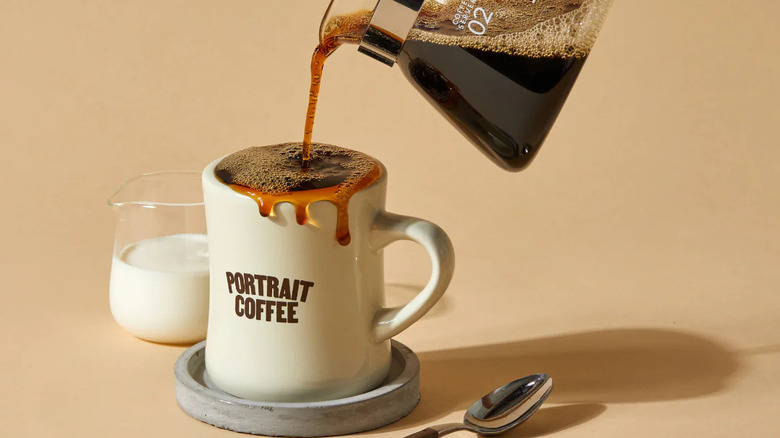
Portrait is one of the more light-hearted and fun brands on our list here. It's an award-winning roastery that's dedicated to changing the narrative of specialty coffee by shining a light on the people behind the beans. To this end, its mission statement reads, "While coffee was first discovered by Africans, their faces have largely been forgotten, even as the drink became one of the most consumed beverages globally." While this could read as depressing, thankfully, new generations of coffee producers and roasters are raising awareness, one cup at a time — and doing so with style and purpose. This Atlanta-based coffee company has its headquarters and roastery space in the West End of the city, which has a rich history of Black entrepreneurship and culture. Focusing on transparency and equity from seed to cup, Portrait aims to shine a light on the emerging classes of coffee farmers through initiatives like the Young Producer Program.
But how is its coffee curation? When I say fun, I'm referencing the way Portrait packages its coffee, with collaborations from legendary rap duo Outkast on its recent "Stankonia" blend, which commemorates the group's 25th anniversary, to the hand-drawn cartoon labels reminiscent of hip natural wine brands. Fans of funky, fruit-coded brews will find coffee Nirvana in its Triple Double Colombian release, showing notes of strawberry, cherry, and lime thanks to an intense natural sun-kissed fermentation. With 13 other coffees to choose from, Portrait aims to please all palates.
6. Sip & Sonder
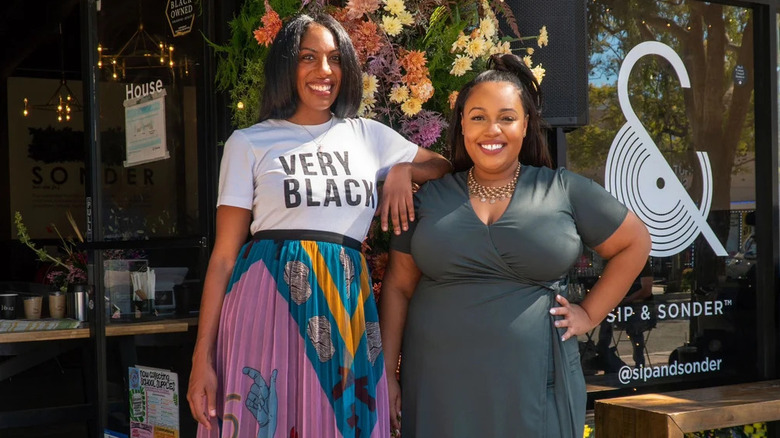
Sip & Sonder is an Inglewood, California-based, Black woman-owned roastery. Founded by friends Amanda-Jane Thomas and Shanita Nicholas in 2017, the business comprises a roastery space, coffee houses, and digital content spaces, too. The vision for Sip & Wonder is built on the principle that a cafe should be a supportive third space for freelancers, creatives, and entrepreneurs. In an interview with ESSENCE, "Shanita's goal was to provide the startup community access to business and networks while drinking coffee." This intentionality and focus on community-building are authentic and something that many roasters overlook, with too much emphasis placed on the coffee itself. Sip & Sonder is able to balance a well-curated coffee menu and an overall authentic and community-focused vibe.
The branding is on point, with colourful label drawings on the copper-coloured coffee bags, showcasing a range of captivating blends. One such blend takes coffee from Mexico — a historically overlooked origin, finally getting some love in the specialty world — with beans from Ethiopia, called Native Mezcla. Its kismet blend features notes of milk chocolate, caramel, and toasted marshmallow (yum!), thanks to a mix of Colombian and Brazilian beans. Beyond the coffee, true fans will find tons of gift ideas with limited edition satin scarves, t-shirts, pins, coasters, and gift cards — perfect for the holiday season. Sip & Sonder is a wonderful example of a mission-driven brand scaling without compromise, that just so happens to be powered by passionate African American entrepreneurs.
7. Red Bay Coffee
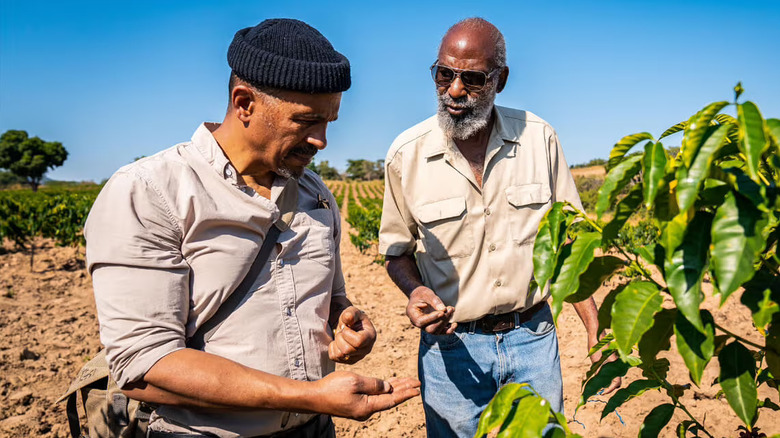
The West Coast is synonymous with good coffee. Cities like Portland, Seattle, and San Francisco have been at the forefront of third-wave coffee for decades now. Continuing with this momentum, across the bridge in Oakland, we have Red Bay Coffee, a Black-owned and founded artisanal roasting project from artist/entrepreneur Keba Konte. Its philosophy, "Beautiful Coffee To The People," is built on equitable relations, inclusivity, and, crucially, transparency from the farm all the way to the Probat drum roaster turning those green beans brown.
Red Bay Coffee is a certified B Corp, and after being in business for 11 years, continues to uphold the same values of paying a premium to coffee farmers. Keba claims that the company pays twice the current (commodity) market price to Red Bay's producer partners, in addition to working with woman-owned cooperatives on the ground. What's more, Red Bay seeks to hire — and, by extension, empower people of color, the formerly incarcerated, women, and individuals with disabilities, who are often left out of the conversation in the specialty coffee realm. At the time of publishing, it has an impressive coffee menu curation consisting of 12 different roasts, from espresso to decaf, to half-caf, to blends and single-origin offerings. The company also publishes brew guides on its website, in case new home brewers need some guidance in doing those beautiful beans justice.
8. Dope Coffee
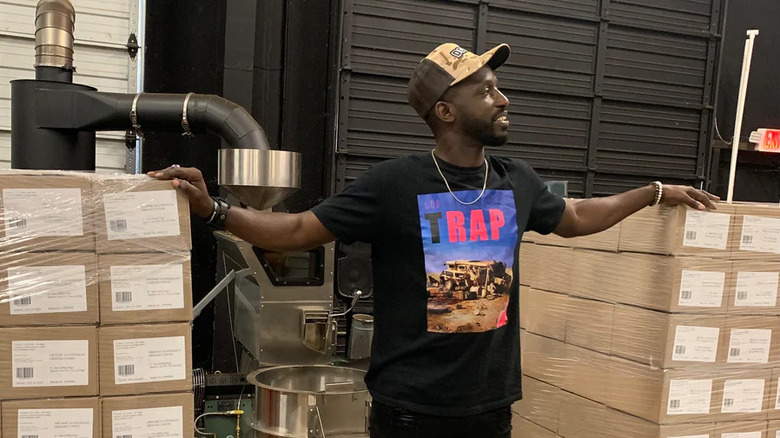
In case you couldn't tell from the name, Dope Coffee has a hip-hop bend, fusing high-quality coffee with unapologetic swagger and creative energy. The company was founded by Michael Loyd in 2020, in Atlanta, focusing on East African coffee curation and a very fun approach to branding. Through channeling the deep and omnipresent hip-hop culture of Atlanta, Dope offers a refreshing perspective on what can at times be an overly serious specialty scene. What's more, to do this and have it come off authentically — and actually be able to resonate with your customers — is no easy feat. Dope Coffee, as a modern and hip specialty coffee company, aims to elevate Black culture while roasting up genuinely great brews.
Fans of the expressive and fruit-forward coffees found in East Africa will be at home here, as Dope Coffee exclusively sources beans from this region. With a Tanzania peaberry (if you're unfamiliar, peaberry coffees are the rare occurrence of a single bean, as opposed to the typically twinned beans found inside 95% of coffee cherries), an 84-point-scoring Rwandan, two Ethiopians, and an espresso blend, Dope's menu will appeal to coffee nerds and casual sippers alike. Its commitment to quality is met with a dedication to ethical sourcing, ensuring transparency in Dope's supply chain, from farm to cup. This brand has a strong personality and lifestyle component that is hard to deny!
9. Three Keys Coffee
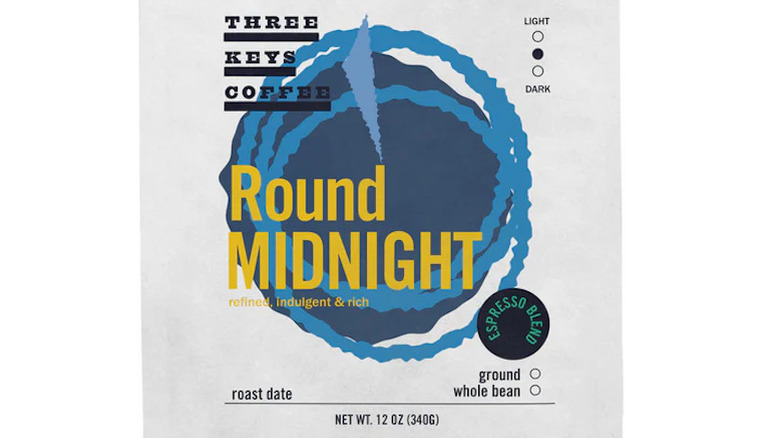
Jazz fans will love the Three Keys Coffee brand, hailing from Houston. It's a longstanding cliché to associate jazz playing inside a quaint cafe, but the two things seem to complement each other so well, something that founders Kenzel and Tio Fallen understand firsthand. As the story goes, Tio is a trumpet player; the brand name — Three Keys — is an homage to the three keys found on all trumpets. Jazz is infused into the brand's DNA not just through the name, but in the packaging, with labels reminiscent of old Blue Note and Impulse record sleeves. The project was launched in 2019 with the belief that coffee is indeed a multi-sensory experience, focusing on quality, community, and the environment.
Tio is actually the company's lead roaster, leaning heavily on the science side of things when he logs each roast. For those who may not know the backend logistics of coffee roasting, it can actually become a very complex process with the tiniest details being obsessed over, like the speed at which the drum inside the roaster is spinning, to the ambient temperature inside the roastery space — it can all affect how a bean takes on heat and, ultimately, flavor. One cool thing readers should note is that Three Keys offers single-serve pour-over packs, which means you can make coffee on the fold-out cardboard dripper inside, placed directly over your cup. With 14 coffees on its menu, Three Keys delivers on cool, jazzy aesthetics and roast variety.
10. Black Acres Roastery
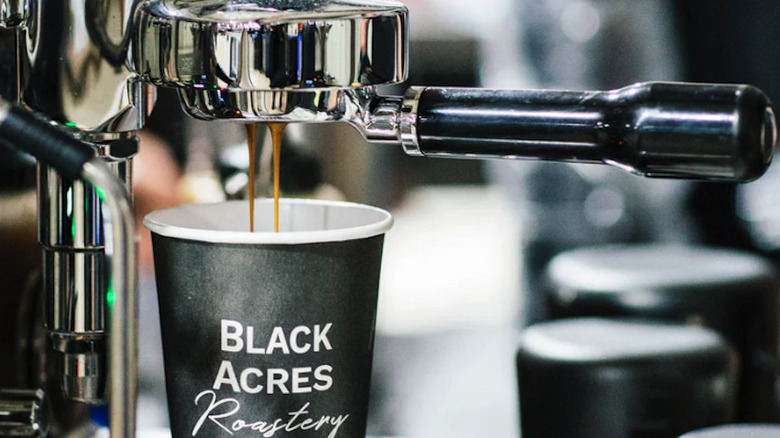
Located in the Station North district of Baltimore, you'll find the small-batch roaster Black Acres. The name and company are rooted in Black history and culture, with a nod to famous director Spike Lee's "40 Acres and a Mule" production company. Founder Travis Bell states it also references black acres in a literal sense, which were known as plots of land in the South meant for reparations. And per its website, Black Acres "strives to bring out the finest qualities in unique coffees from around the world," sourcing ethical beans and creating custom roast profiles that do them justice. This might sound like a dry mission statement, but it's actually a massive undertaking to do this and do it well. What's more, roasting naturally processed coffees from Yirgacheffe, Ethiopia, can prove to be exceedingly difficult, but Black Acres coaxes out notes of blackberry, cherry, pastry, and even citrus zest once locked inside those little beans.
The roastery has a full curation that also includes more mellow and approachable blends, in addition to hawking brew gear for the home baristas out there looking to make a mean AeroPress. You can find its beans in cafes across many states outside of Maryland, from New York to Virginia, Ohio, and Washington, D.C. Of course, most will look to the online shop for easy access, and with free shipping on orders over $50.00 (in the US only), Black Acres is quite accessible as far as artisan, small-batch roasters go.
11. Chicago French Press
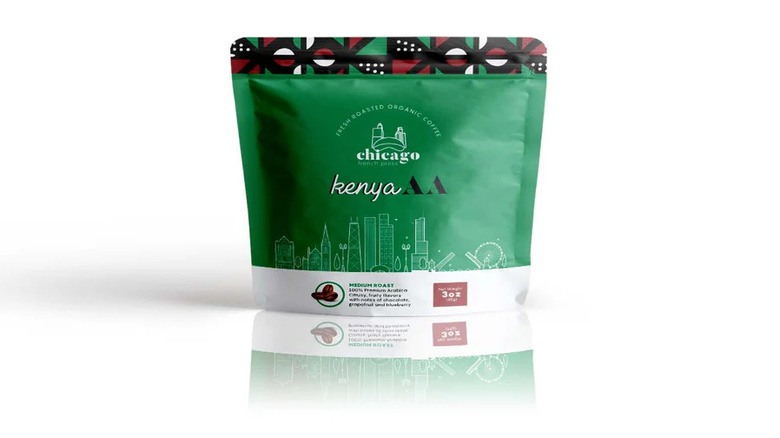
Out of all the brands here, spanning niche and under-the-radar local sensations, Chicago French Press may be the most recognizable and more mainstream of the bunch. With features in Forbes, Cosmopolitan, USA Today, and the Food Network, the secret is out! This is a Black woman-owned roastery with multiple locations in the Chicago area, founded in 2017. What sets them apart is that, unlike most traditional roasters who use gas-powered behemoths to caramelize the beans, CFP uses an electrical roaster. This choice positions the brand in an eco-conscious segment of the market, appealing to modern consumers who think hard about the downstream effects of their consumption.
Beyond sustainability, what's in the bags matters too, and Chicago French Press has a very approachable and more affordable curation compared to the other roasters on our list. While I personally don't care for flavored coffee and prefer the flavors to be imparted by the coffee's terroir combined with the roaster's skill, I would never want to look down on anyone who likes pumpkin spice or salted caramel coffee. Dig a bit deeper, though, and you'll find some bangers like an AA Kenyan (these are actually increasingly rare on menus), as well as Tanzanian Peaberry, Rwandan, Burundi, and Ethiopian single-origin roasts. This is the kind of menu — and coffee shop — that I could take my mom to, and we're both going to leave happy; her with her salted caramel crème roast, and me with my juicy Kenyan brew. Win-win.
Methodology
Coffee is such a special thing, and making this list was no easy task. As mentioned in the intro, I was fortunate to lean on 13 years of experience in the specialty coffee industry — this helps me decode markers of quality that may go over the heads of casual sippers. Factors like transparency in sourcing, seasonality, and a considered range of roast levels mattered here. I also look for menus that offer multiple coffee origins, along with decaf and espresso options.