

14 Foods And Drinks The Beatles Absolutely Loved
We may receive a commission on purchases made from links.
The Beatles ignited a music revolution in the 1960s, and more than 60 years later, they still reign as the best-selling band of all time, scoring 20 number-one Billboard Hot 100 hits and winning eight Grammy awards. Not only did those four British boys transform popular music into a fine-art form, they also served as icons of the 1960s counterculture and spoke out for political and social change. The Beatles inspired young people to question the status quo and raised awareness about issues such as racial integration, women's liberation, and world peace.
Given the band's worldwide acclaim, it's no wonder we're obsessed with learning every detail about the personal lives of the Fab Four — John Lennon, Paul McCartney, George Harrison, and Ringo Starr — including what foods and drinks they loved. Like the rest of us, the musicians' flavor preferences changed over time as their horizons broadened, their belief systems developed, and their palates matured, but during various periods the Beatles noshed on everything from baked beans to brandy cocktails. Here's a look back at 15 dishes and drinks that helped to fuel the Beatles' astounding creativity.
1. Full English breakfast
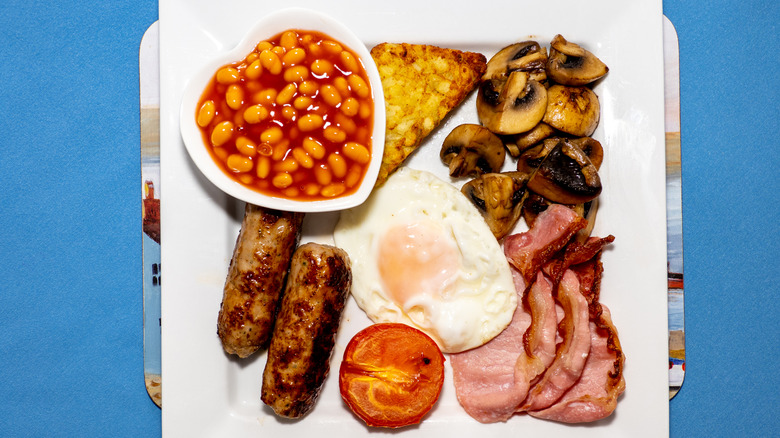
Music-making must have given John Lennon a big appetite. The legendary singer and songwriter was a devoted fan of the full English breakfast, a formidable meal that only the heartiest eaters could tackle. Also known as a "proper fry-up," a full English breakfast typically includes fried eggs, bacon, pork sausages (a.k.a. bangers), baked beans, roasted tomatoes, grilled or fried mushrooms, thickly sliced toast, and black pudding. That last item is not dessert; it's a sausage made from pig or cow blood, onions, oats, herbs, and spices.
Most of the other components are familiar to Americans, but they come with a few important caveats: The bacon should be back bacon — not the fatty American version derived from pork belly, but the lean Canadian-style bacon made from pork loin. The beans should be Heinz baked beans, but the U.K. version of these canned beans has a sweeter, less smoky sauce than the American version. Also, regional differences often come into play: If you order a full English breakfast in a Liverpool café, it will likely differ from the dish on London menus.
2. Cheese and Branston pickle sandwich
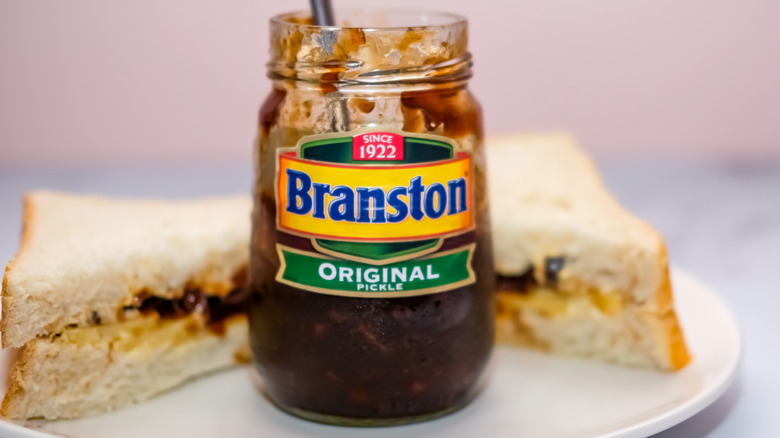
After a concert, the Beatles' bassist Paul McCartney enjoyed noshing on this distinctly British sandwich, a simple concoction of bread, cheddar cheese, butter, and Branston pickle, a tangy-sweet chutney made from rutabaga, cauliflower, carrots, and onion. (Americans might equate it with something like hamburger relish.)
The Branston company, which has been canning the tangy British spread since 1922, claims the recipe is a secret, but nothing is a secret on the Internet era. A Google search reveals dozens of copycat recipes, and most include the vegetables mentioned above. A few additions let you play around with the pickle's flavor profile; for example, you can add apples or dates for a sweeter spread. The magic lies in the slow-aging process: After cooking the vegetables, bottle them in a pickling sauce made from vinegar, tomato, and spices, then let them sit for a few weeks.
3. Cheese, lettuce, and Marmite sandwich
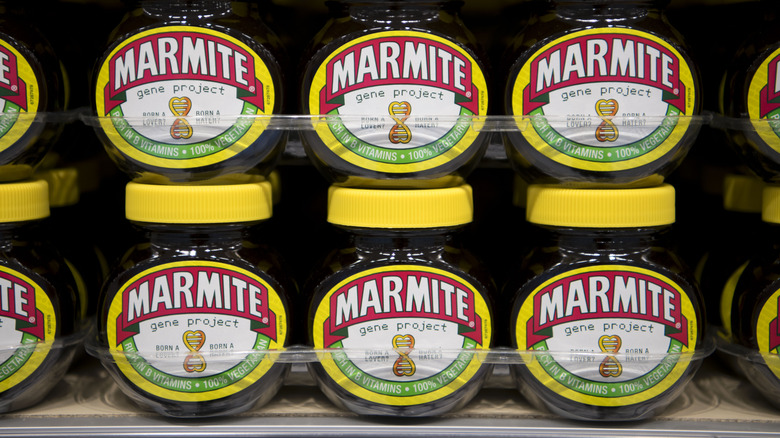
A savory, dark-colored spread made from yeast extract, Marmite is one of those foods you either love or hate. It doesn't provoke impartiality, which is why British people use the word Marmite not just for the condiment but also to describe polarizing political issues and even the politicians who promote them.
The Beatles' lead guitarist George Harrison was a Marmite fan, and he's likely the only person ever to mention it in a music recording. "Just have cheese and lettuce and Marmite sandwich. And coffee," Harrison says, before counting into a take of "While My Guitar Gently Weeps" in 1968. (Hear it on "The Beatles' Anthology" collection from 1995). If you've never tasted Marmite, try it in Harrison's favorite sandwich. A single bite with should tell you how you feel about the salty-earthy-syrupy spread. If you decide you don't like it, some Brits would suggest you save the remainder of the bottle to use as boot polish. If you do like it, smear it on buttered toast for breakfast, spoon it over a chicken before roasting, or use it to thicken gravies or sauces.
4. Heinz baked beans
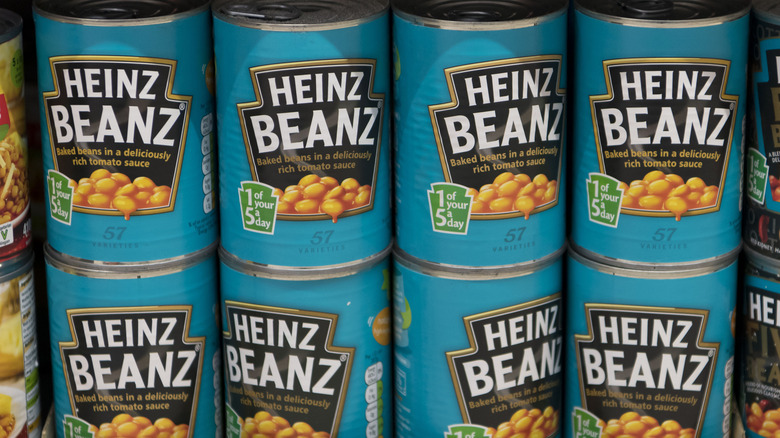
Ringo Starr stuffed a suitcase full of Heinz Beanz, a British staple, for the Beatles' 1968 trip to India. The drummer had a sensitive stomach and an aversion to spicy foods, and he figured that if Indian fare didn't agree with him, he could rely on baked beans for sustenance.
Most Americans are familiar with Heinz canned beans, but they're not the same product the Beatles ate. Heinz makes two versions of this old-timey comfort food, one for the U.S. and another for the U.K. Both are packed in similar turquoise-labeled cans, but the British version tastes distinctly different. The beans have a much milder, tomato-based flavor, while the American recipe leans heavily into sweet and smoky accents from molasses, brown sugar, and bacon flavoring. Not surprisingly, British Heinz beans are lower in sugar and calories. Ringo Starr wasn't the only Beatle who enjoyed baked beans. All four musicians indulged in the British custom of eating beans on toast for a simple snack, and John Lennon was fond of canned beans as part of a full English breakfast.
5. Lentil soup
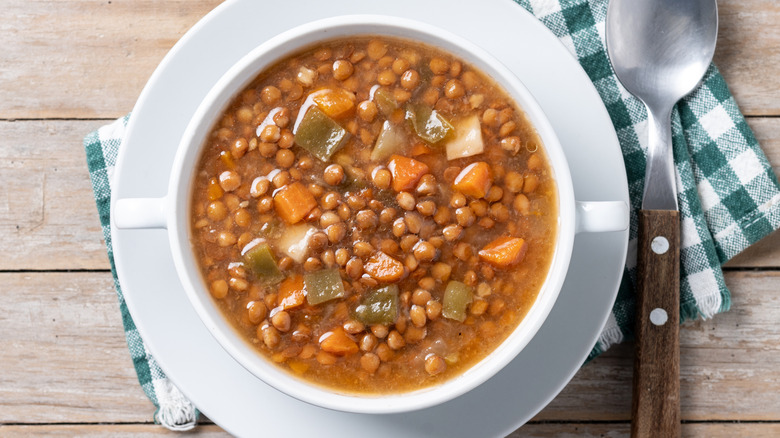
Paul McCartney's devotion to nutrition-packed lentil soup was memorialized in a 1995 episode of "The Simpsons", dubbed "Lisa the Vegetarian." After young Lisa Simpson is mocked for choosing to become a vegetarian, she meets Linda and Paul McCartney (or technically their cartoon counterparts). Paul tells Lisa that if she plays his song "Maybe I'm Amazed" backwards, she will hear a recipe for a "ripping lentil soup."
The real-life Paul McCartney is such a committed vegetarian that he agreed to appear on the show only if the character Lisa would remain a vegetarian for as long as the series lasted. In the episode's closing credits, McCartney recites his lentil soup recipe, which includes vegetable stock, lentils, carrots, celery, onion, and bay leaf. McCartney's bandmate George Harrison also loved lentil soup, but he preferred a spicier version. Harrison's Dark Horse Lentil Soup recipe was published in Mary Frampton's 1980 recipe book, "Mary Frampton and Friends Rock and Roll Recipes." Besides lentils, Harrison's soup includes tomatoes, green peppers, garlic, red chili, and cumin seeds.
6. English breakfast tea
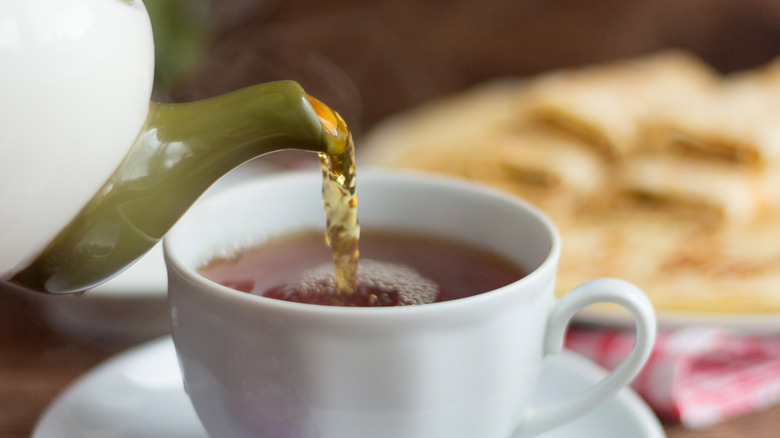
Like many British citizens, John Lennon cherished a cup of English breakfast tea, usually topped off with a splash of milk. Lennon was particular about how it was brewed: Put the tea bag in the cup first, then add the water.
Paul McCartney also favored English breakfast tea, and after he became a vegetarian, he chose to add soy milk instead of dairy milk. We don't know for sure, but it's likely that McCartney drank a few cups of the stuff while writing "English Tea" for his 2005 album, "Chaos and Creation in the Backyard."
In a nation where people consume 100 million cups of tea per day, what sets English breakfast tea apart from other black teas? The exact recipe varies between makers, but most English breakfast teas are blends of single-origin Ceylon, Assam, Darjeeling, and Kenyan teas. The combination makes it robust enough to stand up to milk without losing its malty overtones. Because English breakfast tea is moderately caffeinated, it offers an ample shot of morning adrenaline while containing only half the caffeine of coffee. And of course, if the Beatles loved to drink it, it must be good.
7. Fish and chips
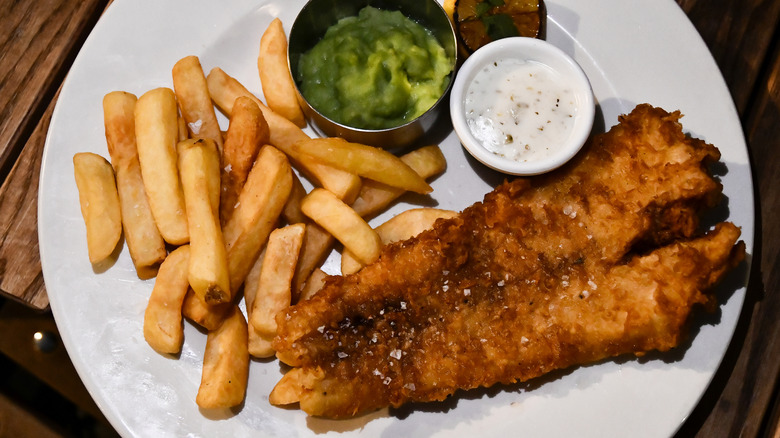
Many would argue that a plate of fish and chips is the U.K.'s national meal. Certainly it's a food that every Brit, including the Beatles, is familiar with; the dish is found on almost every café and takeaway stand menu around the country. The Beatles famously took a fish-and-chips break in Somerset, England during the 1967 filming of the "Magical Mystery Tour," a musical comedy that starred the Beatles as themselves. Two years earlier, they filmed a promotional video for the song "I Feel Fine" in which they ate fish and chips. The classic fried food is also mentioned in the song "Penny Lane" (a "four of fish" is slang for paying four pence for fish and chips).
If you're a capable home chef who feels comfortable around boiling oil, you can easily fry up your own fish and chips. Start with a dense white fish such as cod, haddock, or pollock — the fresher the better. Mix up a batter with flour, baking powder, cornstarch, and beer, then dip in the fish filets before transferring them to a pan of hot oil to fry. Be sure to make proper chips, which get top billing alongside the fish, and no, they aren't the same as French fries. For true British-style chips, the potatoes are blanched, then fried twice, which results in a crisp exterior and pillowy soft interior. Before eating, season the chips with salt and malt vinegar.
8. Homemade bread
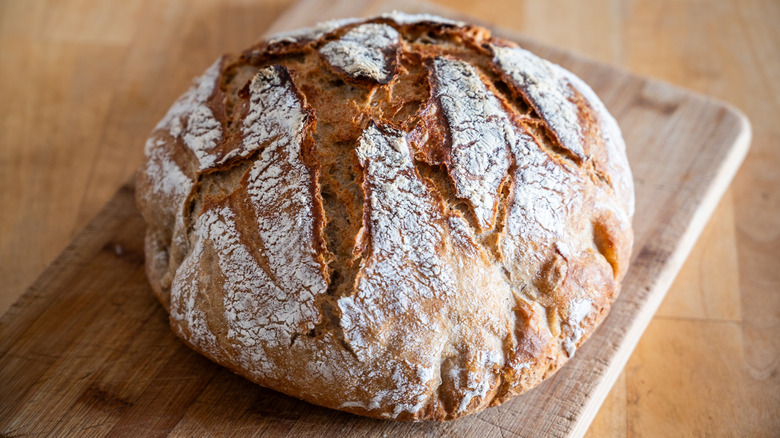
Soon after the Beatles broke up in 1970, John Lennon took a self-imposed hiatus from the music industry and spent a lot of time in his New York City kitchen, where he began baking bread from scratch. When "Playboy" writer David Sheff interviewed him at home in September 1980, Lennon was living with his wife Yoko Ono and young son Sean. He told Sheff that he spent his days "baking bread and looking after the baby." He added that when he pulled his first homemade loaf out of the oven, he got so excited that he "took a Polaroid" of it. (Tragically, only three months after this interview Lennon was murdered by a deranged fan outside his apartment.)
Fellow Beatle Paul McCartney also took a turn at making homemade bread. In media interviews, McCartney often tells the story that during his last phone conversation with Lennon, the two friends talked about the bread-baking process, particularly about how long Lennon let the bread rise before baking.
9. Jelly Babies
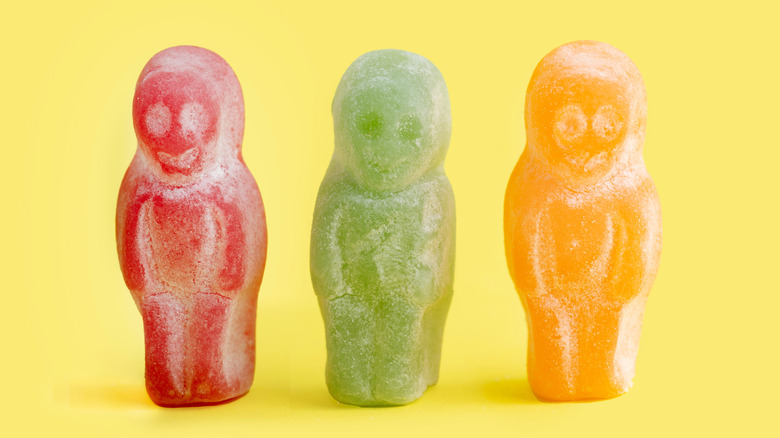
In 1964, George Harrison made a casual remark to a television host that his favorite candy was Jelly Babies, a sugary British confection shaped like a chubby baby, which comes in a rainbow of colors. Harrison soon regretted his comment. Suddenly, the Beatles' fan mail overflowed with the chewy, gel-like candies.
When the band performed at a Cardiff concert, frenzied fans tossed thousands of Jelly Babies at the stage. A month later, as the Beatles headed to America for a scheduled tour, the band hoped they could escape the Jelly Babies fiasco. But when a New York newspaper incorrectly reported that jelly beans were the Beatles' favorite treat, the sugary assaults resumed. The Fab Four were pelted with jelly beans at concerts across the United States. Because American jelly beans have a hard shell, unlike the softer Jelly Babies, the band members were worried about possible injuries to their eyes or instruments. George Harrison called American jelly beans "rock hard little bullets." The situation escalated to the point that a Beatles show in San Francisco had to be stopped twice because of the candy chaos.
10. Vegetarian fare
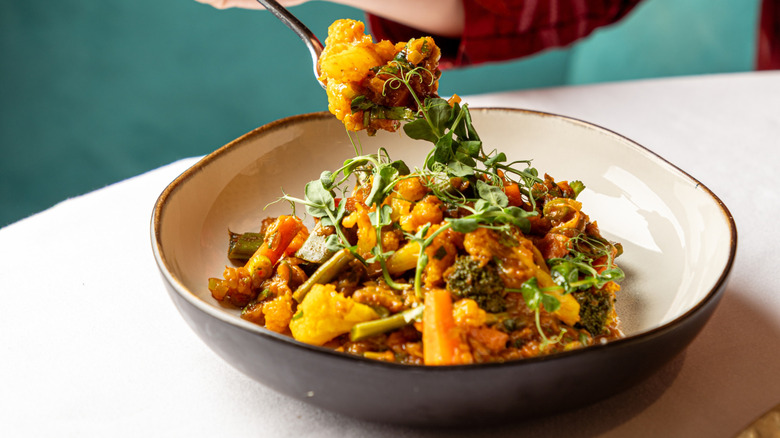
All four Beatles adopted vegetarianism at various points in their lives, but George Harrison and Paul McCartney took it the farthest. Harrison gave up meat in 1966 as part of his interest in Eastern philosophy and Indian spirituality. Although he had grown up eating a traditional English roast dinner every Sunday with his family and he loved his wife Pattie's shepherd's pie, Harrison became repulsed by the idea of killing and eating animals, stating that eating meat was "not healthy and not natural." After traveling extensively in India, Harrison came to love vegetarian foods like lentil curry and curried cauliflower.
Partly inspired by Harrison's choices—and also by their own love of animals — Paul McCartney and his wife Linda committed to meat-free eating in 1975. Linda published two vegetarian cookbooks, and in 1991, she and Paul launched Linda McCartney Foods, a line of frozen vegetarian and vegan dishes including vegan chicken-style burgers and seasoned vegetarian sausages. Since Linda's death from breast cancer in 1998, Paul has continued to campaign for meat-free eating and animal welfare.
11. Jaffa cake
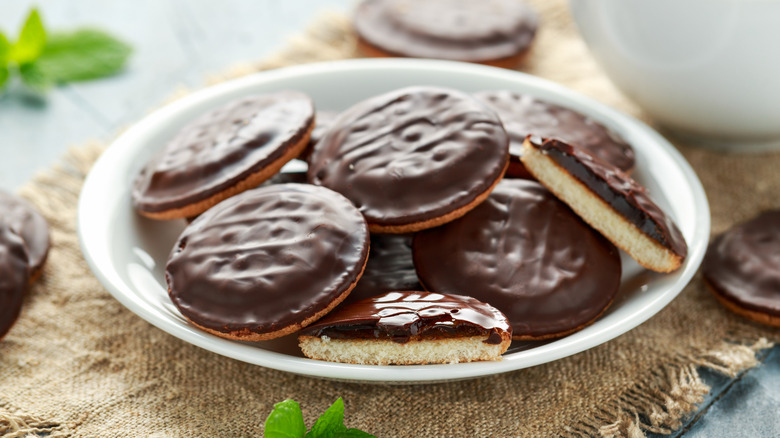
After the Beatles started to make substantial money in the music business, John Lennon had a brief, intense affair with Jaffa cakes, a teatime staple in most British cupboards. Paul McCartney wrote about Lennon's cake obsession in his book "Conversations with McCartney," stating that Lennon "went mad on Jaffa cakes, went insane about them." For the uninitiated, Jaffa cakes are a sweet snack that's a cross between a biscuit and a cake. Technically, it's a cake — that was decided in a 1990 court battle in the U.K., where biscuits are taxed and cakes are not. Jaffa cakes have three key components — an airy sponge cake, a splash of orange marmalade or jelly, and a smooth chocolate finish. They've been manufactured by McVitie's since 1927, but many bakers make them at home, too. So why did John Lennon become suddenly obsessed by Jaffa cakes? No one knows for sure, but the sugary tryst was brief. After about a week, the affair ended, and Lennon refused to eat one again.
12. Rum, Scotch, and Coca-Cola cocktail
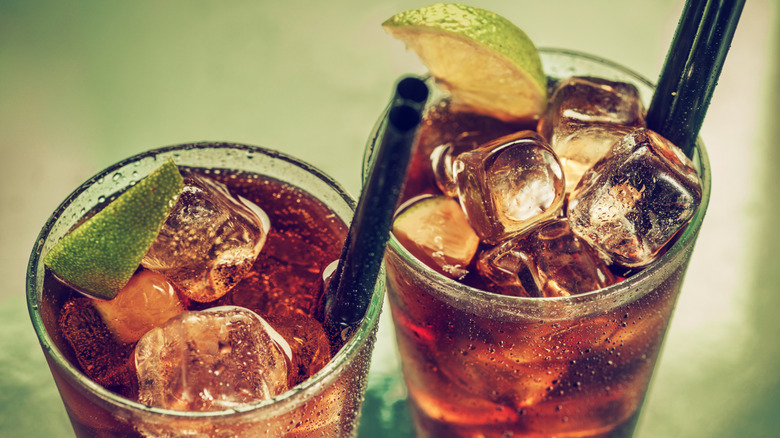
Early in their careers, the Beatles' go-to cocktail was a highball of rum, Scotch, and Coca-Cola, according to band manager Brian Epstein, who wrote about it in his 1964 memoir, "A Cellarful of Noise." Epstein dubbed the odd mixture a "Beatle drink" in 1961.
Many of today's bartenders might cringe at the recipe, but keep in mind this was basically a teenager's cocktail. At the time, the youngest Beatles, George Harrison and Paul McCartney, were not yet 21 years old — the U.K.'s legal drinking age for hard liquor — so they were a long way from being connoisseurs.
Later in life, the Beatles' alcohol palates would evolve and develop just as their music did. Paul McCartney wound up sipping whisky and creating his own riff on margaritas. Ringo Starr learned to love cognac. George Harrison preferred white wine. But in those early days, the Beatles may have had good reason to champion Coca-Cola with or without the rum and Scotch. The band endorsed the soda in publicity photos throughout the 1960s, and the phrase "He shoot Coca-Cola" is found in the 1969 song "Come Together." Whether or not the Beatles really loved Coca-Cola, they likely benefitted from promoting it.
13. Brandy Alexander
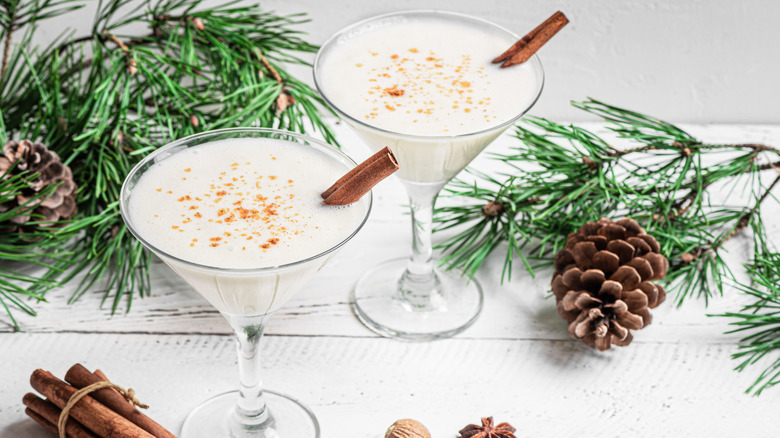
In the 1970s, John Lennon fell under the spell of the Brandy Alexander, a decadent cocktail with a silky blend of brandy, crème de cacao, and cream. It looks innocent enough in a glass but has a sneaky way of catching up with you. During the period when Lennon was separated from his wife Yoko Ono, he got himself into a heap of trouble by knocking back a few Brandy Alexanders, then showing up at West Hollywood's Troubadour Club to see the Smothers Brothers perform their musical comedy act. An inebriated Lennon started heckling the siblings. The Smothers Brothers were gracious about it, but their manager was not. Lennon wouldn't stop his drunken tirade, and when the club staff confronted him, he threw a few punches. Not surprisingly, the Troubadour's bouncers ejected Lennon and his buddies from the venue. The following day, Lennon sent flowers to the Smothers Brothers and apologized for his bad behavior.
If this cautionary tale hasn't stopped you from wanting to taste this boozy milkshake, try making one at home. Shake together equal parts of brandy, crème de cacao, and heavy cream (or half-and-half). Strain the liquid into a chilled glass and top with grated nutmeg. Before you take a sip, make sure someone hides your car keys.
14. Maccarita
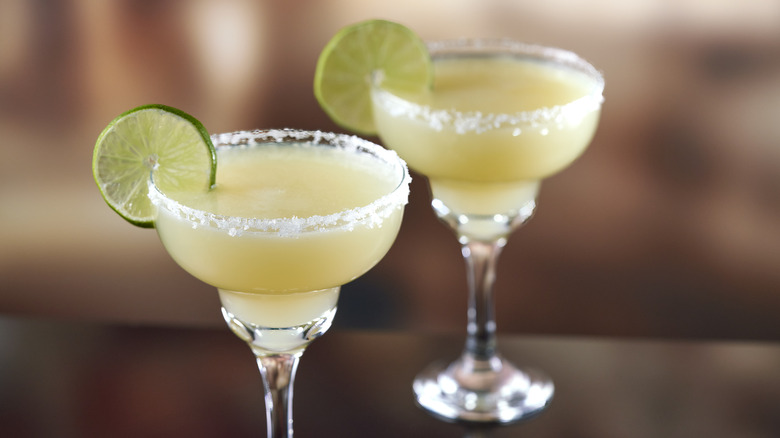
Prepping for a party at your house? While Paul McCartney gave us "Yesterday" and "Let It Be," he also knows his way around a cocktail shaker. McCartney is in his '80s now, but that doesn't stop him from singing, dancing, and savoring a festive cocktail that he named after himself. And like everything he touches, McCartney's "maccarita" takes the familiar tequila drink up a notch with a bit of inventiveness.
His riff on the margarita recipe changes the sweet lime flavor into something fresher and fruitier with two varieties of citrus and two orange liqueurs. Here's how Sir Paul does it: Get out your juicer and squeeze the daylights out of one lime and two clementines (if you don't have clementines, use one orange). Pour the juice into a cocktail shaker along with three shots of a blanco tequila and one shot each of Cointreau and triple sec. Add three ice cubes and shake until the liquid froths and cubes have melted. Salt the rim of your margarita glass and pour in the Macca-inspired elixir.