

10 Mistakes Everyone Makes When Making Stuffing
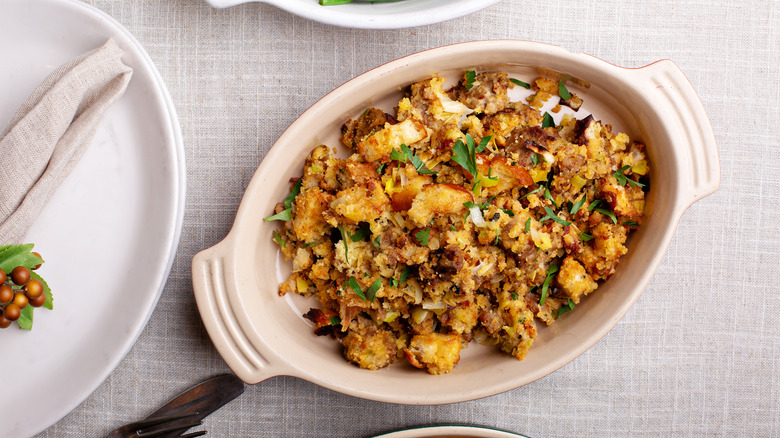
Thanksgiving is right around the corner, and many of us have already started making plans for the big day, including sending out invitations, mapping out the menu, and ordering the turkey. While all of these are important considerations for making the Thanksgiving festivities a success, one thing that sometimes becomes an afterthought is the side dishes, especially the stuffing.
Stuffing often takes a backseat to more elaborate side dishes, like the iconic green bean casserole or velvety mashed potatoes, but it shouldn't. According to a recent survey conducted by The Campbell's Company, stuffing ranks as the most popular Thanksgiving side dish. While many of us opt to prepare store-bought stuffing rather than making it from scratch, which is certainly a valid choice, making homemade stuffing can completely transform your Thanksgiving meal.
Though making it from scratch isn't difficult, a little bit of know-how is required to avoid the pitfalls that can lead to a soggy, flavorless batch of stuffing. As a professional chef who hosted Thanksgiving dinners annually at my restaurant for nearly 18 years, I always prepared homemade stuffing for my guests. As such, I have a number of tips and tricks up my sleeve for circumventing these mistakes to share that you can be truly thankful for this holiday season.
1. Using the wrong kind of bread
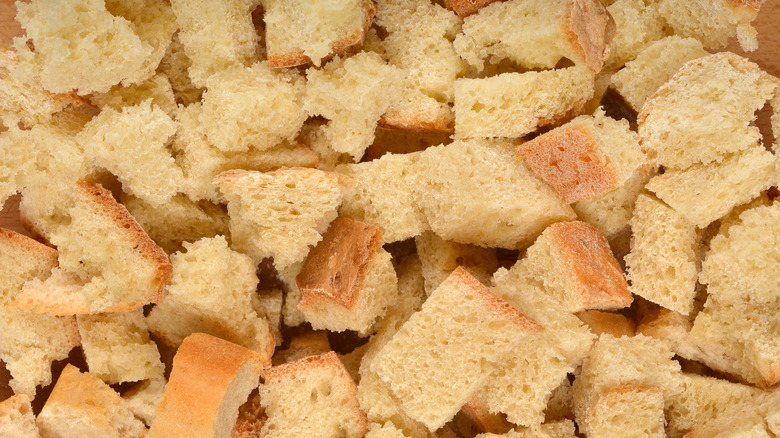
When the star of a recipe is bread, it stands to reason that there are some do's and don'ts to consider when choosing the right type. The ultimate success of any stuffing recipe begins with choosing the right type of bread. Not all loaves are made the same, and some are more well-suited to this dish than others. Two of the most important keys for selecting the right type of bread for stuffing are taste and texture.
As far as taste is concerned, it can be useful to factor in the other ingredients you plan to use in the stuffing. If you aren't using a lot of add-ins, like sausage, aromatics, fruit, or seasonings, you want to select a more robust-flavored loaf, like sourdough or a raisin bread. Conversely, if you plan to jazz up the recipe significantly, plain white bread may be perfectly suitable.
When it comes to texture, it is important to consider a bread that can absorb the liquid without becoming mushy. Bread that has a slightly higher fat content and a more closed structure, meaning fewer holes, tends to perform better in stuffing recipes. And, don't be afraid to think outside the box. Cornbread and quick breads, like a festive pumpkin bread, can be just the boost of flavor and texture that your favorite stuffing recipe is yearning for.
2. Putting the stuffing in the turkey
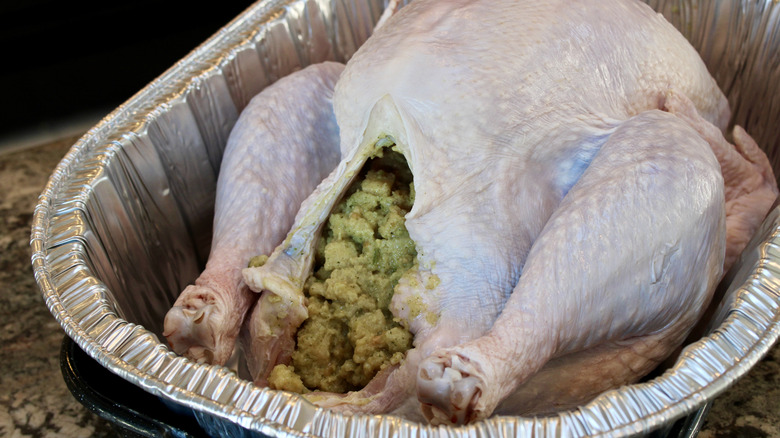
Perhaps the greatest mistake you can make when it comes to stuffing is actually putting it into the turkey. While historically speaking this was the go-to way of serving this side dish, as we have improved our understanding of food safety and the science behind producing the moistest bird, many of us have moved away from preparing stuffing inside the bird.
Safety is maybe the biggest factor to consider when it comes to whether or not you should actually stuff a turkey. As a turkey roasts, raw, potentially bacteria-laden juices from the bird seep into the stuffing and are readily absorbed. While the turkey may reach the necessary safe minimum internal temperature of 165 degrees Fahrenheit (per the CDC), the stuffing can often remain underdone, which increases the risk of pathogens proliferating in the mixture.
Though there has long been a perception that stuffing can keep a turkey moist, in reality, it is quite the opposite. The dry bread wicks any juices away from the bird, essentially dehydrating it and causing it to dry out. Whether you call it stuffing or dressing, it is always best to prepare this side dish in a separate baking dish or crockpot to ensure the maximum safety and satiety of your dinner guests.
3. Failing to adequately dry out the bread
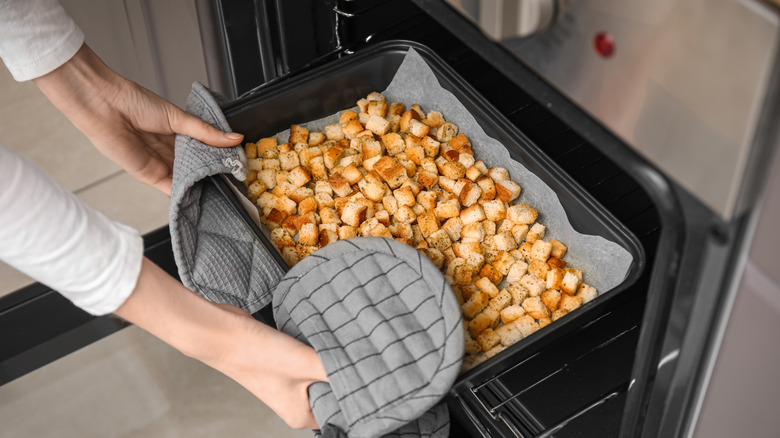
Another common pitfall when making homemade stuffing is not adequately drying out the bread. While it may seem like using stale bread is enough to achieve that fluffy, moist texture, this isn't sufficient for maximum results, as clusters of moisture can remain in the bread. What's more, the bread needs to be cut or torn into the right-sized pieces in order to dry out properly and create the most appetizing mouthfeel.
Regardless of whether you cut or tear cubes of bread, the optimum-sized pieces for the best stuffing texture are between ¾" and 1 ½". Once the bread is prepared, the best way to dehydrate it easily is to place the cubes on a baking sheet in a single layer and pop it into the oven at 200 F for roughly an hour. This can be done ahead of time, and the dehydrated bread cubes can be placed in an airtight container at room temperature until you are ready to assemble the stuffing.
Alternative methods for dehydrating bread cubes for stuffing include putting them into a food dehydrator or employing an air fryer. A food dehydrator set to 150 F should take 1 hour. An air fryer will be quicker, but requires a little more babysitting, as the process will need to be done in batches. Each batch will take about 5 minutes when air-fried at 350 F.
4. Using raw vegetables in the mix
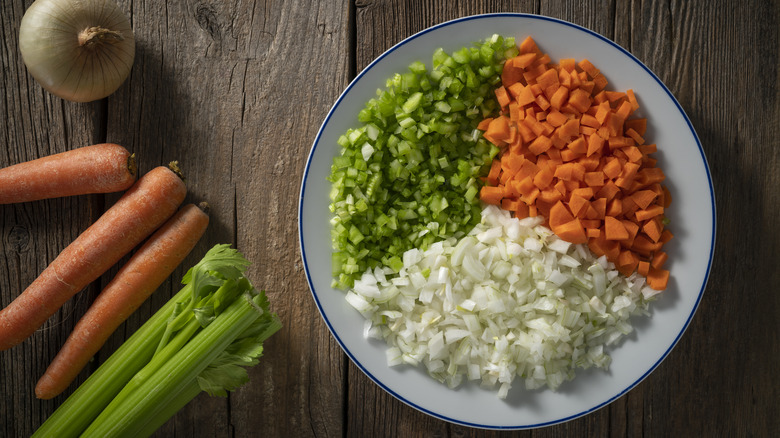
A predictable pitfall that can result in soggy, pitiful stuffing is failing to pre-cook vegetables before adding them to the bread. Raw or frozen vegetables are notorious for leaching excess moisture into any kind of casserole, resulting in a soupy texture that is extraordinarily unappetizing. That said, vegetables are necessary for adding layers of flavor to a stuffing recipe. There are two options for averting this crisis: using canned vegetables, and roasting or sautéing vegetables before combining them with the bread and remaining ingredients in the stuffing.
Canned vegetables are already par-cooked, which makes them a good option as long as they are properly drained and dried out before they are added. When it comes to fresh vegetables, especially those with high moisture content, like mushrooms or celery, cooking them is the only way to eliminate that excess moisture.
When sautéing vegetables, it is important to use the "ground up" rule to guarantee they cook evenly and remain slightly al dente. This means you should typically start by cooking vegetables that grow underground before adding those that grow above ground, which usually cook faster. When roasting vegetables, it is important to use enough fat and do so at a high enough heat to allow the Maillard reaction to really caramelize them and bring out their inherent savory and sweet flavors.
5. Using the wrong amount and kind of liquid
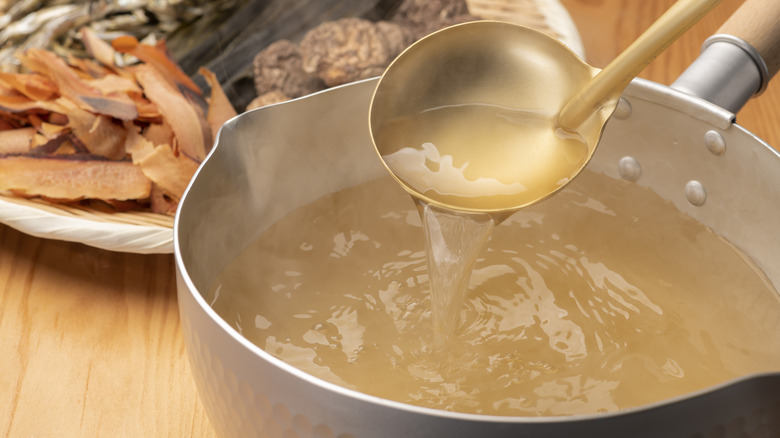
Speaking of moisture, while it is necessary to add liquid to stuffing to prevent it from drying out, it is easy to go overboard with it. Additionally, though water can certainly work to keep stuffing supple, it is utterly flavorless and boring. The type of liquid you use and how it is added is crucial to making it the star of your Thanksgiving dinner, rather than a colossal disappointment.
Among the best liquid options for making stuffing are broths and stocks of varying flavors. Though chicken, turkey, or beef broths can provide robust flavor, another savory alternative that is also vegetarian is mushroom broth. This can be purchased or made from dehydrated mushrooms, and it lends an umami-rich flavor profile that can completely transform stuffing. Other liquids that can be used to enhance stuffing include white wine or apple cider.
When it comes to how much liquid to add and when, a general rule of thumb is to use 1½ cups of stock or broth for every 5 cups of bread and to do so in stages. Start with ¼ cup of liquid and slowly stir in more as it is absorbed. The goal is for the stuffing to be tender, but not gloopy. You can always add more liquid, but you can't take it out, so it is important to adjust accordingly.
6. Under- or over-seasoning it
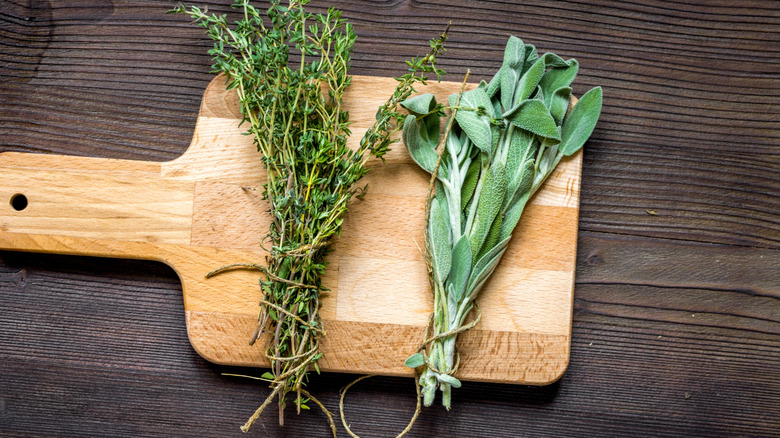
Another big issue with homemade stuffing is that it is frequently under- or over-seasoned. Because the bread absorbs the liquid added to the stuffing, any spices, herbs, aromatics, or condiments you add to the recipe can thoroughly permeate the mixture. This means it pays to be discerning with the ingredients and quantities you add, especially salt. That said, you also shouldn't shy away from getting creative with bold flavor, as this can make or break the finished stuffing.
While a classic poultry seasoning, which usually features sage and thyme, is certainly a great base flavoring for stuffing, don't stop there. It can be helpful to add some heat, in the form of red pepper flakes or peppercorns, and additional aromatics, in the form of dried garlic or onions. I also enjoy leaning on non-traditional herb and spice blends when making homemade stuffing, such as ras el hanout, which lends a distinctive North African sweet and savory flavor combination, or zaatar, which infuses it with a more Middle Eastern palate.
Lastly, this is the time to take advantage of umami-rich condiments for a boost of flavor. Ingredients like mushroom powder, miso paste, gochujang, Worcestershire sauce, and soy sauce can all be added in small quantities to enhance the flavor of stuffing, as long as they are used in moderation.
7. Not adding enough fat
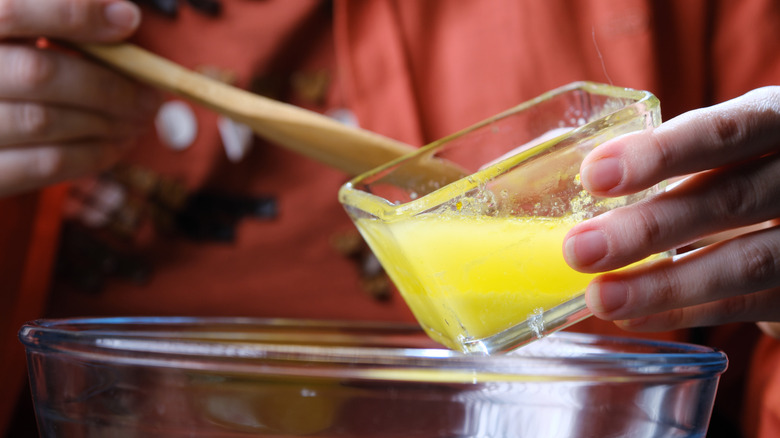
Chefs often say that fat equals flavor, and nowhere is this more important than when it comes to making stuffing. Thanksgiving tends to be an indulgent meal, so it may be tempting to cut back on the overall fat used in a recipe to help make things a little less rich, but doing so with stuffing would be a mistake of epic proportions. Fat is required in stuffing not only for flavor, but more importantly, to enhance the moisture and supple texture of the finished dish and to help bind all the ingredients together. It is the de facto glue and the medium by which the flavors of the stuffing are distributed across the tongue.
Among the most common fats to add to stuffing are melted butter and olive oil. That said, there are plenty of other candidates that can completely transform your next batch of stuffing. Some of my favorites include bacon grease, duck fat, or even lard. This should be adjusted if your stuffing recipe contains meat, as the meat will release some fat into the recipe as it cooks.
A good ratio to keep in mind is approximately ½ to ¾ cup of fat per pound of bread in a stuffing recipe. Remember, the fat should be enough to infuse the recipe with flavor and enhance the texture, but not so much that the stuffing tastes greasy or heavy.
8. Over- or under-baking it

Another mistake frequently encountered when making stuffing is over- or under-baking it. When over-baked, it can burn on top, dry out, and become unpalatable. A good way to prevent this is to cover the casserole dish with aluminum foil for the duration of the baking process, then remove it toward the end of cooking to develop a crisp, golden brown crust. The foil will trap steam within the stuffing, which will keep it moist and supple while allowing it to cook thoroughly. If you happen to notice the top is browning too rapidly before the center is done, place the foil back on top of the casserole until the stuffing has finished cooking.
When under-baked, the stuffing will fail to set, remain soggy, and can become a petri dish for pathogens. While not putting stuffing inside the turkey can minimize the spread of pathogens and potentially prevent the outbreak of food-borne illnesses, you should still cook stuffing to a safe minimum internal temperature of 165 F. Though it may be tempting to eyeball this or rely on the recommended cooking time indicated on the recipe, this is a bad idea, as all ovens cook differently. Always use a food thermometer inserted into the center of the casserole or crock pot to determine the doneness of stuffing and ensure safety. The last thing you want people to go home with after a festive Thanksgiving meal is a case of salmonella or another food-borne illness.
9. Not making it in advance
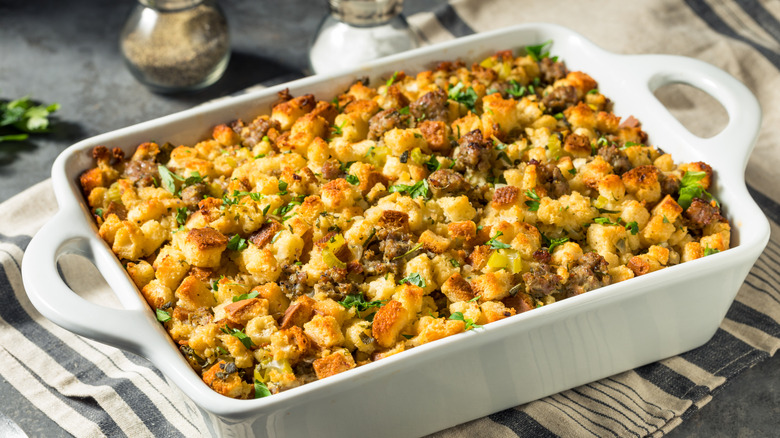
When it comes to Thanksgiving, I am always hunting for things I can prepare ahead to save on oven space and time. One dish that not only can be made ahead, but actually benefits from this is stuffing. Like day-old soup or stew, stuffing that has been made ahead of time has an opportunity to essentially marinate, and its flavor becomes more pronounced over time. The key to preparing stuffing ahead is to do so safely.
If you plan to refrigerate it, stuffing should only be made one day ahead of the Thanksgiving festivities. If you would like to prepare it even more in advance, it will need to be frozen for safety and thawed overnight in the refrigerator before being reheated. Stuffing will keep well in the freezer for up to two months. Never refrigerate or freeze uncooked stuffing.
To reheat premade stuffing, bring it to room temperature for approximately 30 minutes before placing it into an oven that has been preheated to 350 F. The stuffing should take between 15 and 30 minutes to reheat to a safe minimum internal temperature of 165 F. If it feels dry, you can add some additional liquid to the top to help revive it.
10. Failing to make enough
There is nothing more dreadful than running out of food at Thanksgiving. I typically prepare way more of everything than I think I will need because I enjoy having the leftovers for a few days. That said, it can be hard to know how much is enough. As a general rule, it is safe to assume that most people will consume roughly ¾ of a cup of stuffing at the meal. However, I will usually aim high and make about 1 cup per person. Also, keep in mind, this calculation is for cooked, not uncooked, stuffing.
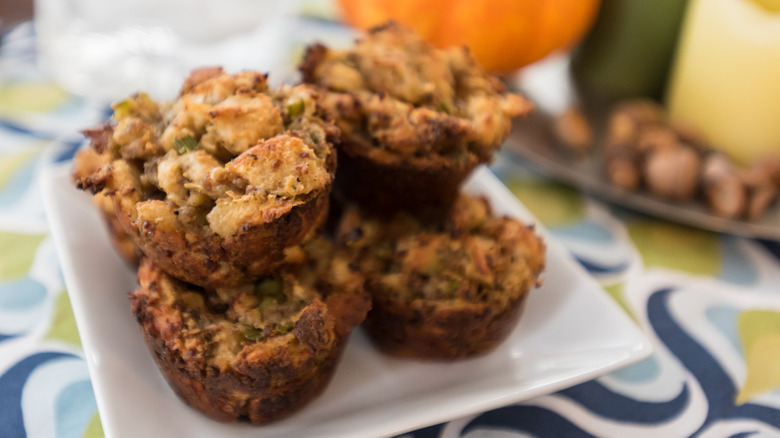
Another way to control the amount of stuffing you need is to prepare it in different ways. For example, I love making stuffing muffins, rather than baking it in a casserole dish or placing the mixture in a crock pot. These individual servings are easier to portion out, and I like the fact that the edges get crispy all around, which creates a luscious contrast between the tender, moist center and the crust that is utterly mouthwatering. As a bonus, these reheat really easily and are the perfect vehicle for making an elegant savory breakfast egg casserole the next day.