

10 Vintage Cooking Tips To Try
Every chef and home cook has an arsenal of secret tips and tricks they use to guarantee that the food they prepare turns out tasty and beautiful. Some of these are learned from experience, while others are adopted from formal or informal education or by watching our favorite chefs, like Alton Brown or the iconic Julia Child, whip up dishes on television.
That said, there are some vintage cooking tips that many of us have perhaps seen or heard of that sound like old wives tales or that have been passed down from one generation to the next. These can sometimes sound ridiculous or far-fetched, but believe it or not, many of them might just be worth a try.
Some of these tips fly in the face of modern-day health code, while others simply defy science. However, there are many that absolutely deserve a second chance and may just revolutionize the way you cook. Here is a rundown of the best of these tips and why they are worthwhile to try.
1. Toss a piece of bread into the oil when frying to prevent splattering
One of the things that often prevents many people from frying food is that it can create a colossal mess in the kitchen as the grease spatters. The reason hot oil spatters when you add food to it is that any residual moisture on the surface of whatever you are cooking is quickly transformed into a de facto steam bomb that rushes to the top of the cooking vessel and explodes. This equals a literal hot mess on the stove and can be a potential safety hazard.
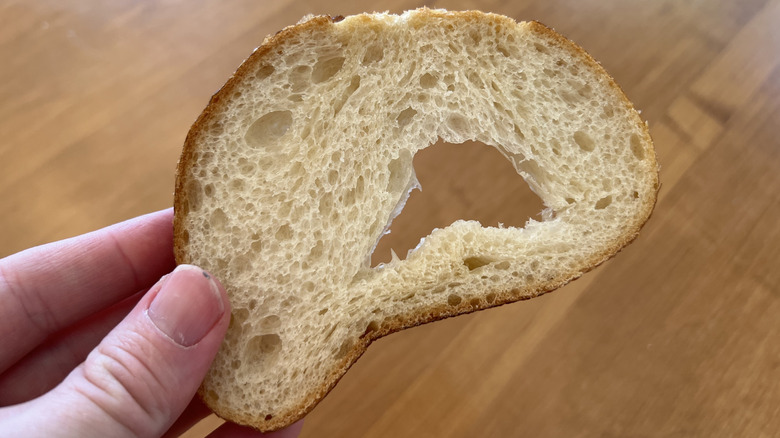
Short of having a splatter guard on hand, the primary ways to prevent splattering is to dry out ingredients thoroughly before adding them to the oil and to use high quality cookware to help retain a consistent temperature in the pan while cooking. That said, one potentially useful vintage cooking tip that may help eliminate some of the mess associated with frying food is to toss a piece of bread into the hot oil before cooking something in it. The theory behind this method is that the bread behaves as a kind of sponge, absorbing some of the excess liquid and preventing it from turning it into steam.
2. Reduce the bitterness of coffee with a sprinkle of salt

One of the hallmark features of a good-tasting cup of joe is a modicum of bitterness to balance out the nutty, fruity, and earthy elements of a solid brew. That said, even when purchasing the best beans, using properly filtered water, or employing a high-end coffeemaker, coffee can develop a bitter flavor that is too sharp to enjoy. While there are few things to keep in mind to help prevent this, including brewing with water that is at the appropriate temperature and not over-steeping the beans, these may not entirely eliminate the acrid flavor of an over-roasted bean.
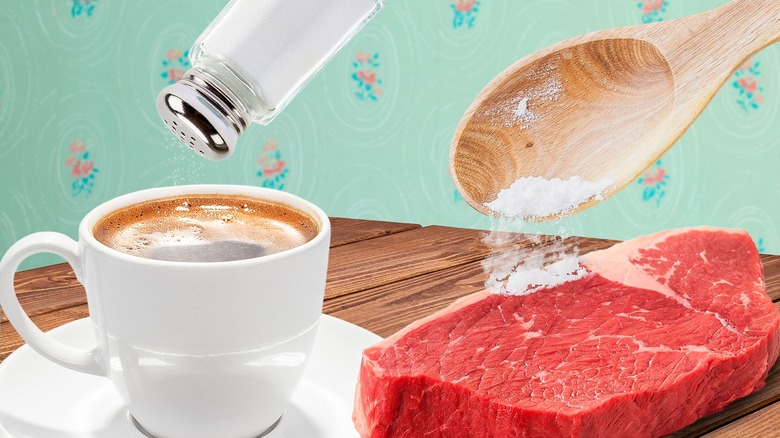
One retro tip that can completely salvage your bitter cup of coffee is tossing in a dash of salt. This has been an enduring technique employed by people in cultures across the globe. The secret to its success has to do with how your tongue perceives taste. Since we can detect sweet, sour, bitter, salty, and umami flavors, amplifying any of these will help to counterbalance the others if they happen to be overstimulated.
As for the appropriate amount to use, there is no one-size-fits-all answer to this. It will partly depend on your capacity to taste bitter flavors and on the degree to which a particular cup of coffee tastes bitter. Start with a pinch and add just a little at a time until the bitterness abates, but the coffee isn't overtly salty.
3. Use a raw potato to prevent pancakes from sticking and burning
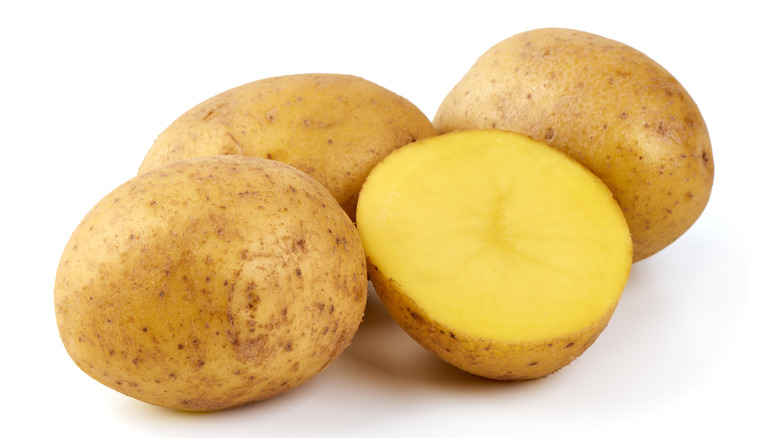
Regardless of how much cooking spray or butter you add to the pan or if you use a nonstick pan, pancakes have the habit of sticking to the surface of the cooking vessel, burning, and making a total mess of things. One way of mitigating this is to rub the cut surface of a raw potato onto the cooking surface of the skillet or pan you are using to prepare pancakes before adding the batter. Not only is it ingenious, but it is a natural and economical way of handling this common problem. The key to its efficacy is the natural starch contained within the flesh of the potato, which essentially creates a barrier between the pancake and the cooking surface, allowing it to glide right off.
To use this method effectively, start by greasing the cooking surface with cooking spray or butter for the first pancake. Next, rub the raw potato onto the cooking surface in between each batch of the remaining pancakes.
4. Soften butter quickly with a hot bowl
Many baking recipes require softened butter to achieve the correct texture in the final product. This process requires some forethought to remove the butter ahead of time and allow it to soften at room temperature. Forgetting to do this step can mean a delay in the baking process, which is not only inconvenient, it may disrupt your plans for a meal.
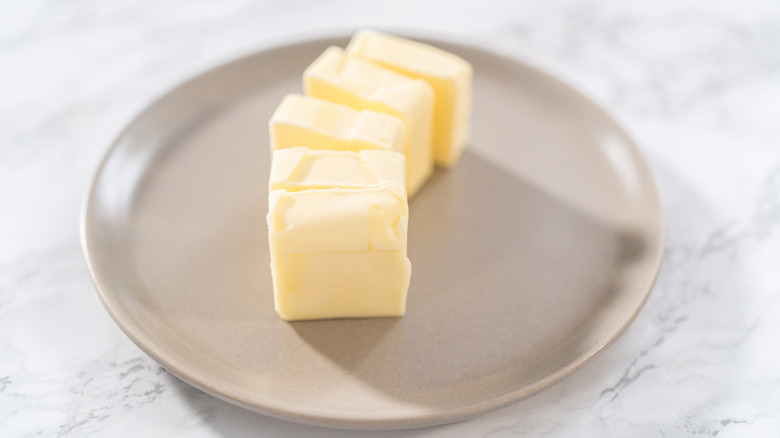
Though you can soften butter in a pinch using a microwave, this often results in melting the butter or softening it unevenly, which can leave your baked goods lumpy and tough, rather than smooth and tender. A better alternative is something called the "bowl method." This method requires heating up a glass bowl using hot water or a microwave and placing it over a plate of cold butter cut into cubes and arranged in a single layer. The ambient heat of the hot bowl will help to soften the cubes of butter in under 10 minutes, allowing you to get on with preparing the recipe without further delay.
5. Keep lemons fresh longer by storing them in water
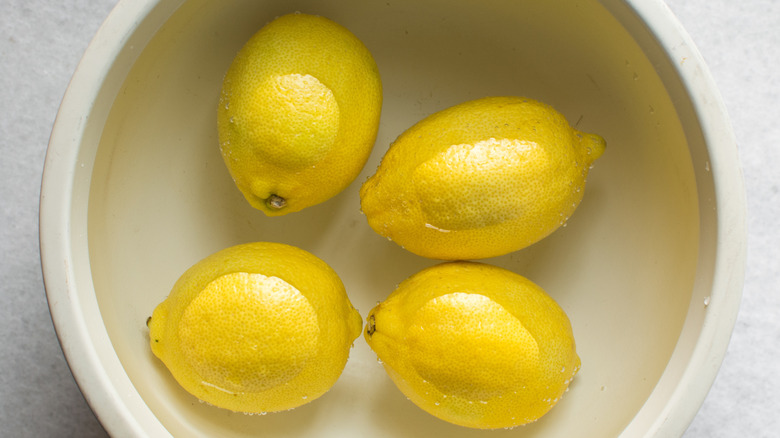
If you enjoy garnishing iced tea with lemon wedges or using fresh lemon zest in your cakes and sauces, keeping fresh lemons on hand is a must. That said, fresh lemons are notoriously perishable. When left on the countertop they will begin to shrivel up and dry out or get moldy within a week or two. One hack that was popular in the 1950s was to store whole lemons in water on the countertop to extend their shelf-life and keep them moist.
This theory is sound, though with a bit of a caveat. The clean, whole lemons should be submerged in water and placed in the refrigerator in an airtight container, rather than left on the countertop. The cool temperature of the refrigerator and lack of oxygen in the airtight container stunts microbial growth and prevents moisture loss. These refrigerated lemons can last for up to a month or longer, making this a great, cost-effective hack for eliminating food waste.
6. Minimize the smell of cooking cruciferous vegetables with a slice of bread
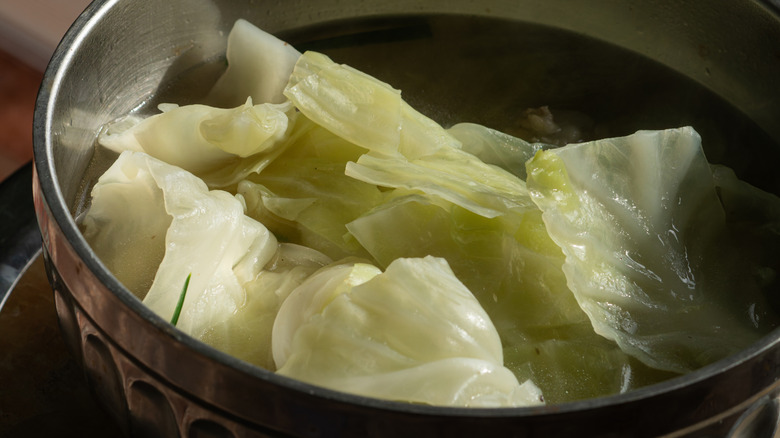
We all know that cruciferous vegetables, like broccoli, Brussels sprouts, and cabbage are healthy for us, but let's be honest, cooking them can fill the house with a foul odor that can instantaneously kill even a healthy appetite. This smell is caused by volatile chemicals stored within the cellular walls of cruciferous vegetables. As they are heated, these sulfur-containing compounds, or glucosinolates, and their byproducts, including hydrogen sulfide, are unleashed into the air, causing that disgusting stench.
To minimize the stench, home cooks of yesteryear used to toss a slice of bread into the cooking water or atop the steamer to absorb some of these gases. While this may well be effective, the method can potentially be enhanced by soaking the slices of bread in vinegar before adding them to the pot or steamer. The acidity of the vinegar may help further isolate those alkaline glucosinolates. This process works best when stale bread is used, which can be more absorbent.
7. Encase cheese in butter to preserve it
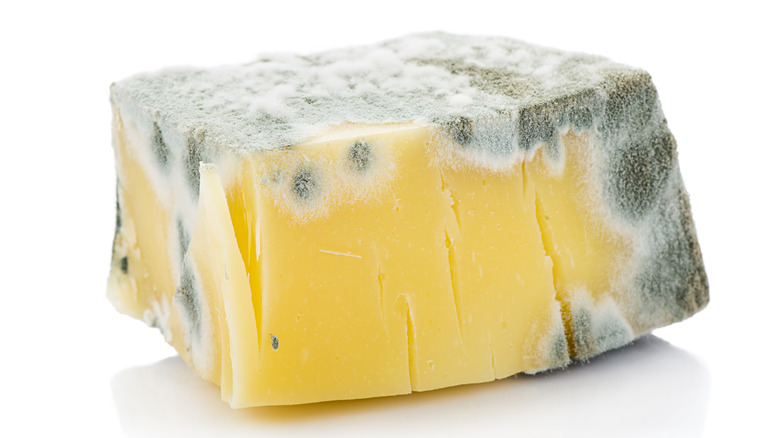
Cheese is a product that can be notoriously susceptible to developing mold, even when properly refrigerated. Though it may be perfectly safe to consume cheese after safely removing the mold, it would be better to prevent the mold from forming in the first place, thereby eliminating any possibility of inadvertently ingesting any.
One technique that has been used by cheesemakers for time immemorial is to encase it in a layer of butter to preserve it. The technique is relatively simple. Remove the butter from the refrigerator to soften it and carefully spread a thin layer of it over the surface of the cheese. The coated cheese can be wrapped in wax paper or placed in an airtight container before storing it in the refrigerator.
This technique works best with hard cheeses, like cheddar or gouda, though it can be applied to blocks of softer ones, like hunks of mozzarella or feta. If possible salted butter should be used, though unsalted will work just fine. Though you can eat the butter coating when consuming the cheese, it is easy enough to scrape off with a knife, which will allow you to appreciate the full, unadulterated flavor of the fromage.
8. Use baking soda to tenderize meat
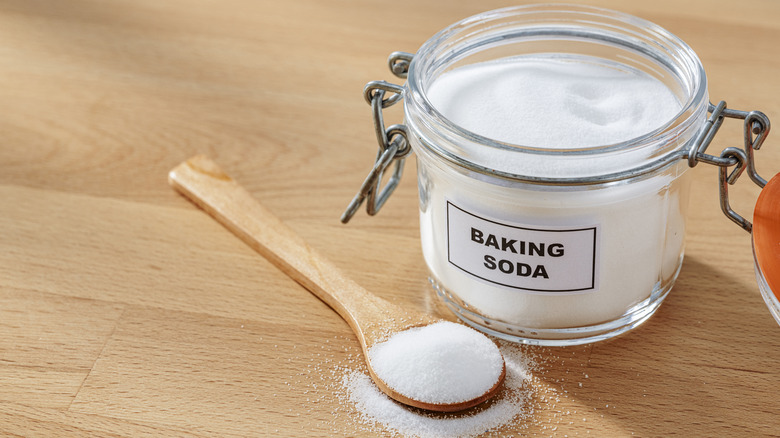
We know that baking soda is one of the most useful tools in the kitchen. Not only is it added to baked goods to leaven them and balance out the acidity of tomato sauce, it can be used to deodorize the refrigerator and to clean stains off pots and pans. That said, perhaps one of its greatest superpowers is a technique known as velveting, which has been integral in Asian culinary traditions for ages.
Velveting is a process by which baking soda is used to help tenderize meat. It is most effective when used with tougher cuts and large pieces of meat, such as flank steak, brisket, chicken breasts, or thick cut pork chops. The technique essentially requires the meat to be coated in a thin layer of baking soda for approximately 20 minutes or soaked in a brine for anywhere from 15 minutes to several hours, depending on the cut.
What happens when meat is subjected to baking soda is that the PH of the meat is increased, thereby preventing the protein fibers from contracting as the meat cooks. This allows the meat to retain moisture and remain tender, particularly when prepared using high temperature cooking methods.
9. Re-use potato water to thicken soups, stews, and more
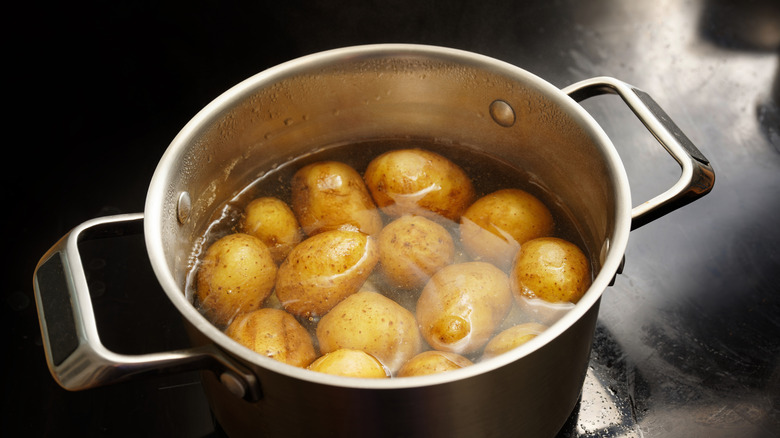
Using starchy pasta water as a thickener or a binder is a common technique. That said, there is another starchy water that can be equally as useful in the kitchen and is often discarded — potato water. When you boil potatoes, the starches from those potatoes leach into the water and are left behind. These starches can be used to thicken soups and stews, give bread a luxurious texture, and even make the best gravy of your life.
There are some key things to keep in mind when reserving potato water for cooking. First, the potatoes should be well scrubbed and clean so that the water isn't murky or dirty. Second, you should strain out any solids so that you are only using the pure potato water. It is best to use potato water when it is hot and fresh. If you do want to store it, it will only keep for about a day in the refrigerator so it is best to freeze it in individual ice cube trays for later use.
Depending on how much starch has leached into the water from the potatoes, you may or may not want to reduce the liquid even further before using it to help create a thicker base for your sauces and soups. Alternatively, drain off the top later of water from the pot and only use the water from the bottom of the pot where the starches have settled.
10. Put mayonnaise in cake batter to make it moist
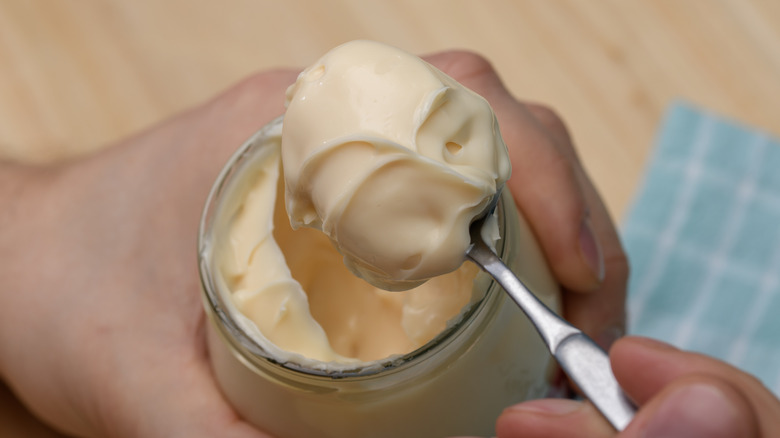
Made from oil, egg yolks, and an acid, like vinegar or lemon juice, mayonnaise is a creamy ingredient that has virtually endless uses in the kitchen. Not only is it great as a spread in sandwiches and as a binder for tuna, chicken, or egg salads, it can be incorporated into cake batter for the most gourmet flavor you could imagine.
While it may seem bizarre to add mayonnaise to a cake recipe, this technique is not without precedents. It is well-documented throughout history. The first mayonnaise-based cake recipe appeared in the Oakland Tribune in 1927. Its use for baking was popularized during World War II when rationing limited the availability of key baking ingredients, like sugar and dairy. The rest, as they say, is history.
The way this condiment benefits a cake recipe is fairly straight forward. Not only does the protein, fat, and moisture help produce a cake that is tender and has a tight crumb, it increases its shelf-life, which is especially useful if you happen to be baking for a crowd or a holiday when you need to prepare some dishes in advance.