

15 Simple Tips For Craveable Casseroles

Though not strictly American in origin, the frugal casserole is among the most beloved and iconic dishes in this country. This comfort food, which appears on dining room tables on virtually any occasion — from easy weeknight dinner to memorable holiday meals alike — can be characterized as a one-dish meal that is typically composed of a starch, a sauce, and a crust punctuated with various meats and vegetables.
While the precise ingredients you can expect to find in a casserole can vary from one region to the next and from household to household, there are some tips and tricks to master to create a craveable casserole that not only tastes delicious, but is easy to serve every time. As a professional chef, I have made my fair share of green bean casseroles and baked mac and cheeses over the years from scratch. I'm here to share the tricks of my trade with you so that you can make the perfect casserole every time.
1. Use leftover vegetables
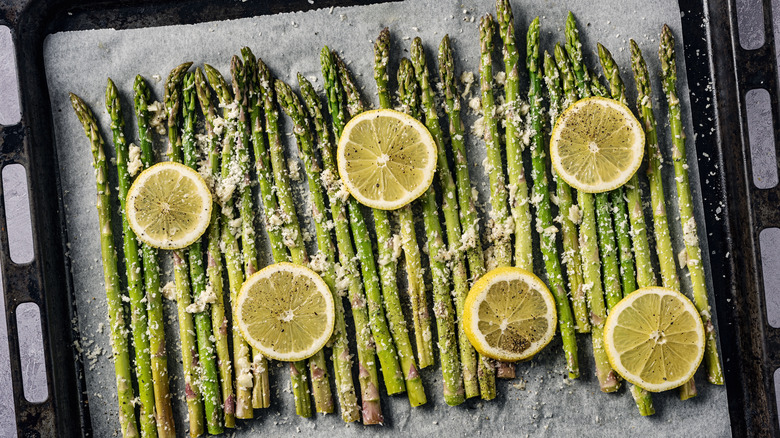
Among my favorite ingredients to round out a casserole recipe are various vegetables. They not only boost the nutritional content of a casserole, but they also enhance the flavor and texture in vital ways. When it comes to selecting which vegetables to use, the key is to eliminate excess moisture that can otherwise render your casserole into a watery, soupy mess.
First, it is important to avoid raw vegetables, which will leach water into the dish as they cook in the oven. While frozen or canned vegetables can be a good option, these should be thawed and patted dry before use to eliminate any residual moisture before being added to a casserole recipe. Some of my favorite types of vegetables to use in a casserole are leftover roasted, grilled, or steamed ones. It eliminates waste, and they generally will have even better flavor. Just be sure to reheat leftover vegetables in an oven, microwave, air fryer, or on the stovetop to a safe minimum temperature of 165 degrees Fahrenheit before using them to destroy any bacteria that could potentially cause a foodborne illness.
2. Par-cook your grains
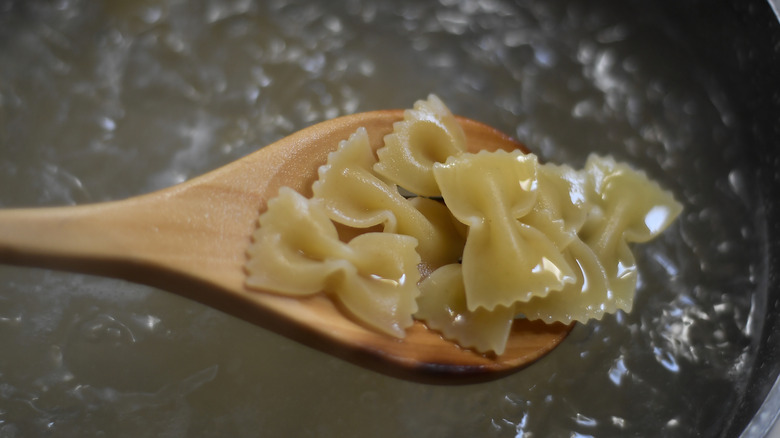
The use of pasta, rice, potatoes, or other grains in a casserole is common, as the starch acts as a base, lending the dish structural integrity and making it more of a complete meal. While it may seem easy to just add cooked versions of these to a casserole recipe, doing so can inadvertently result in a mushy final product that is completely unpalatable.
To prevent this from occurring, par-cook your grains and starches before incorporating them into a casserole recipe. This process involves cooking these until they are just al dente, but not fully tender. As the pasta or rice continues to bake in the oven, it will finish cooking and retain a pleasant mouthfeel in the final dish. As a bonus, while the grains or starches cook, they will absorb any residual moisture that may have been released by the other ingredients in the casserole, thereby improving its final texture, flavor, and making it easier to serve in a visually appealing way.
3. Use the right kind of cheese
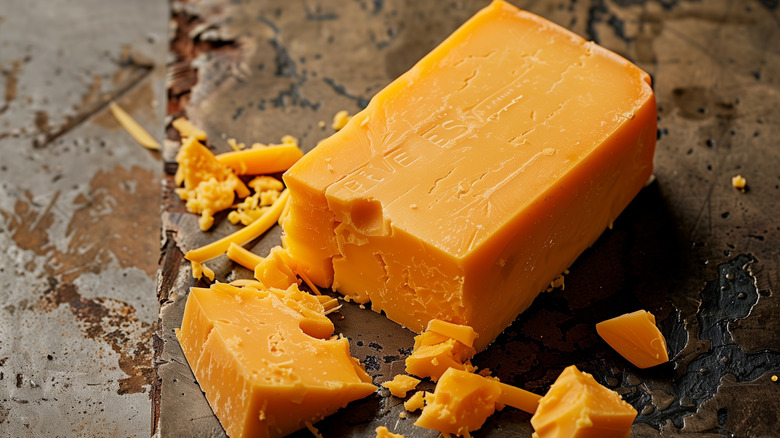
When it comes to cheese, while it would seem that any type could be used in a casserole, some simply don't melt well. As a general rule, cheeses that are ideal for melting have a high fat content, moderate moisture content, a lower pH, are rennet-set, and are unaged. Good examples of this include cheddar, fontina, and the perennial king of pizza, mozzarella.
That said, even among good melting cheeses, there are pros and cons to each that can make them more or less suitable for use in a casserole. Cheeses, like cheddar and gouda, can be found in young and aged varieties. The former will melt like a charm, while the latter may take more coaxing to render it gooey and stretchy.
To enhance its meltability, steam is the secret to success with more persnickety cheeses. This is one of the reasons many casserole recipes call for the dish to be covered with aluminum foil for the first half of the cooking process. During this time, the cheese can melt adequately while the remaining ingredients cook thoroughly. Once the foil is removed, the top of the casserole can brown to perfection.
4. Drain cooked meat before adding it
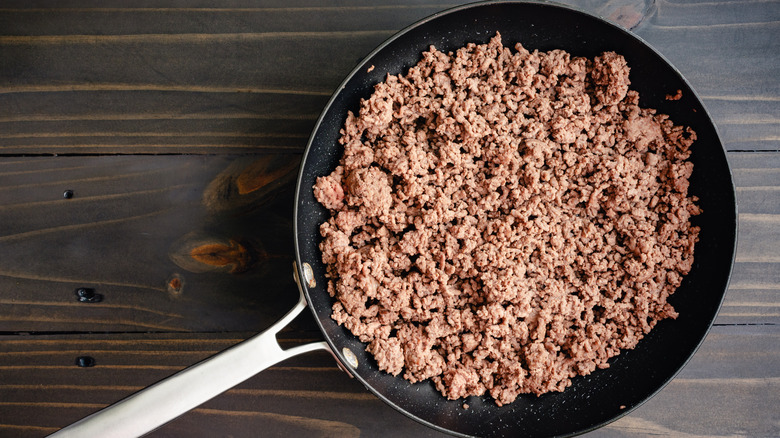
Many casserole recipes call for ground beef as the primary protein because it is cost-effective and easy to use. That said, there is a pitfall to using ground beef that can transform a casserole into a greasy, soupy catastrophe of epic proportions — not draining the meat.
While in some cases fat equals flavor, this is not one of them. If you toss cooked ground beef straight into a casserole recipe without draining off any excess fat, that fat will soak into every layer of the dish and give it an unpleasant mouthfeel. What's more, it will prevent it from holding together, making it impossible to serve.
When selecting the type of ground beef to use for a casserole, it can be helpful to opt for one with a high meat-to-fat ratio. This means that the fat content will be around 10% or less. While this meat may not be as juicy as ground beef with a higher fat content, this can be offset by the sauce components in the casserole recipe, while minimizing any excess greasiness.
5. Opt for homemade sauces over canned soup
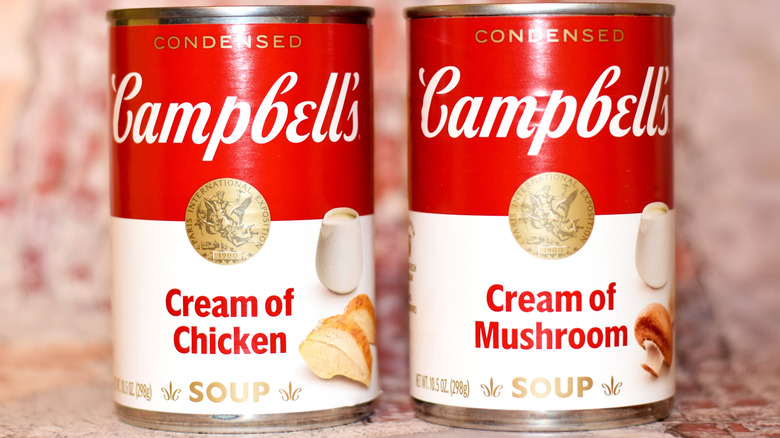
When condensed soup was invented in 1897, nobody could have predicted the degree to which these convenience foods would become integral to the proliferation of casserole recipes. Indeed, canned soup-based casseroles were all the rage in the mid-20th century and, to some degree, remain popular today, despite trends toward healthy eating.
Though canned soup is cost-effective and easy to use in a casserole recipe, it isn't always the best option for flavor, texture, or nutrition. Many canned soups are loaded with sodium and fat, contain additives and preservatives that can adversely impact mouthfeel and taste, and simply aren't all that exciting in terms of flavor.
I much prefer to take the time to create my own mushroom sauce, béchamel sauce, or cheese sauce when assembling a casserole recipe. Not only can I control the seasonings and amount of salt I add, but I can also make it the exact thickness I want, which should be just enough to bind the ingredients together, but not so dense that it makes the dish heavy or paste-like.
6. Swap breadcrumbs with cereal, crackers, and more
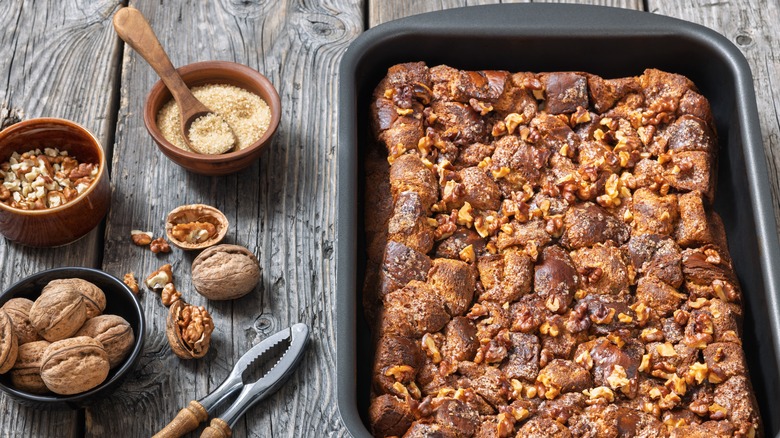
Perhaps my favorite part of a casserole is the crunchy topping that develops as it bakes, which gives the entire dish a more pleasant mouthfeel and some textural interest. This is generally achieved by coating the top of the dish with traditional or panko breadcrumbs before baking it. While breadcrumbs are a fine ingredient to use for this purpose, they can be somewhat bland and boring.
There are a number of stellar alternatives to breadcrumbs that will completely transform the taste and texture of your next casserole recipe. Among the best are chopped nuts, crushed potato chips, crumbled crackers, or even pulverized breakfast cereal. In fact, even frozen hash browns can be swapped for breadcrumbs in some recipes.
The sky's the limit in terms of what you can use as long as you keep a couple of factors in mind. Try to match the topping to the overall flavor profiles of the ingredients in the casserole recipe. That said, have some fun. In some cases, using a sweeter breakfast cereal, like Cap'n Crunch, on a savory casserole dish can create a fantastic juxtaposition of flavors.
7. Go bold or go home
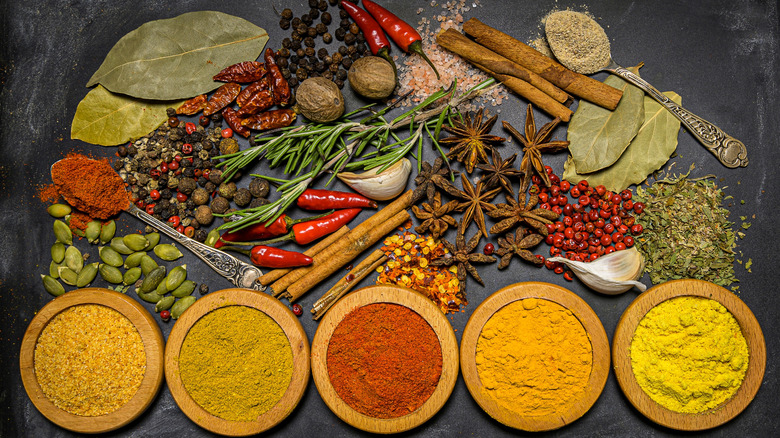
Though simplicity is one of the most enticing factors of making a one-dish recipe like a casserole, this doesn't mean that it has to lack flavor. My philosophy in the kitchen is to always go bold or go home, particularly when it comes to augmenting recipes with spices and seasonings. At the very least, I am careful to use salt to enhance the flavor of the remaining ingredients in the dish. For this, I typically use kosher salt or a flavored sea salt.
In addition to salt, I also rely on a number of spice blends and seasonings, like herbes de Provence, Cajun or Creole seasonings, and even Old Bay to augment my casserole recipes. Lastly, a key to a sophisticated casserole is to layer it with umami-rich ingredients. Some of the best umami boosting ingredients include miso paste, mushroom powder, and Worcestershire sauce. And remember to taste the components of your casserole as you assemble it, ensuring every layer is perfectly seasoned before the dish is baked.
8. Layer the casserole correctly
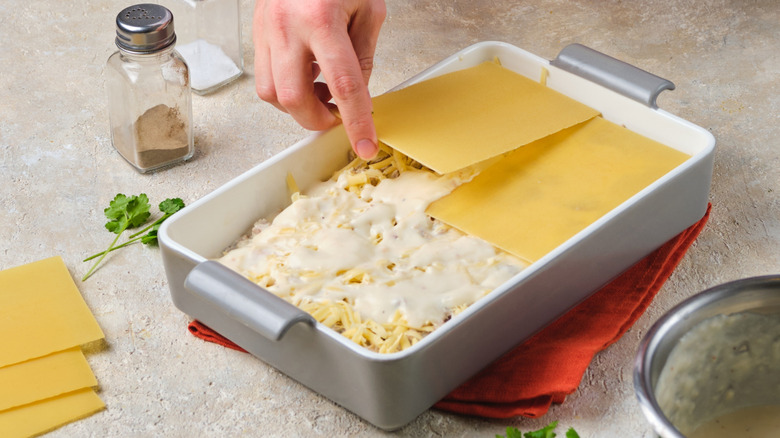
Though individual recipes may vary, there are some basic rules of thumb to follow when assembling a casserole to guarantee the final dish turns out flawlessly. Not only is it important to keep these in mind for the best flavor, but failing to layer the ingredients in a casserole correctly can result in catastrophic structural failure when you try to serve the finished dish.
As a general rule, start by greasing the base of the casserole dish before adding a small layer of sauce. Next, add the grain or starch component. Then, follow this with the meat and vegetables before adding a final layer of sauce and any toppings.
Other factors to consider when assembling a casserole include alternating the pattern of noodles to enable the sauce to permeate through them or incorporating the starch, meat, and vegetables in alternating layers. Lastly, never overload or press the ingredients into the casserole dish. This will result in a heavy, concrete-like dish, not one that is light and fluffy.
9. Assemble the casserole ahead
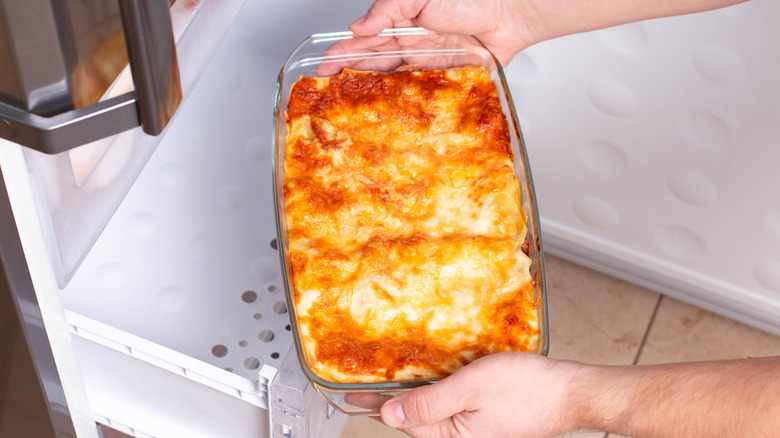
Saving time is a big part of the appeal of making a casserole, especially when entertaining or attempting to feed a large family in a jiffy. They can be put together quickly and ahead of time, allowing you to pop them in the oven at the last minute rather than having to prepare and serve them immediately. This is not only convenient, but assembling a casserole in advance actually allows for the flavors to marinate together and become integrated, which ultimately makes for a more delicious finished product.
A pre-assembled casserole can typically be made two to three days ahead of time and kept in the refrigerator, though this may vary depending on the ingredients in the casserole, some of which may be more or less perishable. To store a pre-assembled casserole in the refrigerator, cover it tightly with plastic wrap or aluminium foil. When you are ready to finish the pre-assembled casserole, remove it from the refrigerator about 30 minutes prior to cooking to ensure the entire dish bakes evenly.
10. Cook the casserole at the correct temperature
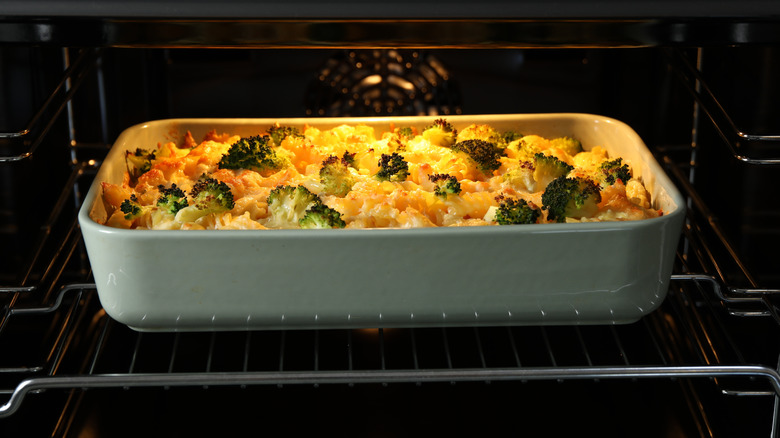
While every recipe will come with individual cooking instructions designed to prepare the dish correctly, a majority of casseroles are baked at 350 F. That said, it is crucial to not only verify the temperature recommended in the recipe, but to know your oven well. Ovens differ widely between electric, gas, and convection in terms of where the heating elements are located and how consistent the heat is throughout the unit. This can result in uneven doneness, a dry casserole, or a burnt top if you are not careful.
Additionally, it is important to check for doneness before you remove a casserole from the oven. Just because it may look done, doesn't mean it is safe to consume. Casseroles should be cooked to a safe minimum internal temperature of 165 F. The most reasonable way to check a casserole for doneness is to use a thermometer that is clean and properly calibrated. If you notice the casserole has browned on top but hasn't reached a safe minimum internal temperature, cover it with foil to finish the cooking process.
11. Rest the casserole before serving
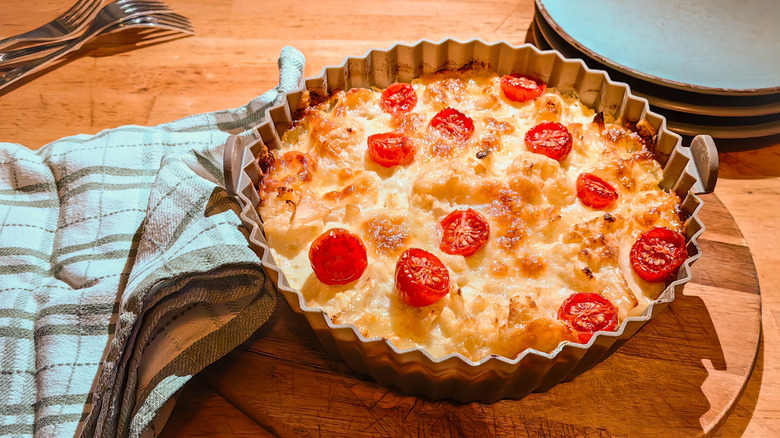
If you have ever made lasagna and tried to serve it straight out of the oven, you likely ended up with a mishmash of ingredients on a plate rather than a beautiful, layered slice. This is perhaps the best way to illustrate the importance of resting a casserole before serving it. Not only does the flavor of the casserole improve as it rests, but the starches within the dish will absorb any residual liquids and thicken, making the finished product firmer and more servable. Additionally, resting the casserole helps to homogenize the flavor of the ingredients and will prevent you from burning the roof of your mouth with hot, bubbly sauces.
The ideal amount of time for resting a casserole may depend on the recipe. That said, the average amount of time for perfect results is between 10 and 20 minutes. If you are concerned about keeping the dish hot, you can tent it with aluminum foil, though this may not be necessary. Make sure to place the casserole on a heat-safe surface to prevent the dish from shattering or from damaging the countertop.
12. Freeze the casserole
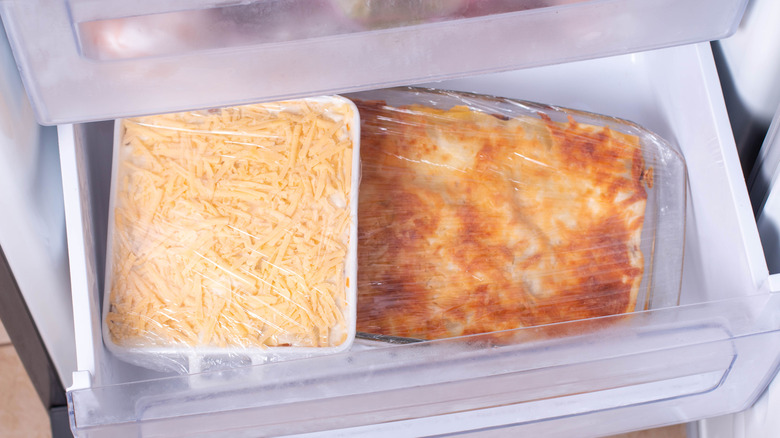
Another advantage of many casserole recipes is that they can easily be frozen and consumed at a later date, which means you can prepare them ahead for a busy holiday meal or keep them on hand for a rainy day or surprise visitors. When deciding if a casserole recipe is freezable, the primary factor to take into consideration is its moisture content. Those with a lot of wet ingredients, including dairy, eggs, certain vegetables, and mayonnaise, do not lend themselves to freezing as they have a tendency to crystallize, producing an unfavorable mouthfeel when reheated.
The best way to freeze a casserole is to cook, cool, and cover it tightly with a lid or plastic wrap and tightly crimped foil before putting it in the freezer. A casserole will keep in the freezer for three to six months. To reheat the casserole, thaw it in the refrigerator overnight before placing it into an oven and bringing it to a safe minimum internal temperature of 165 F.
13. Bake it in your slow cooker
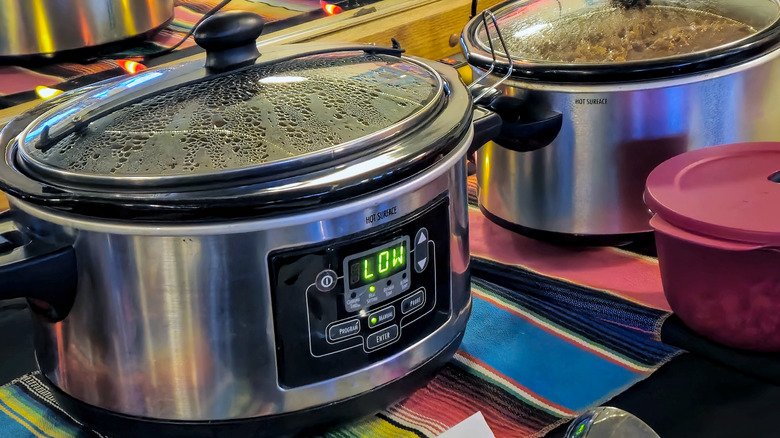
Though unconventional, preparing a casserole in a slow cooker is a functional and easy way of cooking one without having to babysit the dish. The ingredients can be layered into the unit early and set to cook all day while you work or run errands. This is also a nice alternative if you don't have an oven or have run out of oven space for a big event, like during preparations for a Thanksgiving or Christmas dinner.
While there are a number of recipes specifically designed to be made in a slow cooker, this method of cooking can be applied to many traditional casseroles. Casserole dishes that are pasta-based, require lengthier cooking times (over 1 hour), and have fewer high-moisture vegetables in them tend to work best in a slow cooker. If the original recipe called for the casserole to be baked for approximately 1 hour, this will take about 4 hours in a slow cooker set on high or 8 hours on a low setting.
14. Don't forget the condiments
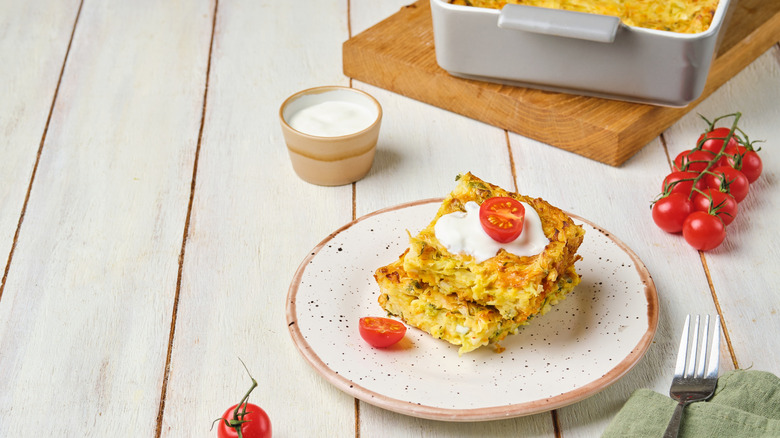
Though a casserole can certainly be served as-is without any garnishes, I find that topping it with a condiment or garnish of some kind is always a good idea. Not only do these provide a complexity of flavor, but they can also lend much-needed textural interest, especially in the case of meatless casseroles or recipes that don't involve a lot of different ingredients.
When selecting the condiment(s) or toppings of your choice, it is important to consider the primary ingredients in the casserole. Sweet casseroles may benefit from fresh fruit, preserves, chocolate sauce, or even whipped cream, while savory ones tend to pop when accompanied by umami-rich or spicy additions, like hot sauce, salsa, pesto, or ketchup.
In some cases, such as a breakfast casserole featuring sausage or bacon, a recipe may benefit equally from sweet and savory accouterments, like maple syrup and a gravy. Ultimately, the key is to consider taste and mouthfeel and how the toppings can enhance these.
15. Use the right kind of dish
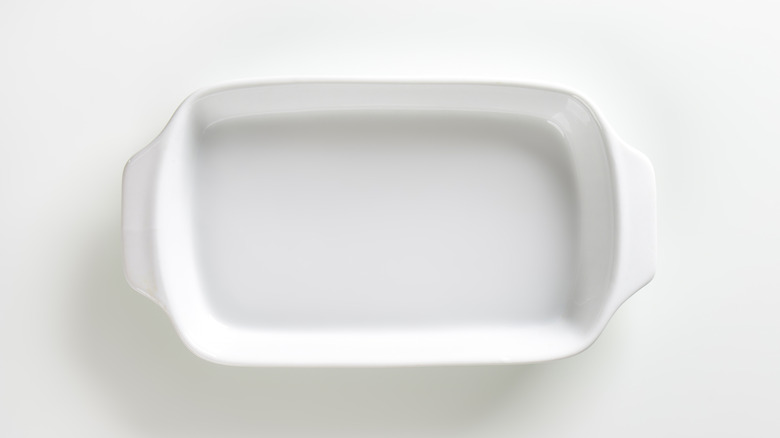
Believe it or not, using the wrong kind of dish when making a casserole can actually ruin the entire recipe. Casserole dishes come in a number of different shapes, sizes, and materials, ranging from ceramic to glass to metal. All of these are designed to be oven-safe, though not always freezer-safe, so if you plan to freeze the casserole after baking it, you may want to double-check that the dish is made for that purpose. Beyond this, most casserole recipes can be baked in any type of casserole dish with a couple of key caveats.
Perhaps the biggest mistake you can make when assembling a casserole is to put it in a dish that is too small for the amount of ingredients in the recipe. This can result in a huge mess in the oven as the recipe overflows and oozes out over the edges of the dish. On the flip side, if you use a dish that is too large, the ingredients may end up being too shallow to cook properly, which can result in a casserole that is dry and burnt. There should be just enough space at the top of the dish for the sauces to bubble without overflowing.