

The 9 Best Ways To Prepare Your Kitchen For A Storm, According To Experts
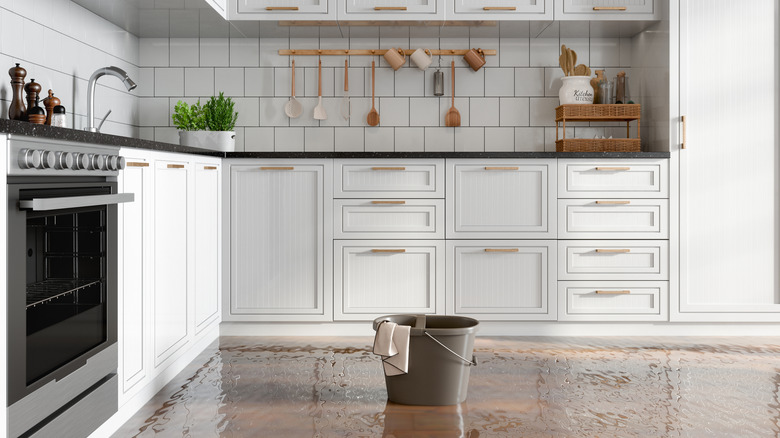
When your home is hit by a storm, facing the aftermath is more than just a headache. From broken windows and ripped-off roofs to water damage and flooding, the logistics of repairing your home can be a nightmare. Layer in the added frustrations of navigating insurance policies and general life admin, and you're looking at a lengthy, time-consuming process.
This is why it's important to plan ahead whenever possible, however, different rooms require different precautions. The kitchen, for example, has a few added complications you need to consider, including your plumbing system and appliances — both large and small. With these potential problems in mind, we chatted with a few experts to find out their top tips for preparing your kitchen for a storm. Their advice was eye-opening and worth keeping in mind, especially true if you live in an area prone to hurricanes, flooding, or heavy storms. In fact, even if you're not currently facing the threat of storm season, our experts offered items anyone can do today to ensure their kitchen is well-protected during future threats.
1. Create a broader prep checklist for your home
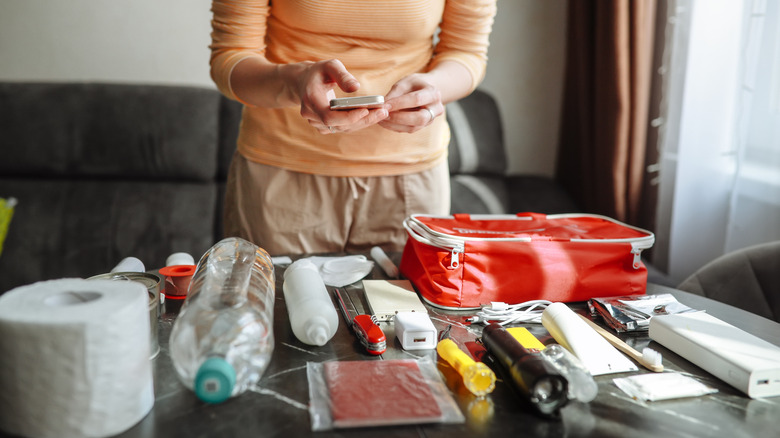
No matter the current weather forecast, Tyler Paul, Vice President of Service Operations at Oncourse Home Solutions, says now is the time to make an all-encompassing storm prep checklist for your entire home. If the kitchen is your primary concern, it's a good idea to focus your list heavily on your plumbing system. This includes clearing your gutters and downspouts, and checking your sump pump to ensure it's working properly. Both of these actions should help prevent water from backing up into your home. "Seal any leaks that could allow water intrusion," adds Paul. "[And] for the kitchen specifically, double-check that drains are clear so water doesn't back up during heavy rainfall."
Once you get to the point of actually tackling this to-do list, Gary Miller, an insurance agent for Goosehead Insurance, says it's a great time to document everything thoroughly. "Before a storm hits your area, take photos and videos of your entire kitchen," he says. "This digital inventory will be extremely useful if you need to file a claim, as it provides proof of your property's condition before any loss."
In fact, reviewing your homeowners' insurance policy is a good thing to do now, too. Make sure it's up to date, and that you know what's included. "Make sure you're aware of what your hurricane or wind and hail deductible is, and if you have coverage for additional living expenses should your kitchen become unusable," says Miller.
2. Identify possible pain points in a power outage
Different storms will, of course, bring on different threats to your home, but it's still a good idea to identify the risks and try to anticipate any potential problems you might face. For example, if a power outage is imminent, Rick Sheets, Vice President of Monitoring and Compliance at Brinks Home, says you can plan ahead by considering how this might affect your kitchen in the short term.
"Focus on food, power, and safety," says Sheets. "Stock nonperishables and water, charge power banks, and unplug small appliances to avoid surges." He also suggests installing a smart home security system now to avoid a headache later, as these are equipped to warn you of potential problems — including low batteries, sensor issues, and potential severe weather. The goal, says Sheets, is to anticipate your problems now to avoid further headaches later. "When a storm hits, your checklist is that much shorter and you're confident your home is protected," he says.
3. Stock up with the right supplies
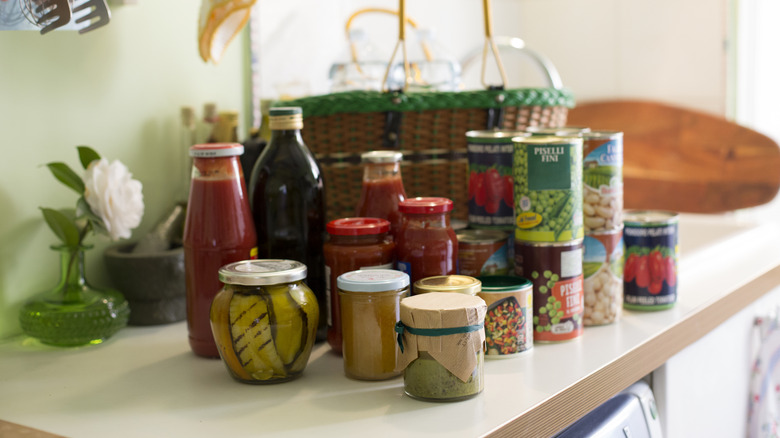
Depending on the severity of the incoming storms, you'll want to make sure your kitchen and pantry are appropriately stocked with the right food and supplies. If possible, consider starting your stockpile early and keeping it topped up and maintained throughout the year. This can help you avoid a last-minute mad rush to the grocery store when everyone else in your area might also be in a panic. "Stick to shelf-stable foods, bottled water, manual cooking tools, and backup power supplies," says Rick Sheets.
On the subject of power supplies, Sheets also suggests going easy on the candles. While the idea of waiting out a storm by candlelight might sound romantic in theory, Sheets says it's best to stick with battery-powered or rechargeable lanterns. These are both safer and more reliable than an open flame and melting wax. Similarly, don't overdo it with perishable items, either. While it's common to run out and stock up on milk ahead of a storm, Sheets warns that this, along with fresh meat, will spoil too quickly. "Instead, focus on canned goods, peanut butter, protein bars, and other long-lasting options," he explains.
4. Ensure all kitchen drains are clear and seal any leaks
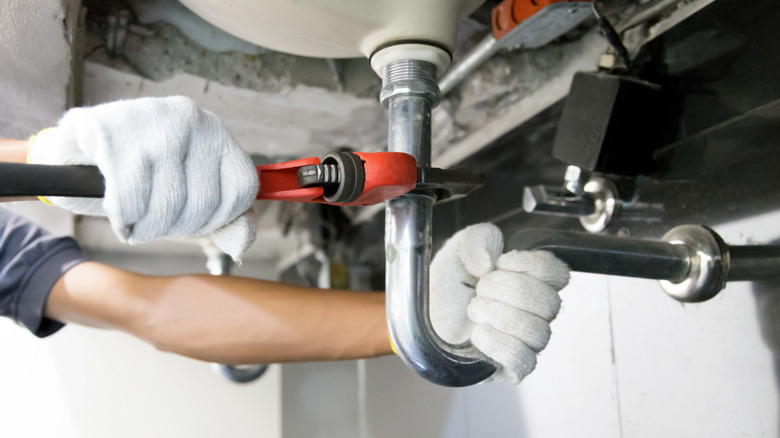
Even if you've maintained your plumbing system throughout the year, pre-storm is not the time to slack. "Even a small drip can escalate during a storm," warns Tyler Paul. This is why you should do another scan for leaks, inspect under your sink, and be sure to clear your drains before the storm approaches. A clogged drain can easily back up during heavy rainfall, leading to major damage for your kitchen.
Rick Sheets agrees, and suggests installing a monitored system that can alert you to any potential leaks during the storm. "Water intrusion and power loss are the biggest threats to a kitchen during a major storm," he says. "Flooding can damage cabinets, floors, and appliances. That's why flood sensors are so important."
Neither Sheets nor Paul are overstating the severity of this potential issue, says Gary Miller, who points out that flood damage is often not covered by a standard homeowners' policy. If you're concerned your home is at risk, consider purchasing a separate flood insurance policy pre-storm, too. "Water damage is the most common cause of damage to a kitchen during a major storm," says Miller. "It can come from a roof leak due to high winds damaging shingles, wind-driven rain getting through window seals, or, more severely, flooding."
5. Protect your appliances against surges
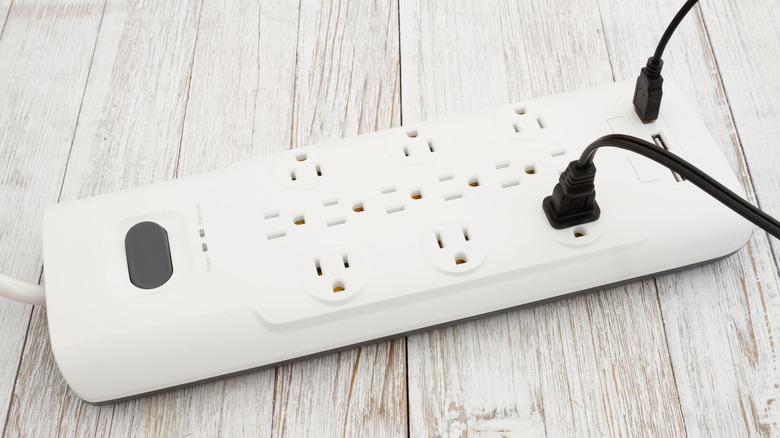
Along with flood damage, power surges are another major risk factor of a storm — especially for your kitchen. "When the power flickers or returns after an outage, it can send a surge of electricity through your home's wiring, [affecting] any sensitive electronics like smart refrigerators, microwaves, and ovens," explains Gary Miller.
To prepare for this possibility, Miller suggests turning your fridge and freezer to their coldest settings ahead of the storm. This should help keep your food preserved longer if the power does, in fact, go out. "Also consider having coolers ready to store essential items," he adds.
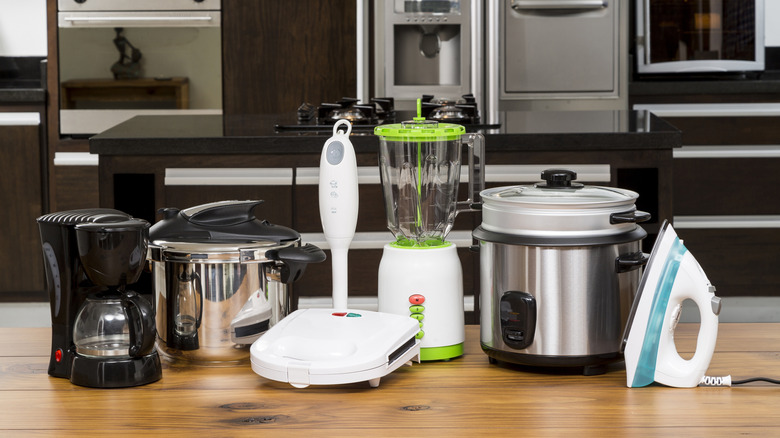
Rick Sheets agrees, and advises people to protect their appliances with surge protectors. You might also consider buying a generator or solar backup to power your fridge. "For non-essential appliances like blenders or toasters, unplugging them before the storm is the best safeguard," says Sheets, who notes that these surges can both damage your appliances and create a potential fire hazard — so it's best to play it safe. "If lightning strikes near your home or if the power keeps cycling on and off, this can create a voltage spike that can permanently destroy these electronics," adds Miller.
6. Clear all surfaces and secure your items

As the storm gets closer to your home, Gary Miller says you'll want to secure your space and the items in your kitchen. This is especially if you live in a high-rise building or an area prone to earthquakes. In both cases, you might want to stock up on any necessary supplies well in advance, such as child-proof latches for cabinets. "[This will] prevent them from flying open and spilling their contents," says Miller.
But you don't necessarily need anything extra. Instead, focus on clearing your kitchen of any extra clutter and removing anything from the area that isn't needed at the moment. The goal is to rid your kitchen of anything that can get jostled should the house get rattled. "Make sure to clear countertops from small appliances like toasters and blenders, knife blocks, and decorative items, which can become projectiles if a window breaks," says Miller.
7. Shutter windows with the right materials
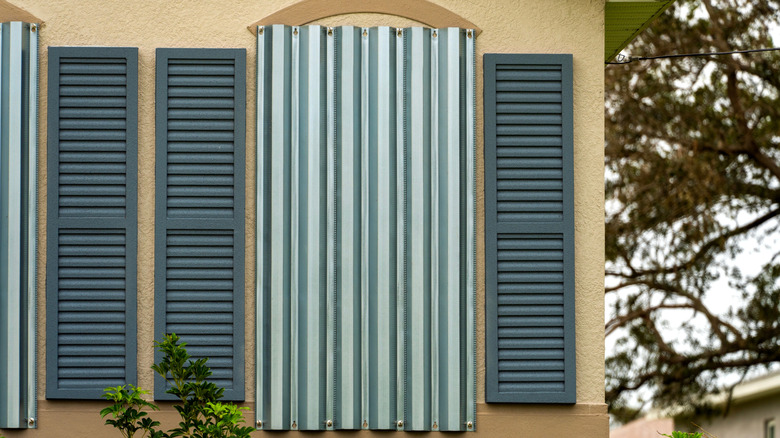
Windows can be one of the most dangerous elements of your home during a storm. "If a window in or near the kitchen is broken by flying debris, it exposes the entire room to severe wind and rain, and can cause even more damage very quickly," says Gary Miller.
However, they also need to be sealed properly in order to effectively secure your space. Rick Sheets says your best bet is to install hurricane shutters, but if you don't have time to do this, you can also use properly cut plywood. Whatever you do, though, do not tape your windows. "It won't stop glass from shattering and may create more dangerous shards," says Sheets.
Along with installing shutters or plywood, Sheets suggests closing your curtains or blinds and investing in a security system that has glass-break sensors. "[This can] detect broken windows, giving you instant alerts if a breach happens during severe weather," says Sheets.
8. Locate your water supply's shut-off valve
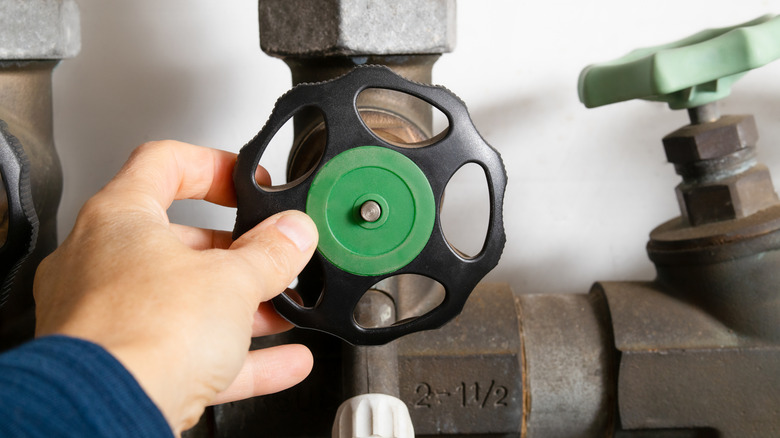
There are so many reasons you should know the location of your shut-off valve ahead of a storm. This is imperative if you're making advanced plans to travel away from your home during a storm, but it's also necessary to know if you need to evacuate at the last minute or are facing a sudden water emergency during the storm. "Turning off the main water supply can prevent major damage if pipes are compromised," says Tyler Paul.
Gary Miller agrees, noting that it's not just plumbing issues, drain problems, or pipe leaks that can cause water damage that might require you to use the shut-off valve. Your appliances can create a risk during a storm, too. "Appliances with a water line, like a refrigerator with an ice maker or a dishwasher, run the risk of a pipe bursting if there's structural damage," he says. If this happens, you'll want to have quick, easy access to your shut-off valve.
9. Run annual system checks in the off-season
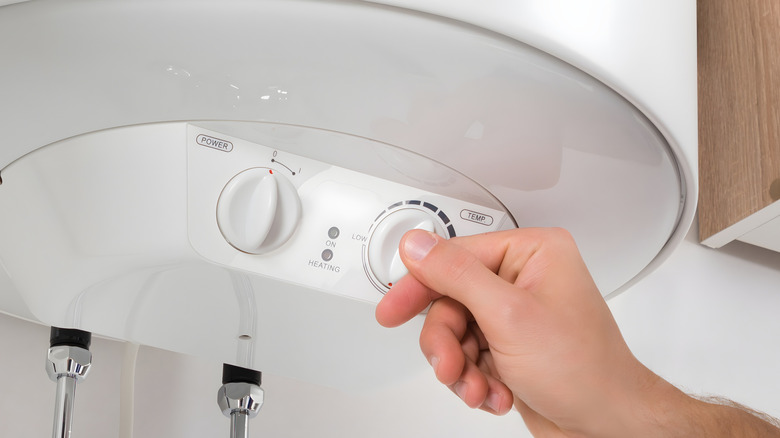
When's the last time you gave your water heater a maintenance check? If it's been more than a year, Tyler Paul says you should assess it now — and then make a point of doing it annually moving forward. "A yearly flush, anode rod check, and inspection for rust or leaks improve efficiency and help prevent storm-related failures," says Paul.
Rick Sheets agrees, and says your home's overall security system should be a supportive way to protect your home — and particularly your kitchen — during a storm. If you don't have a smart system currently installed, the off-season is a great time to look into it. "With remote access to security cameras and smart locks, you can monitor your property and grant access to emergency responders, providing an added layer of peace of mind when a storm hits," he says. Setting these precautions now will only give you peace of mind in the future and, as Sheets points out, help you stay protected and connected during unpredictable weather and hopefully evade disaster.