

9 Ways Fast Food Restaurants Might Be Deceiving You
Fast food used to be the most affordable option for a quick meal; dollar menus reigned supreme and you could feed the whole family conveniently and without breaking the bank. Nowadays, popular brands like McDonald's, Popeyes, or Taco Bell have morphed into something else entirely. Celebrity meals, social media trends, and creatively adapted menus around the world have elevated fast food chains to a seemingly invincible status where prices soar with little to no accountability. Many people find that they can eat at a sit-down restaurant with much higher quality foods for the same price as taking the family out for fast food. High prices, up-charges, shrinkflation, and questionable ingredients are letting down customers who find themselves missing the old days.
While many people are die-hard fans of the salty processed foods served up in colorful wrapping, and are willing to overlook many shortcomings in favor of enjoying their nostalgic meal, there are several reasons to second guess your greasy burger or marked-up salad in favor of healthier, and more affordable options. As portions shrink before the customer's eyes, you may be wondering how, exactly, fast food restaurants are deceiving you — we've done the research and laid it all out.
1. Prices are way higher than they need to be
The days of $0.99 menus and fast food as an affordable option are long gone. Prices are constantly on the rise and value menus pose less and less real value. Inflation is constantly to blame for price-hikes, but how much of your favorite fast food restaurant's price increases are actually in line with inflation rates? Turns out, none at all. According to The Guardian, inflation may have initially led to an increase in costs and therefore an increase in prices, but when inflation and the costs of goods falls the prices remain high permanently. Chains conveniently use inflation as an excuse to maximize profits at the expense of the customer.
A chart published by Crew Bank using information from Finance Buzz illustrates just how drastic the price hikes are, with McDonald's being the worst of the culprits when it comes to raising prices way above inflation rates. CEOs of fast food restaurants rake in massive pay packages while pointing fingers at outside factors to justify high prices. It's easy to justify paying a little more for your go-to order at Wendy's or Dairy Queen when you know that inflation is making just about everything more expensive, but fast food restaurants have reached a level of prices being deceptively high, where the consumer is being looted in favor of corporate profits.
2. You're not getting the food you think you are
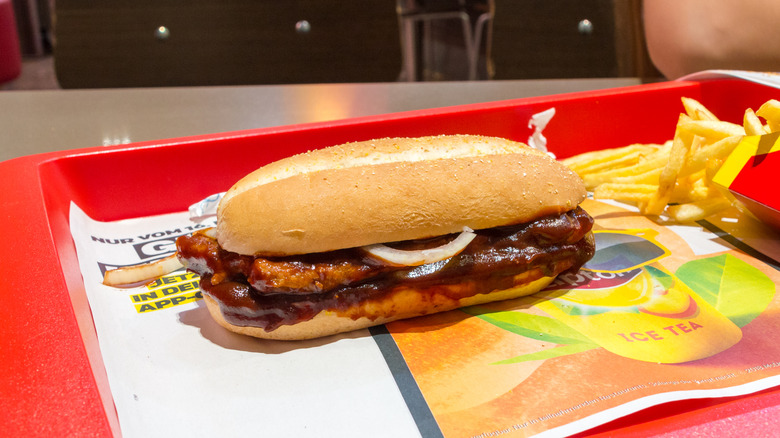
In the post "Super Size Me" world, there aren't many people who would be surprised to learn that fast food's ingredients are questionable — at best. You may have noticed that McDonald's McRib is utterly boneless, and much more patty-like than rib-like. Similar to the Chicken Nugget, the McRib is really a ground-pork patty that may or may not be made from actual rib meat.
The name of the game in fast food is advertising products that sound appealing but are deceptively prepared with the cheapest ingredients possible. Oftentimes, this means using massive amounts of cheap and sometimes unhealthy fillers like soy, cellulose, and carrageenan to lower the cost of meats. Taco Bell's beef, for example, is about 88% beef after counting all the additives and seasonings. This information was only disclosed once the brand was threatened with a lawsuit, according to NPR, although it has since removed the list of ingredients from the website.
Some of the ingredients used in fast food are so bad for you they're illegal in other countries, such as potassium bromate, a filler that's often used to make bread white, Iight, and fluffy, but has been linked to thyroid and kidney cancers in mice. Subway's bread has so much sugar in it that in Ireland it's not even classified as bread, and is considered to be closer to a cake. For a company whose motto is "Eat Fresh" and postures as being a healthy-eating option, these tactics are a bit misleading.
3. They up-charge for small add-ons
Some fast food sandwiches may seem affordable at first, but it only takes a few small add-ones to double the cost of your burger and leave you feeling like you've been ripped off. Take the Burger King Whopper, for example — with lettuce, tomato, onion, ketchup, and mustard, it seems only right that this burger would come with cheese, but that will cost you $0.50 extra. Despite the inconvenience, Burger King is hardly the worst culprit. At some McDonald's locations you'll pay $1.54 just for one single slice of American cheese, which is especially appalling considering you can get a pack of 16 slices from Safeway for $4.99, or $0.30 a slice.
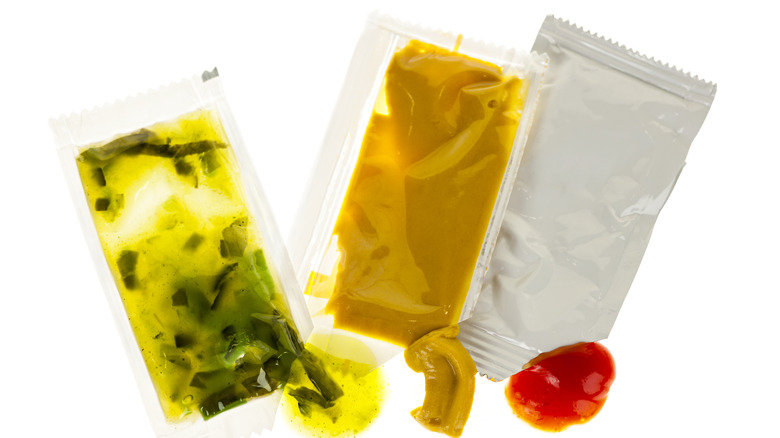
Some fast food locations have recently started charging for extra dipping sauces and packets. Napkin dispensers are removed from dining areas and only provided upon request, and if you want croutons with your salad or granola with your parfait you may have to go out of your way to ask for it, depending on the location. In general, it seems these corporate chains are doing everything they can to pinch pennies and maximize profits, which often means charging you extra for any small add-ons.
4. They charge you more for healthy foods
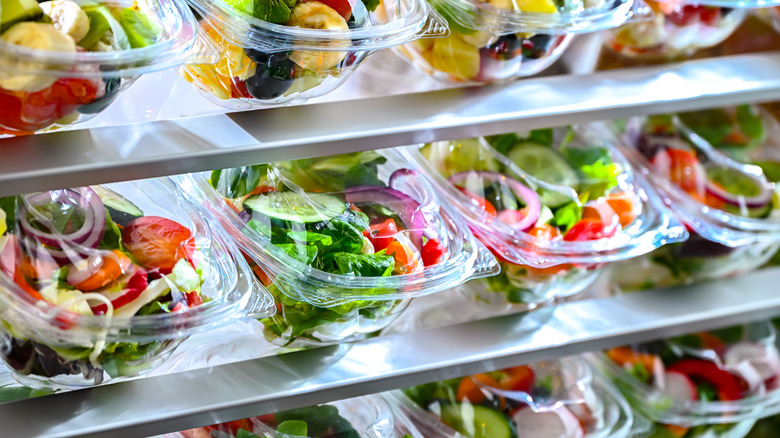
Eating healthy when you don't have a lot of time can be a major challenge, and many fast food restaurants advertise healthier options like salads, wraps, and parfaits that are convenient and can save you time. The ingredients used for these products are super simple and, if you were to buy them from a grocery store, pretty affordable. But purchasing them from a fast food place will lead to jacked up prices and ingredients that may not be as healthy as you think.
Take the Chick-fil-A yogurt parfait, for example. Prices vary by location, but at many California locations, this will run you $5.89 for about a cup and a half of yogurt. For that price, you could buy an entire 32-ounce tub of yogurt from the grocery store, which is arguably just as convenient as purchasing the fast food option.
Many fast food locations also offer salads for those who are trying to eat healthier. Perhaps what you wouldn't expect of a salad is that in many cases it can have more calories than a Big Mac. Dressings that are loaded with oils and sugar can make the calorie content of your salad skyrocket, while the serving sizes they come in rarely justify the marked-up prices. Now, the nutritional benefits of eating leafy greens over a burger may outweigh the dilemmas of high calorie content and expense, although one thing's for sure: You can make much healthier and more affordable foods at home.
5. Combos aren't really a deal
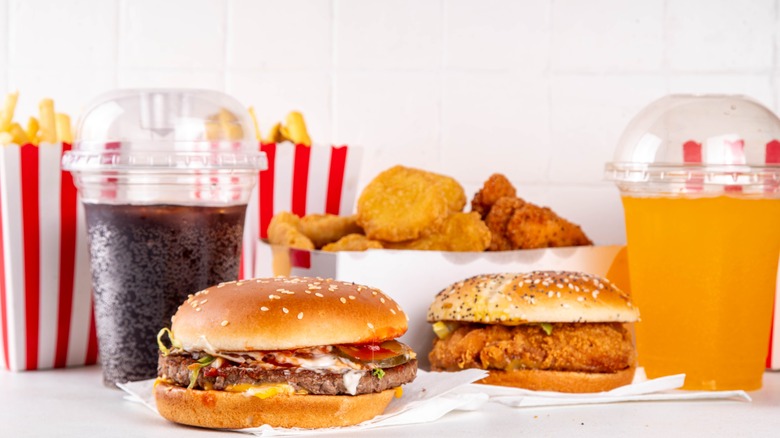
If you're looking to get a meal on a budget, advertised combos can seem like a great route to take — after all, it is more food for less money. But "the house always wins" seems to apply just as much to fast food as it does to casinos.
French fries and sodas are super low on food cost. When you think about it, a medium fry is probably less than a single potato, but most fast food restaurants will charge about $4 for it. The food cost on a cup of soda (not including the cup itself) is about $0.04. Every restaurant has to have a few things with big profit margins to help cover costs of operation, but with fast food it seems to be more and more that everything is designed to maximize profits at the expense of the consumer.
Most combo deals incentivize the purchase of a burger or sandwich by including a fry and drink. For example, a 10 piece nugget meal that includes a fry and drink costs about $12.19 (depending on the location). If you were to purchase all these ingredients separately the total cost would be $13.77. The price difference ($1.58) isn't even the cost of a medium drink ($2.59), which begs the question — is it even that good of a deal? Unless you really want a fry and drink with your food, you'd be better off just ordering the 10 piece nugget for $7.19 and saving your money.
6. Psychological pricing is designed to trick you
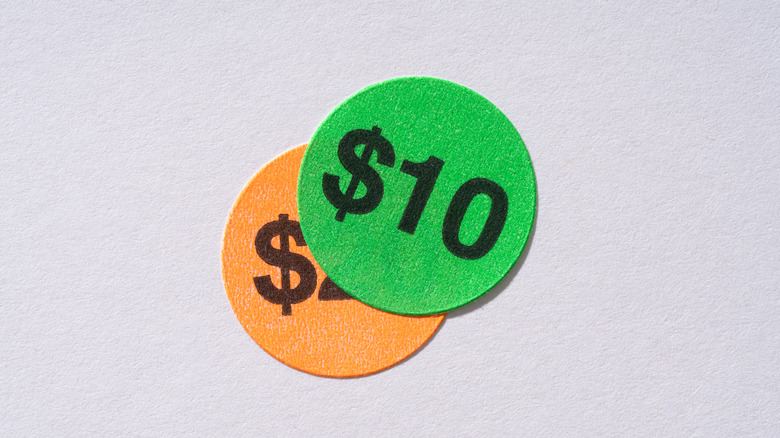
Have you ever wondered why prices are rarely straightforward numbers, and always include a 99-cents or odd number at the end? This is called psychological or "charm" pricing, and is designed strategically to entice you into making purchases with the mindset that it's affordable.
Examples of charm pricing include pricing items as $4.95 instead of $5.00 to make it seem cheaper, or displaying prices as $4 rather than $4.00 to appear smaller. Psychological pricing can also include "bundle pricing" where companies bundle several products together (such as a combo or value menu) that really saves you very little but presents appealingly to the customer.
Celebrity meals and limited-time offers are another tactic companies use to create a sense of urgency with customers who will rush to try new products that are only offered for restricted timeframes. You may even pay more for these kinds of meals than you typically would, since many customers are likely to overlook the up-charge in favor of partaking in a trend.
7. They raise prices while simultaneously shrinking portions
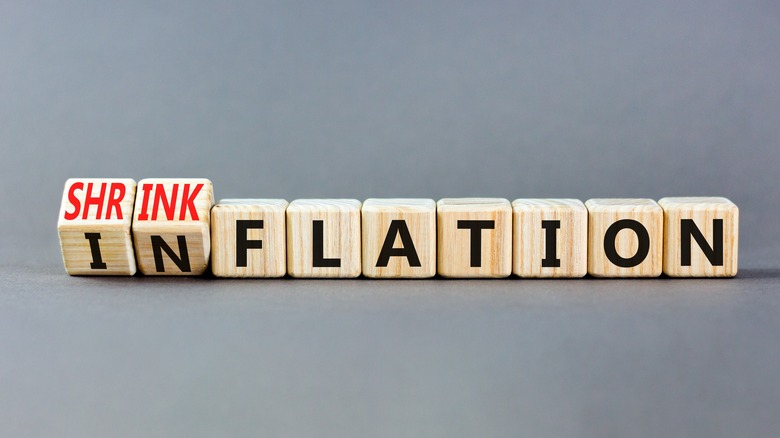
The concept of raising prices while shrinking portion sizes has become so rampant in the fast food industry that it's been dubbed with a catchy term: "shrinflation," or "skimpflation." Were companies battling the effects of inflation, you would think that either they would decrease portion sizes or increase prices, but instead they've done both.
With Chipotle, especially, this has become quite a scandal. Even the CEO admitted, after pressure from social media users, that sizes can vary quite a bit from location to location. The sub-Reddit r/Chipotle has been active with customer and employee complaints in regards to portion sizes, with one user explaining that the problem starts with "throughput goals" that reward managers who are able to serve a multitude of meals within small time frames. Encouraging speed rarely helps with accuracy, and appropriate portion sizes seem to be falling through the cracks. In to-go and delivery orders, especially, where you can't watch the employees creating your food, portions might be slimmed-down. This problem has gotten bad enough that some individuals have taken to designing websites where you can report and find the locations that are less likely to under-serve you.
Whether or not portion-sizes have improved since the backlash still remains to be seen. The CEO has said that the company is working to address the problem and that it's largely improved, while many Reddit users still complain of small portions. Perhaps using the location tracker is the way to go.
8. Advertisements look nothing like the real deal
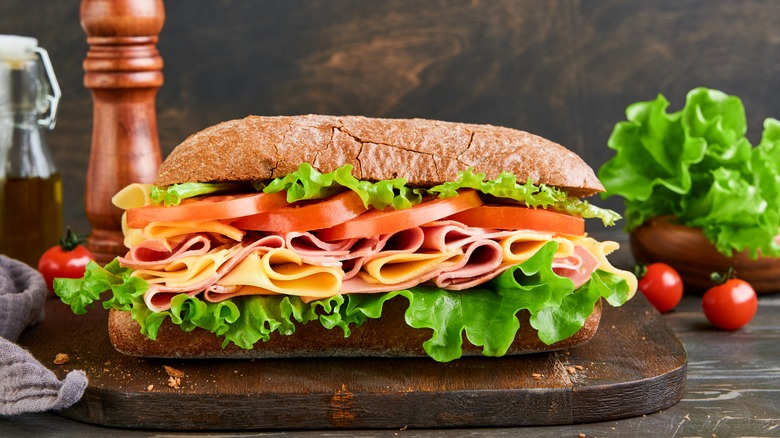
Advertising is a long-running method companies use to attract customers to their business. Most people are aware, at this point, that the burger you'll get — flattened and squished into its paper wrapping — will probably look nothing like the photo. Still, it's hard to not be disappointed at the expectation versus reality. One Reddit user shared a photo of the ad for foot long nachos from Subway versus the depressingly slim version of what they actually received.
Anther Subway customer has even moved to sue the chain over what she claims is false advertising, as published by CBS. Photos of Subway sandwiches show attractive portions of meat, cheese, and other toppings, like the photo depicting one of Subway's worst sandwiches according to a Chowhound taste test. The sandwich you actually get is a whole other story. Portion sizes are way smaller, condiments are overwhelming, and the manicured look is just not there.
There are all sorts of tricks food photographers and stylists use to get the perfect shot. In an article by The Guardian, Kim Krejca describes using WD-40 and dyes to give taco meat an attractive sheen. Sponges are placed in the back of the shell to prop them open, and the two tortillas are even glued together. The next time you see an ad featuring mouth-watering photos and massive portions, maybe stop to think realistically about what you're paying for versus what you'll probably get.
9. Loyalty programs rope you in
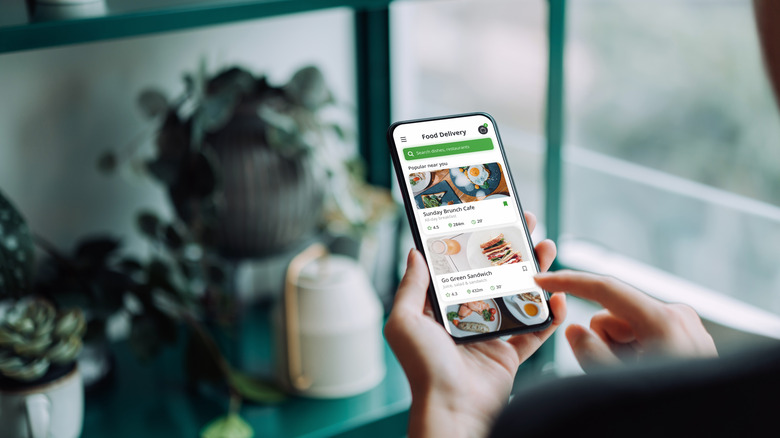
More and more fast food brands are crafting apps and loyalty programs and encouraging customers to use them. Here's the catch: Loyalty programs are designed to create brand loyalty, and incentivize customers who aren't already regulars to become regulars. Most brands figure that if they can make you feel like you're saving money with their app, then you'll ignore their competitors and come to them more often.
There's nothing innately wrong about this, so much as it's good to know before you get roped in. If you're already a regular at Starbucks, McDonald's, or another fast food chain that has a reputable loyalty program, then using the app is a great way to order ahead and save time waiting in line, accrue points on the money you spend, and take advantage of the deals of the day. If you're not already a regular at a particular chain, maybe take a few minutes to consider which location and app is best for you, as once you start racking up those points you'll be prone to sticking with them to get the best deals.