

10 Grocery Shopping Secrets Chefs Swear By To Stretch Every Dollar

The average American's grocery budget has become tighter and tighter in recent years. Fewer items go in the shopping cart, and yet the bill keeps coming out even bigger. With everyday expenses steadily on the rise, many people are searching for ways to save on their grocery bill and make their paychecks stretch for substantial meals.
There are several reasons food costs continue to rise — inflation, supply chain disruptions like disease and drought, newly implemented tariffs, and even mass-deportations have been linked to economic difficulties, especially in regard to food prices. An investigation conducted by The Guardian and Food and Water Watch found that every step of our food industry — from agriculture to production to grocery stores — is controlled by just a handful of major firms, resulting in very limited opportunities for a competitive market, and a whole lot of room for corporate profit at the expense of the consumer.
Staring down the prices at the grocery store and everything that goes into inflating them may seem grim, but don't let that get you down — there are several tips and tricks you can use to shrink the bill. Take it from a chef: Inflation and the ever-increasing cost of living are not the fault of the consumer, but you can still find and make food that's healthy, fulfilling, and brings joy and sustenance to your life.
1. Avoid big chains
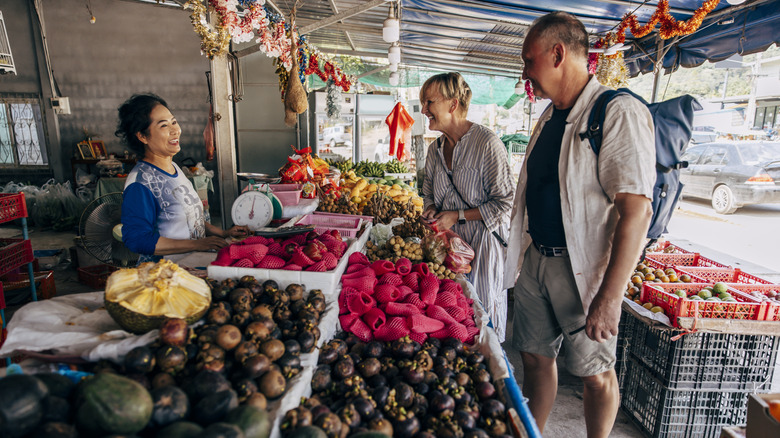
The first step to saving on your groceries is simple: Shop at the stores that charge the lowest prices. Since the start of the COVID-19 pandemic, many big-name grocery stores have used inflation as an excuse to raise their prices exorbitantly high in order to increase profits, according to a study by the Federal Trade Commission. Kroger and its affiliated stores, for example, were investigated by Consumer Reports Price Checks, which found that many locations were guilty of charging above the listed price on tags.
Sometimes the more expensive or overpriced grocery stores are, unfortunately, the most convenient options, but taking a bit of extra time to shop where the prices are most reasonable is the best way to save money on food. Aldi, the cheapest grocery store in America, or discount grocers like Grocery Outlet and even Trader Joe's are a great place to start. Asian, Mexican, and specialty grocers can also offer great discounts compared to conglomerate chains. For example, a two-pound bag of Jasmine rice from Safeway costs about 14 cents an ounce, but you can get a 25-pound bag of Jasmine rice from H-Mart for just eight cents an ounce. Prices that may seem like a small difference at first will add up in the long run just by choosing a more economical place to shop.
2. Pick up off-brand items
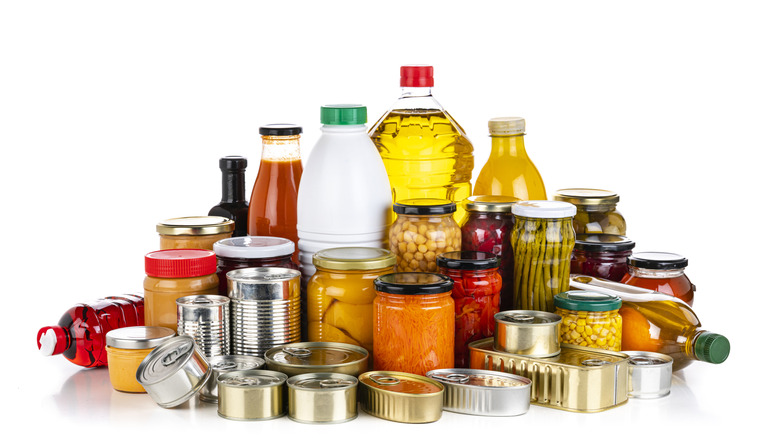
One need only head to the cereal aisle of the local grocery store and compare name-brand and off-brand boxes to understand how much money you can save by ditching brand-loyalty. Kellogg's Corn Flakes are more than twice the cost of Signature Select off-brand corn flakes, for what is essentially the same product. Cereals are just the beginning; everything from cooking oils to canned goods, coffee, and chocolate chips have options ranging from super marked-up name-brands to much more budget friendly options that may not have such pretty packaging.
Why is this? Big name-brands have huge marketing budgets that design advertisements and bright packaging to make their brand more appealing to you. The marketing works, and makes people think that whatever's inside must be better than the less attractive, plainer product sitting next to it. But more often than not, the actual food behind the packaging is rarely different at all. Many generic products are just as good as the most popular brands, and will save you money to choose them instead.
3. Buy dry
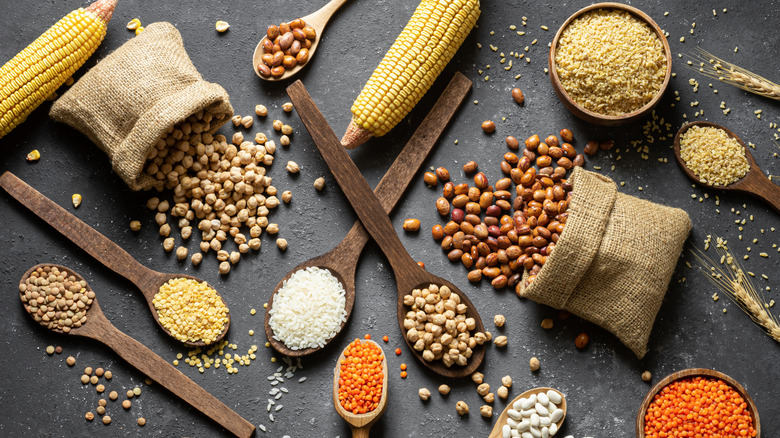
If you're looking to make affordable meals (that can also be very healthy) the best thing you can do is buy grains, starches, and legumes in bulk bags that will last you ages. It may take some searching to find a bag of rice, beans, or lentils over the typical five pound ones you see at most grocery stores, but if you do, you'll save money in the long run as the price-per-ounce is lower in bulk products.
Having a well-stocked pantry is a great way to save money while still eating healthy. Legumes like lentils are high in protein and fiber, keep well, and taste delicious when used in soups and stews. Rice is super versatile and can be used in a plethora of dishes, and having a good supply of flour on hand will always come in handy for quick breads, muffins, pancakes, and cookies.
Using canned beans, lentils, or instant rice is convenient in the sense that you don't have to plan ahead to use them, but purchasing dry instead of canned will save you money and make your meals go further. The best way to make use of your dried products is to plan ahead by meal-prepping. If you don't have an easy way to quickly cook your dried products like a rice cooker, you can easily prepare your white rice on the stovetop, and most beans can be cooked in a slow cooker (just not kidney beans, which need to be boiled first to remove toxins).
4. Join a community garden
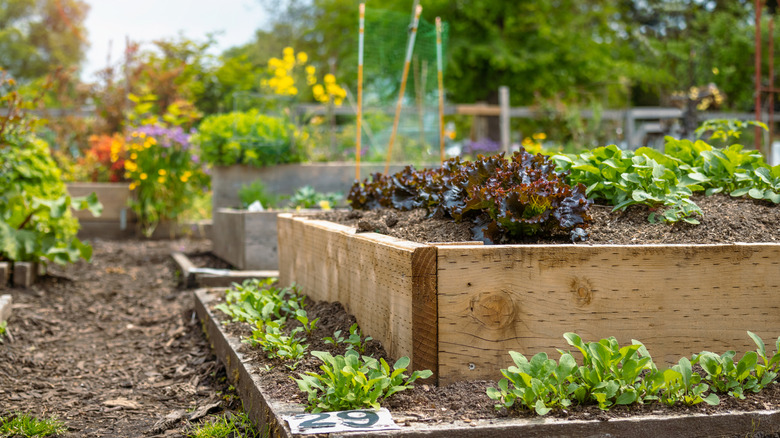
Fruits and veggies can add up quickly in the shopping cart and seem a bit frivolous when you think about the minimal calories you get out of them, but keeping a colorful array of produce on hand is good for your diet and the overall flavor of what you cook at home. If you live in a city, the easiest way to keep fresh, seasonal produce in your life is to join a community garden — and if there aren't any community gardens nearby, perhaps this is your sign to start one. Community gardens are a beautiful way for people to share in the labor and rewards of growing their own food. If you don't have the space or the knowledge to start your own garden, being a part of a community where everyone pitches in with what they have is the perfect solution.
Beyond the beauty of getting great produce for little to no cost (some community gardens will charge a membership fee, while others will have you sign up for maintenance shifts), gardening with your neighbors is a great way to build social bonds, get outside, learn something new, and relax your mind, according to a study published in The National Library of Medicine. In some cases, your local community garden may be accessible to seniors, students, or low-income residents at discounted rates, adding to the overall idea that leaning on community is a regenerative response to the high cost of basic necessities.
5. Eat more vegetarian meals
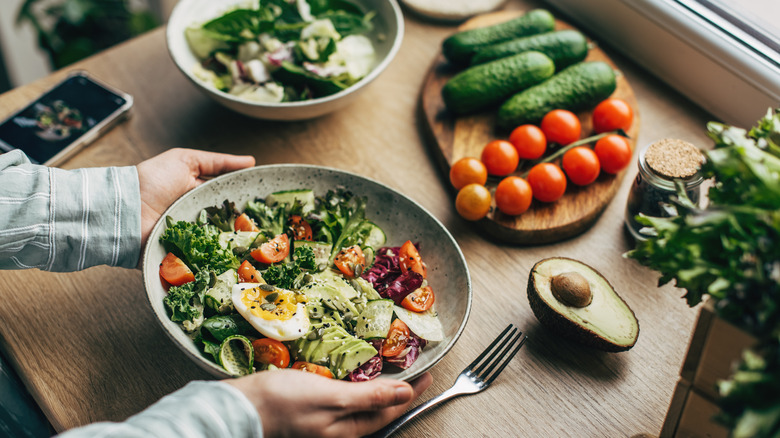
Back in the day, you used to be able to find inexpensive cuts of meat like beef short ribs, tongue, or beef chuck that were delicious to eat and not too hard on the wallet. Alas, those days seem to be over as the cost of beef reaches an all-time high. Buying any kind of meat right now just isn't budget-friendly — especially if it comes pre-cut, cleaned, and packaged.
An easy way to save money on the ever-rising grocery bill is to avoid buying meat. This doesn't mean you have to be a sworn-in vegetarian, but replacing steak with beans, lentils, chickpeas, quinoa, and other protein-rich plant-based foods will save money and can be good for your health.
If you do want to include meat in your meals, there are a few tricks to make it cheaper. First, head to your local butcher's shop and compare prices with big-name grocers — you're likely to find some cuts or scraps that are more affordable. Second, consider buying whole chickens rather than just breasts or thighs and breaking these down yourself. You'll spend less money per ounce, and can use the carcass to make delicious roasted bone broth. If you're feeling ambitious (and you have the freezer space), you could even buy a half or whole animal from a local farmer and save all the cuts for everyday use. It may be a higher up-front cost, but you'll save money in the long run by eliminating the grocery-store middleman.
6. Avoid pre-packaged foods
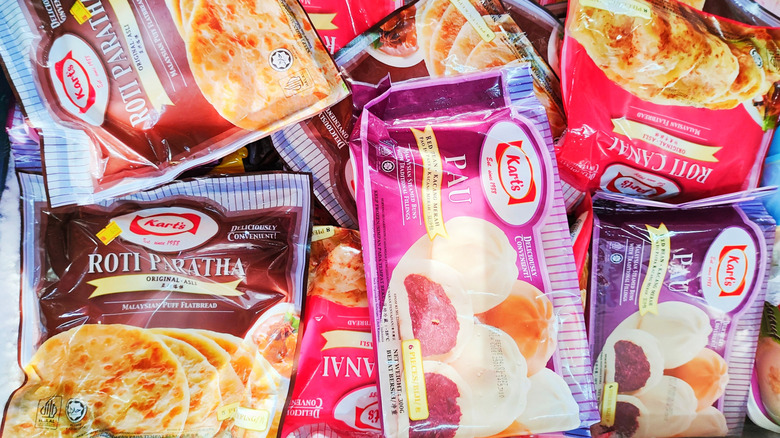
Time is the essential ingredient for saving money on food. Pre-packaged snacks, frozen dinners, and ready-to-eat meals are all very convenient — but they'll make your spending skyrocket. The bottom line when it comes to balancing your food budget is to do a little more work to save yourself some money. Need cheese? Buy a big block rather than the pre-sliced, shredded, or conveniently packaged snack options. Making mashed potatoes? A big bag of potatoes will get you a lot further than buying a pre-made mix.
The same goes for the snacks and sweets department — the day of the 99-cent candy bar is long gone, and popular sweets and snacks, although sometimes made with cheaper ingredients, will take you on a run for your money. Buying bulk baking supplies like flour and sugar can open the door to limitless options for whipping up sweet treats at home: You can make cookies, fresh bread, cakes, muffins, and anything else your heart desires.
Life can get busy, but taking the time to make your own food is something you won't regret. Not only will it save money and encourage a healthier diet, a study published in The National Library of Medicine found that cooking and baking with loved ones can also strengthen the emotional connection and bonds of your family.
7. Make your drinks at home

At this point, it's a cliche to tell young people to save money by making their coffee at home — but, unfortunately, it is one that's quite true. You may not be able to buy a house with the money you save on Starbucks, but it will help put some slack back in your budget. Coffee, tea, kombucha, cocktails, beer and wine, soda, and juice are all products that can be made at home for relatively low prices, but when purchased out at a coffee shop, bar, or restaurant become exorbitantly more expensive. After all, when you purchase these things in an establishment, included in the price is the cost of rent, labor, and the cup it comes in.
These beverages are hard to let go — it's nice to have a little treat on your way to work or to brighten up the experience of running errands. But if you're finding it difficult to make ends meet come dinner time, it's just one of those things that's better to cut back on.
Just like most food products, drink ingredients are cheaper to buy in bulk. If you're an avid coffee or tea drinker, look for big bags that will last you months brewing at home. You can always liven up the experience by getting creative with making your own simple syrups and using them to infuse your favorite drinks with the flavor of the day.
8. Grow your own herbs
Herbs aren't absolutely necessary to cooking, but if you want to make food that is bright, flavorful, and worth the time and effort, they are a nice thing to have on hand. Buying herbs in the grocery store is painful — you may spend the same amount on half an ounce of fresh mint (that will turn brown in two days) as you do on an entire loaf of bread.
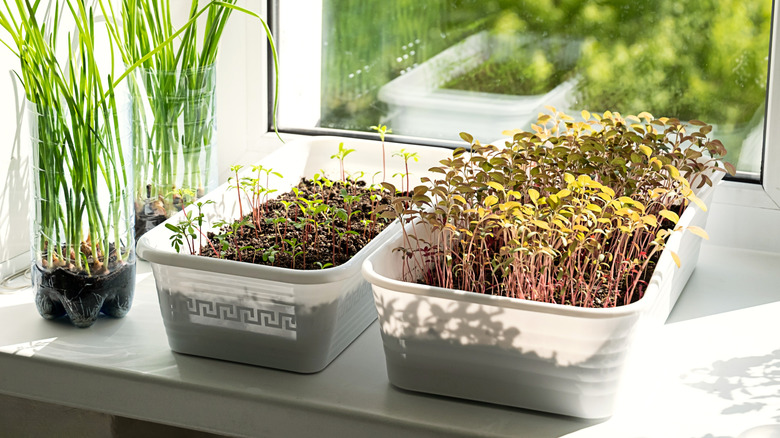
Thankfully, there's an easy solution for the home cook who wants to keep their food flavorful without breaking the budget: Growing your own herbs. One easy hack is to save the white roots of green onions you've used and immerse them in a cup of water, where over time they'll regrow into re-usable green onions.
Oftentimes, grocery stores will sell small basil or mint plants in the produce section for almost the same price as those pre-picked leaves in a plastic container. If you can't find them at a grocery store, check out your local plant nursery and see what you can find. Many herbs like basil, mint, thyme, lemon balm, rosemary, and oregano are super easy to care for. You can plant them in a garden outside or conveniently keep them in small pots in your kitchen. With regular watering, they will continually thrive and regrow, always available when you need them to brighten up a dish.
9. Look for the discount rack when you shop

Hidden away in the back corners and dusky crevices of many grocery stores is the hallowed discount rack. Oftentimes rendered utterly unappealing when it's piled high with dented cans, damaged boxes, and day-old bread, it's an underrated stop on any grocery trip that begs you not to judge a book by its cover.
The discount shelf can be hit or miss: Sometimes you'll hit the jackpot on boxes of cookies that have just passed the sell-by date and are marked down more than half off, or perfectly good canned foods with damaged wrappers that are now available for a fraction of the price. Other times, it's nothing but questionable bottles of supplements and powdered drink mixes in flavors that clearly weren't bestsellers.
Despite its inconvenient and sometimes difficult-to-find positioning at the back of the store, taking a stroll to the discount rack before you start your shopping might allow you to find something you're looking for right off the bat, or give you a star ingredient to base your weekly meal prep around. Treat it like an episode of "Chopped" and see what magic you can make with that 50-cent can of dented corn.
10. Buy seasonal produce
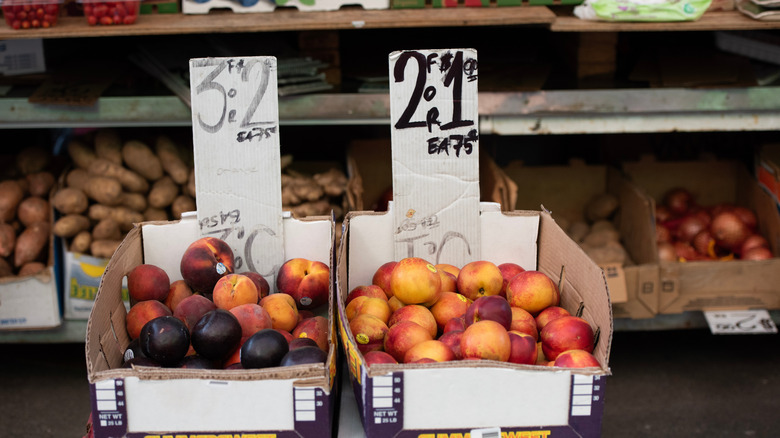
While shopping at the farmer's market isn't typically cheaper than buying seasonal items elsewhere, there's something to be said for saving money by buying seasonal. Foods that are out of season in the area you live in have to be transported hundreds of miles to make it to your local grocery store, adding to their overall cost.
Farmstands, your neighbor with the apple trees, and, occasionally, the farmer's market can be good places to scout out deals on produce that's been grown and harvested nearby. The upfront cost may be more, but you can find deals on cases of fruits and vegetables (especially towards the end of seasons when they start their decline), which you can cook down into sauces and jams.
To find out what's in season, chat with local farmers or community garden members to see what's about to be harvested. Keep an eye out for those precious produce stands at the side of the road that offer freshly harvested goods, or seek out smaller grocery stores that will sell produce collected from the area.