

16 Genius Ways To Use Up Leftover Apples This Fall, From Peel To Core
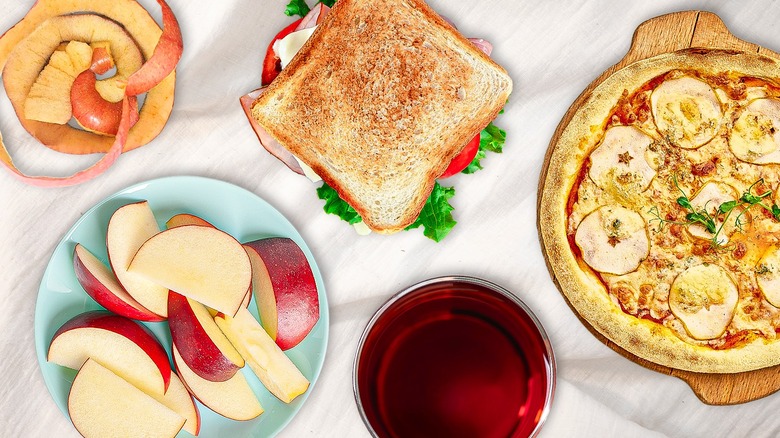
No autumn day is complete without a trip to the apple orchard. There's something very fun about peering through the long stretches of trees to try and find the perfect fruit. The one downside to buying fruit at an orchard, though, is that you usually can't just walk away with three apples — you have to go big or go home and opt for a large bag or bucket of apples. You might find yourself in the same boat if you're able to get your hands on a discounted peck of bulk utility apples that are too bruised and blemished to sell individually. Both situations leave you with the same question: What the heck do you do with all those apples?
We love baking the best apple pie, so we have no problem whipping up several batches to give to neighbors, friends, and the like, and eating the fruit out of hand is always an option. But there are tons of other funky and creative uses for a surplus of apples. We wanted to highlight some of them, as well as give you some tips for what to do with your leftover apple peels and cores. After you try some of these recipes for yourself, you may just become a repeat customer at your local orchard.
1. Turn the peels into crunchy apple chips
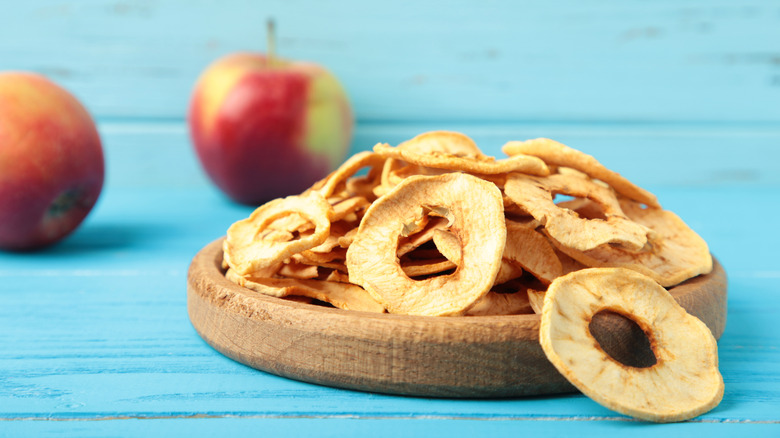
One of the best things about apples is that you can incorporate them into all of your meals ... and snacks. Apple chips are a nutrient-dense, slightly sweet treat that can be easily adapted based on whatever ingredients you have in your pantry. Cinnamon-spiced apple chips are popular, though you could also get creative and try a sprinkle of chai or apple pie spice instead.
You can make chips with the whole fruit or just the peels. If you're going with the latter, toss your peels in a coating of oil or melted butter and seasoning, space them out on a lined baking sheet, and roast them until they start to curl and crisp.
If you're baking whole apple chips, you can use a standard oven or air-fry them instead. Make sure you're cutting the fruit the same width — about ⅛ inch — to ensure optimal crispiness and that all of the slices bake at the same rate.
2. Add chopped apples to your favorite stuffing recipe
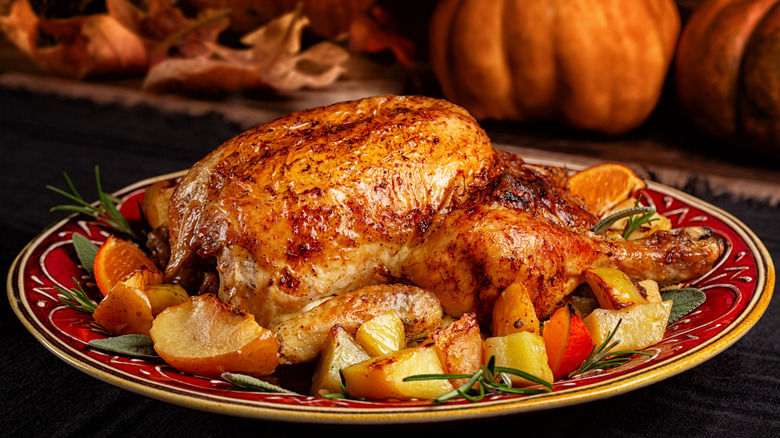
Apples are an excellent addition to stuffing because they offer moisture and a subtly sweet flavor. We recommend pairing the fruit with complementary ingredients and spices, like chopped fennel, sourdough bread, thyme, and rosemary, to create a cohesive flavor profile that can be matched with an array of proteins, from chicken and turkey to pork. You can even give it a festive Thanksgiving spin by combining the fruit with dried cranberries.
Apples aren't too sweet on their own, so you won't have to worry about making your stuffing too sweet if you decide to add one or two of them. Simply cube the fruit into small pieces and add it to the rest of your stuffing ingredients. You shouldn't have to cook it down beforehand like you do for celery and onions. Since you're baking the fruit, opt for a sturdy variety — like Granny Smiths — instead of a mealy one, like a McIntosh.
3. Whip up a batch of homemade apple butter
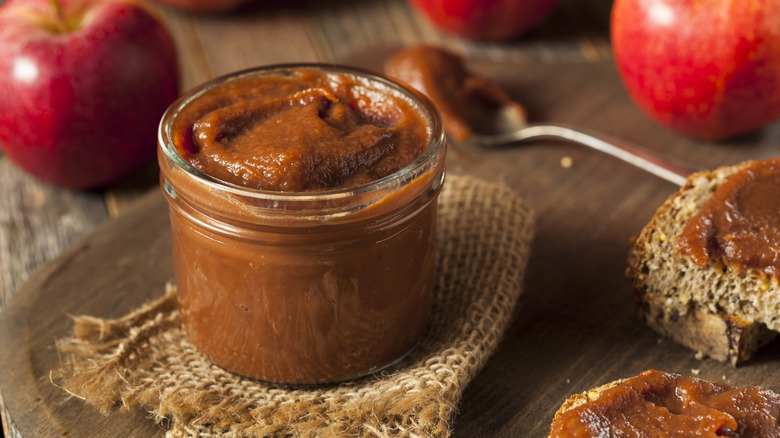
Apple butter is a dish that's always better to make in large batches. It's not something that you whip up with the two or three pieces of fruit that have been sitting in your crisper drawer for a little too long. Luckily, apple butter keeps for a while (if you can it properly), meaning you can enjoy a bumper crop of fruit for weeks, or even months, to come.
Apple butter, for the uninitiated, is like a thicker and more caramelized version of applesauce. It's typically made in a slow-cooker, though you can also adapt it to a stovetop preparation — you might just be standing over the stove for longer than you'd like. Once the fruit has been cooked down, it's pureed with an immersion blender until smooth. Combine apple butter and cottage cheese for an Amish-inspired snack, smear the fruity spread on toast, or serve it with other autumnal accompaniments on your charcuterie board.
4. Try apple slices on a pizza or a flatbread
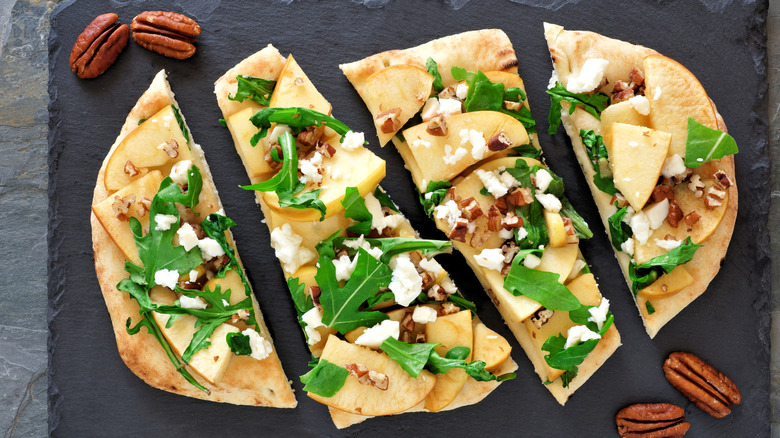
Pineapple isn't the only fruit that belongs on pizza. Apples can offer a delectably crispy contrast against the soft dough and other toppings, making the fruit a compelling addition to an array of flatbreads and pizzas. Of course, apples have a subtle flavor, especially compared to other common toppings like pepperoni, so you'll need to get creative with how you use the fruit to preserve its honeyed and bright flavor. Like all fruits, you'll want to slice apples thinly for your pizza or flatbread because they can be too crunchy or too wet otherwise. You can layer them on the pie after it's finished baking, or add them on before you slide it in the oven if you want to soften them.
One of our favorite pairings for apple is sausage. The sausage is fatty and rich — the direct opposite of the crunchy texture and clean bite of the apple. You could also add a funky soft cheese, like goat, to highlight the apple's crispness.
5. Turn them into a unique ice cream topping
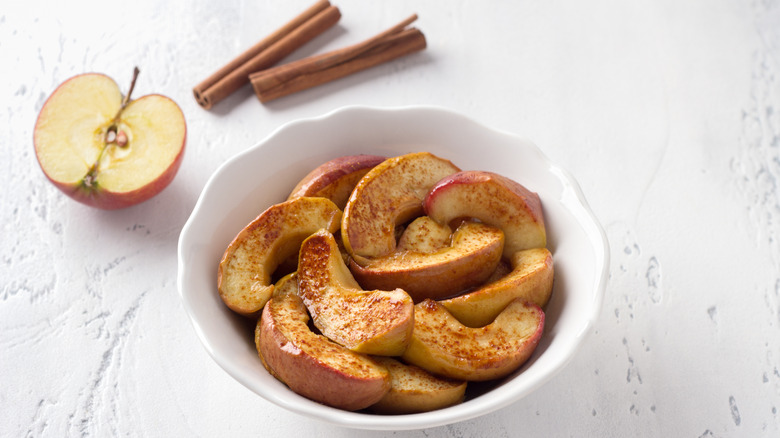
Summer is undoubtedly the season for all things ice cream. However, if you're looking to give your favorite flavor of ice cream an elevated, fall twist, look no further than apples. While you can sprinkle the fruit directly on the sweet, creamy frozen dessert, the best option is to cook the apples down with sugar and spice first. This will make the textural contrast less harsh and give your apples an even sweeter flavor.
This recipe is like a play on Cracker Barrel's famous fried apples. Simply cook down the fruit with a pat of butter, brown sugar, and spices until it has softened. Butter and sugar can be a recipe for disaster if left unattended, so make sure to stir often to prevent it from burning. Spoon it atop a bowl of vanilla, maple walnut, or butter pecan ice cream, and add a sprinkle of crunchy granola or cookies to give your dessert an apple crisp effect.
6. Use the peels for homemade apple cider vinegar
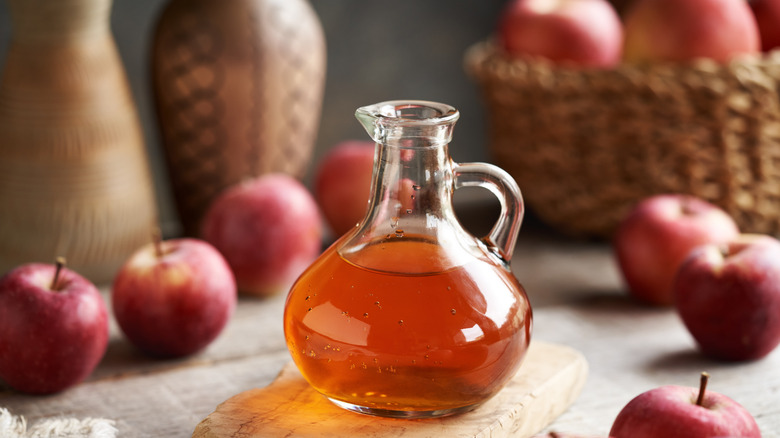
Apple cider vinegar is probably not an ingredient that you'd normally opt to make yourself. But you know what they say: When life gives you apple peels, make vinegar!
You can use both whole apples and apple scraps (like the peels and cores) to make your vinegar. As long as the fruit isn't moldy or rotting, you should be set. Give enough room in the jar for the apples to expand, while still staying submerged in the water and sugar mixture. As home preservers and pickling enthusiasts know full well, it takes a while for a perfect symbiotic culture of bacteria and yeast, or SCOBY, to form. It can take about two weeks for the mixture to bubble and fizz, at which point the fruit should be removed. By around the one month mark, your vinegar should be ready to use. It's excellent in salad dressings, as the apple and the sugar give it a subtly fruity flavor.
7. Make an 'apple stock' with leftover cores and peels
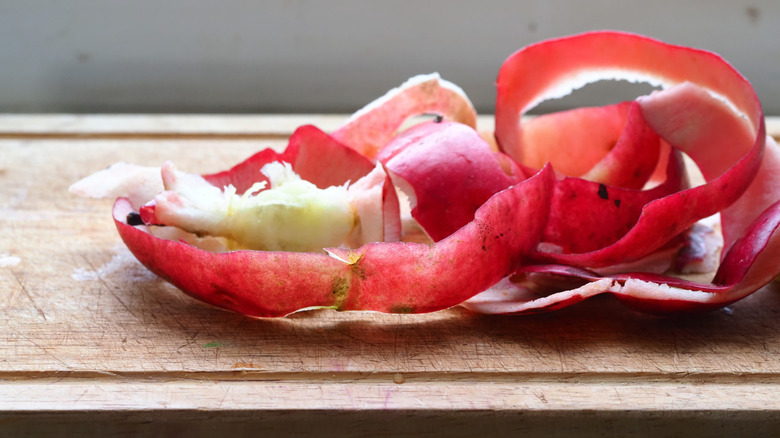
Vinegar and apple butter aren't the only ways you can preserve the flavor of apples and enjoy them long after the harvest has concluded. If you like adding apple flavor to dishes, drinks, and the like, you can make an "apple stock" of sorts. It's like how people make homemade vegetable stock out of leftover carrot tops and flimsy pieces of celery — just with apples.
Essentially, you'll just want to add all of your apple pieces, including the cores, stems, and peels, to a pot of water. Use a quart of water for each pound of apple scraps. Once the mixture reduces by half on the stove, add in a few more pounds of apples and some water and continue cooking it down. After a few days, you'll be left with a concentrated and super flavorful stock that can be used in many different recipes. Try adding it to your meat marinade or use it in place of cider in cocktails.
8. Pulverize dried apple peels for a sweet, autumnal topping
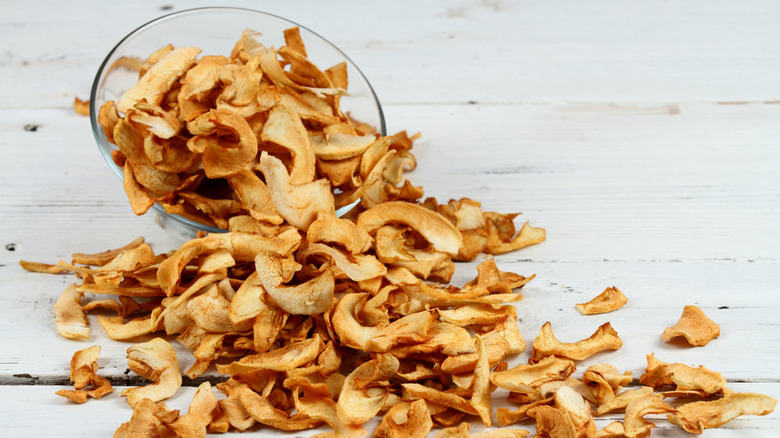
There are some instances where adding whole pieces of fruit to a dish isn't entirely practical. If you want to add a subtle apple flavor, without overwhelming the entire profile of a dish, try making a homemade apple powder.
To do so, you'll need to prepare your dehydrated apples as you would for chips. You can do this in a food dehydrator, oven, or air fryer — the key is to just get as much of the moisture out as possible. Once your pieces are as dry as possible, toss them into a blender and pulse the mixture until it's pulverized. An additional trip to the oven will help pull out any residual moisture, keeping your apple powder fresh and mold-free for as long as possible. You can use your apple powder as a sweet sprinkle on oatmeal, an ingredient in homemade salad dressing, or even as a topping for a warm mug of apple cider.
9. Toss the leftover peels and cores into a potpourri
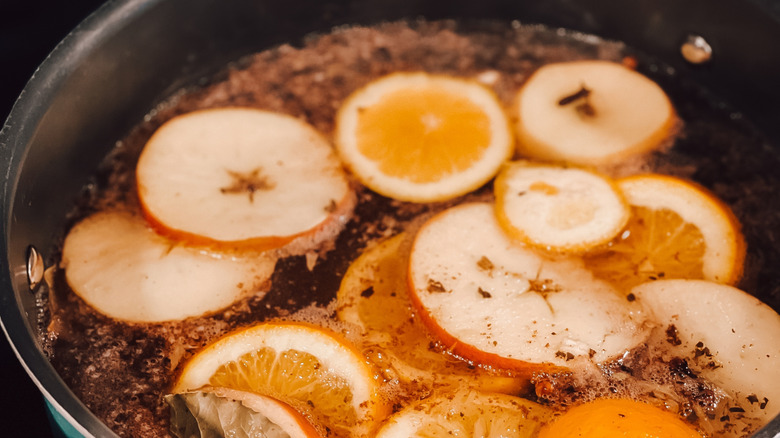
Some of the best ways to use up leftover apples aren't just for making food that tastes good — they're also for making your home smell terrific. Potpourri is an excellent way to put excess peels, cores, and more to use, especially for fruit that's damaged or otherwise inedible.
Potpourris are usually made with dried flowers, but you can give your kitchen a great smell by simmering the apple leftovers down with cinnamon sticks, orange peels, and your favorite extracts or essential oils. Obviously, since the aroma of the apples is very unique and relatively mild, you don't want to bulldoze it with bold aromas, like particularly fragrant herbs and flowers. Alternatively, you can create a more evergreen potpourri by drying your fruit and placing it in a bowl with cinnamon sticks and essential oils. It's a great way to hide unsavory kitchen odors or prepare your space for guests.
10. Give your salad a crunchy topping
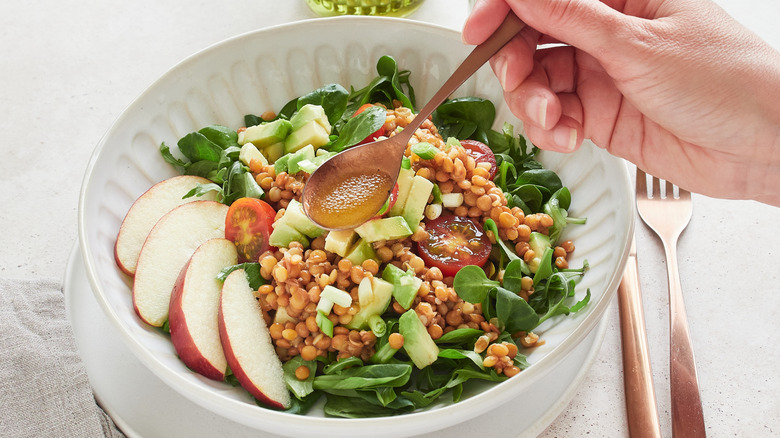
Apples are an elite and underappreciated salad topping. Not only do they offer a great textural contrast against soft veggies and greens, but they also bring a bright juiciness and pop of color to an otherwise one-note salad. Plus, you can pick an apple variety that best suits your other salad components. A tart Granny Smith would be a good addition to a salad that already has sweet elements, like dried cranberries or candied pecans. Meanwhile, a sweeter apple, like a Winesap, could hold up well to more neutral or acidic salad additions, like pomegranate seeds, arugula, goat cheese, or almonds.
Regardless of the type of apple you use and what you pair it with, you'll want to be sure to cut your fruit into thin slices so you get the optimal snap. Avoid preparing your salad too far ahead of time, as you don't want your fruit to be brown.
11. Add them to your sandwiches

You may not look at a grilled cheese sandwich and immediately think, "Yeah, apple slices!" But it's high time you should. Apples are great additions to sandwiches because they bring an excellent crunch and can offer reprieve from especially salty or spicy elements. A melty grilled cheese, especially one with ham and Dijon mustard stuffed inside it, could benefit from the tart snap of a Granny Smith. Another great pairing for apples is turkey. This protein is somewhat salty, but it lacks flavor besides that. Tuck turkey and apple slices in with a couple of slices of fresh cheddar for a fresh take on a basic sandwich.
Savory sandwiches aren't the only place where apples shine. If your PB&J is looking a little sad, try adding a couple apple pieces between your slices. You'll get the creaminess from the spread and the crunchiness of the fruit — the best of both worlds if we do say so ourselves.
12. Julienne the fruit and add it to coleslaw

Most coleslaw recipes call for a basic mix of vegetables: cabbage, carrots, and the like. But if you want to give your slaw a truly unique edge, you're going to need to look beyond vegetables. Apples are an excellent sweet addition to coleslaw because they hold their shape and offer a delectable crunch — almost like a sweeter version of jicama.
The best part about adding apples to your slaw is that they can hold their own as the only sweet addition. Add the regular suspects, like julienned carrots, cabbage, and bell peppers, into your bowl with apples. We recommend opting for a tart, sturdy variety like Cortlands or Granny Smiths, though sweeter apples like Honeycrisps, Fujis, and Pink Ladies may also have their place. Toss the slaw in your dressing and serve it as a side dish with your favorite protein. We think it's a great candidate for adding to a pulled pork sandwich, too, since the apples will contrast the smoky meat and tangy sauce well.
13. Give your chicken salad a sweet twist with sliced apples
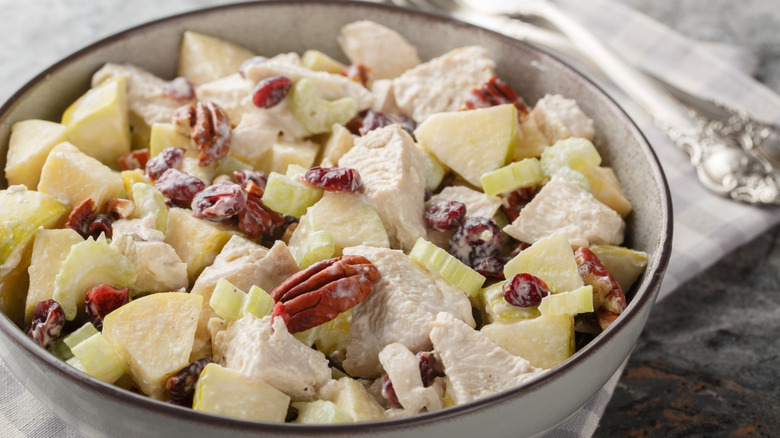
Chicken salad is incredibly versatile — rarely do we give it enough credit for being the blank canvas that it is. Sure, chicken pieces covered in mayo and seasonings is fine and all, but the textural additions are where the fun really comes in. Apples, for one, are crunchy and subtly sweet, which will cut through the richness of the dressing and the blandness of the chicken. They're in good company with other standard add-ins, including everything from walnuts and pecans to grapes and cranberries. Our recipe for triple anise chicken salad would be a great one to add apples to. The sharp flavor of the fennel would be an excellent contrast to sweet apples.
Like other uses on this list, you'll want to be careful about how soon in advance you add your apples, as they can brown quickly and make your salad look unappetizing. It's one addition that's better to stir into your salad right before you eat it, rather than add when you're meal-prepping ahead of time.
14. Add chopped apples to quickbread or muffin batter
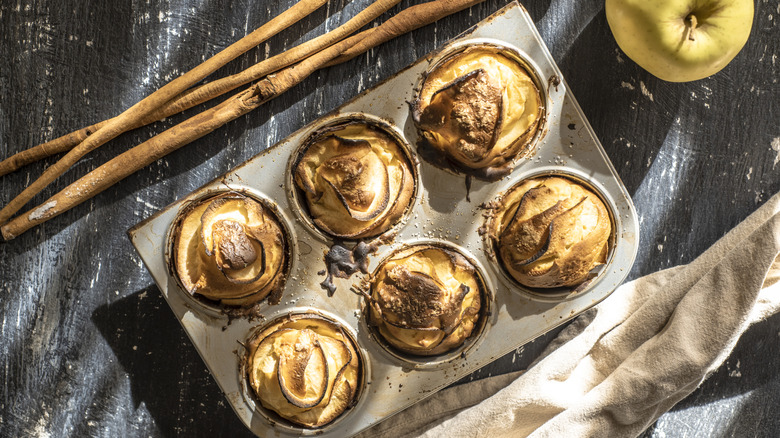
Everyone knows about apple pie and apple crisp, but they are far from the only sweet treats that can benefit from a fruity addition. We love adding apples to quick bread and muffin batter because it helps keep the baked treat extra moist and infuses every bite with a little bit of fall flavor. What's nice about apples is that their flavor is only as apparent as you make it.
For example, the fruit can serve as a backup dancer in a spice cake recipe, as it adds moisture without dominating the flavor. If you want your recipe to be about all things apple, add larger pieces of fruit to your batter; just make sure not to use too much fruit for the amount of batter, otherwise you could run into issues with the fruit sinking in the tin or becoming mushy. You'll also want to be aware that adding extra moist fruit can alter the bake time, so be sure to test your quick bread or muffins before pulling them from the oven.
Apples are in good company with cinnamon, vanilla, and nuts. We recommend topping your quick bread or muffins with a buttery, brown sugar-forward streusel to add texture and complement the fruit pieces.
15. Infuse them into vodka

You don't just have to eat your excess apples, you can also drink them too — in the form of infused vodka. You can really infuse anything into vodka, so long as you have the right ratios and let it sit for long enough. You'll want to use a cup of vodka for each medium-sized apple. You don't need to peel the fruit; just cut it into slices and submerge them entirely in the solution. You can use just apples, or for a fall-inspired twist, add a cinnamon stick or two. The cinnamon's flavor will infuse very fast and can overpower the apple, so we'd recommend removing the stick after about a day. The apples need to sit in the mixture for upwards of a week before they can be strained out.
Apple-flavored vodka would be an excellent addition to cocktails, sangria, and more. If you want to get a sense of its taste, try sipping it with ginger ale or cranberry juice. Or, dive in head-first with an appletini, a drink that every cocktail lover should know, made with your homemade apple vodka. Try adding a decorative and flavorful drizzle of caramel sauce to the inside of the glass before serving it.
16. Make a kid-friendly batch of apple nachos
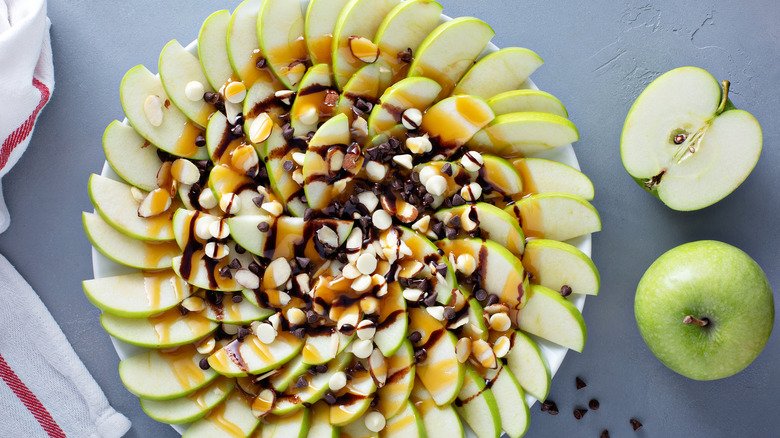
We're all about making snacks that are kid-friendly, tasty, and nutritious — and apple nachos can be all of these. If you aren't a fan of caramel apples — which are, frankly, as messy as they are annoying to eat — you'll definitely appreciate the texture and flavor that apple nachos can offer. Simply slice your apples into bite-sized pieces; if you don't want to use a knife, you can always grab one of those handy apple corers and slicers instead. It'll give you perfectly sized pieces for your nachos. Then, add a drizzle of your favorite toppings to your plate of "nachos" and serve. It's really that easy!
If you want something a little more protein-dense, try nuking peanut or almond butter in the microwave so it's easy to drizzle on. And if you don't mind something a little sweeter, chocolate chips, caramel sauce, or chocolate sauce can add a dessert-level twist to this snack. Just be wary of how far in advance you prepare your fruit, as it will start to oxidize and brown relatively quickly.