

Fruit Has Protein? Here's What Has The Most
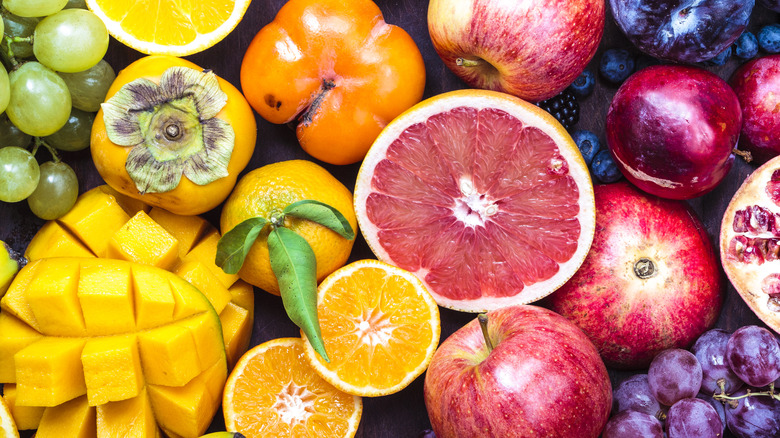
If you're trying to increase your protein intake, you might be getting tired of the usual suspects — lean proteins, fish, low-fat dairy, etc. Believe it or not, you can actually get some of your daily protein intake from fruit. Fruits vary greatly in their protein content, and understanding the differences in grams of protein per serving from one fruit to another can help you hit your macronutrient goals while also getting the micronutrients and fiber that your body needs to thrive.
Protein-heavy smoothies can be a great way to both boost your overall protein intake and incorporate more fruit into your diet. Adding some protein-rich fruit (and a handful of protein-rich leafy greens like spinach) into your smoothie can help you feel fuller for longer, allowing you make it through the morning without the dreaded post-breakfast, pre-lunch tummy growl. Here, we'll explore everything you need to know about getting protein from fruit, as well as a few additional health benefits you can get from regularly including these protein-rich fruits into your diet.
Passion fruit: 5.2 grams of protein per cup
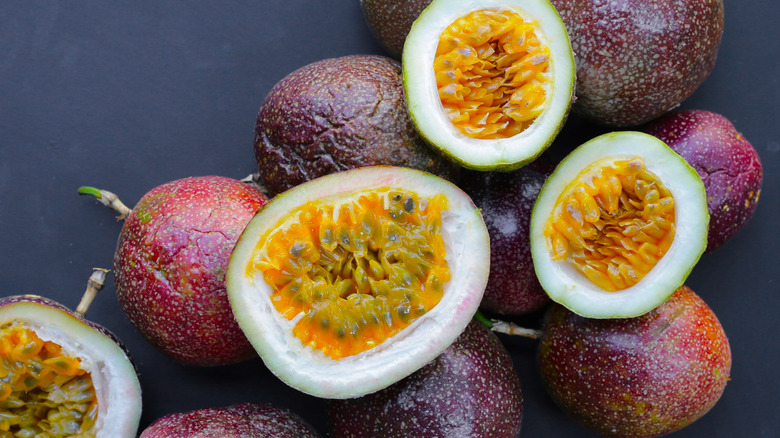
Sweet and tart with a deep purple exterior and a bright yellow interior, passion fruit tastes like a combination of kiwi, pineapple, and melon — basically, a combination of all things tropical. The vibrant fruit packs a whopping 5.2 grams of protein per cup, making it a great fit for those who are working to hit their protein goals (it also contains a mind-blowing 25 grams of fiber per cup). Try passion fruit as-is, or mix it into a smoothie or yogurt for a taste of the tropics.
Avocado: 4.6 grams of protein per cup
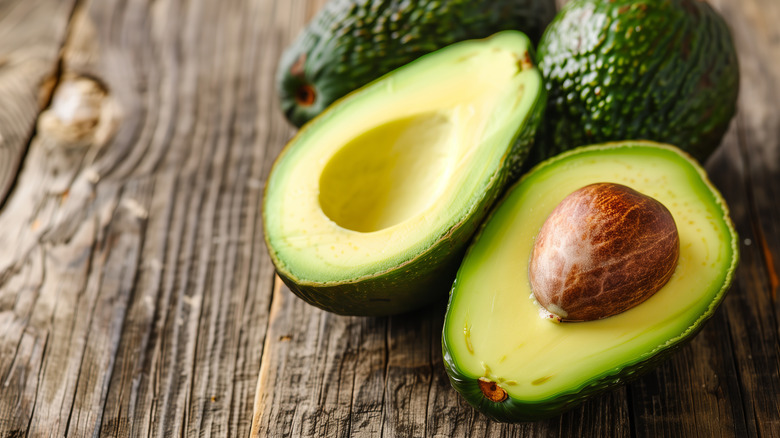
Believe it or not, buttery, decadent avocados aren't vegetables — they're fruits. Whether you love smearing a ripe avocado on your toast in the morning, Gordon-Ramsay style, or you prefer enjoying your avocados mashed with garlic, lime juice, tomatoes, cilantro, and onions (and pickled jalapeños, if you want to take it to the next level) into a delicious guacamole, avocados are a great way to boost your protein intake. With 4.6 grams of protein per mashed cup (and serious health benefits, including the potential to support digestive health), avocados are a great way to increase your protein intake while also boosting the deliciousness of your day.
Guava: 4.2 grams of protein per cup
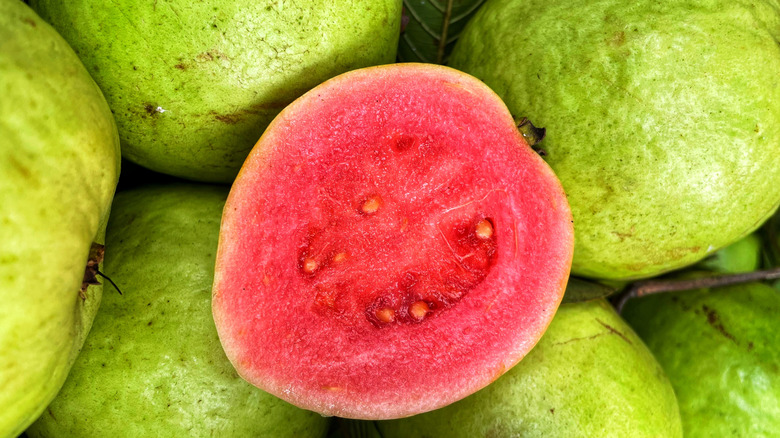
Packed with 4.2 grams of protein per cup, guava is another tropical delight that can help you hit the macronutrient goals that help you feel your best. Guava is sweet with a tiny touch of tartness. While you certainly can enjoy guava sliced or scooped out of its peel, you can also eat it like an apple — just bite right in, skin and all. In addition to its high protein content, guava is also loaded with vitamin C and may support healthy blood sugar levels.
Pomegranate: 2.9 grams of protein per cup
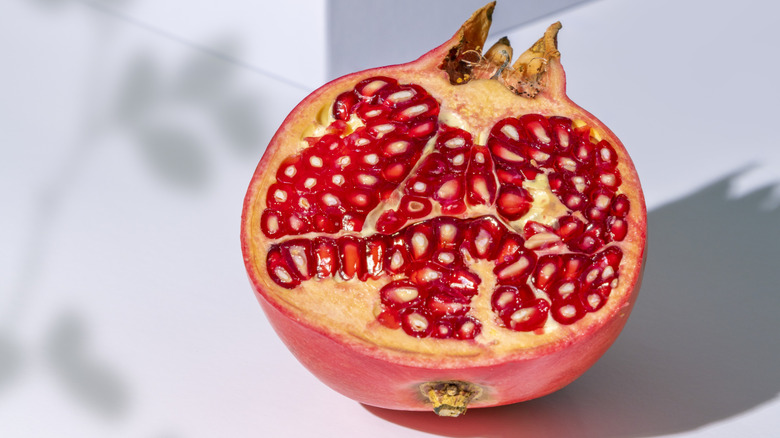
At 2.9 grams of protein per cup, pomegranate is a protein powerhouse. In addition to its ability to support your body's recovery after a workout, pomegranate arils — the tiny pouches of juice that encase each seed — are packed with antioxidants. Pomegranate arils can be enjoyed on their own (use a sharp knife to cut open the crown, then make lengthwise cuts), or you can use them to top yogurt, salads, or even sweet and savory dishes, like honey-glazed salmon.
Jackfruit: 2.8 grams of protein per cup
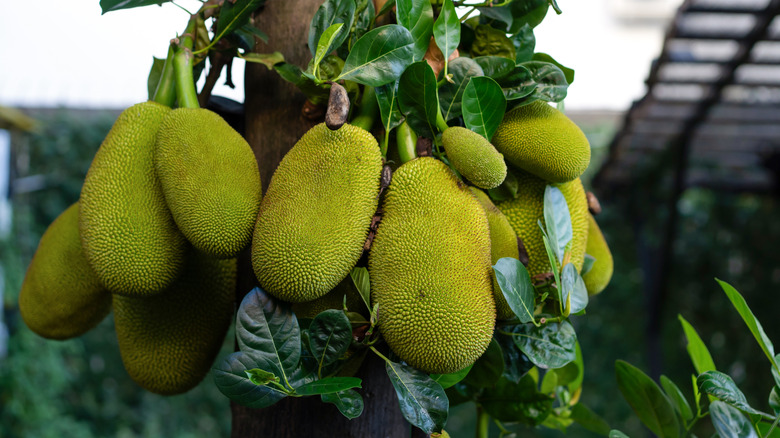
While the jackfruit didn't get its name from being a jack of all trades, it would certainly make sense. This high-protein fruit — at 2.8 grams of protein per cup — can both be eaten as a sweet treat in its own right and used as a texturally similar meat substitute when it's cooked. Jackfruit is loaded with antioxidants that can help to reduce inflammation in the body, improve cardiovascular health, and lower the risk of certain diseases. If you want to eat jackfruit raw, you absolutely can — just make sure it's ripe first. It should smell sweet and the exterior of the fruit should have a little bit of give to it — similar to a ripe peach or plum.
Apricots: 2.2 grams of protein per cup
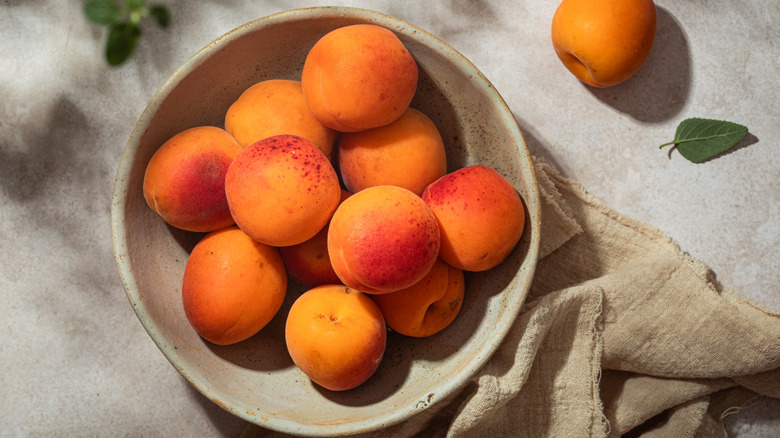
While most of us are only used to eating dried apricots, the fresh version is delicious and loaded with protein. At 2.2 grams of protein per cup, enjoying apricots is a great way to boost the grams of protein you get in your day, not to mention sweeten up salads, snacks, oatmeal, and yogurt. You can bite right into an apricot, or you can try grilling them for a caramelized taste that goes great with chicken or seafood.
Kiwi: 2.1 grams of protein per cup
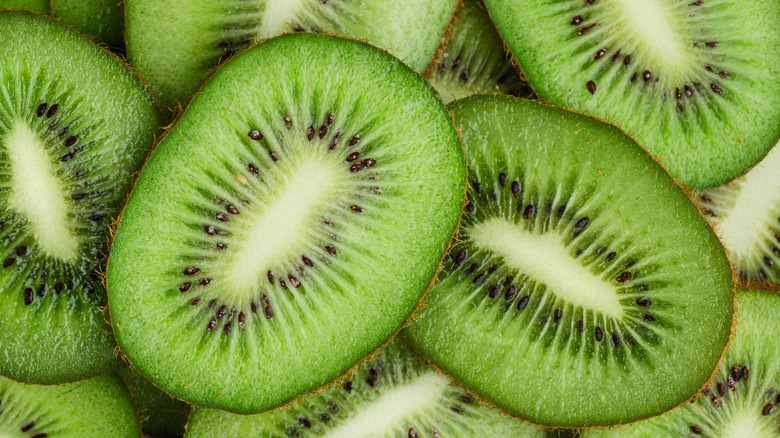
Tart and tropical, with an edible skin (really), kiwis offer a ton of health benefits, including a solid dose of protein, with 2.1 grams of protein per cup. Kiwis are said to aid with digestive health, and offer a nice dose of vitamin C, which can help to support the health of your immune system while also helping you feel awake and alert. Try eating kiwis as a sweet treat on their own or slice one up and use it to top yogurt or add a tropical twist to a salad.