

9 Creative Ways To Use Frozen Pickles In The Kitchen
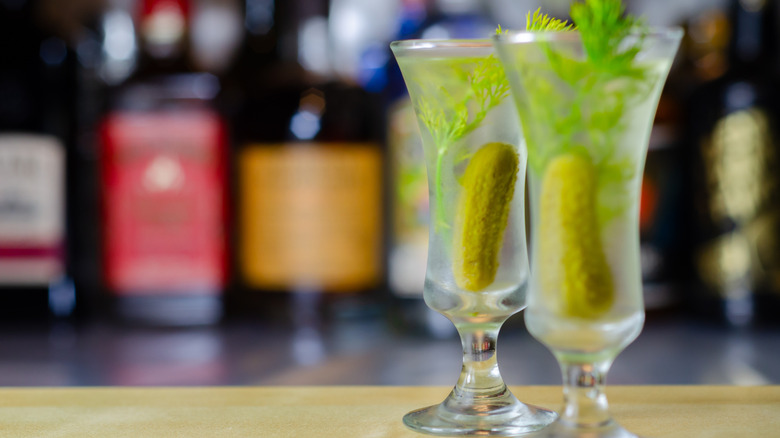
Freezing produce has long been a way to lock in its nutrients and keep it fresh. It's a no-brainer to pop a bumper crop of strawberries or cherries into the freezer for later, and, of course, there's nothing wrong with freezing extra-ripe bananas to turn into a tasty banana bread or use for smoothies in the near future. But pickles are not something that you may have ever thought to freeze.
Freezing pickles is an excellent idea — and we're not just talking about jars of pickles that get pushed to the back of your fridge and accidentally chilled a little too much. Rather, you can whip up a freezer pickle recipe that's designed to preserve your cucumbers without all the headaches and risk that goes into canning. For this method, the pickles are thinly sliced, salted, and left to sit. Then, the slices are mixed with a highly concentrated syrup made with sugar and vinegar, refrigerated, then frozen. The science behind this idea is that Clostridium botulinum, a bacteria that releases the botulism toxin, does not grow below freezing temperatures. Improper pickle canning technique and storage at room temperature could potentially lead to foodborne illness, making freezer pickles a more beginner-friendly and safer route for novice food preservers.
Since cucumbers contain a ton of water, freezing them will alter their texture. While the salting and syrup diminishes this inevitable mushiness, it does not prevent it completely. As such, you need to get creative with how you use frozen pickles, whether they were intentionally frozen or a byproduct of poor fridge placement. Here are some of our favorite ways to cook with these tangy, salty, and slightly sweet pickles.
Incorporate them into your bloody marys
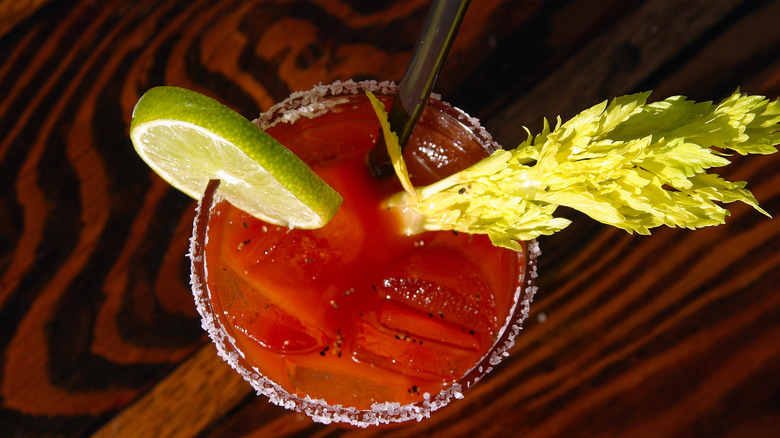
Bloody marys are the ultimate brunch cocktail. A savory tomato base seasoned with Tabasco, lemon juice, and Worcestershire sauce, mixed with vodka, and garnished with outrageous toppings to create a beverage that looks just about as good as it tastes is our kind of drink. There are plenty of unique ingredients you can add to your bloody mary to make it playful and fun, including the likes of beef broth, umami mushroom powder, and fish sauce. However, if you're looking for a hint of acid, you're better off turning to frozen pickles. A bloody mary is traditionally served cold, so you won't have to worry about thawing your pickles before you add them to your mix.
There are multiple ways to go about this. Not only can you use your freezer pickle recipe, but you can also make special cubes for your drinks. Try freezing your favorite salty and tart pickle brine in an ice cube tray and using them to keep your drink cold. As the cubes melt, they will diffuse a salty and herby flavor into the surrounding mix, balancing out the savoriness and making it taste even better. You can also add the pickle cubes, or the whole pickles themselves, to a blender with your bloody mary ingredients to make a frosty, boozy slushie perfect for a summer brunch.
Stir them into your lemonade
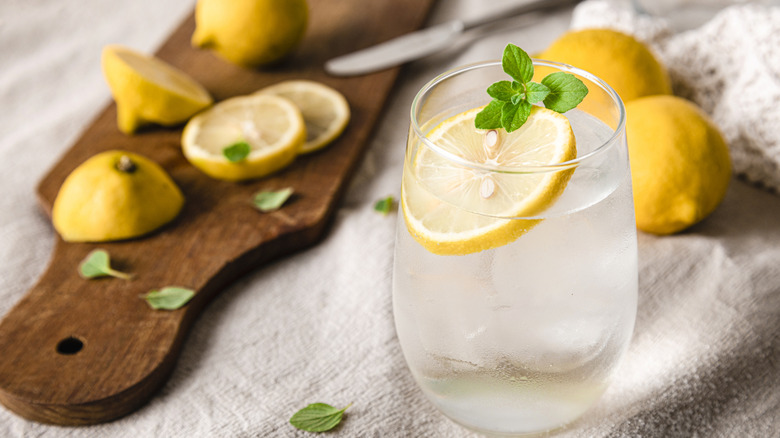
Gone are the days of boring lemonade. If you want to make the best lemonade for summer (or whenever you want it to feel like summer), you're going to want to pull out all the stops — including adding frozen pickles to your drink. It's an unlikely ingredient that will make your lemonade taste more refreshing — you just have to be willing to experiment and color outside of the lines.
One way to do this is to use pickle ice cubes to diffuse the refreshing and salty flavor of the brine into your drink. You don't want to overwhelm your drink with pickle flavor, so if you prefer something a little more dialed back, you may want to try cutting the pickle juice with water. Start with no more than a tablespoon of brine for each cup of lemonade. You can also try adding a bubbly addition, like seltzer or soda, to lighten the mouthfeel and balance out the unique flavors of the pickle juice. Another easy way to switch up the flavor and mouthfeel of your lemonade is to turn it into a slushie. Add your lemonade ingredients to a blender with your freezer pickles (or pickle ice cubes), pulsing until well combined.
Mix them into your favorite deli salad
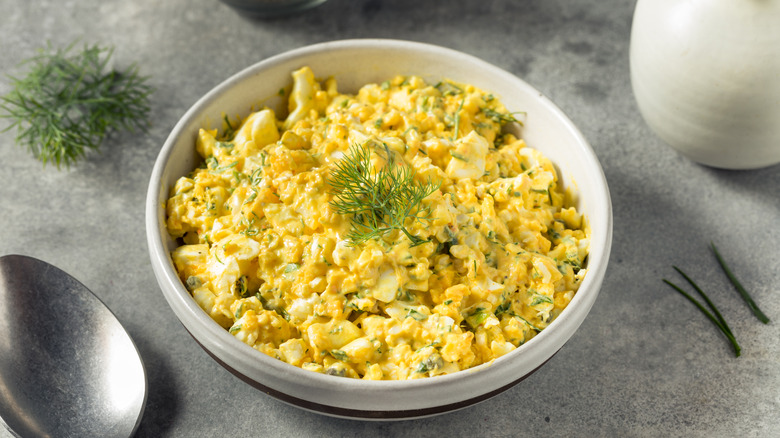
The downside of freezing pickles is that their texture changes rather dramatically. While fresh pickles are snappy, a trip in the freezer can cause them to come out limp and soft — which is exactly what you don't want in a pickle that you plan to snack on whole. But when you dice them up and eat them with other things, like in a deli salad, chances are that you won't notice their texture as much. Pickle relish and chopped pickles are common ingredients in deli salads, so adding a batch of thawed, frozen pickles is by no means a strange concept.
A good way to get acclimated to their flavor is to try adding your pickles to a potato salad. This zesty, briny ingredient would be excellent in a mayonnaise- or mustard-based salad because it cuts through the richness and makes for a more balanced bite. It can also be used for a rich egg salad, as the pickles would act as both a textural and flavor foil to squishy hard-boiled eggs and whatever other elements are added to your salad — like chopped celery, peppers, and onions. These salads are both served cold (in most cases), so you don't have to worry about thawing out your pickles completely, as long as they are completely thawed before you plan on serving your salad.
Toss them into a chilled gazpacho
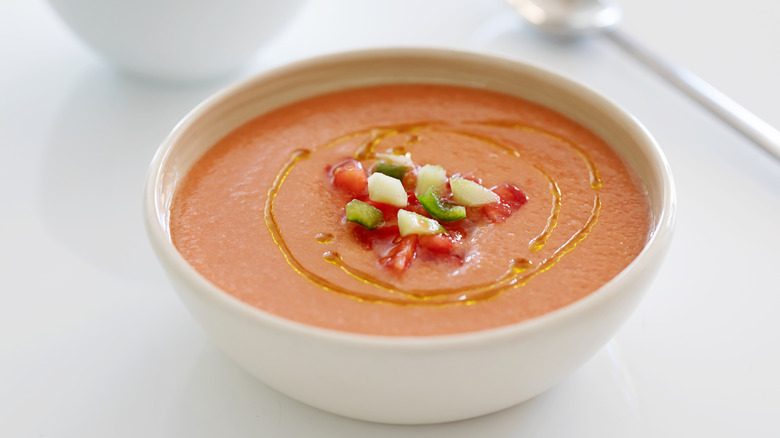
Soups are often thought of as being very hearty, warming, and the perfect companion on a cold winter's day. But that sentiment doesn't apply to all soups, including chilled gazpacho. Traditionally, the vegetables in a gazpacho are frozen before being pureed together, since the freezing will break up the cell walls, making it easier to blend into a homogeneous mixture. As such, your frozen pickles will fit right in.
You can use either whole pickles or just the pickle brine for your soup depending on the flavor you're after. For a chunkier gazpacho, lightly pulse the thawed pickles with your soup mixture in a blender or food processor until smooth — some residual chunks are okay. You can also push it through a metal strainer to pull out the larger, fleshier pieces of pickle (and whatever other chunky additions you don't want floating around in your bowl). Pair it with fresh cucumber to help soften its tanginess, or opt for classic garden vegetables like zucchini, tomato, and garlic for a pickly twist on a delicious summer starter or entrée.
Use them as a pizza topping
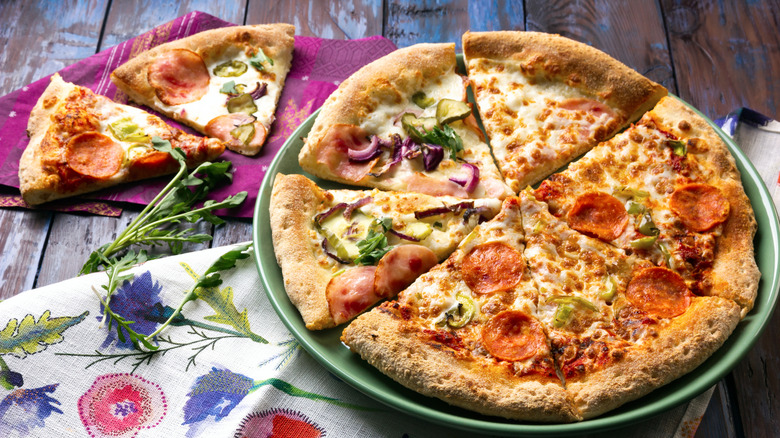
If you don't like straying far from cheese pizza, you may want to look away from this one. Pickles are an unconventional yet excellent condiment to add to your pizza because of their salty flavor, dill-y undertones, and crunchy texture. As with any pizza topping, you need to be methodical about how you add your pickles to your pie. Wet pizza toppings, like zucchini, eggplant, and sometimes even tomatoes, tend not to make for a great slice because the water weighs down the crust underneath and makes it soggy. Thawing your freezer pickles, cutting them up into smaller pieces, and removing as much water as possible before putting them on your pizza will ensure a crispy, easy-to-cut slice.
You also have to be a little bit strategic about what other toppings you use on your pie in addition to the pickles. For one, you can take inspiration from a cheeseburger and top your pie with ground beef, shredded cheddar or American, crumbled bacon, and chopped pickles — finished with a drizzle of secret sauce. The pickles would offer a great acidic complement to the other toppings and help sell your taste buds on the whole "cheeseburger" idea. You could also add pickles to a Mediterranean-inspired pizza, including one adorned with gyro meat and fresh herbs, and finished with a drizzle of tzatziki after the pie has exited the oven. The acidic pickles are a great foil to these light yet flavorful toppings.
Add them to your guacamole
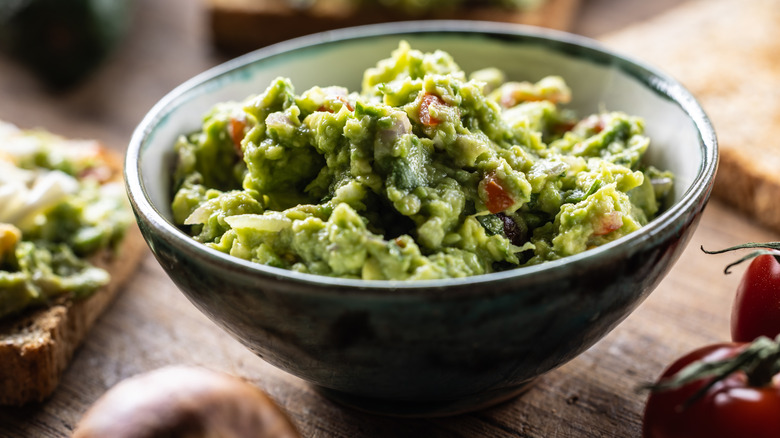
When most people think of homemade guacamole, their minds immediately go to basic, Tex-Mex-centered additions like chopped tomatoes, red onion, and jalapeño. But what they should be really thinking about are pickles. Sure, it might seem odd to add an ingredient that's decidedly not Tex-Mex to this Taco Tuesday essential, but when you start to think about the qualities of pickles (especially frozen ones), it might not come off as odd. Pickles are acidic and salty, so they'll cut through a dense and fatty guacamole with ease. This would be a great use for chopped frozen pickles, as the bits are small enough to infuse every bite with a touch of brightness. You don't need to add a ton of them to the guacamole to taste their effect either.
The size you should cut your pickles will depend on how chunky or smooth you want your dip to be. If you prefer the flavor to be better distributed, and don't want to worry about getting the occasional chunk of soggy pickle, you may want to mash it up in a bowl or blend it before stirring it into your guacamole. Just make sure your pickles are fully thawed before you add them to your dip, as you don't want to bite into an icy piece perched on your tortilla chip.
Fold them into a creamy dip
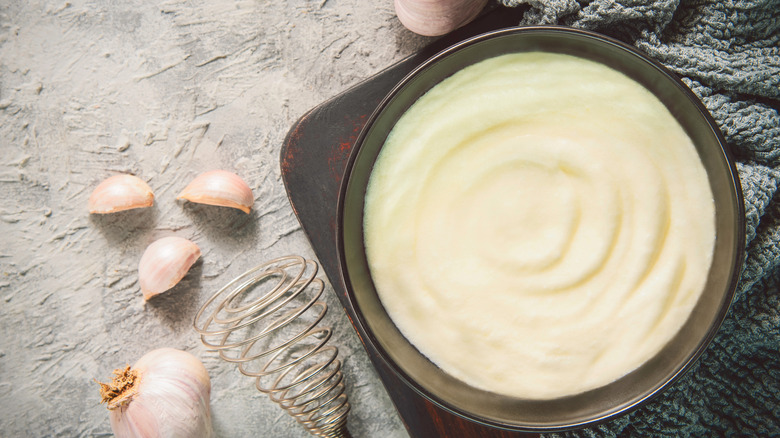
Guacamole isn't the only dip that is worth adding frozen pickles to. Once your pickles have thawed, you can stir them into a range of dips. For one, a tasty, fresh salsa could benefit from the salty and tangy flavor that pickles provide. Thawed frozen pickles would be an excellent ingredient to add to a chunky pico de gallo because it would be easy to hide the frozen, squishy consistency of the pickles among the other crunchy veggies and alliums, like the tomatoes, onion, and garlic. You can also break down your salsa into a smoother consistency by using an immersion blender or popping it in the food processor; this will alleviate any textural issues from the frozen pickles.
You can also use your frozen pickles as a substitute for fresh ones in a creamy dill pickle or cheeseburger dip. The frozen bits would also be excellent in pimento cheese, since their acidic flavor would lighten the mouthfeel and help balance the flavors of the fatty bacon, cheddar, and cream cheese base.
Grate frozen pickles for a simple garnish
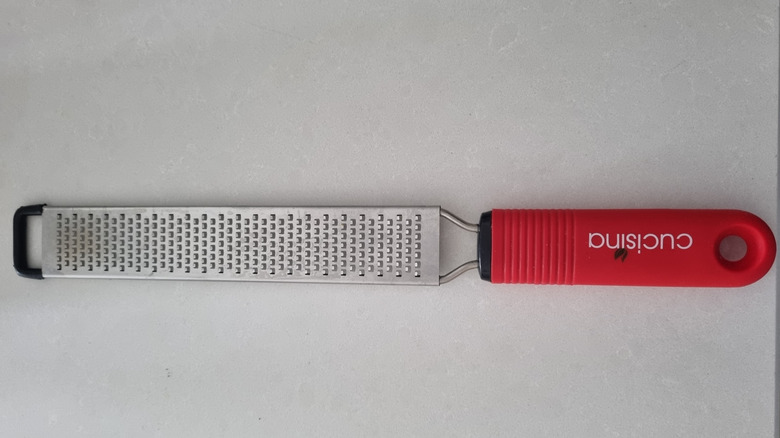
We've all had instances where we've left a jar of something a little too close to the back of the fridge, only to grab it at a later time and realize that it has frozen. While some people would just chuck the jar, we'd recommend saving those whole frozen pickles to use as a garnish instead. The pickles are easier to grate atop food when they're frozen, and since you're shaving it into fine particles, you won't have to worry about getting an icy or unpleasantly moist bite. Simply grab your pickle and a zester or microplane and get to work.
If you love the taste of pickles on a burger, but don't want to have to bite through a whole one on your sandwich, you may want to try zesting a little bit of frozen pickle onto your patty instead. You can also add it to a sauce, like mayo or aioli, so that its acidic flavor is well-distributed. Spread the sauce on your patty and reserve leftovers for your favorite ham, chicken, or turkey sandwich. You can also add the zest to anything in need of a punch of acidity. A heavy mac and cheese, loaded baked potato, or plate of nachos are just a few recipes that could benefit from its tangy reprieve. Shaved frozen pickles would also be an excellent topping for a charcuterie board, especially when sprinkled on a warm, melty Brie or Camembert.
Use the brine to marinate meat
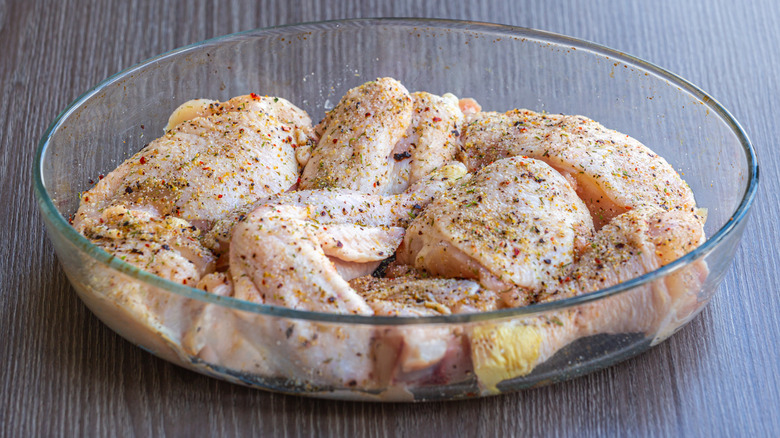
Frozen pickles aren't just useful for finished dishes; they can also be used to season food, thanks to their unique flavor and texture. Pickle brine, for example, makes a great marinade for chicken. The thawed liquid will infuse your cuts with an acidic and bright flavor. The amount of time you let your meat soak in the brine will dictate its flavor. For something like chicken, you may want to let it soak for several hours for a stronger pickle flavor, or less than an hour for something a little less pungent. Granted, it's difficult to set a hard and fast rule for how long you should let your meat marinate, as fragile proteins (like fish) can turn mushy if left sitting for too long.
While you can marinate your meat directly in your freezer pickle brine, you could also use the liquid (and the whole pickle pieces) to create a customizable marinade for your protein. The acidic flavor of the brine is in good company with other sharp ingredients, like Dijon mustard and honey or maple syrup. You can also add oil, garlic, and spices like smoked paprika and chili flakes to round out its flavor and better complement the protein. Pan-seared chicken breasts, pork chops, turkey, and tofu can all benefit from this flavorful marinade — and you may even forget that your pickles and brine were frozen beforehand.