

18 Tips For Hosting The Perfect Fish Fry
We may receive a commission on purchases made from links.
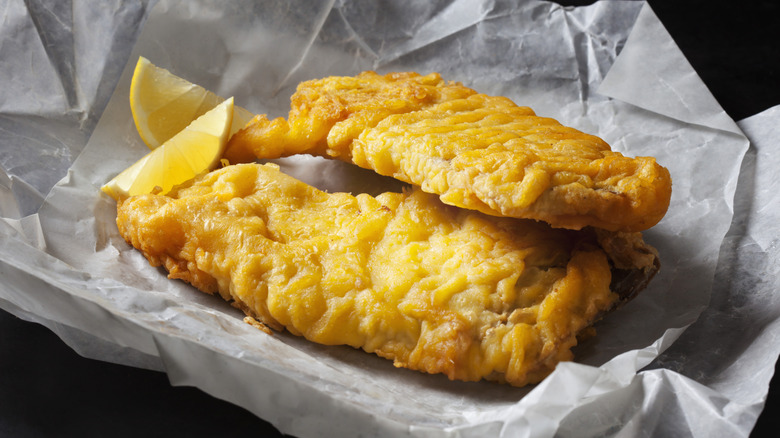
What's better than a crispy piece of fried fish? Unless it's a crispy piece of fried fish served along with music, lawn games, friends and family, cold drinks, and delicious sides, of course. Welcome to the event you should be hosting ... the fish fry.
"A fish fry is not just cooking — it is a social event disguised as a meal," says James Callery, head chef at The Fairview Restaurant at Sandford Springs. "Frying some fish is something you do on a Tuesday night in your slippers. A fish fry involves vats of hot oil, way too many folding chairs, and at least one uncle in charge of the playlist who thinks it's still 1984." (This writer would not hate that uncle. Just saying.)
Fish fries have a long history, with different breading and batters and classic seasonings enjoyed by families through the ages. "While Switzerland, where I grew up, isn't widely known for "fish fries," we have a rich tradition of frying lake fish, especially in summer," says Thomas Odermatt, the chef behind Roli Roti and Butcher's Bone Broth. Where he lived, Fisch Knusperli — crispy battered fish — are made using a Riesling wine batter, while in the north, beer batter reigns supreme. "Served with lemon tartare sauce, it's a seasonal treat that's both nostalgic and delicious." If you've never been to a fish fry, you may not know exactly how to pull one off yourself. But don't worry, Chowhound sat down with the experts to find out.
1. Don't confine fish fries to summer
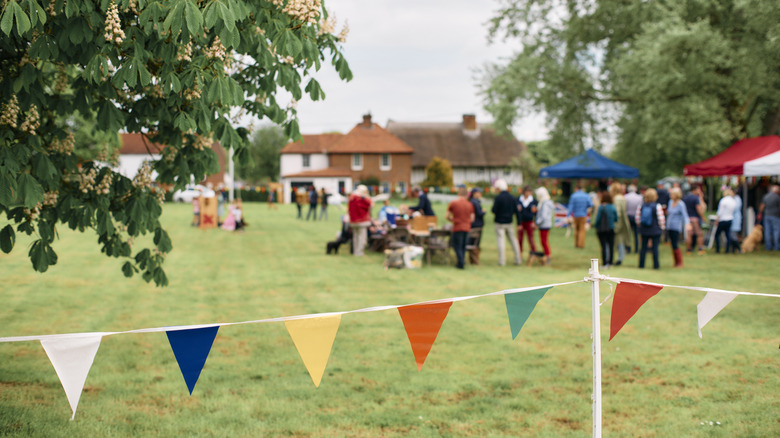
Fish fries don't need to be seasonal, and the conditions don't need to be perfect. "A well-planned fish fry brings people together, fills them up, and leaves everyone asking when you're doing it again. That's always the goal in my eyes," says Dennis Littley, chef and recipe expert at Ask Chef Dennis.
Like a barbecue, an outdoor fish fry can be a go-to whenever the weather is fine, so feel free to think outside the summer months. "[A fish fry] is loud, lively, full of laughter, and always feels like summer, even when there's a chill in the air," says Maricel Gentile, author of "Maricel's Simply Asian Cookbook" and chef and owner of Maricel's Kitchen. "In the Northeast, I find that September and October are perfect for a fish fry."
2. Get a headcount early
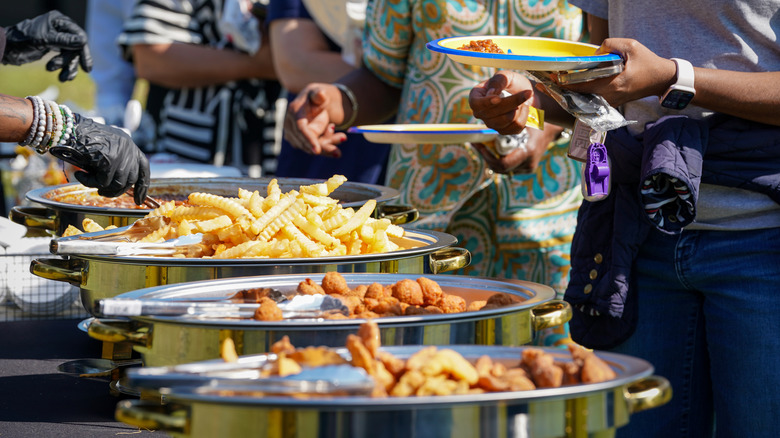
""Everyone's invited" sounds lovely until you're standing in your garden watching 42 people descend like seagulls," James Callery says. That's why it's important to ask for RSVPs or at least get a headcount before you start ordering your fish. That way, you won't end up with hungry party-goers or a freezer full of fish you're eating until February. The same goes for drinks, sides, and desserts.
Once you've got your numbers, it's time for some basic math. "A good rule of thumb is to plan on 6–8 ounces of cooked fish per adult," says Rima Kleiner, recipe developer and nutritionist at Dish on Fish. That means purchasing around ½ pound of raw fish per person, since it shrinks during frying. "Multiply that by your guest count, then add 10 to 15% extra to cover hearty appetites and second helpings."
The exception is bone-in whole fish, says Chris Demaillet, former private and superyacht chef and the founder of Montclair Chef Agency. With whole fish, you'll want to account for the bones and other trimmings. "Scale weight up by roughly 40% or ask the fishmonger to do the math for you," Demaillet says.
3. Choose your fish to match your preparation method
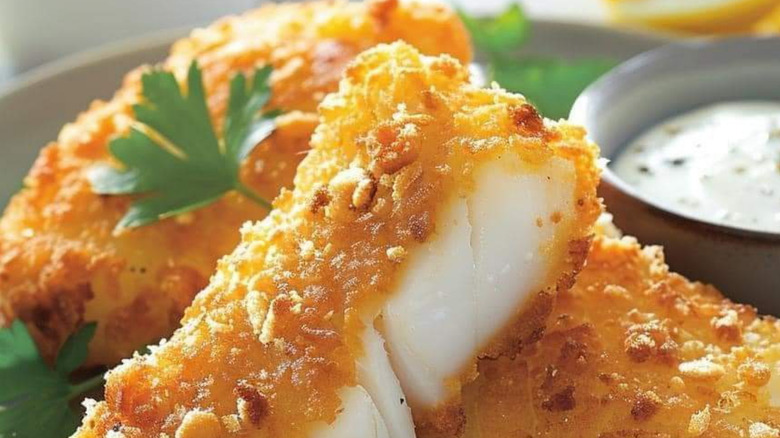
There is no single best fish for frying, but there are certainly some varieties that are better than others. In general, at least as a novice, avoid frying meaty or oily fish. In order to cook them properly, it's easy to end up overcooking them and turning the dish tough. Instead, opt for species that seem tailor-made for the fryer.
"Not all fish are created equal when it comes to frying," Rima Kleiner says. "Firm, mild fillets like catfish, cod, and haddock hold up beautifully to deep frying without falling apart or overpowering the flavor profile." For light and crispy coatings and quick cooking times, Maricel Gentile suggests going for whiting or tilapia. For a heavier cornmeal dredge or beer batter with a longer cooking time, catfish or cod are perfect. For another option, try fluke. "It's mild, tender, and fries up beautifully with a light panko or seasoned flour crust," Gentile says.
4. Order seafood ahead of time and prep it right
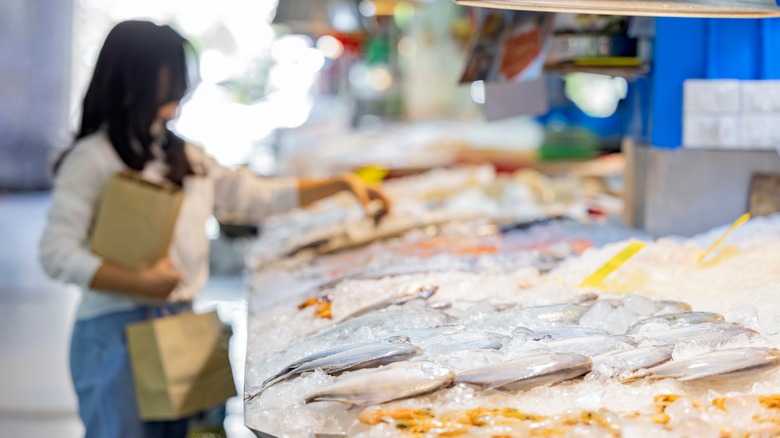
Don't procrastinate ordering your seafood or just opt for frozen, prebreaded fish, no matter how intimidated you feel. "I know this scares people, but it's not hard," Maricel Gentile says. "Just take time to select and prepare your fish with care." If you're buying a whole fish, ask your fishmonger to gut and clean it for you, she advises. Once you get it home, Thomas Odermatt says, do a thorough check for bones.
Moreover, always make sure your fish is dry before frying. "It's a small step, but it keeps the oil from splattering and helps the skin turn perfectly crisp," Gentile explains. "I also recommend making shallow diagonal cuts in the flesh, so it cooks evenly and your seasoning really gets in there."
5. Test your breading or batter recipe thoroughly
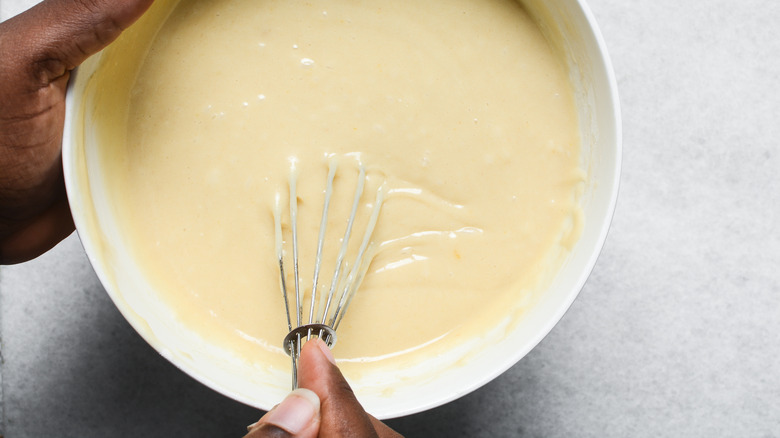
Neither breading nor batter is foolproof. To ensure a good result, you must test. "This is not the time for experimenting on a crowd," James Callery says. "Test that batter like it owes you money — crunchy, golden, and not sliding off the fish like a bad wig." Otherwise, he says, you might unintentionally serve something that tastes like soggy cornflakes.
For something easy, Thomas Odermatt recommends a light batter made with white wine, potato starch, flour, baking powder, and lemon zest. The coating will be crisp and airy, allowing the flavor of the fish to come through. Test in small batches to make sure you get it right. If you're feeling adventurous, try making and resting your batter in the fridge overnight. According to Gordon Ramsay, this is the easiest way to get crispier fried fish.
6. Select the right frying oil
Not all oils are created equal. Oils with a low smoke point will burn much faster than those with a high one (hence the name). "Use a neutral, high-smoke point oil like peanut, canola, or sunflower oil," says Andre Barbero, executive chef at Harpoon Willy's. "These oils won't overpower the fish's flavor and can withstand the 375 degrees Fahrenheit frying temperature." You'll still need to monitor the frying temperature, he cautions, but the oil itself is up to the job.
Since you're going to need a lot of oil, it's smart to buy in large quantities. Don't underpurchase, Maricel Gentile warns: The oil needs to stay clean, so you might have to switch it out during the event to avoid the fried fish becoming too greasy.
7. Set your sides and sauces menu
"The fish is the star of the show, but the sides can make things fun and interesting and help spark conversation," Andre Barbero says. "Traditional sides such as coleslaw and potato salad can be supplemented with interesting summer vegetable side dishes." Other options include corn on the cob, tomato salad with onion and basil, or boardwalk fries. Whichever options you choose, Barbero recommends preparing two to three sides and several sauces.
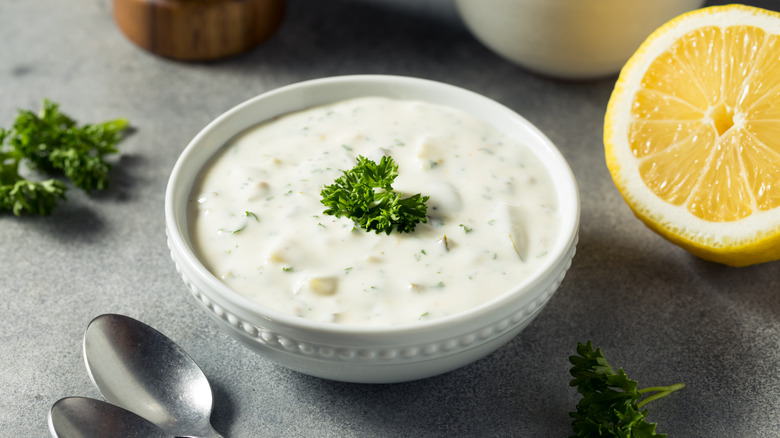
Speaking of the sauces, those really need to shine. Naturally, you're going to need a good tartar sauce, says Dennis Littley. A few types of hot sauce and a remoulade will also help take your fish fry from good to great, he adds. Do note, however, that these are standard American flavors from the Midwest and South. You can also go in other directions by incorporating world cuisines.
8. Try something different
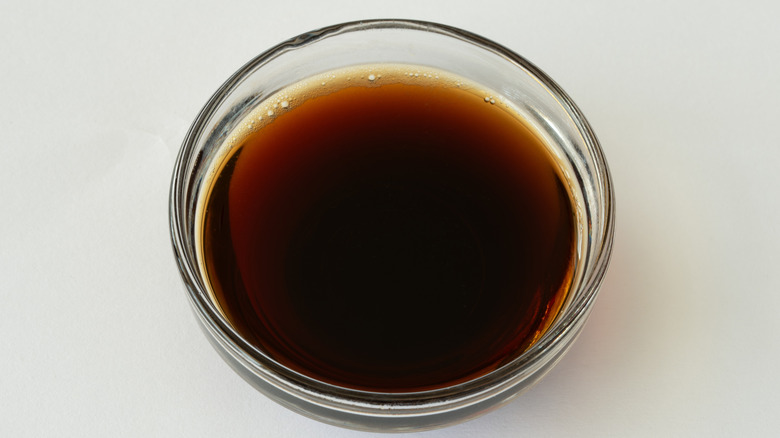
"Fried fish is universal," Maricel Gentile says, pointing out that fish fries are a communal way of celebrating across the world, including many parts of Asia. "In the Philippines, we serve whole fried tilapia or bangus (milkfish) with garlic rice and sawsawan, which is a dipping sauce made with vinegar, soy, and chilis that cuts through the richness perfectly." She also thinks Thai-style crispy fish is amazing with tamarind or chili-lime dressing. Chinese flavors might lean toward the sweet and sour with a light, crunchy batter.
As for sauce options, some of her favorites include ginger-scallion soy sauce or ponzu dip. Check your recipe to see if you should pour the sauce over the fish or serve it as a side for dipping.
9. Collect and check your equipment beforehand
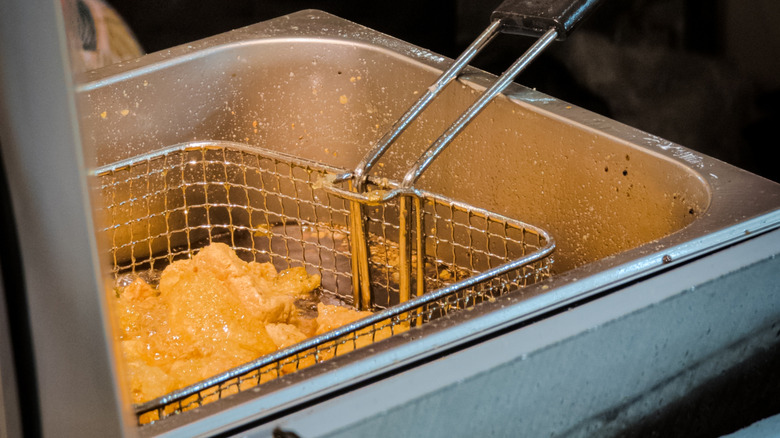
"There's nothing worse than a leaky fryer, a missing strainer, or a stubborn propane valve when guests are already arriving hungry," Rima Kleiner says. Make sure that doesn't happen to you by checking all of your equipment a week or two before. Don't put it off; if you live by the shore, equipment can degrade faster than you think due to the salty air. If you need specific pieces of equipment, such as a Chefman Deep Fryer With a Basket Strainer, a Hiware Stainless Steel Spider Strainer, or a Craft911 Deep Fry Oil Thermometer, you should buy and test items ahead of time.
Kleiner suggests you run a mock setup the day before to check that everything works well. Top up your propane tanks if needed. Make sure your burners ignite, your oil heats evenly, and your utensils do the job. "Even your serving trays, paper towels, and coolers need a quick inspection to avoid last-minute hiccups. Smooth tools equals smooth operation."
Chris Demaillet takes it to the next level, prepping a flow chart and sticking it on the cooler door so everyone involved knows how operations will go. According to him, lack of organization risks cross-contamination.
10. Plan for safety
Before you fry a single dredged fillet, it's important to remember: safety first. Don't let your fried fish become the exploding turkey of your cookout, Maricel Gentile warns. For starters, you must fry outdoors, never in your kitchen or garage. "Set your frying station on a flat, open surface away from foot traffic, kids playing, or anything flammable," Gentile says. "If it's windy, shield your fryer so the flame stays steady and safe."
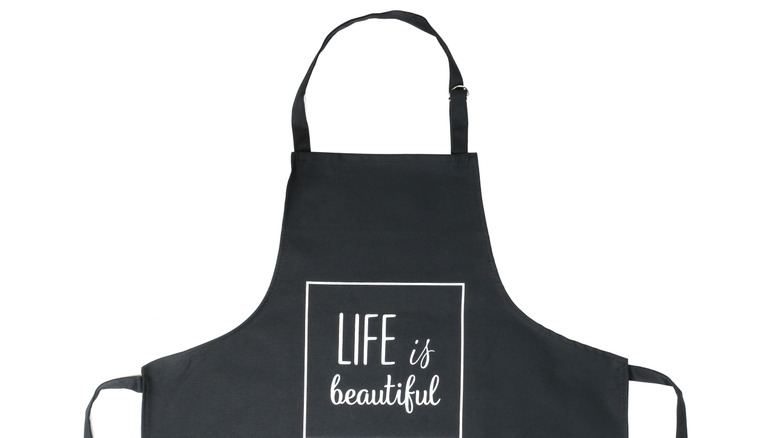
Next, make sure your frying station is well away from the seating area. Even if people aren't moving around, it's still not a good idea to be too close, Dennis Littley says. "Nobody wants hot oil splatter near the drinks table or the desserts." Plan to serve your fish on buffet tables that are distanced from the frying station, and make sure you've got appropriate clothing — something like a heavyweight Hudson Durable Goods Professional Grade Chef Apron will do the trick.
11. Appoint a fry boss
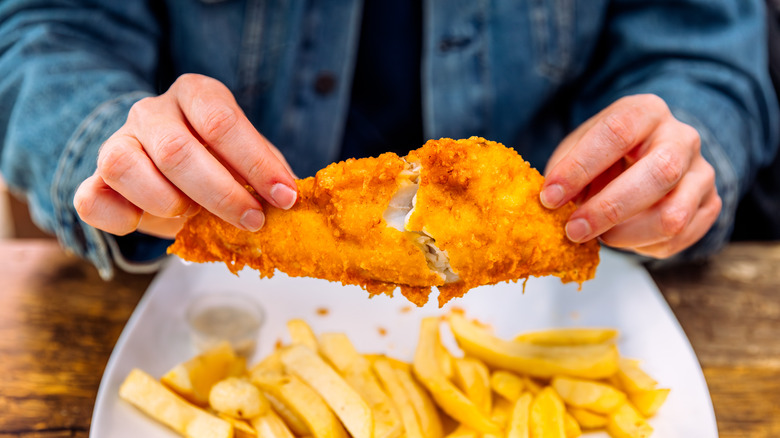
Get yourself a fry boss to help keep things running smoothly. Having someone you trust at your fish fry to oversee the main product with consistency and concentration is a huge help. "Rotating chefs can lead to uneven batches, oil disasters, or one very confused cousin deep-frying dessert by accident," James Callery says. (Though in the case of Twinkies ... are we really even mad about it?)
You should also ensure that the oil temperature is constantly monitored, even if the boss steps away for a wee. "If it drops too low, the breading will absorb oil and become greasy," Andre Barbero explains. Making sure there's someone who can step in when the fry boss needs a break or wants to grab some food themselves is also a great call.
12. Fry in batches and serve immediately
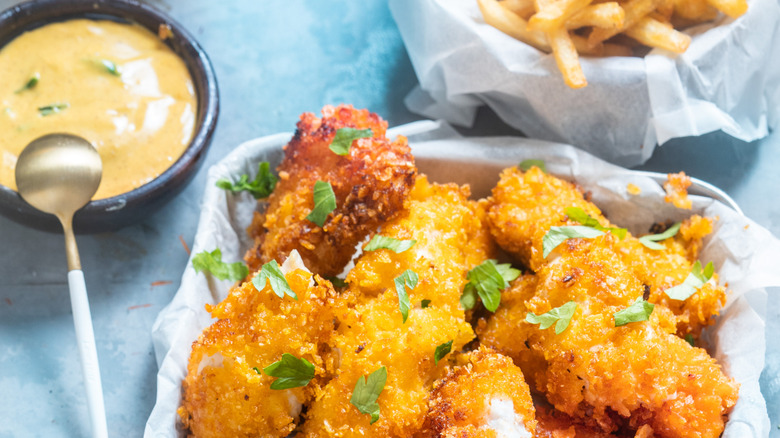
"The magic of fried fish is in its crispness," Thomas Odermatt says, and we're fully inclined to agree. While you can fry fish in advance for parties, it's better to simply send the fish out as it emerges from the fryer. That way, everyone enjoys it nice and hot. The best way to do this is to minimize the amount you have going at one time. "Fry in small batches and serve immediately so guests get that fresh-from-the-oil crunch," Odermatt continues. "Keep portions small (two-bite pieces) so they cook quickly and evenly."
If you really want everyone to have hot, crispy fish at the same time, you can use a warming oven. Set it to 200 degrees Fahrenheit, Andre Barbero says, which should maintain crispiness without sog. Make sure, if you're frying a separate product for vegetarians (say, tofu or veggies), that you account for this in your timings.
13. Serve food casually and mess-proof your gathering space
"Frying fish is a cooking method; a fish fry is a whole experience," Dennis Littley says. This inimitable blend of Southern comfort with Midwestern informality demands a laid-back approach to serving the food, as well as planning the recipes. Paper boats or trays both work, Thomas Odermatt says, along with disposable napkins (a Gezond 250-Piece Compostable Plates Set is one eco-friendly option).
Bamboo cutlery is also a win, saving you a lot of cleanup after the event, Chris Demaillet says. Another nice touch is to offer recycled‑paper take‑out boxes and a printed recipe for next‑day fish‑cake sandwiches. "Guests love it, and nothing ends up in the trash," Demaillet explains. "Nobody wants to cook such incredible fresh food and end up throwing some away."
Lastly, make sure to mess-proof everything from the get-go. Cover tables with butcher paper so you can remove and dispose of it easily afterward. If you can get hold of them, Maricel Gentile says, try covering tables with banana leaves — "Very Filipino and very sustainable" — and keep some hand wipes around.
14. Arrange for mingling and seating during the fish fry
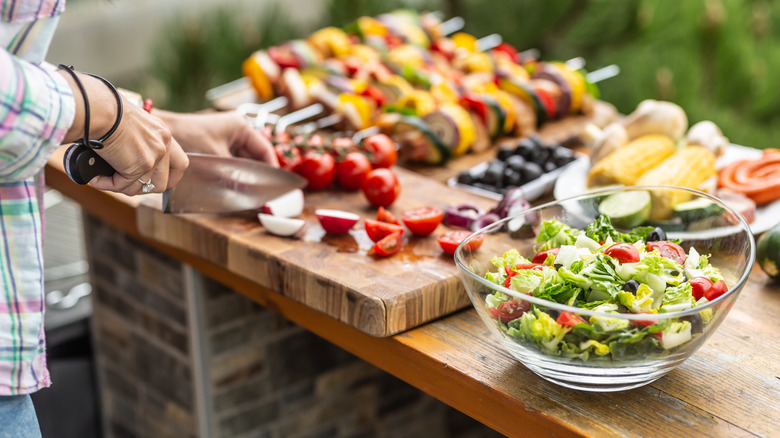
Fish fries are all about chilling with the people you enjoy the most, so it's important to arrange for mingling and seating. "Scatter standing cocktail tables near the fryer so guests can watch the action," advises Chris Demaillet, making sure to keep them far enough back for safety. "Reserve picnic tables farther back for families who want to settle in."
Lawn chairs, game areas, and a bar can all be strategically placed around as well. You can even give people jobs to keep them busy. "Have someone shuck corn, slice tomatoes, or plate the fish as it comes out of the fryer," Maricel Gentile says. "Someone good at making drinks? Put them on it." That way, everyone feels useful, included, and entertained.
15. Don't forget shade
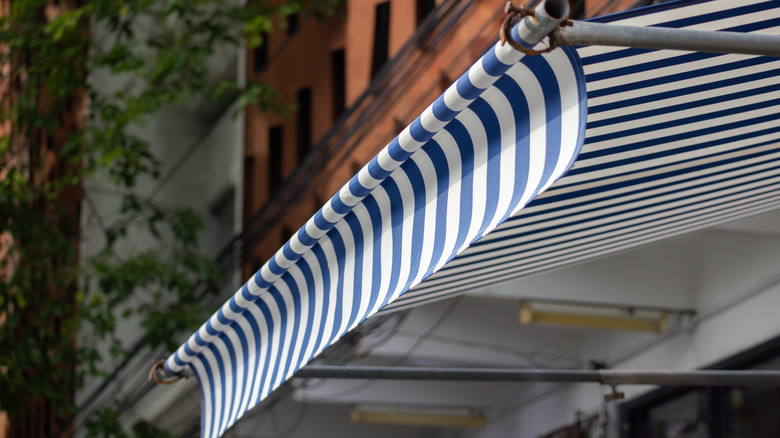
Fish fries can get hot, and not just because of the oil. Even in spring and fall, the sun beating down can put a damper on proceedings. "Set up shade with pop-up tents, big umbrellas, or even a clothesline with light sheets or fabric for cover," Maricel Gentile advises. A Crown Shades 10x10 Pop Up Canopy is one way to go, but there are plenty of other DIY options.
If it's really going to be a scorcher, Gentile says, make sure to provide other cooling mechanisms as well. "Keep cold drinks flowing and have plenty of water on hand," she advises. "A fan or small misting station goes a long way, especially for kids or older guests." The only caveat is that you should never put your fryer under the tent or umbrella. Also, make sure your tents are secured: "A gust of wind blowing your shade into hot oil is not the kind of excitement you want."
16. Account for entertainment
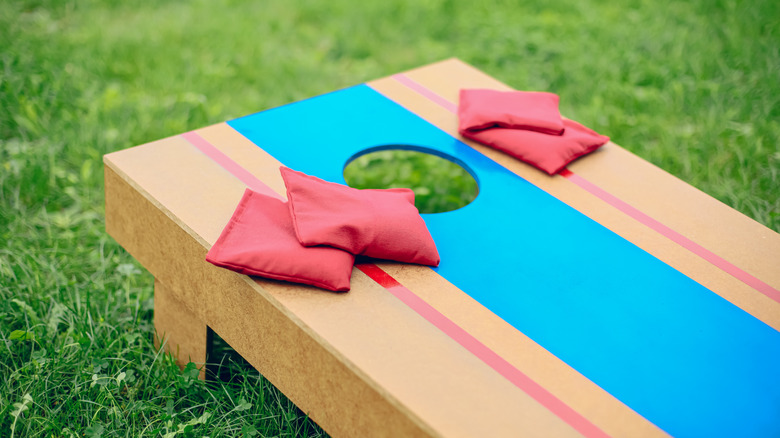
First up, gotta get those tunes going. "A good quality Bluetooth speaker with a summer playlist or a kid‑friendly lawn‑game corner keeps folks happy during inevitable fryer lulls," Chris Demaillet says. "When guests see you've thought through comfort and fun, the food tastes better." If you're in the market, a MusiBaby Bluetooth Wireless Speaker could do the trick.
Next up, yard games. Cornhole and ladder toss are easy activities that both children and adults can get behind. A DIY photo booth is another fun option, Rima Kleiner says, and a table with themed snacks — goldfish crackers, gummy worms, or Swedish fish — will be appreciated by the younger set. (Because the older set would never eat all the Swedish fish while no one was looking. Ahem.)
17. Add some fish-themed decorations and gifts
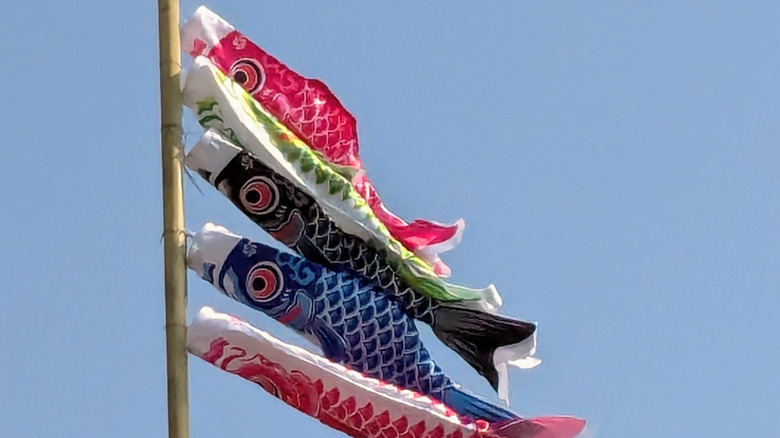
Themed decorations never hurt anyone. If you want to dress up like Long John Silver or Captain Jack Sparrow, well, no one's going to stop you. However, if you don't have that kind of enthusiasm, or your rubber apron will spoil your costume, no worries ... you can still throw up some decorations and send your guests home with a packet of Swedish fish.
"You don't need to throw a Pinterest party, but a fish-shaped banner or funny aprons can turn "dinner outside" into "event of the summer,"" James Callery says. "Plus, themed napkins mean nobody cares if they spill tartar sauce on themselves. Instant party win." In need of a few ideas? Try some Shark Paper Napkins or Fish Hand Towels.
18. Don't go overboard if it's your first time
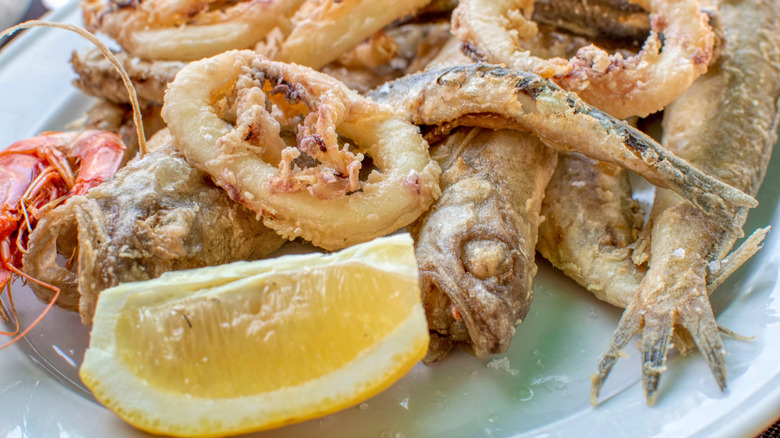
First time throwing this kind of shindig? It's better to fry confidently than to drop the ball because your menu was off-the-charts, Maricel Gentile says. "Start with the basics," James Callery agrees. "You do not need a six-fish buffet and artisan sauces made by monks." Shoot for edible and fun the first time around, he advises. "The second fish fry can be your masterpiece." (Honestly, if you reach Michaelangelo status on Take Two, our hats are off to you.)
Thomas Odermatt agrees that having fun and keeping the menu manageable are the most important tips. "As my Swiss fisherman friend taught me, the best parties start with truly fresh fish and stay rooted in simplicity." That, he adds, is where the magic happens.