

The Best Ways To Shop At Whole Foods If You're On A Budget
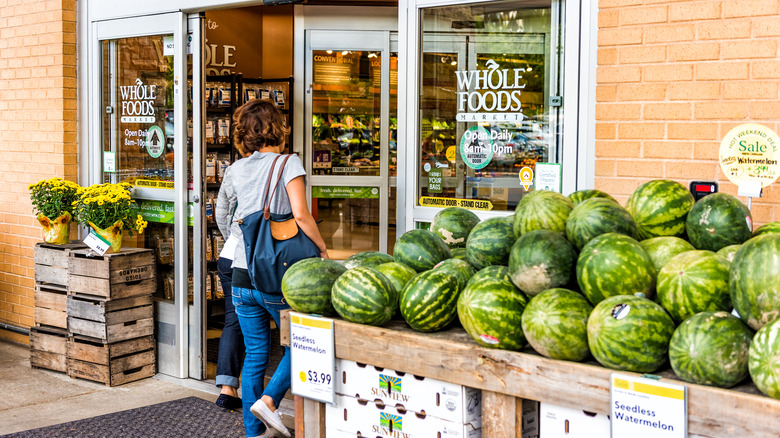
When you think of Whole Foods, the first word that pops into your head might be: expensive. Nicknamed "whole paycheck," the store has long carried a reputation for high prices. Despite its high price (and share of controversies), though, many customers remain loyal, and for good reason. Alongside its pricey reputation, Whole Foods is also known for its high-quality, sustainable, specialty selection. Whole Foods is unique in that it upholds its store offerings to a specific standard. The grocery chain prides itself on strict ingredient standards (including no artificial coloring), ethically sourced meats and seafood, and a curated selection of specialty items you won't find elsewhere.
Since being acquired by Amazon in 2017, Whole Foods has made a concerted effort to shed its pricey image by gradually lowering prices and offering more deals, especially for Prime members. With the right approach, shopping at Whole Foods on a budget is not only possible but can also be surprisingly rewarding. To help you make the most of it, we put together a list of the 9 best ways to shop at Whole Foods if you're on a budget.
Go for the 365 Whole Foods brand
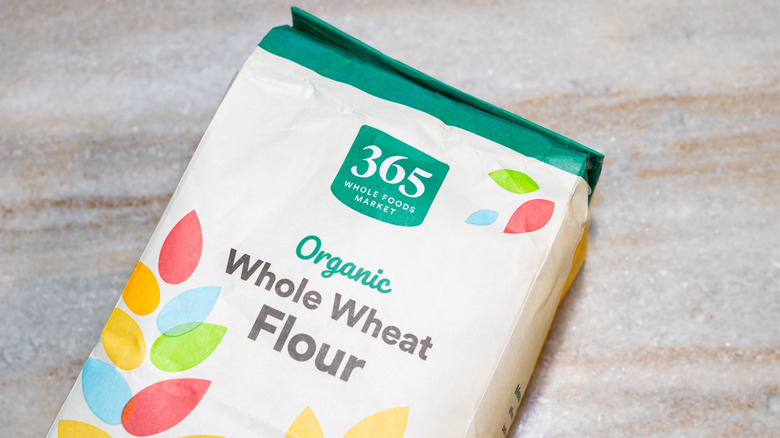
Whole Foods carries a wide range of products from third-party suppliers, making it a great place to discover smaller, specialty brands you might not find at a typical grocery store. However, those products often come with a higher price tag.
If you take a closer look, though, you'll also find Whole Foods' more budget-friendly private label: 365 by Whole Foods Market. With over 3,500 items available, the 365 line mainly includes everyday grocery essentials like pasta, grains, canned goods, bread, dairy, and pre-packaged produce. It also extends to less conventional grocery store items, such as vitamins, snacks, frozen meals, and even eco-friendly cleaning products. What sets 365 products apart from other grocery store generic brands is that they're consistently priced lower than many name-brand or third-party options, while still meeting Whole Foods' rigorous quality standards. If you're looking to save without sacrificing values like clean ingredients and ethical sourcing, 365 by Whole Foods Market is one of the best ways to do it.
Use the Amazon Prime discount
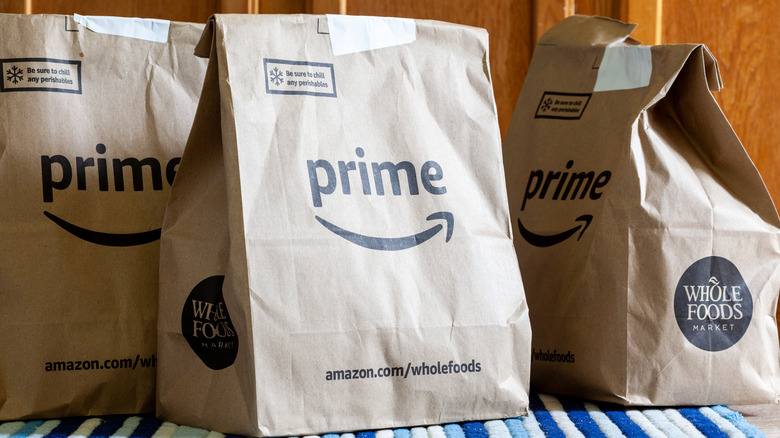
You may already be using Amazon Prime for all your online shopping needs, but have you tried using it to save money at the grocery store? Since Amazon acquired Whole Foods, Prime members have access to exclusive discounts just by scanning their Prime code at checkout. These weekly deals include popular offers like $2 off rotisserie chickens every Tuesday, and $1 oysters and $12 hot pizzas every Friday. On top of that, Prime members also receive an extra 10% off all sale items throughout the store. All of these deals can be unlocked by simply scanning your Amazon Prime code at checkout.
And the budget shopping perks don't stop there. If you're pressed for time or don't live near a Whole Foods location, you can also take advantage of Whole Foods Prime Delivery. Just link your Amazon Prime and Whole Foods accounts, place your order online, and have your groceries delivered straight to your door. The service is free to try for 90 days and continues for $9.99/month after the trial, making it a convenient and potentially cost-effective option for busy schedules.
Shop the weekly sales
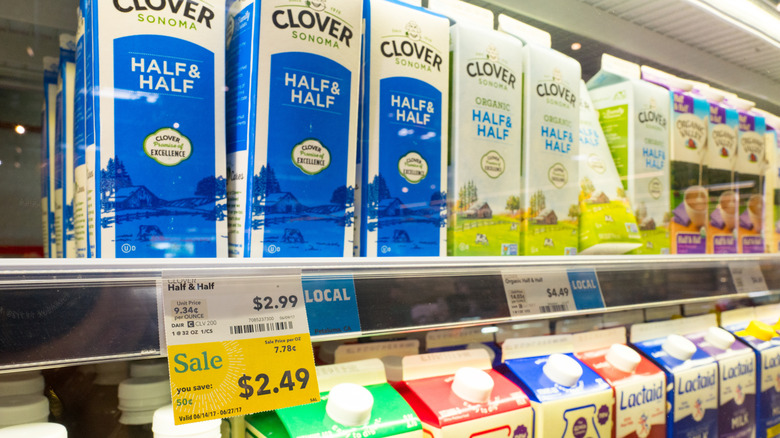
Whole Foods regularly offers a rotating selection of items on sale, from meat and produce to pantry staples and snacks. You can spot these deals in-store by looking for the bright yellow sale tags, or browse them ahead of time using the Whole Foods app. When planning your grocery list, it's worth checking the app to see where you can shave off a few dollars, especially on items that tend to be more expensive. One extra hack to know is that sales refresh every Wednesday. This is likely when the on-sale items will be the freshest or most readily available.
In addition to being a solid money-saving strategy, shopping the sales can also inspire your weekly meal planning. Since different products go on sale each week, it's a great way to break out of a cooking rut and add some variety to your meals while still shopping on a budget. Try building your menu around what's discounted, and you might discover new ingredients or dishes you wouldn't have considered otherwise.
Shop the bulk section
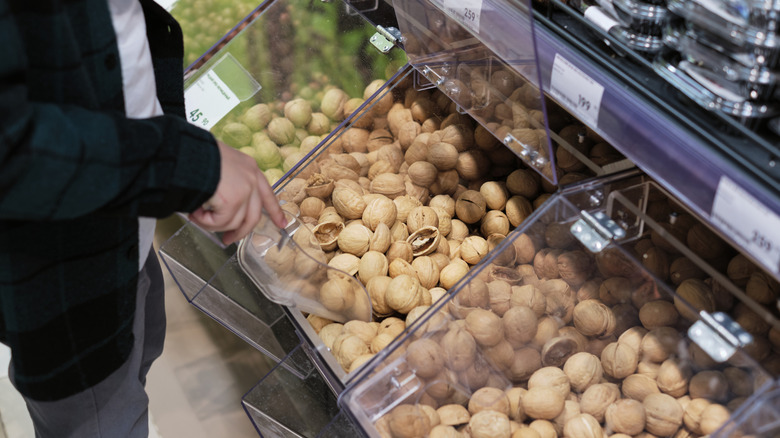
One unique feature Whole Foods has that many other grocery stores lack is a bulk section. The bulk section offers a wide selection of pantry staples like grains, legumes, nuts, seeds, spices, and even snacks, all sold by weight. Whether you need a large quantity of brown rice or just a handful of almonds for a recipe, the bulk section lets you buy exactly the amount you need.
Because you're not paying for packaging or brand premiums, bulk items are often significantly cheaper by volume than their pre-packaged counterparts. This flexibility also helps cut down on food waste because you're not stuck buying more than you'll actually use. Just be mindful of certain items that may appear in the bulk section but aren't actually great deals. Pre-mixed snack blends or specialty nuts should be avoided at Whole Foods and can sometimes be priced higher than expected. With a little awareness, though, the bulk section is an especially useful budget hack for trying out new ingredients or stocking up on basics you already know and love.
Look for the odds and ends basket in the cheese section
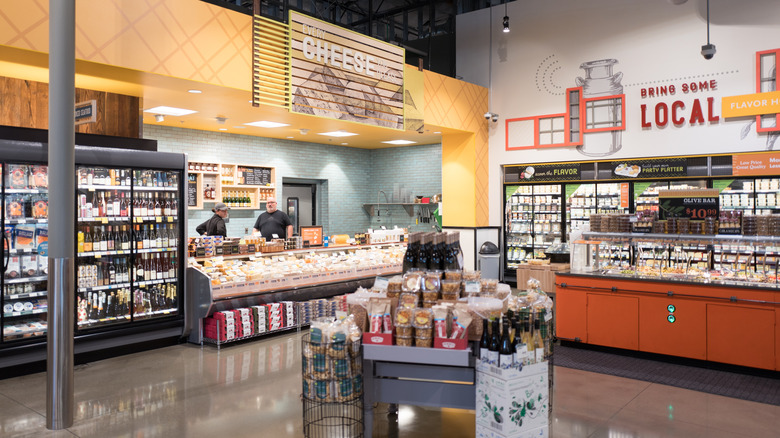
Cheese is one of those items that may be breaking your bank. If you're looking to throw a little wine and charcuterie party, you may be dreading purchasing many expensive, quality blocks of cheese. It turns out, though, that filling your cheese board with Whole Foods products may be an unexpected hack. Hiding likely at the end of the cheese corner is a basket of smaller chunks of cheese. These pieces are the scraps of more uniform cuts of cheese, so they're not always the prettiest cuts. They are extremely high quality, though, and because they're priced by weight, you'll be able to pick up and try a variety of high-quality cheese pieces for a lower price tag.
This hack comes in handy if you only need a small amount of cheese for a specific meal or if you're throwing together something requiring a variety of cheese options (like a cheese board). You'll purchase just the amount you need and get to try out a few new cheeses!
Avoid prepared and pre-packaged items
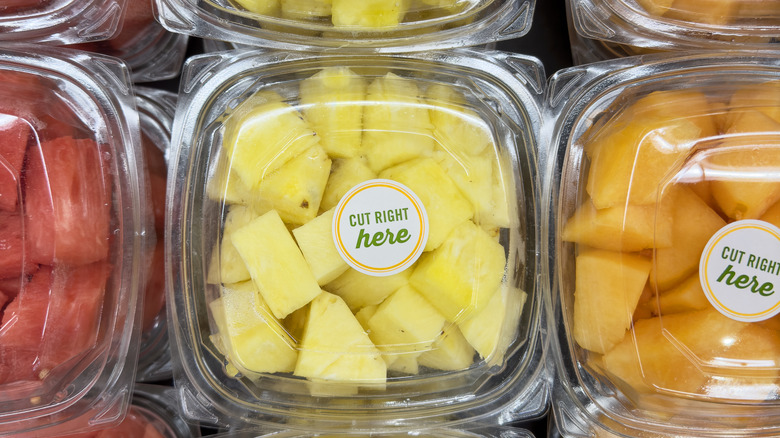
As tempting as it might be to grab that pre-cut pineapple or container of chopped veggies, trust us and skip it. Pre-cut produce may save you a few minutes in the kitchen, but it comes at a literal cost. Not only is pre-cut produce packaged in excess plastic (so it's worse for the environment) and more likely to be contaminated with bacteria, but it is not great for your budget.
It's best to avoid pre-cut produce to save money. Pre-packaged and pre-cut foods can be twice the cost of buying their whole counterparts. That's a huge markup for just a few minutes of convenience. Additionally, pre-packaged produce has a higher chance of spoiling, increasing the odds that your food (and hard-earned money) will go to waste. Once produce is cut and its protective peel is removed, it bruises more easily and starts to degrade faster. And since you don't know exactly when it was sliced, you're taking a gamble on how fresh it actually is.
The same goes for many of Whole Foods' pre-packaged prepared foods, like guacamole, salsa, and pasta salads, which can be some of the most overpriced Whole Foods items. While some are better than others, most of these prepared items can easily be whipped up at home for a fraction of the cost. Do your wallet a favor and avoid the pre-packaged section.
Don't be afraid to ask employees for half-portions
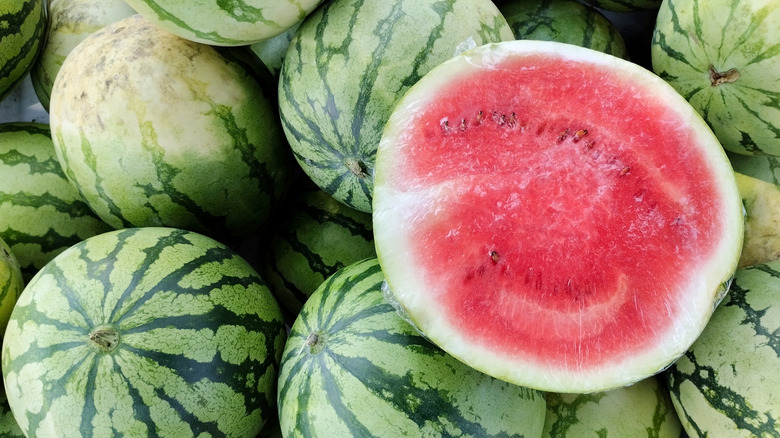
How many times have you brought home a whole cabbage, only to watch half of it wilt in the back of the fridge? Even when stored properly, produce and other perishable items can be hard to finish before they go bad. Whole Foods has a fun way to help solve this problem with their "cut-to-order" policy. If an item feels like too much for your needs, you can simply ask a team member to cut it down for you. This applies to a variety of items, from large produce like melons and cabbage to loaves of bread, blocks of cheese, and even cuts of meat.
Using this hack is a simple but highly effective way to reduce waste and save money, because you're only buying what you'll actually use. Next time you're eyeing a massive head of cauliflower or a big artisanal loaf, remember: you don't have to commit to the whole thing.
Order directly from the meat counter
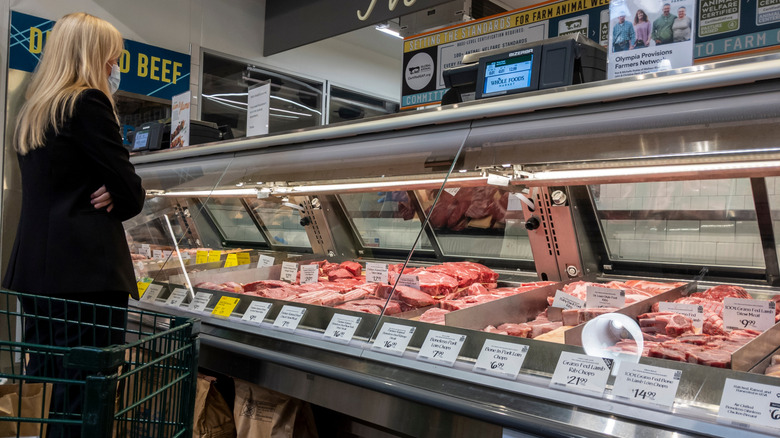
Another smart way to save money while also reducing waste is by shopping directly at the meat and seafood counter. Whole Foods is known for offering high-quality, responsibly sourced proteins, and the counter is where you'll find the freshest selections. While it might be tempting to grab a prepackaged cut from the refrigerated section, buying directly from the counter gives you more control over what and how much you're buying.
Need just one chicken breast for a recipe? Or a small amount of ground turkey for a weeknight dinner? The team behind the counter can portion out exactly what you need. This helps you avoid overbuying, minimizes food waste, and lets you stick more closely to your budget. It's also a great way to mix and match proteins throughout the week without committing to large quantities of one item.
What's even better is that the meat and seafood counter often features exclusive deals that aren't always reflected in the prepackaged section. This counter is often the place for in-store promotions, weekly specials, and Prime member discounts.
Don't be afraid to ask employees for snack samples

Don't be caught spending money on a snack you don't actually like. While Whole Foods, like many grocery stores, often has free samples displayed throughout the store, there's actually another lesser-known way to try something before you buy it. Whole Foods has a "try before you buy" policy, which means you can ask for a sample of almost any snack on the shelf, even if it's sealed.
To take advantage of this budget hack, just find a team member, and they'll be happy to open the item so you can give it a taste. Whether you're eyeing a new granola, bag of chips, or trail mix, sampling it first lets you make an informed choice and avoid wasting money (and food) on something you don't love. It also gives you the opportunity to branch a little outside your comfort zone. Who knows? That new bag of chips might be your new favorite thing!