

What Is Botanical Beer?

We may receive a commission on purchases made from links.
If you've ever taken a drive through Wilder, Idaho, it's likely that you've seen the tall, lanky rows of beer hops. As the United States' second-largest producer of hops, those Idaho crops often represent hundreds of gallons of beer just waiting to be imbibed. What you may not have paid attention to on your road trip are the rows and rows of lavender plants that grow just about 40 miles away in Weiser, Idaho. And as it turns out, the very plants that make up your lavender ice cream and sweet-scented bath beads are also the stuff that beer is made from — botanical beer, that is.
Not all botanical beers contain lavender, and many are made without hops. In Germany, botanical beer is known as "gruit" instead of "beer," thanks to a law passed in the 1500s. Called Reinheitsgebot, the law was intended to save more wheat and rye for the bakers' ovens and more barley for the brewers. Here we'll dive deeper into how botanical beers are made, what ingredients they often contain, and every detail in between.
What is a botanical beer?
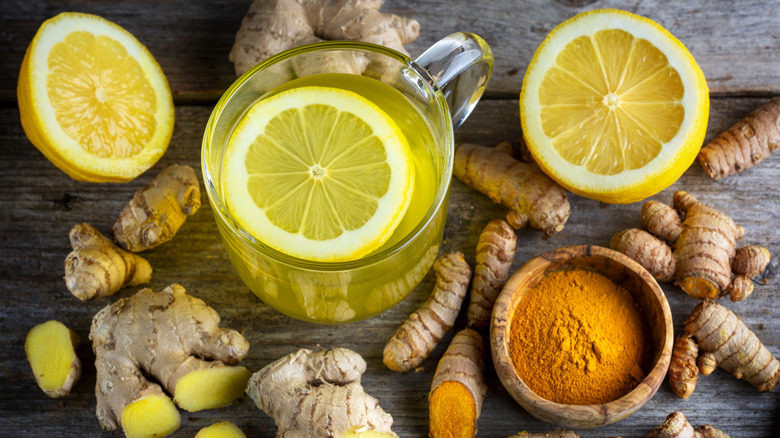
Botanical beers, also known as herbal beers or gruit, represent one of the more flavorful trends in craft beer-making. These fermented alcoholic drinks boast the bitterness of beer (though not always) without needing to tap hops and barley as key ingredients. It can be argued that botanical beers were really the first beers to exist, as using hops didn't really become a thing until the Middle Ages. Before that, beers made with botanicals were the norm.
While some botanical beers contain this now-common ingredient, many do not. Instead, these brews can be made with ingredients like basil, rosehips, ginger, lemons, anise, lavender, and even coffee or chocolate. And one mustn't forget about edible flowers. Marigolds, sweet osmanthus flowers, and elderflowers might find their way into your fermented herbal brew, too.
Additionally, these crafty adult beverages can include locally foraged items, like wild thyme, reishi, and chanterelles mushrooms. If you're really fortunate, the craft brewery you visit might even use wild yeasts to create its concoction. Some breweries also use localized ingredients for an added punch.
How is botanical beer made?
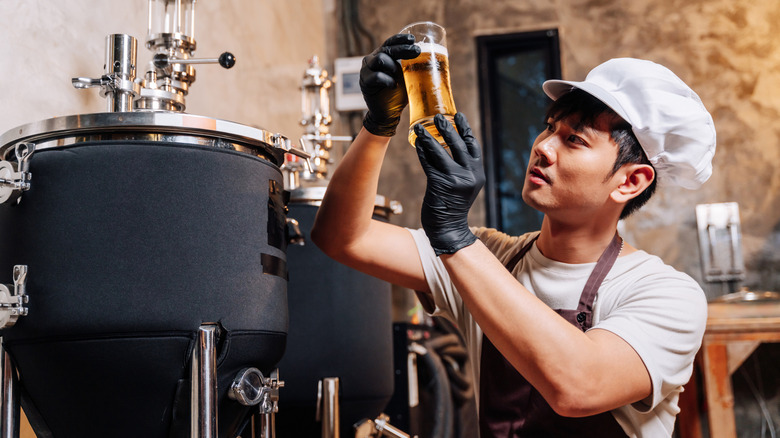
All beer, whether traditional or botanical, is fermentated. Beer and gruit typically undergo two phases of fermentation. Essentially, water is boiled and sugar is added. The wort, or sweet infusion, is added, and then eventually yeast.
The gruit mixture is allowed to sit at temps around 68 to 70 degrees Fahrenheit. Once the bubbling stops, the mix gets checked for sweetness. At this point, the brewer reads the alcohol levels periodically via the gravity reading. When the second phase of brewing is finally done, the gruit goes into sanitized bottles. It's in the second phase that much of the aging occurs. Unlike the first phase of fermentation, the second phase sees very little in the way of yeast activity.
The flavoring from the botanicals can be added to either the first or the second phase of the fermentation process, depending on the desired flavor and effect that the brewer wants. If you add the botanicals to the boiling phase, you'll get a more subdued flavor. To give the beer's flavor more of a kick, some brewers add these ingredients to the second phase of fermentation.
Botanical beer vs. hops beer

While it might seem like semantics, there is a difference between hops-based beers and gruits. While botanical beers are still often called "gruits," probably as a throwback from the Reinheitsgebot laws of the 16th century, the international definition of beer has broadened a bit since then. According to the Internal Revenue Code of 1986 (IRC), beer is beer if it's made from malt, in part or whole, and by volume, it must have at least an alcohol content of one-half of one percent. There are some exceptions allowed for the malt, including rice, bran, and molasses.
The ingredients for gruit come from tradition and from beer laws of the 1500s, though the variants you find today definitely reflect modern tastes and sensibilities. At one time, both beer makers and bread makers vied for control of wheat crops since both vendors needed the wheat for their wares. To that end, it was determined that beer was only truly beer if it had hops, barley, and water. This left wheat for bread and other stuff for gruit and other concoctions. The other issue at stake was the origins of gruit. German Puritans associated gruit recipes with pagan rituals, practices they wanted to put the kibosh on.
In general, beer-making today may be a bit more relaxed by 16th century standards. As such, ingredients for beers and gruit recipes may overlap, particularly when it comes to home-brewing. However, some traditionalists will still make a distinction between beer and gruit, due to the distinctions made throughout the history of beer-making.
Taste and nutritional breakdown
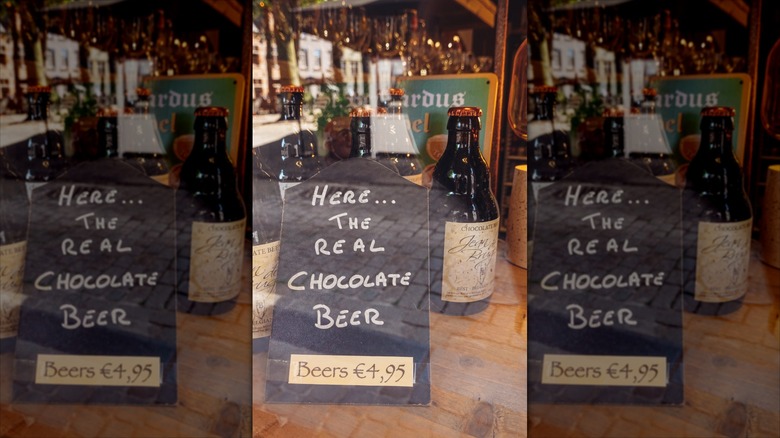
On the one hand, since botanical beers are fermented, just like regular hop beer, any gruit you drink will have that fermented kick of a taste that you usually associate with your favorite brew. However, that's where the similarities may end, even if the gruit happens to contain hops and barley, a traditional beer's go-to ingredients. The flavor of the brew depends on the herbal beer recipe you opt for. For example, a ginger beer that features overtones of citrus tastes a great deal different than a coffee or chocolate beer might, even if both contain hops.
This characteristic of botanical beers is what makes them so much fun to drink and such a good option to break out during a celebration. Imagine what a beer infused with the flavor of pine needles and juniper berries would taste like at Christmas. Or what a licorice-flavored beer during Halloween would be like. That's an argument for trying a number of different kinds of botanical beers. You'll never run out of flavors or occasions to drink them.
Along the same lines, it's worth mentioning that the nutritional breakdown of herbal beers –and not just their taste – will also change based on the selection of botanicals. For example, a berry beer may boast 1.1 grams of protein, while a good ol' can of Budweiser might offer only .36 grams of protein. In other words, knowing a gruit's nutritional value often comes from simply taking a gander at the bottle.
How to cook with botanical beer
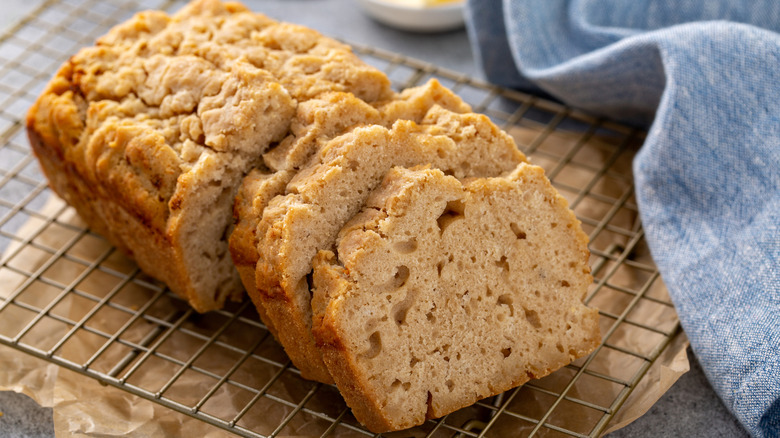
There's an argument for cooking with a botanical craft beer versus a commercial beer. However, it's helpful to know why you should cook certain dishes in beer batter – battered fish, for example – before discussing why the recipe might taste even better if it's made with a botanical beer instead of hop-based beer. Take your average beer-battered fish or onion rings or beer bread recipe. All of them require yeast as a leavening agent. Beer contains yeast as a key ingredient. Cooking with it serves the same function in the recipe that a packet of Fleischmann's instant dry yeast does. Basically, you'll get battered fish or rings or bread that's light and fluffy (and really yummy, thanks to the malty flavor of the beer).
Now for the advantages of using a gruit, or even a craft beer that's almost a gruit, thanks to its botanical ingredients, instead of a commercial beer for these dishes. These beers come with extra flavor brewed right in, so to speak. If you usually eat your fish with lemon, it's not hard to imagine how a lemon-flavored beer might enhance your favorite fish recipe. Or if you enjoy basil bread, a gruit infused with basil would likely taste amazing as a base for your quick bread beer bread recipe. In short, whatever herbs or spices you normally cook with can be added to your dish via the beer you put into it to create a subtle flavor profile you might not achieve any other way.
Where to buy botanical beer
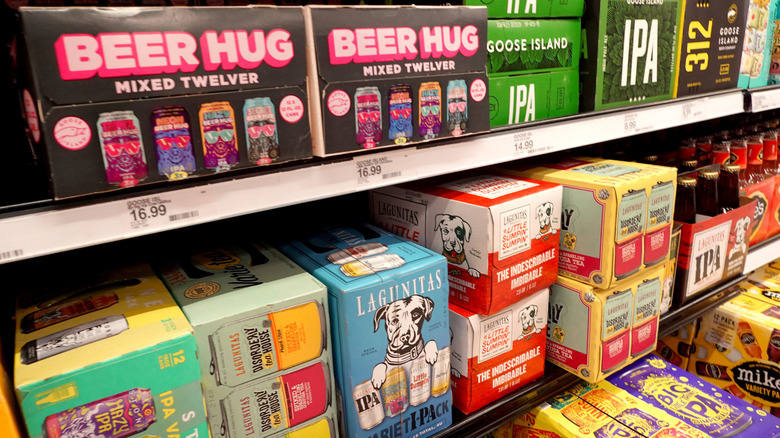
Despite their sometimes unusual ingredients – seeds and mushrooms – and flavors – Oreo truffle, possibly with coffee beans – you can find many herbal beers in normal places. Your local supermarket shelves – probably not far from the wine from the local winery – are a good place to start. Your best bet here is to head straight for the craft beer section.
And speaking of craft beers, you may be lucky enough to find one or more craft brewers in your city or state. To enjoy those, a visit to the brewery is most likely in order because while you may find that brand of beer in the local supermarket, it's less likely that you'll find it available to ship. Although most states in the U.S. allow you to ship wines direct-to-consumer, this isn't the case for beers. While this is good news for wine-of-the-month clubs, it isn't good news for beer fans. On the plus side, this gives you an excuse to tour some breweries in your state. The U.S. boasts over 7,000 craft beer breweries, so you should find a couple you'll like.
And speaking of beer tours, you should know that many states hold craft beer festivals. You might end up at a craft brewery a couple of states over. Or you may end up at a botanical garden, as is the case for beer festivals in Idaho, Missouri, and Atlanta. That these are held at the state's botanical gardens makes total sense given that they're botanical beers and all. Just hit a few botanical beer festivals and craft breweries to taste the most craft beers while traveling.
Where to buy ingredients to make botanical beers
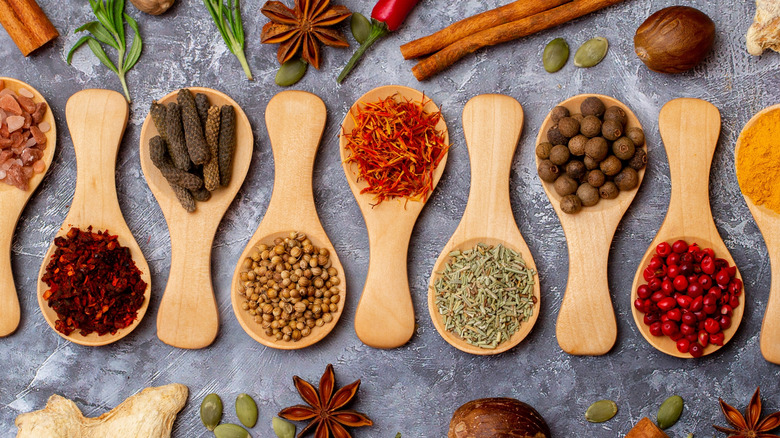
If you're a true craft beer fan, then you may eventually feel the itch to take your love of botanical beers to the next level and craft a batch of home-brewed beer yourself. Right off the bat, we should say that it is assumed that you have some home-brewing know-how and the equipment to do it. As such, this section will mostly concern itself with where to find the ingredients you'll need to make gruit. Generally speaking, you'll find the ingredients to make botanical beers in a few different places.
Companies like American Spice offer ingredients that are specifically earmarked for home-brewing. Listings from companies such as this include spices like coriander, allspice, and ground nutmeg. Having a ready-made list of possible botanical beer ingredients and a page or pages dedicated to that specifically helps you narrow down the ingredient possibilities if overwhelm sets in. You'll find similar items on Amazon as well as recipe books like "Herbal Beverages & Aphrodisiacs" by the Plant Healer brand. The latter resource is helpful if you need some ideas about the kinds of ingredients that make up a solid home brew if you've never tried making a batch of brew before.
Finally, it's also possible to find brewer's kits that come with the ingredients for the beer, like Brewer's Best India Pale Ale kit or something from Bootleg Botanical's wares. These types of resources give you a further leg-up in the beer-making process by gathering together the ingredients and in the right measure. All you need to do is brew them up.
Varieties of botanical beers
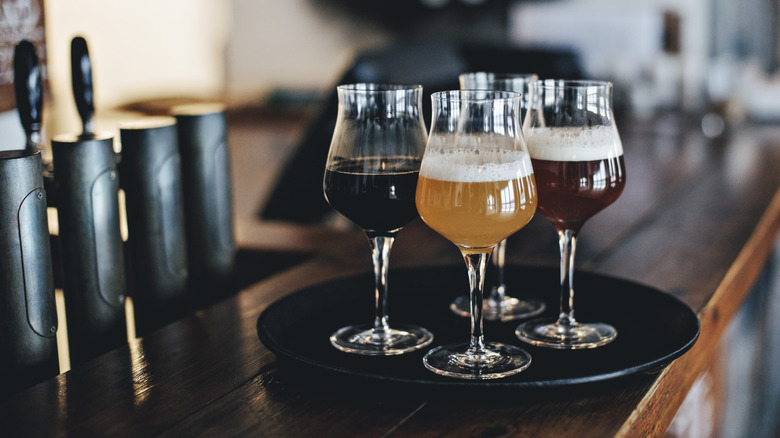
The varieties of craft botanical beers you'll find are limited only by the available ingredients (and the combinations thereof) and the number of craft breweries and gruit beer festivals. (This doesn't even include the concoctions you might come up with for your home brew.) In other words, there is practically a limitless supply of herbal brew recipes up for the taking. Additionally, in your search, you'll need to make the distinction between gruits that only include botanicals like herbs, seeds, honey, spices, foraged fare, and flowers, and traditional hops-based beers that also embrace some of those types of herbal beer ingredients. As such, you could have a pilsner or lager that offers hints of herbs, spices, and other botanical elements, too.
And none of this even considers the variations that could come from using the same ingredients in different ways and different amounts. Here's how that might look. Imagine that there are two different brewers who want to make a citrus-based beer with ginger overtones. One may go through 30 types of citrus and dozens of iterations of ginger before deciding on a recipe. The other may use greater or lesser amounts of the same citrus or ginger varieties, but creates a completely different brew because of the slight tweaking of the recipe. And this also doesn't account for the craft brewer who might use the same ingredients, but add them into the brew in the first phase of fermentation instead of the second. Or vice versa. For the true botanical beer fan, the sheer number of gruit offerings is staggering and reason enough to try more than a few of them.
How to store botanical beers
The flavors in botanical beers can be delicate because of the diverse ingredients. As such, you'll need to give heed to the recommended temps for these beverages. Typically, storage temperatures of between 45 degrees Fahrenheit and 55 degrees Fahrenheit give you the best results. Some beer pros recommend going as low as 38 degrees Fahrenheit (if you store it in the fridge). Avoid extreme heat or cold because the beer doesn't respond well to that.
You'll also want the place where you store the craft beer to be dark and dry. The UV rays in light have a yucky effect on the beer. Moisture can affect it negatively as well. Make sure the beer is air-tight. Beers should also be standing upright when you store them, unlike wine, which is best stashed on its side. Vibration also wreaks havoc with the beer, so avoid putting it somewhere like near a shaking washing machine.
Finally, the alcohol content of the beer makes storage an individual thing. More to the point, beers with ABVs, or alcohol by volume, of 8% or higher don't go South as quickly as beers with a lower alcohol content. You'll want to pay attention to your botanical beer's alcohol content before you find a hiding spot for it in your pantry. If it has a higher ABV, you don't have to drink it right away. If it doesn't, plan on breaking into it sooner rather than later. That said, you'll usually have three to six months to drink the beer before it turns to yuck.