

Everything You Need To Know About The Average Lifespan Of Kitchen Appliances
Appliances can be expensive, and they're not something most people are looking to replace every couple of years, I'm sure. From the easily portable air fryer to the relatively permanent fixtures like ovens and refrigerators, we'd definitely like them to last as long as possible. Not to mention, we want them functioning at the peak of their ability — for convenience, fast prep and cooking times — and the electric bill's sake.
Beyond basic functionality, kitchen appliances can suffer from minor defects, which can drastically alter the outcome of your recipes, even if you're not making something complex like croissants or Gordon Ramsay's notoriously challenging Beef Wellington. Whether you just bought a shiny new electric cooktop or moved into an apartment with the oldest microwave you've ever seen, here's everything you need to know about the average lifespan of each common appliance, and what you can do to extend it.
Refrigerator
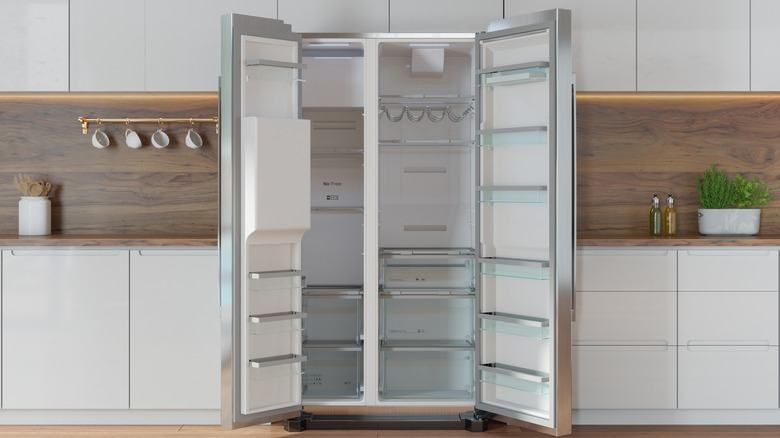
The average lifespan of a refrigerator is about 11 years. It's important to stay tuned in to the condition of your refrigerator so you don't have to worry about hundreds of dollars of groceries going to waste if it peters out while you're on a weekend getaway. If your energy bill goes up unexpectedly, or the outside of the fridge starts getting hot, these could be signs that your fridge might need to be replaced or repaired. Other indicators include excess condensation, the motor is constantly running (or gets noticeably louder), or food starts going bad more quickly than usual.
Tip: Avoid browsing the fridge with both doors wide open to preserve energy and protect the motor of your fridge. Knowing what you want or need before you open the door helps keep your electric bill down and extend the life of this essential appliance. Another small change you can make is to put all the cold food away at once when you bring home groceries, so you're not constantly opening and closing the doors; the same goes for frozen food.
Microwave
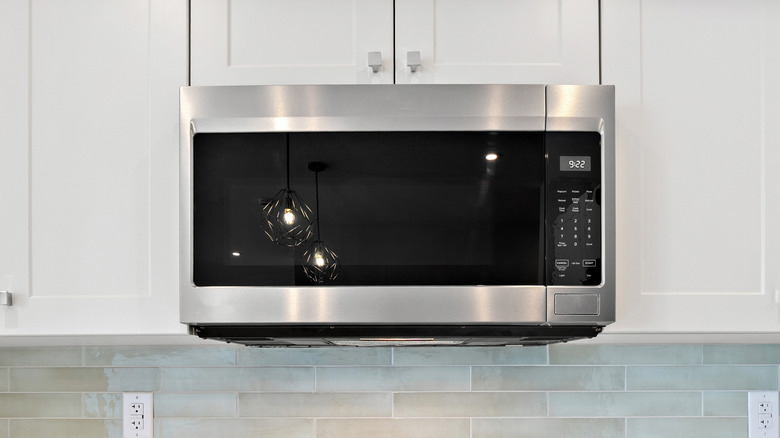
Microwaves can last approximately eight years with regular usage and no excessive bad habits that would shorten their lifespan. However, with low usage, proper maintenance, and a reliable brand, your microwave can last even longer, potentially exceeding 10 years. Keeping it clean is one of the best ways to extend this appliance's contributions to your kitchen over the next decade or more. Excess food left in the microwave will not only start to smell weird, but it will also affect the taste of everything you microwave after it. Ever tried to microwave a mug of water for tea right after someone made bacon? Yikes!
Another way to protect your microwave is a cardinal rule that has seemed to slip through the cracks in recent years: only use microwave-safe containers. Metal can spark and damage the interior, and melted plastic smudges will build up over time, causing problems beyond the horrible smell of burnt plastic, such as chemicals leaching into your food. Ensure your microwave is positioned in a space with good airflow to allow for proper ventilation and prevent overheating. Avoid slamming the door or pressing the buttons too hard — there are many delicate mechanisms that can be damaged.
Cooktop
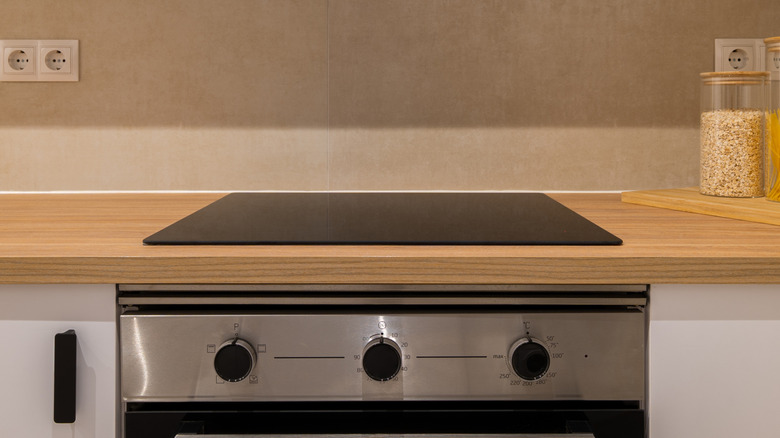
Electric stovetops can last 13 to 15 years, but they have more technical electrical elements, such as control panels and buttons, that can become damaged or have their functionality diminished by getting coated in food remnants and other cooking residue. As with many things, more elements mean more fancy features, but they also come with a higher chance of an issue arising. Cleaning this appliance is absolutely necessary. Also, if you encounter any error messages, don't be afraid to look them up online (if, like me, your manual is long gone) and try out the troubleshooting methods before calling a mechanic or replacing the whole thing entirely.
Gas cooktops have fewer electrical elements but a larger surface area, making them easier to keep clean and tidy. Removing the grates to clean them may seem like a chore, but regularity is your friend. Both types of cooktops can turn food spills into the food equivalent of cement on the surface, so seriously, wipe them off and keep them clean. You'll thank me later.
Dishwasher
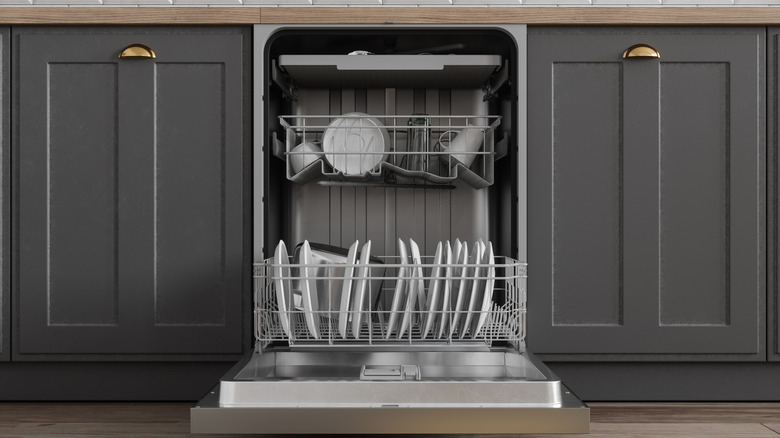
Dishwashers can last from 9 to upwards of 12 years if they are properly maintained, cleaned regularly, and not overloaded. Occasional vinegar washes can help deodorize and kill lingering bacteria, but be sure not to overdo it, as vinegar can also break down rubber components, such as hoses and tubes, if used excessively over a long period. Most dishwashers require the dishes to be rinsed before loading, and be mindful that there are some dishes that should never go in the dishwasher.
Be sure to clean and descale the filters regularly, especially if you live in an area with high calcium content in your water (calcium will show itself as white residue on your dishes and appliances when they've air dried). Cleaning the filters regularly, performing any necessary maintenance, and avoiding overloading the dishwasher will help extend the longevity of this appliance. And when it comes to cleaning the filters, you don't need any fancy cleaning solutions or even special tools. If you do it often enough, you can simply discard any leftover food bits and give them a quick wash or rinse in the sink.
Air Fryer
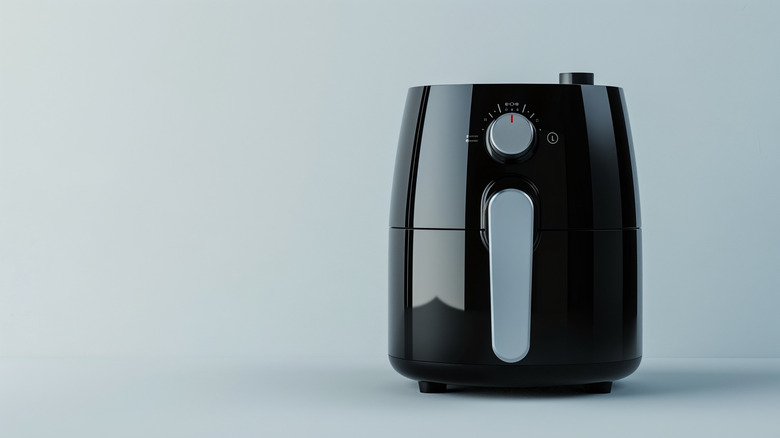
Air fryers should last you at least two years, and up to 10 if you take proper care of them. Something many people don't realize is that air fryers have a filter that is recommended to be changed every six months, depending on how frequently you use it. As it can become coated in grease, seasonings, and crumbs after frying everything from frozen fries to chicken breasts, this is a crucial maintenance step. Having a dirty filter can overwork the venting system and shorten its lifespan. Not to mention, improper venting will prevent your air fryer from cooking your food properly, leaving you with a lack of grease-free crispiness that it's known for.
Keeping the inside clean and regularly emptying any grease buildup will also maintain the air fryer's functionality. Whether you've the larger models with racks inside, like a mini oven, or a simple version with a basket and a dial, emptying the grease that collects at the bottom will keep the flavors of your food fresh and extend the life of this handy convenience appliance. If your filter is replaced and the basket is clean, you can take your food to the next level with these air fryer hacks.
Oven
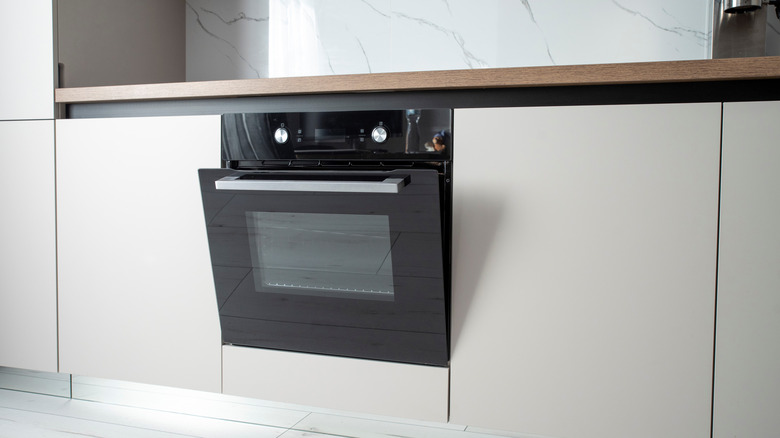
Gas ovens can last between 10 and 18 years on average if they are well-maintained and cleaned. Some ovens will stop working and display an error message if their internal or external sensors become too heavily coated in grease or other types of cooking grime. Therefore, regular wipe-downs and occasional deep cleans are absolutely necessary to extend the lifespan of your oven towards the longer side, regardless of the type you have.
A practical tip to help keep food from dropping into the oven in the first place is to place a large baking sheet on the bottom rack to catch any food that might fall or overflow from your dish. This is especially helpful with bubbly dishes like pies or cobblers, and prevents sugary syrups from being baked onto your grates. Many ovens have one of these trays built in at the very bottom, but if yours does not, the baking sheet option is an effective alternative.
Toaster
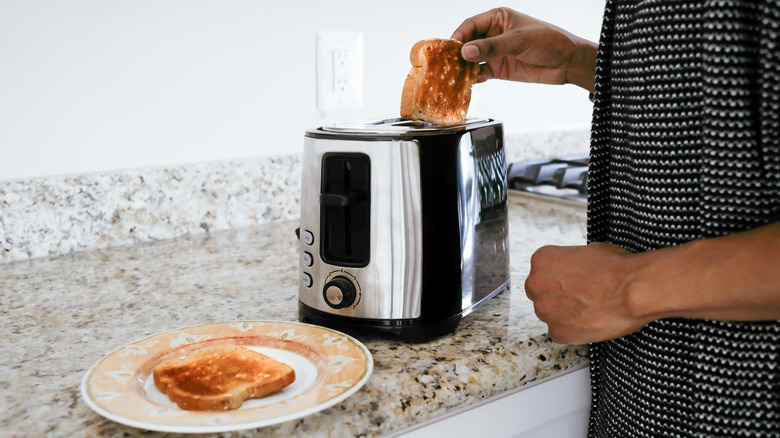
Toasters typically last between six and eight years. Although they're not the most expensive appliance to replace, nobody wants to keep buying something they could simply maintain, especially when very few major improvements have been made to its capabilities and effectiveness over the last several years. I mean, the bagel feature that only toasts the inside of the bagel is nice, but I wouldn't be buying a new toaster just to get that feature if I didn't have to.
Cleaning and emptying the crumb tray beneath the toaster will help extend the lifespan, eliminate burning smells, and keep your kitchen from smelling like a bakery that caught on fire. It's also important not to overload the toaster or put anything in it that is not intended for toasting, as it can damage the mechanisms. You may have seen the viral trend of people making grilled cheese in their toaster, but I would strongly caution against this. The grease that drips off the cheese is a major fire hazard, and this gooey ingredient is likely to get stuck on the wires and burn rather than drop to the bottom with the crumbs. Let's avoid fire hazards and keep our toasters for the long haul.
Rice Cooker
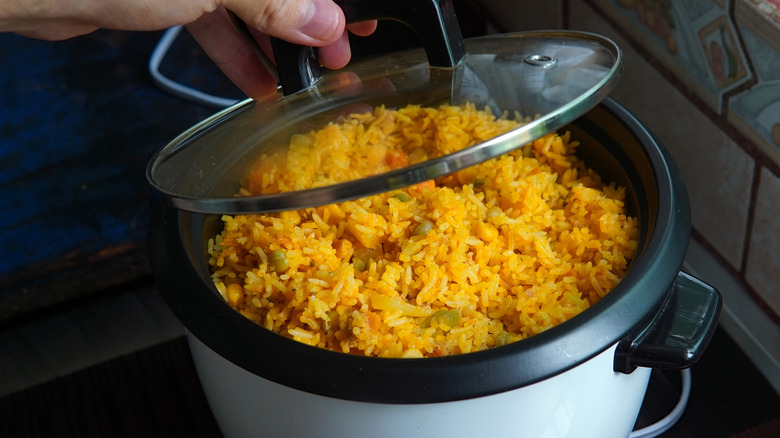
Depending on usage, care, and maintenance, rice cookers can last anywhere from 7 to 10 years. With heavy use, minimal deep cleaning, or careless operation (such as dropping the inner pot or getting water in the heating element areas), rice cookers can last just two to three years.
On the other hand, taking good care of this appliance, including thorough cleaning and minimal usage, can help it reach 10 years old. If you avoid overloading the rice cooker and prevent bubbling over the sides, the outside mechanism can go without a full wash for quite some time, which helps keep all the components dry and functioning properly. This is one of the few appliances with multiple removable components that are essential to their functioning. Therefore, I recommend washing the lid, inner chamber, and steaming tray immediately after use and storing them all together. Take it from someone who accidentally swapped components with their roommate at move-out and was left with pieces that didn't fit together.
Coffee Maker
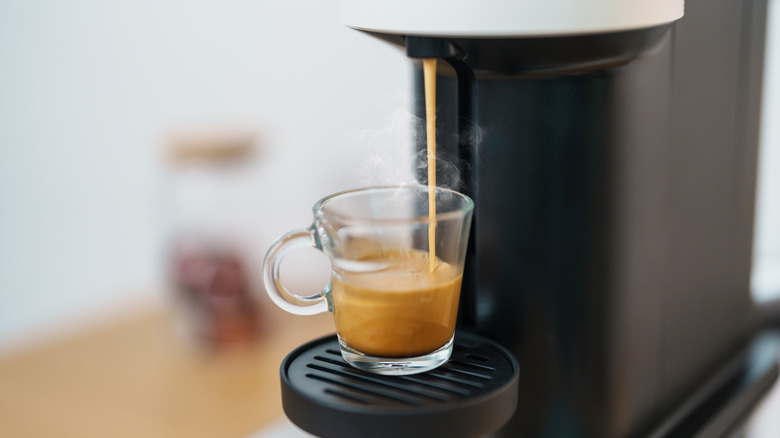
Depending on the type of coffee maker you have, the water quality in your area, and the level of maintenance, coffee makers can last about seven years. More complex models, such as an advanced espresso machine, will require constant fine-tuning and regular care to ensure you're getting the best shot possible. However, simpler models are just that — simpler. If you're happy with a classic cup of joe, a regular coffee pot requiring minimal maintenance will be your best friend.
Excess calcium in your water, heavy usage, and improper maintenance and operation will cause your appliance to be on the shorter side of this range. Descaling is more critical than you may think! Many manufacturers include descaling instructions in their manuals, but if you've long since tossed yours in the garbage, the internet is your friend. Vinegar and a good scrub can be effective for accessible components, and some brands even offer solutions or pods that can be run through the machine to descale it.
Blender

The lifespan of this appliance will vary significantly depending on the types of foods you prepare, the frequency of blade maintenance, and the brand's quality. Dull blades will cause your blender to work harder than it needs to, which can lead to overheating and related damage. Additionally, it will take longer to blend your smoothie, forcing the motor to work overtime. Brands for blenders vary significantly in terms of what they offer regarding longevity, so it's worth shopping around when you're looking for your next one.
Overloading or other similar missteps can cause blenders to overwork and burn out. A well-maintained quality blender can last up to 10 years, while cheaper models or misuse can require replacement in just a few years. Replacing the blades may not seem like a significant task, but it will definitely extend the lifespan of your device. Also, keep it clean! Smoothie or sauce spills can get into the little cracks and affect any buttons or dials, and they'll start to smell over time.
Slow Cooker
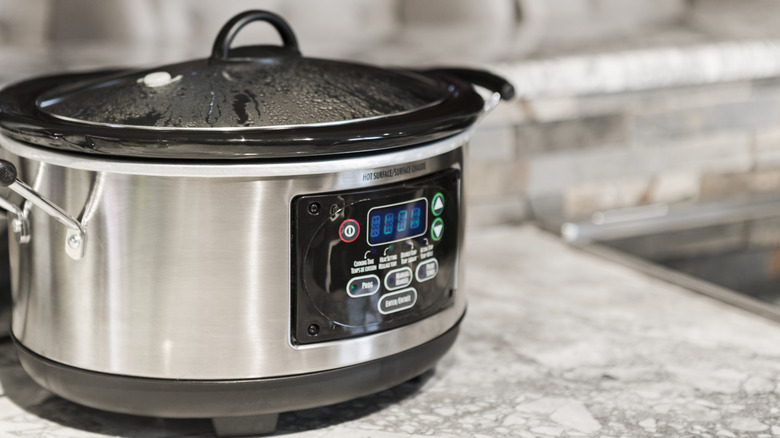
The classic Crock-Pot we all know and love has seen a bit of a backwards evolution in terms of lifespan. I suppose there's something to be said for having just one dial on the front with three or four settings, as opposed to the new, modern slow cookers with all kinds of nifty, specific modes, because original Crock-Pots have been known to last up to 40 years.
Nowadays, you can expect to get 6 to 10 years of use out of a slow cooker, and there are numerous options for high-quality models. As with rice cookers and other appliances with multiple components, it's essential not only to keep all the pieces together but also to treat each piece with the care required based on the materials it's made of. Specifically, keep the outer mechanisms clean and as dry as possible. Over time, it's normal to have some drips on the face of the slow cooker or some grime on the handles. However, if you keep it minimal, you'll be able to get it good as new with regular wipe-downs and won't have to do any serious scrubbing.