

9 Money-Saving Tips For The Best Packed Lunches
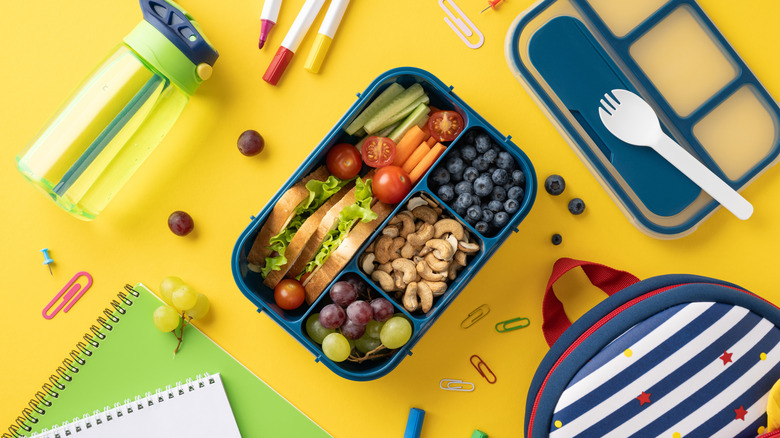
Packing your lunch is one of the simplest ways to cut back on daily spending. Despite our best intentions, though, it's not always as easy (or appealing) as it sounds. What seemed like a good idea the night before can look a lot less appetizing the next day, and more than once you've probably found yourself ditching your packed meal for something a little bit pricier.
The truth is, there are a few common pitfalls that can make bringing lunch from home feel like more trouble than it's worth. Maybe you're aiming too high with overly ambitious recipes, your ingredients just don't hold up well overnight, poor storage is turning your meal into a soggy disappointment, or you're spending more on groceries than you would on takeout. With the right strategies, though, a packed lunch can be budget-friendly, satisfying, and even better than what you'd want for takeout instead. We put together a list of nine tips to save even more money while packing lunches that you'll actually want to eat and will feel good about.
Meal prep
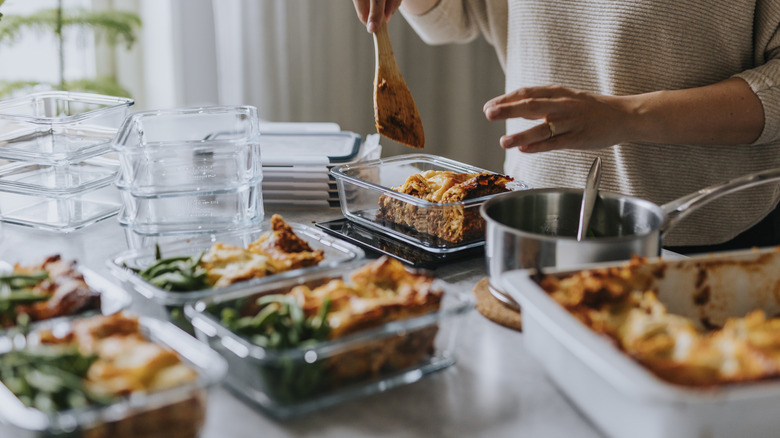
We've all heard of meal prepping, and while it might pain some of us to admit it, the wellness crowd might be onto something. When done right, it can be a smart, money-saving habit. First, meal prepping encourages you to buy your ingredients in bulk, which is often cheaper. Buying in bulk is an affordable choice because it often decreases the cost per unit of your food. Particularly for non-perishables that won't go bad as quickly, this is a great way to save money and minimize trips to the grocery store. Second, meal prepping helps reduce food waste. When you plan ahead and build multiple meals around the same ingredients, you're much less likely to let food spoil in the back of your fridge.
One of the most versatile ingredients for meal prepping is grains, and it also ends up being one of the most affordable. Grains like rice, farro, or barley can be used as a healthy carbohydrate to fill up a variety of your lunches. They can be dressed up and flavored in different ways so they don't get boring, plus they're great to buy in bulk. Affordable ingredients like these can become abundant in your meal prep and help you save some money on your packed lunches.
Don't buy precut produce
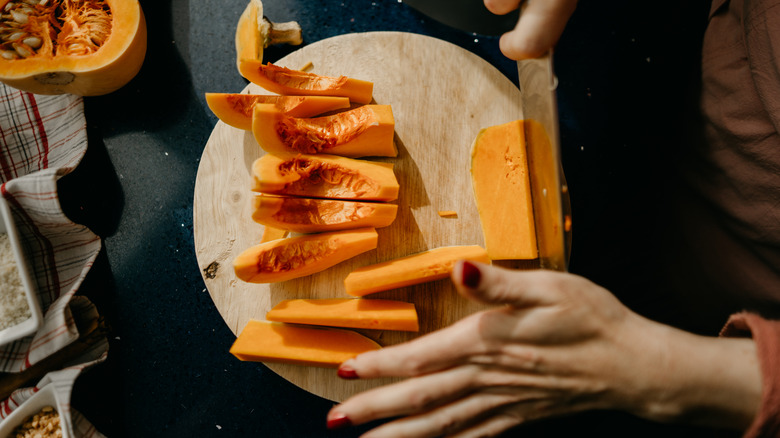
Packing raw fruits or veggies alongside your favorite snack foods is a fun, healthy way to round out your lunch. Whether you're slicing up cucumbers for dipping, throwing berries into a yogurt cup, or adding apple slices to a snack box, fresh produce makes lunch feel a little more nourishing. But when you're shopping for those ingredients, try to avoid buying the precut versions. While it might seem like a convenient shortcut, precut produce comes at a cost. It saves you a little bit of time, but it does not save you money.
Depending on the kind of produce, the precut version can be sold at up to an almost 400% mark-up compared to the whole alternative. This is a hefty premium to pay just to save you a bit of time in the kitchen. Not only is it more expensive, but it also tends to spoil faster, and there's even a contamination risk behind precut fruit and veggies due to increased handling and exposure. If you're still not convinced, whole produce is almost always fresher, tastes better, and lasts longer in your fridge. The trick to saving money and having delicious lunches is to do it yourself.
Make snack packs with kitchen leftovers
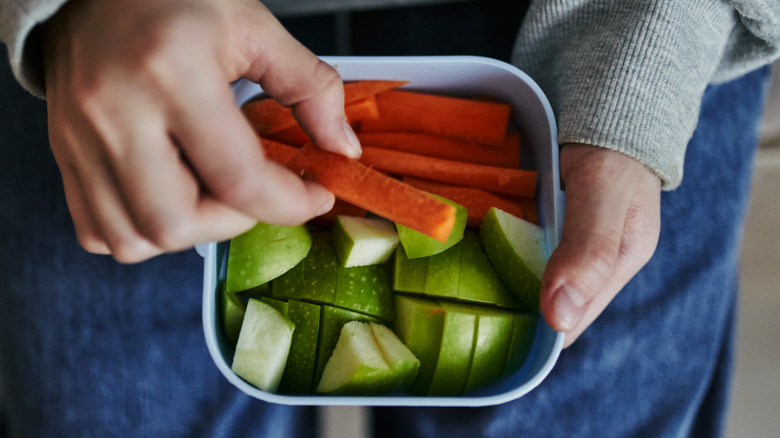
One of the easiest ways to save money in the kitchen is by using what you already have, which often means getting creative with the odds and ends lingering in your fridge. Even if you think you're already mindful of food waste, there's almost always room to go further. Consider that half of a cucumber left over from last night's dinner, the last little bits of fruit you were just going to throw away, the ends of a block of cheese, or bread in your pantry that may be going a little stale. This is where the DIY lunchable comes in. Gather the awkward stragglers in your kitchen and turn them into a fun, mix-and-match meal. Chop up leftovers, and then maybe throw in some pantry staples like nuts, crackers, or a dollop of hummus to round things out.
Snack plates help you avoid spending on new ingredients and keep food from going to waste. As a bonus, they're also a great way to sneak in extra servings of fruits and veggies without even trying. It's a budget-friendly, low-effort, and surprisingly joyful way to eat.
Make more from scratch
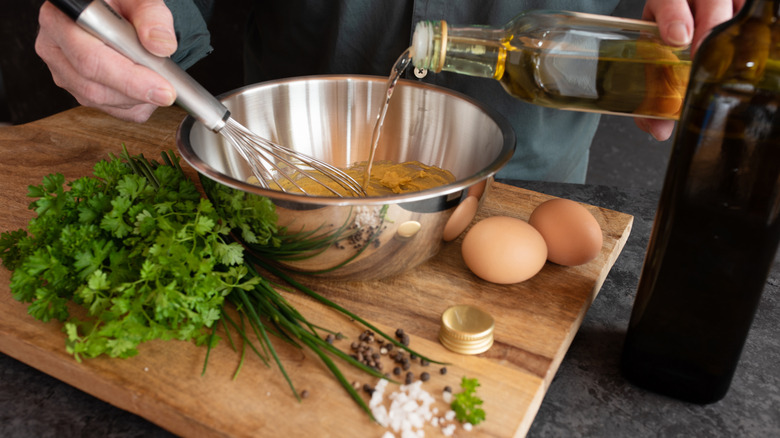
When life gets busy, it's easy to default to convenience. Even if you're not grabbing completely premade meals, buying store-bought ingredients that seem to save time can also add up when you're putting together your lunches. One of the easiest ways to save money (and eat better) is to make more components of your meals from scratch, starting with things like salad dressings and sauces.
Salad dressing is a condiment you might want to avoid buying at the grocery store. Store-bought dressings sometimes come with a higher price per ounce compared to what you could make at home using ingredients you likely already have. Buying pantry staples like olive oil, vinegar, mustard, or tahini in bulk is usually more cost-effective in the long run, and making your own dressing lets you stretch those ingredients across many meals.
Beyond the financial benefits, making condiments from scratch is also better for your health and your taste buds. You get to control exactly what goes in, meaning no preservatives or mystery ingredients, and you can tweak the flavor to suit your preferences. Once you figure out the perfect ratio for your homemade salad dressing, it can also become a quick and satisfying part of your meal prep. Most dressings will last several days in the fridge, meaning you can batch them ahead of time and have them ready to go for the week. It's a simple habit that pays off in freshness, savings, and flavor.
Repurpose jars and containers
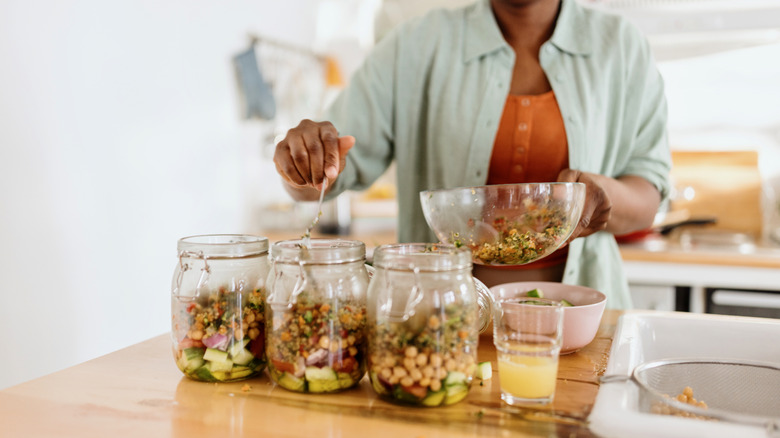
Starting a new habit, like packing your lunch regularly, can make it tempting to buy all the gear that goes with it. Lunchboxes, bento containers, and tiny dressing jars are cute, convenient, and very tempting. But if your goal is to save money, there's a good chance you don't need to invest in a whole new set. You probably already have everything you need sitting in your kitchen.
Before buying something new, first consider all the items you regularly buy that come in reusable containers, like pasta sauce in glass jars, yogurt in sturdy tubs, or soup in plastic containers. These often-overlooked vessels can be washed and repurposed countless times. With a quick rinse and removal of any labels, they're just as functional as the fancier options, and they're technically free! If the container isn't see-through, a strip of masking tape and a marker will do the trick for labeling. Repurposing what you already have saves you money and proves you don't need to spend more to stay organized.
Shop with the discounts

One of the best money-saving hacks is something you probably already have access to. Many grocery stores offer amazing deals in the form of a weekly flyer that gets delivered straight to your mailbox. Chances are this flyer goes straight into the trash as soon as it makes it through the door, but you should be saving it because it can offer some money-saving opportunities. These flyers work by telling you what the store is offering discounts on every week. These discounts often change, but if you follow the papers, it is a great way to save money and maybe even try out some new foods you wouldn't typically buy.
If you don't get coupons delivered straight to your house, many stores will typically also have a weekly flyer at the front of the store with these same deals. Other stores, like Safeway, also offer digital coupons available through their app. Having some sort of constraint or inspiration guided by what foods are on sale also helps provide a template for your lunch inspiration. It's a simple habit that can add variety to your meals, stretch your budget further, and make grocery shopping feel more intentional (and even fun).
Save extra condiments
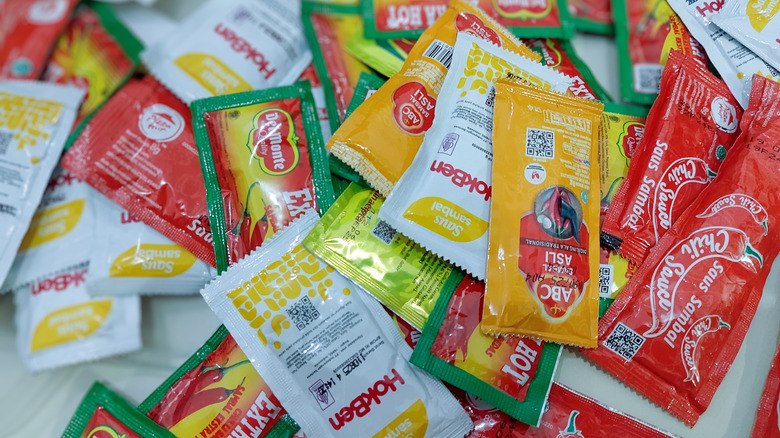
If you've picked up fast food or takeout recently, you've probably got a growing stash of tiny condiment packets (ketchup, soy sauce, hot sauce, and maybe even a few honey mustards) tucked away in a drawer somewhere. They feel too useful to throw out, but they also tend to pile up. The good news? Most of these packets stay good for up to a year, making them perfect for your packed lunches.
Using these leftover condiments is a smart, money-saving move, adding variety and flavor without requiring you to open a whole new bottle or buy anything extra. You don't have to stop at condiments either. If you've been on a flight recently and have a few of those individually wrapped snacks lying around, toss one into your lunchbox to help tide you over between meals. They're already portioned, travel-friendly, and best of all, free. To make the most of this hack, start by setting up a simple organization system for your stash. A small container, basket, or even a drawer divider works great for keeping everything visible and easy to grab. Once you have a system, using your freebies becomes a satisfying part of your lunch routine. There is even something oddly delightful about neatly packing up your little treasures and putting them to good use.
Use the freezer
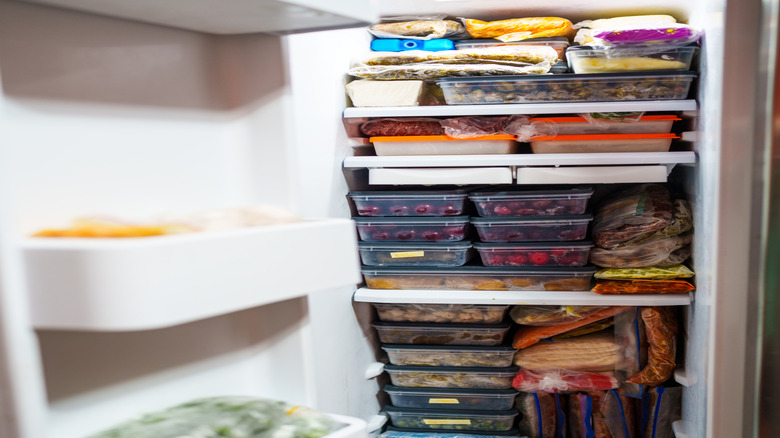
One of the best ways to save money in the kitchen is by reducing food waste, and your freezer can be your secret weapon. If the idea of prepping meals in large batches feels intimidating, freezing portions can take the pressure off. It's one of the most practical and low-effort hacks to make sure your food doesn't go to waste and your future self always has lunch ready to go.
We have a few hacks to make the most of your freezer. One hack to actually eat what you put in the freezer is to pack it into portions. When you bulk prepare meals, portion them out into individual containers. That way, when lunch rolls around, all you have to do is grab a meal from the freezer and reheat it. To keep freezer meals tasting as good as possible, store them in airtight containers. Glass is especially great for minimizing freezer burn and preserving texture and flavor. The key is to seal your food tightly to keep it just as appetizing coming out of the freezer as it was going in. Lastly, to avoid forgetting what's in there, consider keeping a simple freezer inventory. A magnetized notepad stuck on the freezer door can help you track what you've got so you stay organized and avoid waste. Having a few freezer meals on standby also saves you from last-minute takeout temptations. The next time you feel like you have nothing to eat, you can just grab a meal you have already made, pop it in the microwave, and thank your past self for being so smart and budget-savvy.
Get creative with leftovers
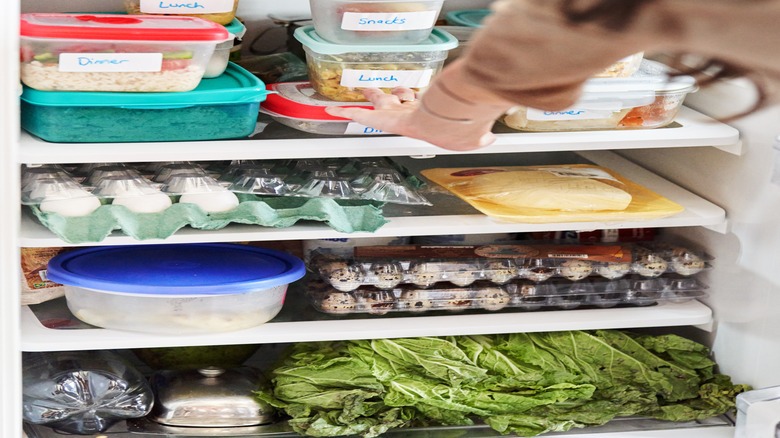
You don't need to start from scratch every time you pack a lunch. One of the easiest and most cost-effective strategies is to repurpose your leftovers. Think of it as a gentle entry point into meal prepping. If you're already making dinner, just cook a little extra. That small effort turns into a ready-made lunch for the next day with zero added cost or prep time.
You may have a bad opinion of leftovers, and often, leftovers end up forgotten in the fridge until it's too late. The trick is to get creative. To make sure you don't get bored, try transforming your leftovers into something new. Got leftover mashed potatoes? Roll them into balls and fry them for crispy croquettes. Leftover pulled pork? Pile it onto tortilla chips for easy lunch nachos. Even something simple like turning a leftover salad into a wrap can make your lunch feel fresh and different. With a little creativity, last night's dinner can become today's delicious, budget-friendly lunch. It's one of the easiest ways to cut down on waste, save money, and keep your meals interesting.