

Myths About Garlic You Thought Were True
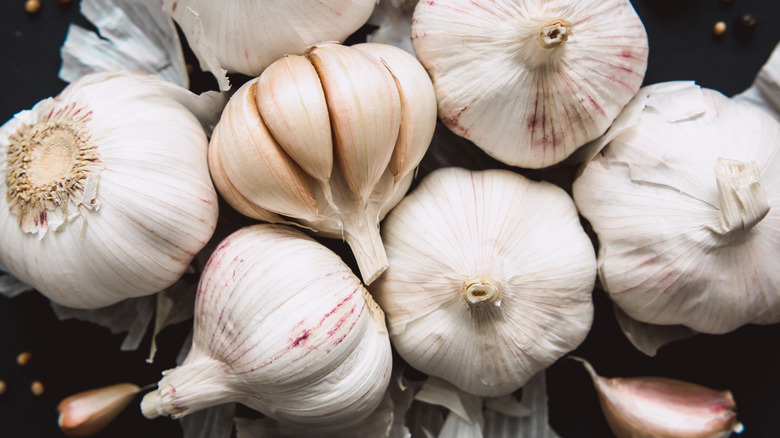
Human beings have cultivated garlic since the very beginning of recorded history. The ancient Egyptians fed garlic to the day workers constructing the great pyramids, believing it would keep them healthy and strong. In Ancient China, the little bulb's effectiveness as a cure-all for diarrhea and intestinal worms was common knowledge. Across the Indian subcontinent, garlic was believed to cure arthritis, while over in Europe, it was said to ward off the unwelcome attention of all things that go bump in the night.
Today, garlic is best known in the culinary world for its intense aroma and ability to elevate dishes via a powerful punch of flavor, which can be intensified by the way you chop it. Famously absent from many lunchtime menu items (ancient Greeks wishing to enter the temple of Cybele were forced to pass a garlic breath test before being allowed in), garlic's ubiquity has helped spawn a whole slew of old wives' tales, folklore, and outright falsehoods about its much-lauded properties. So, listed below, in no particular order, we're debunking some of the most common myths about garlic that, upon closer reflection, really are nothing of the sort.
Myth: Garlic really isn't a superfood
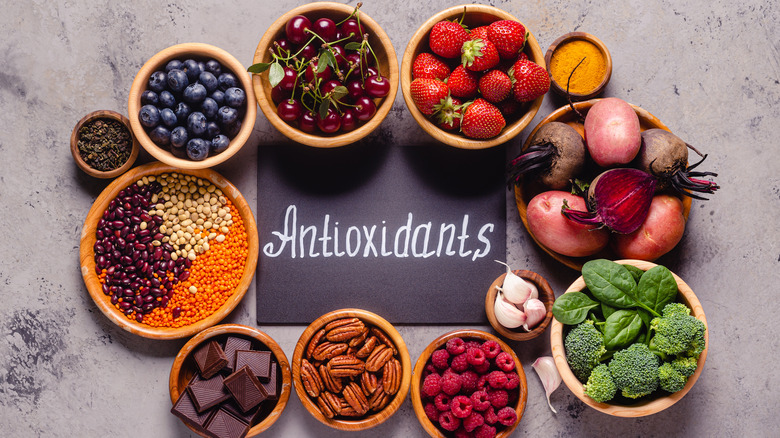
Garlic is really healthy for you and there are plenty of great ways to cook with it (just be sure you don't add it too early though to avoid burning). Nutritionally, it certainly qualifies as a superfood; it is rich in magnesium — an essential component of literally hundreds of metabolic processes — and high in vitamin B6, which is associated with brain health and the production of red blood cells. It's also loaded with vitamin C, low in fat, and an excellent source of iron and potassium, two essential ingredients that promote growth and help move nutrients around the body.
Some of the garlic myths are actually a collection of half-truths, exaggerations, or genuine misconceptions, many of which stem from well-meaning advice. Beneath every outlandish claim lies a kernel of truth, and garlic — stripped of its mystical properties and Instagram hyperbole — remains a fantastic, healthy, and delicious addition to a balanced diet
Myth: Garlic is needed for detoxing
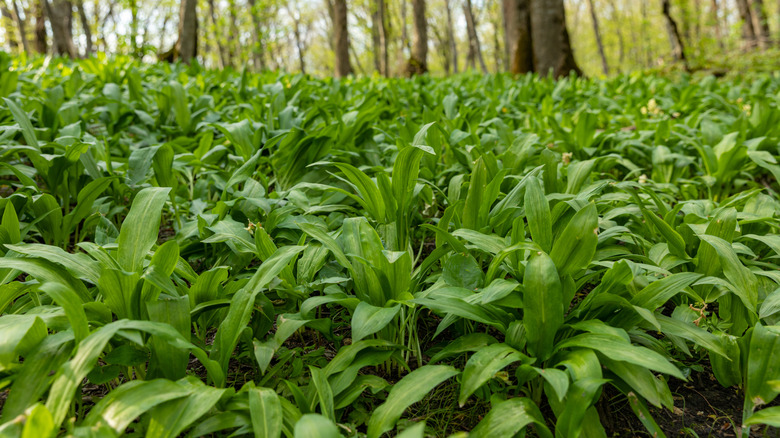
A quick Google search of garlic's health benefits reveals page after page, extolling its virtues as an essential component of anyone's detox routine. Supplements and salads are included alongside raw garlic cleanses, broths, foul-sounding tinctures, wild garlic pesto, and garlic-scented spa treatments. It all sounds very compelling, yet it comes with a rather important caveat: Your body doesn't need detoxing.
Anatomy students will recall that our body is designed to detoxify itself via a rather magnificent organ, most commonly referred to as the liver. This 'hepatic system' makes up the second largest organ in the human body after the skin and works tirelessly to remove unwanted toxins from the body. Its very presence renders the need for a detox regime somewhat truth-adjacent.
Still, it stands to reason that diet plays a role in maintaining healthy liver function. A liver packed full of too much sugar or pickled in alcohol cannot function properly and, in the worst-case scenario, allows toxins to build to dangerous levels.
Thankfully, garlic can help with some of the heavy lifting here. According to a study in Avicenna Journal of Phytomedicine, regular consumption of garlic helps protect liver cells from overuse of over-the-counter painkillers such as acetaminophen. Its raw form has been shown to reduce the risk of fatty liver disease in men, according to another study in Diabetes, Metabolic Syndrome and Obesity.
Myth: Garlic-hating vampires are real

Just about anyone you care to ask would be able to list the basic protections one can wield in the face of a sudden and unexpected vampire attack: the crucifix, the sun's light, a sprinkle or two of holy water, and, ah yes, garlic! Vampires hate garlic, right? As is so often the case, the answer to that question is a hard maybe. Vampire myths are culturally universal, and as with all such lore, it's sometimes difficult to find a definitive origin point. One promising candidate for the progenesis of the vampire myth stems from the medical condition of porphyria.
Per Biology Dictionary, porphyria is a type of anemia caused by a deficit in an enzyme related to heme synthesis, an essential molecule that contains iron and acts as a precursor to hemoglobin. Those affected by the condition often experience hypersensitivity to light and receding gums, an aesthetic that, back in the day, might have been mistaken for a pair of shiny fangs.
Whilst drinking people's blood could theoretically have provided some relief from porphyria-related symptoms, it seems unlikely that anyone would have made the connection in the days before medical science identified the cause of the condition. Still, certain compounds contained within garlic induce a heme-reducing enzyme that would noticeably exacerbate the symptoms of porphyria, leading to a somewhat surprising conclusion. While actual vampires remain confined to the silver screen, the suspected vampires of yesteryear quite possibly did hate garlic.
Myth: Garlic helps you lose weight

Talk of superfoods, vitamins, and minerals inevitably leads to a discussion of any given food's potential dietary benefits. From celebrity diet tips to articles extolling garlic's purported ability to help people shed pounds if — and only if — it is consumed raw, the weaponization of garlic in the never-ending battle of the bulge respects no borders.
Some claims, however, appear to be more suspect than others. For one, garlic contains a compound known as allicin, and according to a paper published in the American Journal of Hypertension, allicin does indeed suppress appetite. Still, as anyone who has continued to plow through an entire packet of Oreos past the point of satiation can attest, there is more to weight loss than simply stopping when you are full.
A study on weight loss published in the Journal of Advanced Biomedical Research observed a reduction in body weight among patients after 15 weeks of garlic supplementation, offering an apparent slam-dunk to the idea that garlic is an effective weight-loss tool. However, the study also conceded that further in-depth study was required before making any definitive claims.
What's left, then, are the usual caveats. While garlic is low in fat and contains many helpful health benefits, a spoonful of raw garlic a day is unlikely to help you squeeze into that favorite pair of jeans that no longer fit. Effective weight loss generally requires adherence to a calorie-controlled diet and an active lifestyle.
False: Garlic is just garlic
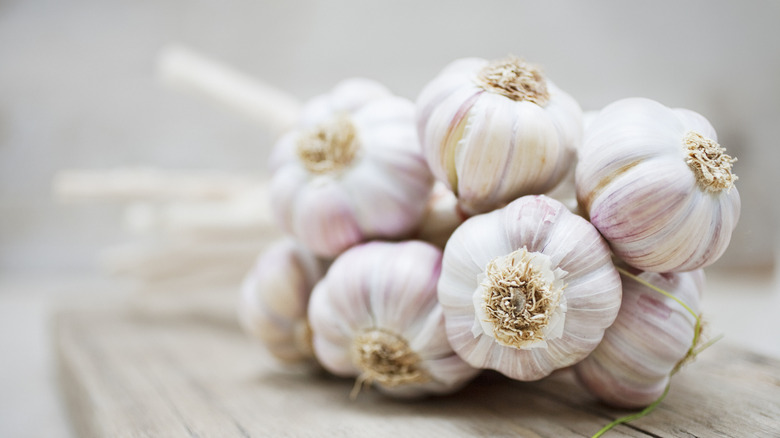
As far as superfoods packed with vitamins, minerals, and alleged healing properties go, garlic packs a relatively puny punch. Cheap and nutritious, though it might be, garlic is just garlic, right? It's that vegetable we all know and love so much that we use it in prodigious quantities when we're in the mood for something quick and tasty. Well, yes and no.
Garlic belongs to the genus Allium, which includes some 600 species of plants, including leeks, onions, and chives. There are two primary varieties of garlic: the hardneck and the softneck. The hardneck possesses a stem — known as a scape — that worms its way to the surface and sticks out of the ground as the bulb grows. The softneck has no scape, and since it is easier to grow, most of the garlic bought in supermarkets is of this type. Hundreds of varieties, local specialties, and rare breeds lie within these two broad categories.
Thankfully, according to the Garlic Seed Foundation, budding allium connoisseurs need only concern themselves with 10 species. Even within these 10 common cultivars, only two principal characteristics remain. According to Garlic Gardening, hardneck garlic offers a broad spectrum of flavors that starkly contrast with the somewhat muted, homogenous profiles of their softneck brethren. From a culinary perspective, choosing the perfect garlic to compliment the perfect dish is not so much a minefield as an exercise in personal taste, preference, and sense of adventure.
Myth: Garlic treats ear infections

Putting garlic into an ear to help cure an inner ear infection is near the top of the long list of home remedies that should never be attempted. This garlic myth seems to have originated — as so many myths do — from certain facts about garlic's antimicrobial efficacy.
According to Frontiers in Micrology, garlic's antibacterial properties are located within the allium compound — the same compound that gives the genus its name and the bulb its signature smell. In tests, applications of aqueous garlic extract demonstrated antibacterial action against several pathogens dangerous to humans, such as E. coli and salmonella.
Further studies — such as a 2020 study published in Trends in Food Science and Technology — suggested that garlic might also possess antiviral properties that help fight infections such as hepatitis, flu, and warts. That said, since the infection is likely behind your eardrum, sticking a garlic clove in your ear isn't the answer, because, per Dr. Roy Benaroch on Consultant 360, it couldn't reach the site of infection (and because sticking anything that far into your ear is not a good idea, anyway).
Substituting garlic oil is also useless here since the eardrum is deliberately non-porous. Fluid leaking into the middle ear could only occur via a perforated eardrum; throwing some garlic at that condition is most inadvisable. So, while many conditions benefit from topical antibacterial ointments, the middle ear isn't one of them.
Myth: Mosquitoes hate garlic

Few things can ruin a day in the country with as much surety as the suddenly incessant buzzing of humanity's oldest nemesis—the mosquito. According to Timothy Wingard — author of The Mosquito: A Human History of Our Deadliest Predator — the mosquito is responsible for the premature death of over half of every human being who has ever lived. Attempts to destroy the pest during the 1950s — with the hope of eradicating Malaria — proved unsuccessful, and subsequent efforts hit similar roadblocks.
Two main theories exist regarding garlic's potential prophylactic nature as it pertains to bloodsucking creatures. The first notion is that it might somehow taint the blood itself. According to a report published in Medical and Veterinary Entomology, mosquitoes were happy to consume the blood of those who had dined on garlic and those who abstained in equal measure. So, while garlic might add a little zing to an otherwise unseasoned blood feast, mosquitoes don't seem to mind the taste.
The second theory draws conclusions from one of garlic's better-known properties: its pungent aroma. Once again, allicin is in the spotlight: it contains what are known as volatile organic sulfur compounds, or VOSCs for short. Puncturing the skin of the garlic clove releases the compounds, and once ingested or handled, the smell lingers for quite some time. Sadly, according to Mosquito Reviews, topical application of garlic does not make for an effective deterrent.
Myth: There is no such thing as too much garlic
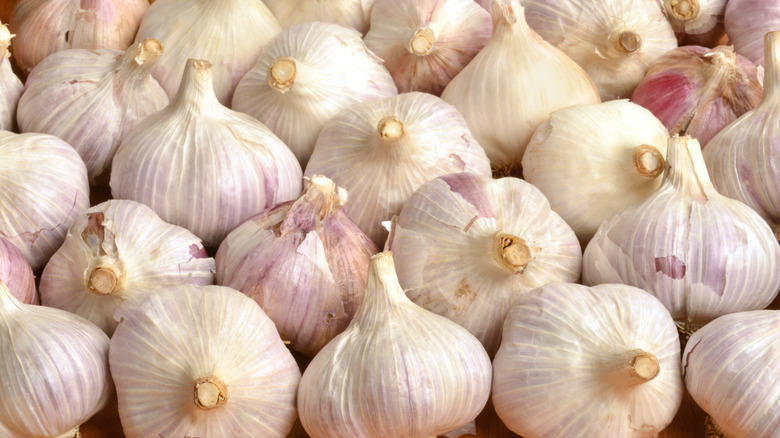
Everyone has experienced the sudden, inexplicable, and irrational temptation to double the amount of garlic suggested in any given recipe. Science may never know where such an urge comes from, but it does lead to the question of how much garlic is too much garlic?
Firstly, as with most things, moderation is key. While studies have shown that garlic can benefit the liver, ingesting too much can also damage the organ. According to a report published in Tropical Gastroenterology, garlic's exact toxicity level is unknown. Still, it seems to be relatively low, considering there are no official guidelines on how much garlic a person should or should not consume. Not that the health warnings end there.
Infusing oil with garlic can lead to spectacular results as long as appropriate precautions are taken. According to the United States Department of Agriculture, homemade garlic oil should be stored in a fridge set to 40 F or lower and consumed within seven days to prevent the risk of exposure to botulism.
In a similar vein, too much garlic can cause more than just stinky breath. There are several side effects of garlic, including gastrointestinal discomfort, heartburn, and diarrhea. Garlic is also a known trigger for people with irritable bowel syndrome, and it is high on the list of foods to avoid for those susceptible to GERD or acid reflux.
Myth: Garlic can treat acne

Acne has long been the bane of teenage existence, and some adults still reporting symptoms in their 40s, it's little wonder that a number of home remedies have popped up from time to time.
While the exact origins of this garlic myth are difficult to pin down, allicin's medicinal properties seem like the most obvious culprit. Garlic's general reputation as a medicinal aid has almost certainly encouraged experimentation with topical applications over the centuries. Meanwhile, its proven track record as an antibacterial agent and noted effectiveness against psoriasis — as suggested by the British Journal of Pharmacology — lends credence to the idea that a dab of garlic on an angry-looking pimple might be the cure-all society has been looking for.
Alas, things are rarely that simple. According to a study published in the Current Health Sciences Journal, garlic acted as an exacerbating factor; topical applications of garlic made acne worse, not better. Things get even worse when switching from garlic's raw form to more concentrated, naturopathic, over-the-counter remedies. In a study published in the Annals of Burns and Fire Disasters, researchers noted the potential pitfalls of using garlic, likening its effect to a chemical burn. The Indian Dermatology Online Journal concurred, stating that, "The degree of burn is directly proportional to the quantity of garlic, duration of exposure, the presence of pre-existing dermatoses, and skin sensitivity."
Myth: Garlic cures colds

There are more homemade cold remedies than secret menu items at Taco Bell, so it's hardly surprising that people advocate using garlic to stave off seasonal sniffles.
The official line on treating a cold is known to everyone: Stay hydrated, rest, and treat symptoms with over-the-counter decongestants and painkillers. Still, the exquisite misery of a five-day head cold encourages experimentation with common tips, tricks, and family tradition ways of blunting the worst a cold can throw at us. Many of these — such as eating chicken soup and drinking vitamin C-rich orange juice — help with the hydration part of the equation. Other suggestions often prove more esoteric. For example, the familiar trope of feeding a cold and starving a fever has been widely debunked.
The case for garlic, however, is still up for debate. According to the Cochrane Database of Systematic Reviews, the traditional belief that garlic possesses cold-fighting properties is not entirely without merit. However, their research did not suggest that garlic impacts the progress of the rhinovirus itself. Instead, it indicated that consuming garlic helps prevent catching a cold in the first place. Put simply, subjects given garlic supplements for three months caught fewer colds than those given a placebo.
So, what seems like an open-and-shut case for garlic supplements and their efficacy against colds requires a slight tempering. Garlic isn't going to help you power through a cold, but regular intake might well stop you from getting one in the first place.
Myth: Garlic brings down fevers

Most of the garlic myths listed above are relatively harmless. Since garlic is a healthy, low-calorie vegetable packed with vitamins and minerals and a flavor profile well above its weight, adding a little garlic to the diet is generally good. True, garlic has occasional side effects, but for the most part, as long as people consume it in moderation, it benefits their overall health.
Indeed, most of the issues associated with garlic consumption arise not from eating it but from its use as a topical treatment. Fighting acne or warding away blood-sucking pests is one thing; using garlic to break a child's fever is quite another.
The myth that rubbing raw garlic on an infant's skin can bring down a fever is not only factually incorrect; it's also dangerous. A report in the Journal of Paediatric Emergency Care detailed the severity of a burn received by a 15-month-old child after her mother rubbed raw garlic on the infant's feet in an attempt to bring down a fever. The Indian Dermatology Online Journal also warned against the use of garlic as a home remedy, detailing the plight of a 60-year-old woman suffering from self-inflicted chemical burns after applying garlic paste to her thigh. In short, there is no evidence to support the efficacy of topical garlic as an antidote to fever, and there are plenty of examples of it just making things worse, so this is one myth that is best left in the trashcan of history.
Myth: Garlic is the perfect remedy for snake bites

There's a reason some folk remedies have been around for centuries: Sometimes, there are actually scientific reasons they work. It's often the case, however, that science just hasn't figured that fact out yet. Lavender for blood pressure. Cilantro for seizures. And garlic for snake bites. All are things now proven by scientific inquiry. However, the last one still lives in that middle ground where most people think it's just a myth, but that line of thinking is slowly changing.
While antivenom is the most effective treatment for snake bites, according to Tropical Medicine Infectious Diseases, in some circumstances, garlic can also be used as a remedy for snake venom, but not in all cases and usually not after the fact. It must be consumed daily BEFORE someone, or something, is actually bitten by a poisonous snake for it to work. Taken this way, it can neutralize the venom of a Black Pakistany Cobra, for example. In other words, it has a prophylactic effect on the receivers of the venom, which, in the case of this study, were rats, per Journal of Natural Toxins. The garlic treatment, coupled with other herbs and natural remedies, held back the worst of the effects of the snake venom, so this myth has some truth to it.
Myth: There's nothing special about organic garlic

Fresh garlic beats jarred garlic, and organic is just better, at least, most of the time anyway. According to Lupine Publishers, organic garlic contains more minerals, like calcium, zinc, copper, and phosphorus. These elements usually have to do with soil quality, however, but it's often enough the case that organic foods are grown in better soils, so they naturally have higher vitamin and mineral counts. People also gravitate toward eating organic garlic because it has no chemical pesticides or GMOs. Radiation is also absent in organic garlic and other organic foods.
Justification for not buying organic food, including garlic, usually doesn't come down to whether or not it's tastier or healthier – for most people. The reluctance to buy organic is often related to the price. The thinking is that organic is more expensive than its conventionally-grown counterparts. Even this can be a myth some of the time. However, a price check reveals that some organic food is actually comparable or even costs less than its conventionally-grown counterpart. Organic garlic would be no exception to this.
And most myths have some basis in reality. Organic food can be, for example, more labor-intensive to grow. It also comes with the expectation of environmental enhancements (due to the requirements placed on organic growing) and different marketing costs. Because of all of the restrictions placed on organic for it to even be called such, the supply of food is also less. This adds to the expense of growing crops like organic garlic, but even those factors are also reasons it's considered the better option.
Myth: Garlic shoos away ghosts and other evil spirits
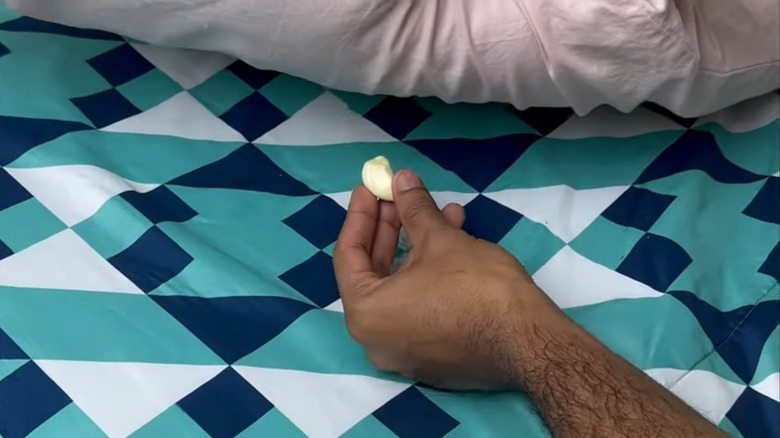
Among the superstitions about garlic is that it keeps away ghosts, goblins, and other spirits that go bump in the night. This myth sounds like something out of the Grimm's Fairy Tales, though historically speaking, in places like Romania and other European countries, this was a belief that people took to be fact. It's why some Eastern European peasants slathered their livestock's horns with garlic. The same goes for why they used to shove garlic underneath the pillows of babies and over the front door or near a window.
The strong-scented miracle bulb was also once thought to have a similar effect on the evil eye and striga, or witches, of all sorts. This explains why garlands of it could be found around the necks of random passersby and in the branches of orchards. All of these beliefs were probably the seeds for the development of many a folksy chicken noodle soup recipe, and why garlic was given as a remedy for many illnesses.
There is actual scientific evidence that garlic cures ailments now, including issues caused by bacteria and other micro-bugs. However, way back when, illnesses were believed to be the result of coming in contact with an evil spirit or the hex of the evil eye. And since garlic cured lots of sicknesses, it's not a surprise that people thought that garlic shooed away evil spirits, too. Proximity equaled causality at that time, which is why so many faith rituals included garlic.
Myth: Putting garlic up your nose relieves congestion

When your head is congested and your nostrils can't take in oxygen in any kind of meaningful way, you're likely desperate enough to try anything to clear that stuff up. For some people, garlic up the nose counts among the most viable remedies when occasions like this strike. And true enough, when you look at the physical aftereffects of this practice – copious amounts of snot running down your face – you'll believe that this remedy actually worked. It's time to debunk this food myth.
The actual reason why shoving garlic up your nose caused a river of mucus to run out has to do with how much the herb irritated the insides of your nose. The runny contents were a sign of your body trying to flush out the irritant, rather than relieving pressure in your sinuses. And if that weren't enough reason not to do it, there's also the possibility that the garlic will get stuck, or cause an infection, or any number of unintended side effects that should encourage you to put your garlic in your dinner, not up your nose.
The belief that garlic can make you better when you're sick does have some merit. According to the Cochrane Database of Systemic reviews, when garlic was given to a group of study participants, they experienced fewer sick days than those who were in the placebo group. However, study participants didn't put the garlic up their noses to get the beneficial effects and instead took an allicin‐containing garlic capsule.