

How Old-Fashioned Boomer-Core Trends Are Resurfacing At Restaurants
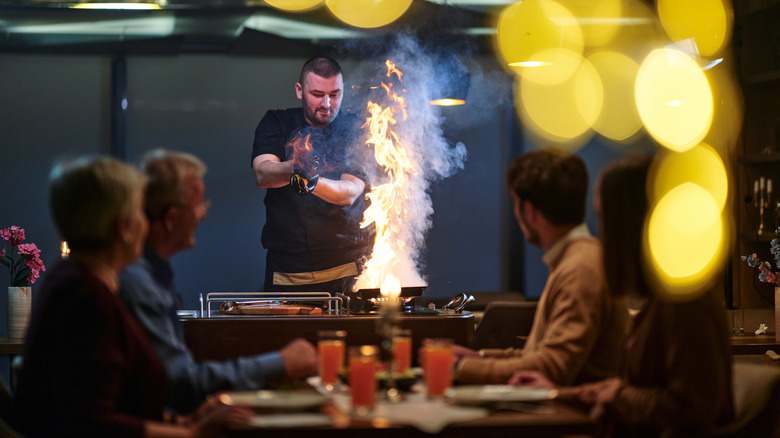
It is no secret that trends in every industry are cyclical, and food is certainly no exception to the rule. If you feel like you are seeing some of the same menu items, culinary techniques, and dining habits from decades ago, you are not imagining things — many of today's buzziest restaurant trends are evocative of those during the birth of the baby boomer generation (members of which were born during the years 1946 through 1964) and the decades that followed.
The dining culture associated with the baby boomer generation arose during a complex and transformative time in United States history, and seeing these food trends emerge again does not necessarily indicate that diners and chefs are nostalgic for every aspect of life during the mid-20th century. That said, it is worth exploring which of these fads have found their way back to the table — and how they have changed in the context of a new era of dining.
We have rounded up 11 of the most notable revivals of boomer-core restaurant trends from the last several years. Keep reading to see if your favorite new dining craze is not quite as new as you think.
1. Nostalgic packaging makes its return
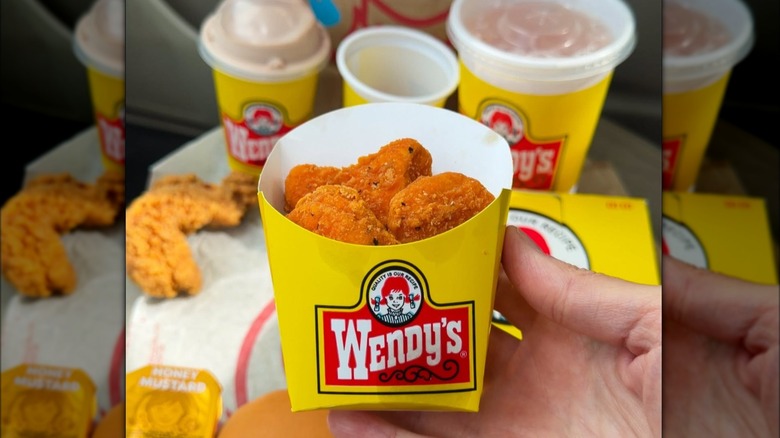
Dishes and drinks from the 2020s don't just taste like they were made during the baby boom — they look like they are, too. In the past year, several fast-food chains have announced a limited-time return to their original packaging designs from the mid-20th century.
As one of several big changes that came to Chick-fil-A in 2026, it announced, in honor of its founding 80 years ago in 1946, a campaign featuring packaging and cups "inspired by designs from Chick-fil-A's heritage." Similarly, in September 2026, Wendy's reinstated its original sunshine-yellow packaging, which the fast-food chain plans to continue using through early 2027.
Consumers' appetites for nostalgia, a Wendy's spokesperson tells TODAY, are as strong as ever. "Fans have been asking for its return for years, making it one of the most requested comebacks in Wendy's history," the statement reads.
2. Tableside presentations are back
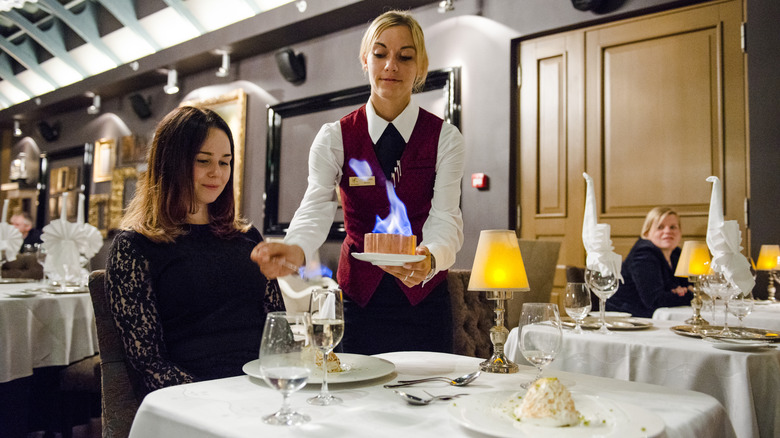
Preparing and serving dishes tableside was a common scene at upscale restaurants across the country in the '50s and '60s. Popular theatrical displays included freshly carved prime rib, flambéed cherries jubilee (one of many desserts that defined the 1960s), and push carts filled to the brim with pastries.
Today, tableside presentations are back with a vengeance. Restaurants are crafting a range of appetizers, entrées, and desserts in front of guests in real time — including hand-mixing salad dressing, deboning whole fish, and scooping heaps of mascarpone onto coffee-soaked ladyfingers for tiramisu. And, of course, chefs are still wowing guests with sweet and savory flambéed dishes, which require dousing the food in alcohol before setting it aflame.
In the 21st century, the tableside trend has new perks for restaurants and diners, thanks to the advent of social media. Diners often take pictures and videos of these highly visual demonstrations, which, if posted online, have the potential to go viral and bring more business to the restaurant. Plus, they haven't gotten any less fun over the past several decades.
3. Diners are the new-old hotspot
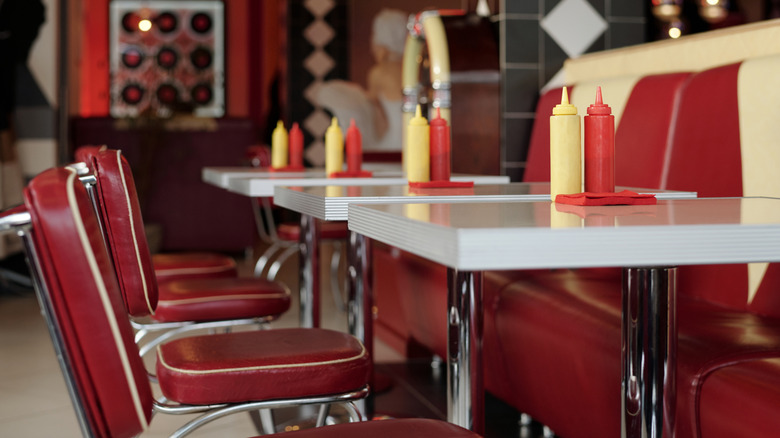
In the 1950s, there were over 5,000 diners in the U.S., many of which were manufactured buildings modeled after railroad dining cars and old-school lunch wagons. With their often-colorful decor, vast menus of comfort food, and ample communal seating at tables and bars, they were the ultimate third spaces of the era. Today, we are seeing aesthetic and culinary elements of the diner once again pick up steam, both in novel and nostalgic ways.
Many of the diners cropping up in recent years are expanding the bounds of the category. Some are sleek and photo-friendly, while others feel more lived-in, even though they are new to the scene. Some offer menus that depart from '50s U.S. diner fare and instead celebrate cuisines from around the globe.
At the same time as these new, innovative diner concepts are opening, decades-old diners are seeing a younger audience. Although these longtime diners never necessarily fell out of favor, they are now the subject of viral internet videos and the reason for around-the-block lines.
4. Martinis are all the rage
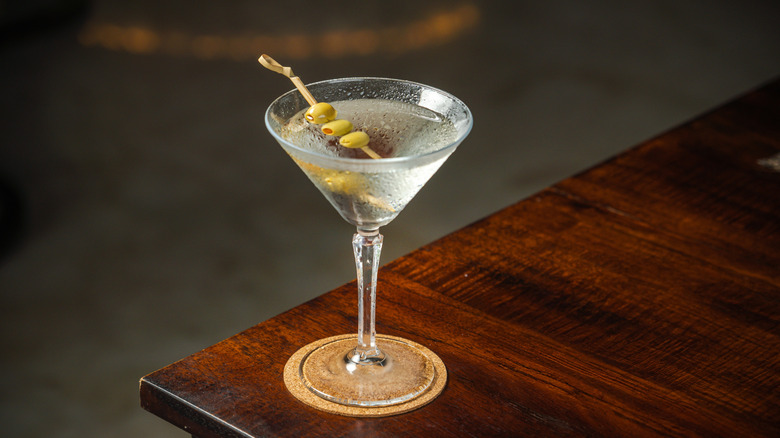
Few drinks are as loved across generations as the martini — a cocktail that, in its most traditional form, consists of gin, vermouth, and sometimes bitters. These ultra-strong and sophisticated sips seemed to have peaked in the mid-1950s, when dry martinis permeated the media and vodka began to gain traction as a stand-in for gin. It would be irresponsible (and just plain inaccurate) to say that the martini ever entirely went out of style, but there is no denying that creative spins on the classic drink have been a focal point of the 2020s bar scene.
Today's martinis are shaken with fresh-pulled espresso shots, served with sidecars, fashioned for guests at the table (hello, tableside preparations), and even sometimes served in flights. They are visually interesting, again lending themselves to internet virality, and as strong as ever. While these cocktails might be a departure from the same drinks that made waves during the era, they are still, at their core, a blast from the past.
5. Cocktail-hour bites are a menu staple
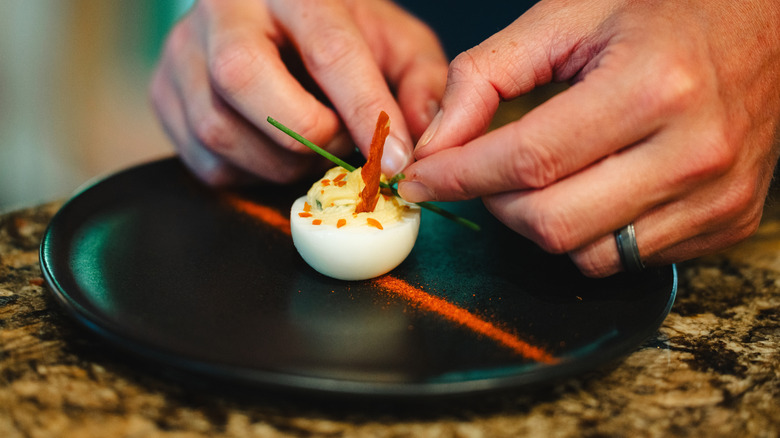
Dinner parties were a staple of the 1960s, and some cookbooks published during the decade were even dedicated to dishes for entertaining party guests. Bite-sized appetizers and hors d'oeuvres, from baked olive-and-cheese pastries to miniature barbecue-sauced meatballs, made for easy crowd-pleasers. Considering the number of old-fashioned and experimental two-biters available on menus today, it's safe to say that restaurants are on the same boomer-era cocktail-hour kick.
These days, it seems like every midrange-to-upscale restaurant is debuting some version of the shrimp cocktail, which was another mainstay in both home and restaurant kitchens in the '60s. Deviled eggs, another old-school appetizer that was popular in the 1960s, are also being dressed up at restaurants with truffle and caviar, bacon jam, and even chicken and waffle fixings. In case you are not already convinced about the return of the cocktail-hour bite, simply look at how many luxe versions of '60s-era pigs in a blanket, miniature hot dogs wrapped in crescent roll dough, are now on restaurant menus across the country.
6. Inventive dips are a must-order
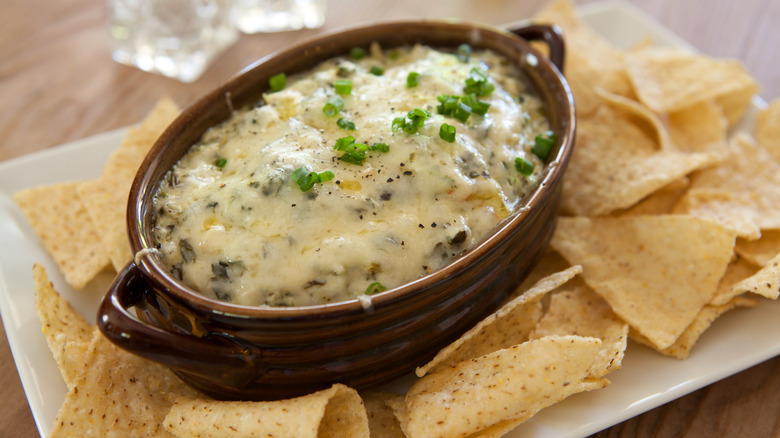
In keeping with the proliferation of dinner parties during the era, it is only natural that hot and chilled spreads and dips were among many cooking trends that defined the 1960s. It seems that the creamier and cheesier they were, the more essential they were — popular recipes included Confetti Dip made with a mayonnaise base and colorful diced vegetables, French onion dip packed with onions and horseradish, and Bleu Cheese Dunk loaded with plenty of blue cheese and heavy sweet cream.
Today's restaurants are offering several revamped versions of popular dips from the decade, as well as some new 21st-century curveballs. Creamy French onion dip is back in fashion, with some kitchens leveling up the more classic recipe with caramelized onions, finely sliced chives, and unconventional dippers. Other restaurants are redefining what dips can look like, with creative twists featuring crab rangoon filling, crème fraîche with copious amounts of caviar, and dessert-inspired cannoli cream served with sugar-dusted pastry chips.
7. Sweet and savory soufflés are making headlines
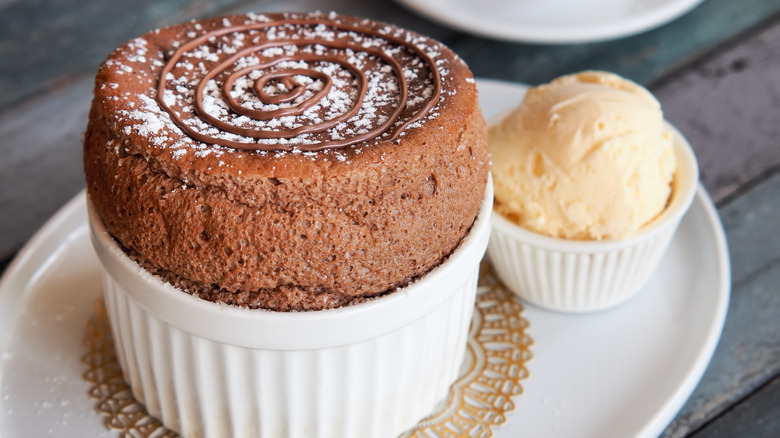
The soufflé, a French dish featuring fluffy egg whites and a sweet or savory base baked and served in a ramekin, ruled restaurants in the '70s but fell out of popularity as the decades progressed. When French food grew less popular in the United States as other global cuisines became far more visible, fewer and fewer restaurants seemed to offer this classic treat. That said, in the 2020s, the soufflé seems to be rearing its head once again — and, as with many other resurgent boomer-core food trends, social media might be to blame (or to thank).
Soufflés are not only decadent; they are also incredibly visually interesting. Chocolate soufflés look like lighter versions of molten lava cakes, cheese soufflés are creamy and comforting, and Grand Marnier soufflés look tall, airy, and inviting. Tableside pours of crème anglaise and truffle sauce make this dish all the more theatrical. It's no wonder that viral videos of soufflés at restaurants are populating the internet, and that this '70s food trend is well-positioned for a comeback.
8. Classic lunch sandwiches are going gourmet
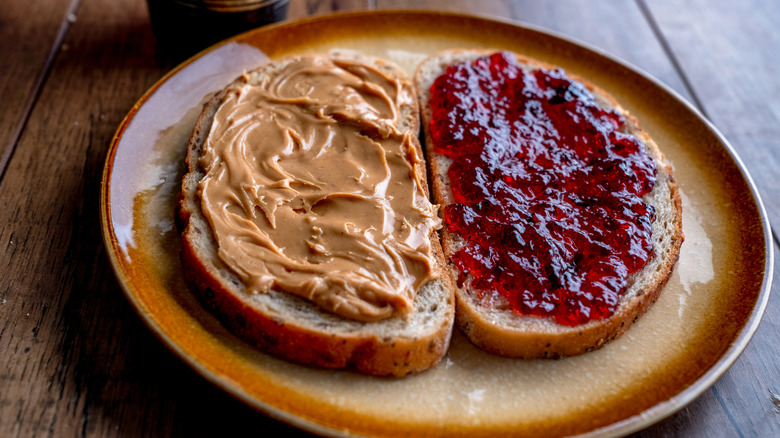
Although classic lunchtime sandwiches were certainly not invented during the onset of the baby boom, they were a staple of the era due to their affordability, convenience, and ease of preparation. They quickly became synonymous with comfort and childhood nostalgia — and, today, it seems that they are back in restaurants with a few extra bells and whistles.
One of the most obvious examples of this phenomenon is the resurgence of the BLT sandwich, a lunchbox staple throughout the '50s and '60s. Today's restaurant BLTs boast everything from fried green tomatoes and chipotle mayonnaise to pimento cream cheese and sunflower-flaxseed bread. Similarly, the tuna melt, which became a classic boomer snack due to the availability and nutritional value of canned tuna, seems to be making waves yet again — it is still a draw for customers at century-old diners, and it has also gotten fresh attention with spins including international ingredients, artisanal breads, and even mashups with pizza.
9. Serveware is as nostalgic as ever
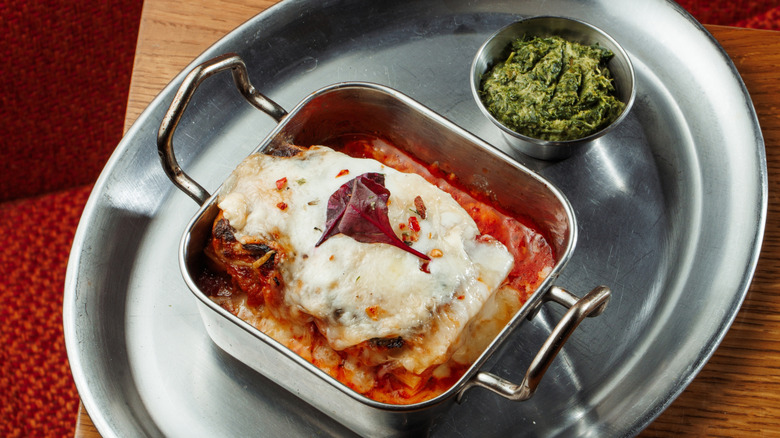
We already know from the retro packaging campaigns at Wendy's and Chick-fil-A that food presentation is becoming just as nostalgic as the flavors themselves — and sit-down restaurants are also getting in on the action. Both independent and chain eateries are now turning to mainstay serving vessels, such as silver platters, personal skillets, and casserole dishes. Depending on the serveware, these pieces can either make a dish feel more elaborate or more homey.
At today's restaurants, silver dishes and plates evoke the elegance of '50s and '60s fine dining. On the flip side, skillets and casseroles up the comfort factor of any dish they contain — after all, who doesn't love the experience of scraping the very last caramelized bit of a baked dish from the walls of its pan? Even national franchises such as Applebee's, which released a cheeseburger split in two and served in a skillet of molten queso at the beginning of 2026, have caught on.
10. Supper clubs are back in fashion
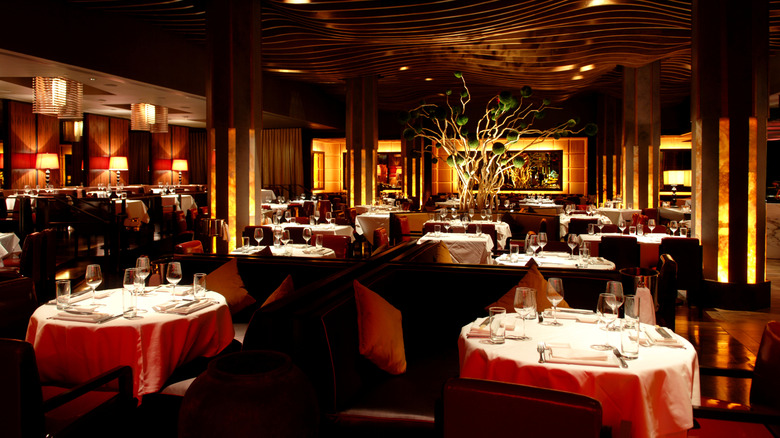
Like dinner parties, the concept of the supper club picked up major steam in the mid-20th century. Whether these clubs took the form of swanky, private lounges in unconventional digs or regular dinners held at hosts' homes, they became yet another way for boomers to bond over a shared meal in a more intimate setting. Today, they are providing the same experience for even more generations.
Supper clubs are now helping diners make new friends in new cities and allowing chefs to prepare thoughtful dishes that would be impossible to do at scale. They provide an air of exclusivity that has not lost its allure over the decades, but they also ironically serve as a way to bring people together in a relaxed and unpretentious atmosphere. The results are not only unique bites and sips, but also the opportunity to get to know diners with whom you might not have otherwise crossed paths — and that feeling of connection will always be timeless.
11. Dining early is increasingly popular
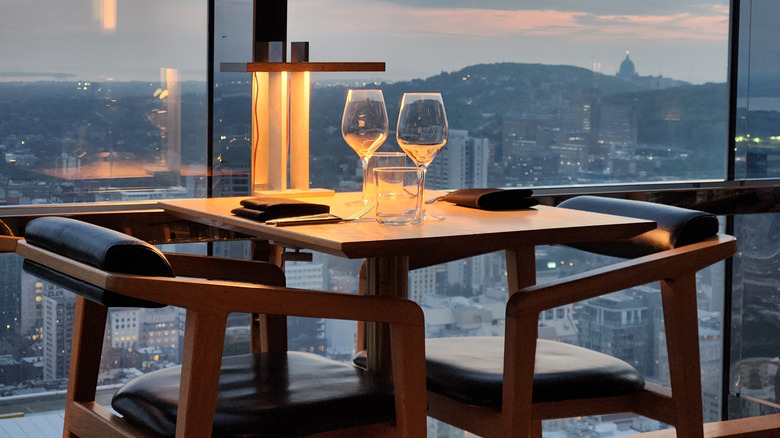
In the mid-20th century, the popularity of early-bird specials at restaurants was enough to send flocks of diners to the table at the beginning of breakfast, lunch, and dinner service. While these discounted deals are harder to come by today, 21st-century market research suggests that diners are once again favoring earlier mealtimes.
In its 2027 Dining Trends report, OpenTable found that, out of 76% of diners surveyed who noted a preference for the time they ate dinner, a whopping 44% preferred an early dinner to a late one — and that figure is without as many of the early-bird specials that previously lured diners to restaurants. Although it is impossible to make an absolute statement about what is causing this trend to resurface, experts believe that flexible work hours brought on by the rise in remote jobs and the simple desire to get home early and get a good night's sleep are playing a role.