

11 Desserts That Defined The 1960s
From viral dot cakes to fruit-shaped trompe l'oeil pastries and butter-dipped ice cream, today's dessert trends are all about spectacle. But what satisfied sweet-toothed diners in the 1960s? The era's favorite treats were just as colorful and indulgent — and several have survived, reinventing themselves for new generations.
The most influential '60s desserts come from a myriad of sources. Some are revitalizations of centuries-old sweets from Europe and Asia; some became sensations after their introduction by a famous chef; and others were planted into '60s recipe books by food corporations hoping to sell more of their own product.
From the gooey, chocolatey concoction called the Tunnel of Fudge Cake to the Baked Alaska that is making a comeback, these desserts have had a lasting impact on United States culinary culture. Keep reading for a list of 11 desserts that defined the 1960s.
1. Chocolate Fondue
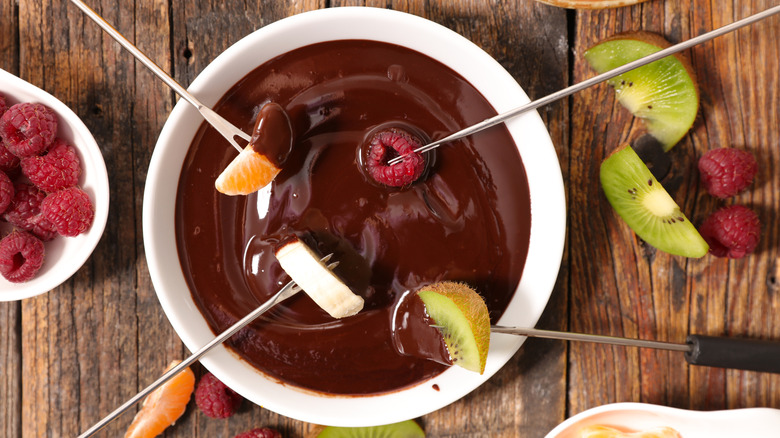
The chocolate fondue was created in the mid-1960s by Swiss Chef Konrad Egli at New York City's Chalet Suisse restaurant. He was encouraged by Toblerone publicity agent Beverly Allen to introduce Americans to the Swiss chocolate brand. What began as a marketing idea quickly became one of the decade's biggest dessert trends.
The timing couldn't have been better. As fondue parties became a staple of 1960s entertaining, chocolate fondue offered a sweet twist on the savory Swiss classic. Diners loved the interactive experience of dipping fruit, cake, and other treats into a communal pot of melted chocolate, while home cooks embraced it as an easy yet impressive dessert for dinner parties.
Today, chocolate fondue remains an immensely popular dessert. While the classic version is still widely enjoyed, modern recipes have expanded to include white, milk, or dark chocolate, along with creative additions ranging from Irish cream liqueur and spices to salty dippers like potato chips and even bacon.
2. Grasshopper Pie
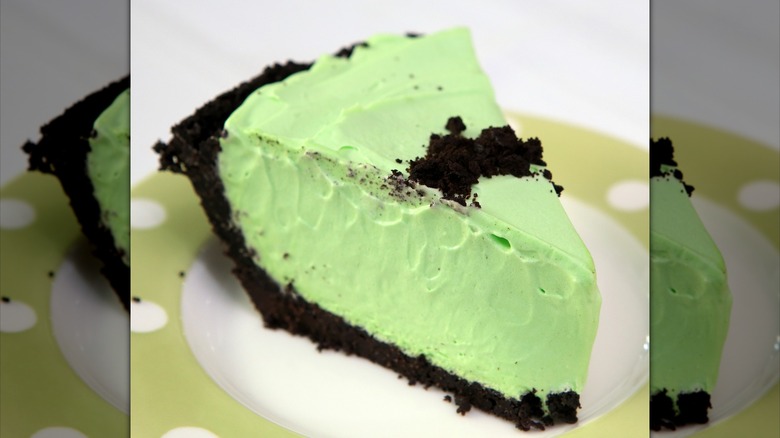
In 1949, chemist Lawrence Pugh crafted the Grasshopper cocktail in his own kitchen after noting the popularity of the chocolate-mint flavor combination in the United States. After shaking up the three-part drink (featuring crème de menthe, crème de cacao, and heavy cream) and delighting in its green hue, the Grasshopper got its name and began to gain popularity.
Inspired by how chilling the cocktail enhanced its flavor, Pugh's wife transformed the drink into a dessert. She folded melted marshmallows to thicken it, poured it into a chocolate cookie crust, and froze it. Throughout the '60s and '70s, the old-fashioned Grasshopper Pie became a popular fixture at restaurants and in homes across the country. It was prized for its mousse-like texture, striking green color, and no-bake simplicity.
3. Coffee Cake
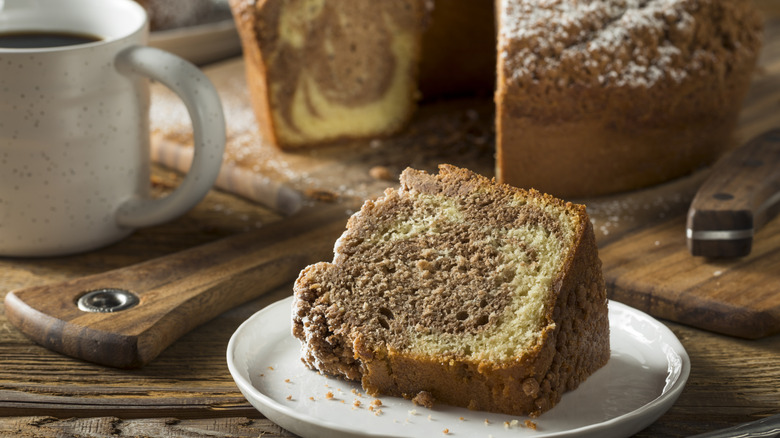
Coffee cake has much deeper roots than many of the other desserts that defined the 1960s. Early German recipes for "Kaffeekuchen" appeared in cookbooks more than a century earlier, created specifically to be enjoyed alongside a hot cup of coffee. Those early versions varied widely, with some resembling yeasted breads and others incorporating ingredients like raisins, molasses, or even coffee into the batter.
By the 1960s, coffee cake had become a staple of American kitchens, thanks in part to the decade's growing coffee culture and the popularity of casual entertaining. Home bakers favored tender cakes flavored with cinnamon and chopped nuts, while buttermilk or sour cream added the moist, rich texture that became a hallmark of the dessert. Food companies eagerly capitalized on the trend as well, publishing their own recipes featuring branded ingredients and helping cement coffee cake as a dependable centerpiece for breakfast gatherings, brunches, and afternoon coffee breaks.
4. Baked Alaska
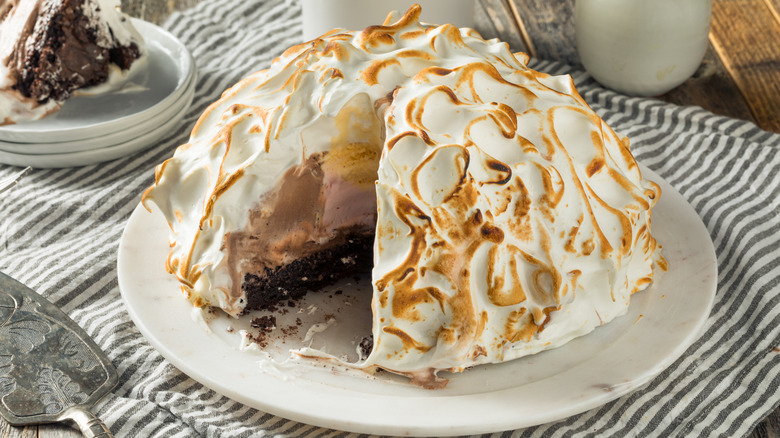
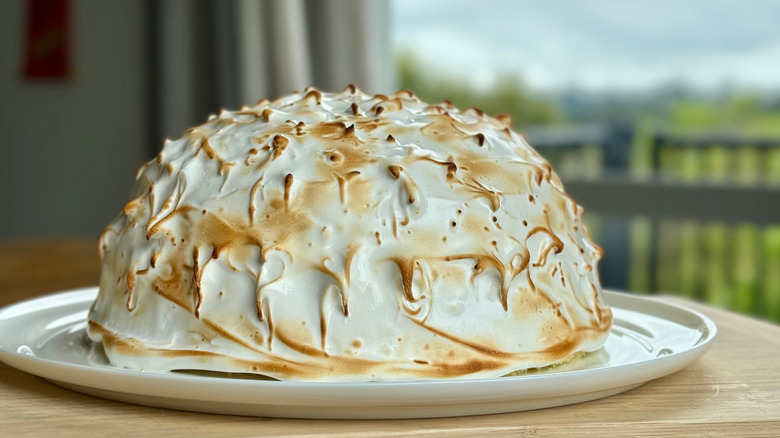
Few desserts capture the glamour of 1960s dining quite like Baked Alaska. With its layers of cake, ice cream, and toasted meringue, it was already an impressive finale to a meal, but the real excitement came when it arrived at the table drizzled with liquor and set aflame. As fine dining became more theatrical during the decade, restaurants, hotels, and cruise ships embraced the dessert as a way to give guests a memorable experience, making Baked Alaska one of the era's signature showstoppers.
Despite its association with the swinging '60s, Baked Alaska had been around for over a century, with several countries taking credit for its introduction. An early version was known as "Alaska, Florida," highlighting the dramatic contrast between warm and cold, before the dessert evolved into the Baked Alaska recognized today.
While its origins may be uncertain, its place in 1960s food culture is not. Although it eventually fell out of fashion as simpler desserts took center stage, it has enjoyed a revival in recent years, with modern restaurants once again serving updated versions that bring back the same sense of drama that made it unforgettable in the first place.
5. Banana Pudding
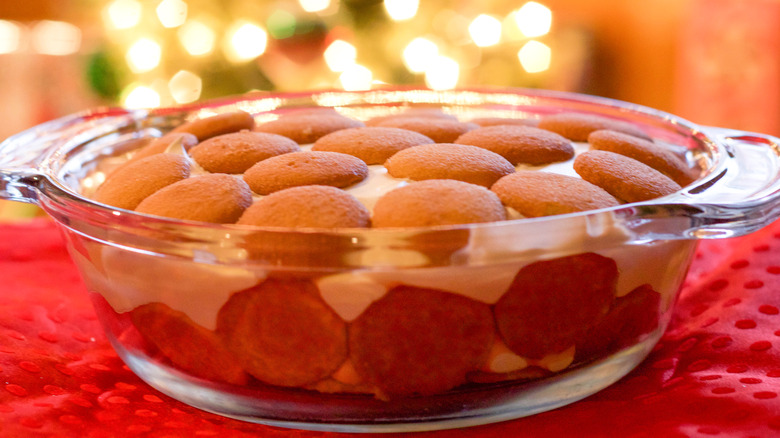
Banana pudding was already a familiar dessert by the 1960s, but convenience products helped keep it a staple throughout the decade. Jell-O sold Banana Cream instant pudding with recipes for desserts like Banana Cream Pie and Boston Cream Pie printed on the box, while Nabisco had long featured its banana pudding recipe made with 'Nilla Wafers on cookie packaging. Together, these products made the dessert easy to prepare at home using readily available ingredients.
As no-bake desserts grew in popularity during the 1960s, banana pudding fit the trend perfectly. Instant pudding eliminated much of the time and effort required to make a custard from scratch, allowing home cooks to assemble the layered dessert with bananas and vanilla wafers in just a few simple steps.
6. Cherries Jubilee
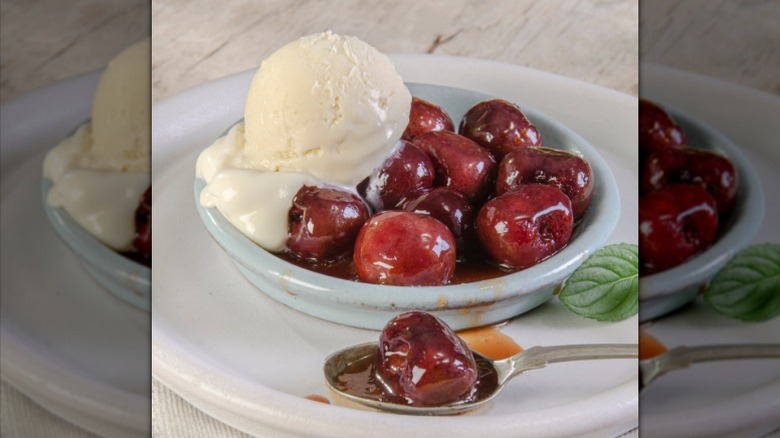
Cherries Jubilee was the brainchild of Auguste Escoffier at the turn of the 20th century. The famous French chef assembled it with a syrupy reduction of sour cherries, sugar, and citrus, then lit it aflame with a splash of Brandy or Kirsch. The saucy dessert is traditionally served over a scoop of vanilla ice cream for a contrast of warm, rich, and slightly tart flavors atop a cool frozen treat.
The dessert became a restaurant sensation thanks to its dramatic tableside flambé. Its theatrical presentation made it a favorite throughout the 1960s, while its simple preparation was equally appealing to home cooks. As one of the decade's popular no-bake desserts, nearly all of the work happened on the stovetop, making Cherries Jubilee an easy yet impressive choice for entertaining guests.
7. Coca-Cola Cake
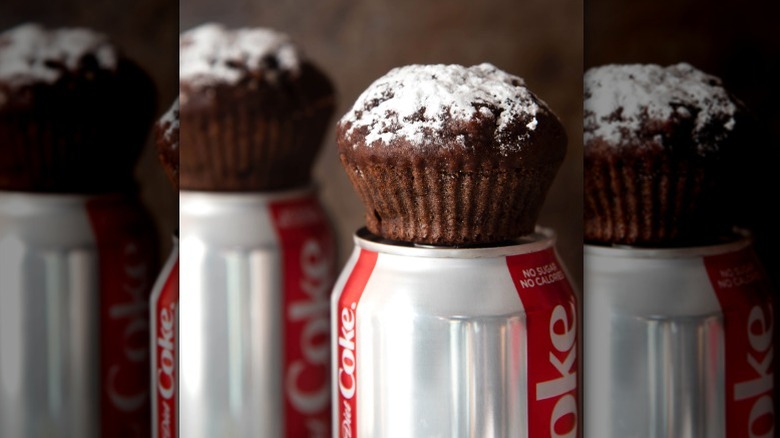
Rather than an invention of the brand's corporation, the Coca-Cola Cake was the result of ingenuity in Southern kitchens during the 1960s. No single home cook is credited with its creation, but many iterations of the recipe emerged during the decade, when the soda was an American pantry staple.
Recipes typically begin with chocolate cake batter, into which the soda is mixed directly for airiness and a hint of spice. The frosting is also flavored with Coca-Cola, but bakers take a bit more creative liberty here, with some opting for a cream-cheese base and others reaching for pure cocoa. Regardless of its riffs, just like other iconic 1960s desserts, the convenience and ease of putting the cake together made it a go-to for families across the country.
Along with household kitchens, restaurants began serving their own versions of the cake during and after the 1960s. Cracker Barrel has long offered a Double Chocolate Fudge Coca-Cola Cake, which features a chocolate base along with plenty of the namesake soda. Combining soda and cake mix together also unlocked a world of opportunities for home cooks; other spinoffs include cakes made with Dr. Pepper and Sprite.
8. Chocolate Mousse
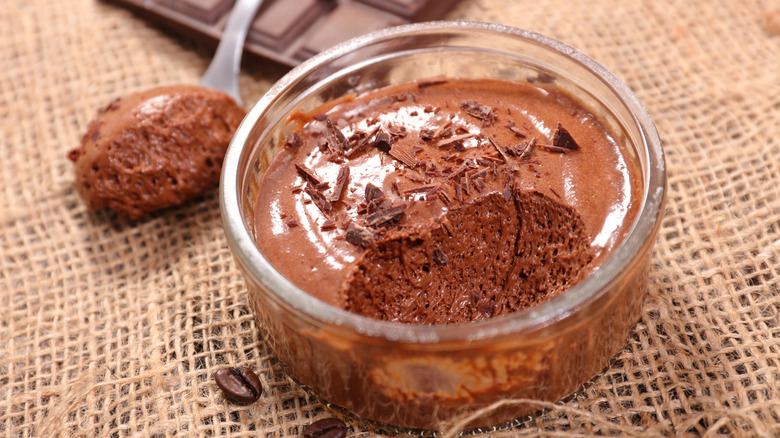
This classic French dessert is traditionally made with whipping cream, butter, eggs, and, of course, plenty of chocolate. The result is a treat that is somehow as light as a cloud, while packing a punch of richness. Although Chocolate Mousse was not born in the 1960s, Julia Child reignited the public's love of it with a Mousse Au Chocolat recipe she published in "Mastering the Art of French Cooking" in 1961. In the book (which was wildly popular at the time with home cooks), she gave it the alternative name Mayonnaise au Chocolat, alleging that the dessert's creamy, whipped consistency is similar to that of mayonnaise.
Just as with countless other desserts that gained traction in the 1960s, even the most elevated Chocolate Mousse does not require a minute of baking. It became a dinner party staple and popular restaurant dessert, especially as diners and chefs alike became more enamored with French cuisine during the decade. Across all its traditional and modern iterations, we were — thankfully — unable to find a single recipe for Chocolate Mousse that involves mayo.
9. Pineapple Upside Down Cake
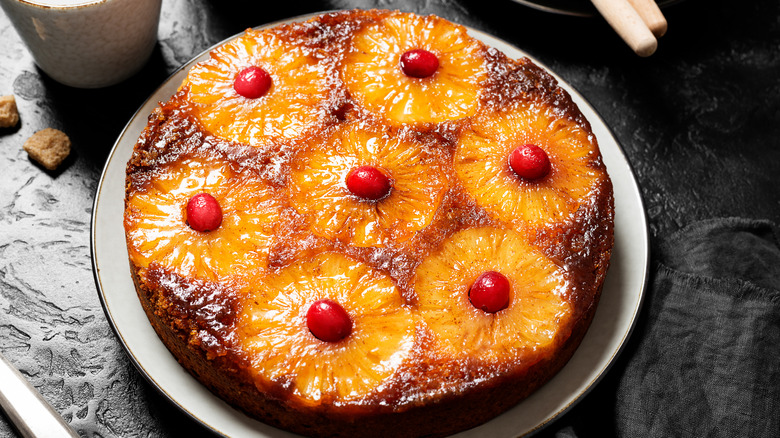
The Pineapple Upside Down Cake was a natural successor to many of the skillet cakes of the 1800s and early 1900s. In an effort to market its canned pineapple through the 1960s, Dole released countless dessert recipes featuring their product front and center — including one for the Pineapple Upside Down Cake.
To assemble this eye-catching dessert, pineapple slices are arranged in the bottom of a skillet or cake pan before being covered with batter. As it bakes, the pineapple caramelizes, and the cake stays moist. When cooled, the cake is flipped onto a serving platter, showcasing the rings of pineapple on top. Many of the retro ads for Pineapple Upside Down Cake featured the pineapple rings studded with Maraschino cherries, but there were some other popular additions from the decade, including whole pecans and lemon zest. The dessert remains popular today — and the Dole website still proudly touts the recipe.
10. Jell-O Salad
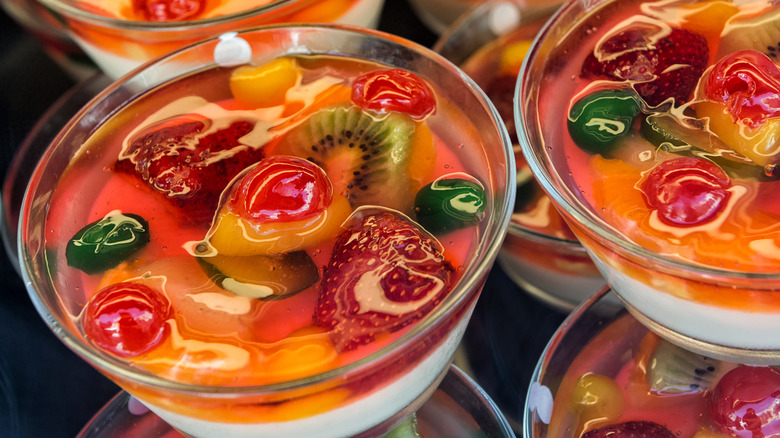
Although Jell-O had been a household staple for decades, the 1960s marked the height of America's fascination with molded gelatin desserts. Sweet Jell-O salads became a fixture at family dinners, church potlucks, holiday tables, and neighborhood gatherings, thanks to their colorful appearance, affordability, and seemingly endless versatility. From elaborate molds filled with suspended fruit to simple bowls of flavored gelatin folded into whipped topping, there was a version for nearly every occasion.
The flavor combinations for a true '60s Jell-O Salad seemed to have endless possibilities. Take the Under the Sea Salad, which combines the vibrant colors and flavors of Lime Jell-O, pear and lemon juices, ginger powder, and cream cheese. Another popular choice was the bundt-molded Cherry Applesauce salad, which had a cherry Jell-O base mixed with canned applesauce and frozen orange juice.
11. Tunnel of Fudge Cake
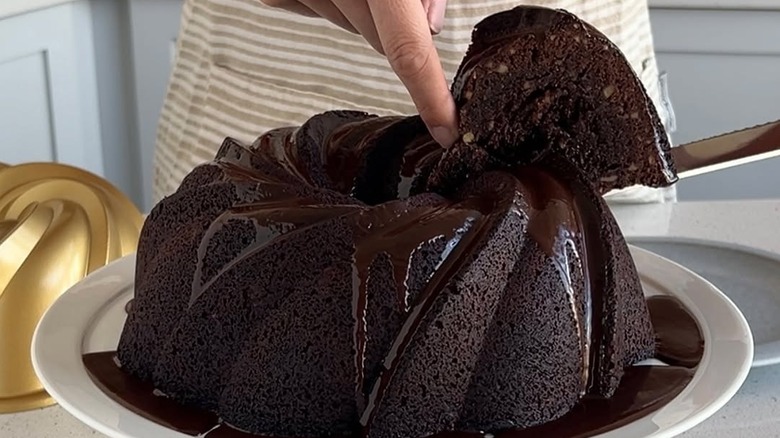
In 1966, baker Ella Helfrich won second place in the Pillsbury Bake-Off with her Tunnel of Fudge Cake. The rich chocolate dessert became an instant sensation and helped popularize the Bundt pan, which had been introduced years earlier by Minnesota-based Nordic Ware but hadn't yet gained widespread attention.
Helfrich's recipe featured a chocolate Bundt cake with a dense, fudgy center created using a now-discontinued key ingredient: Pillsbury Double Dutch Frosting Mix. When Pillsbury later discontinued the frosting mix, home bakers began developing substitute recipes to recreate the cake's signature gooey center. While modern versions typically rely on different ingredients, Tunnel of Fudge Cake remains one of the most iconic desserts of the 1960s.