

Why This Vintage Dish That Ruled Restaurants In The '70s Fell Out Of Popularity
Certain foods and dishes go in and out of fashion all of the time. Whether it's sun-dried tomatoes in the '90s or bacon everywhere, including on donuts, in the 2000s, diners get tired of things that become ubiquitous (and sometimes, trends cycle back a few decades later). But with one food trend, the reason for its fall from grace was less a matter of taste, and more because the dish was a finicky pain for chefs to prepare.
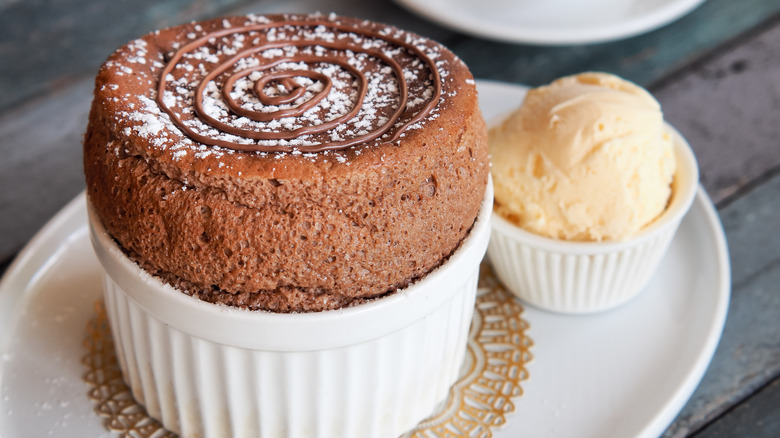
That dish? The soufflé. Consisting of a saucy base with a puffy cap of whipped egg whites — and prepared in both savory and sweet iterations — soufflés hit their stride around the 1970s, arguably helped along by the fame of Julia Child and the spotlight she shone on French cuisine. (That said, soufflés' history stretches back to the 1700s, and by the start of the 20th century, it was well-established in the French culinary canon.) Fittingly, soufflé means "breath" and when done right, a spoonful of the dish can be light as air, at least when made correctly.
It was that whole "making it right" issue that was arguably the downfall of the soufflé. The puffy parts of soufflés are prone to sinking (or not even rising in the first place) if you make mistakes — so much so that the sinking soufflé was a recurring trope in TV and movies. That's not ideal in a fast-paced kitchen, hence why the soufflé has vanished.
Exactly what's so difficult about soufflés?
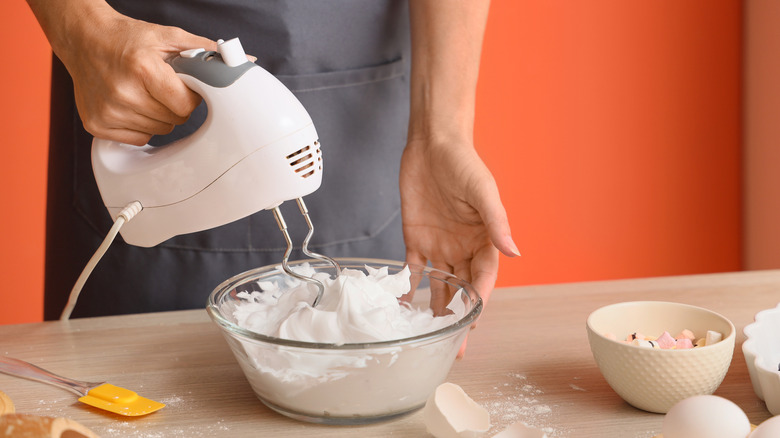
There's a long checklist of things to be careful about for a soufflé to rise properly. You have to be careful with yolks, you can't have traces of fat in the mixing bowl, and even your hands need to be perfectly clean, as a little fat on your palms can also doom a soufflé by making the whites not whip. Once it's in the oven, you're not out of the woods: The temperature needs to be exactly right for soufflés to rise, and even opening the oven door while a soufflé is baking can set off a sinking spiral.
Of course, many of these risks should be avoidable for chefs: Any halfway competent pastry chef should probably be able to separate eggs well enough to not get yolk in the white part, right? But there are a couple of other issues that make soufflés just too much work for a professional kitchen.
They can't really be made ahead, since you need ultra-fluffy egg whites, and they won't stay that way if left to sit. They'll generally need a whole oven set aside, and they need a lot of attention, which reduces a chef's ability to work on other things. Then, because they sink so fast once out of the oven, you need very coordinated service to get them on the table in time. Plus, restaurants have changed and many have become more casual. The fancier French cuisine that soufflés embodied just isn't as popular in the United States as it used to be. Add all that together, and the soufflé's popularity has sunk.