

Pizza Fans Have Complained About This Chain Restaurant Going Downhill Since The '90s
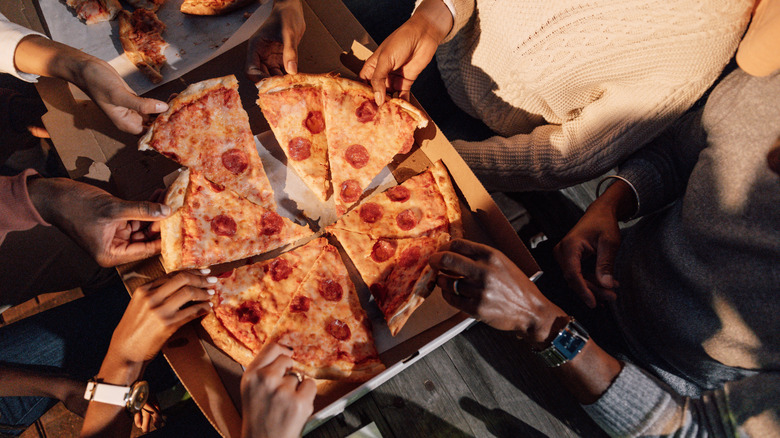
Every pizza fan has their favorite pizza place they swear by, whether it's a franchise or the local downtown spot. Though pizza from authentic Italian restaurants is often seen as superior, pizza chains still hold a spot in many people's hearts and on their plates. For example, Domino's is currently the largest pizza chain in the U.S. But others haven't fared as well over the years, whether because of decreasing food quality or past controversies, and the main pizza chain that people avoid is Pizza Hut.
Many customers complain about the greasiness of the pizza, the low-quality ingredients and lack of flavor, and the unpredictability of the dough; it's either undercooked or overcooked. People who worked at Pizza Hut in past decades have shared that the restaurant changed many of its techniques, including using frozen dough instead of fresh and switching from brick ovens to conveyor ovens — the latter of which is more convenient but impacts taste. Diners across the pond have similar sentiments, as U.K. Pizza Huts have seen decreased sales and closed stores. Modern foodies want quality, artisan-style pizzas instead of Pizza Hut's grease-laden offerings.
Additionally, the concept that initially set Pizza Hut apart hurt it in the end. People reminisce about sitting down as a family for dinner at Pizza Hut in the 1980s and '90s, with one Facebook user saying, "It was a special occasion going to Pizza Hut in the '80s. We would be dressed up and all excited." However, the chain was slow to adapt to a changing market. It lost ground to competitors like Domino's who took over delivery and emphasized convenience and speed.
How Pizza Hut has responded to customer criticism
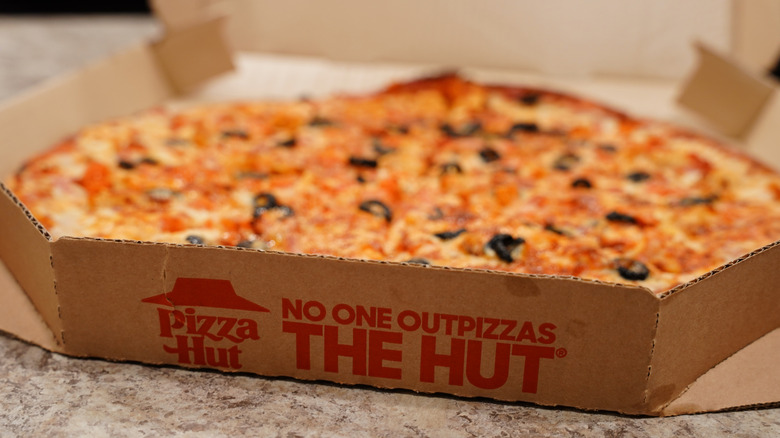
To combat the negative feedback from both customers and organizations, Pizza Hut has made multiple transformations over the years. From 2008 to 2010, U.K. locations eliminated artificial flavors from the kids' menu and reduced the amount of salt across all menu items after criticism from a lobby group. Yum! Brands, Inc., the company that previously owned Pizza Hut, also pledged in 2021 to start using 100% cage-free eggs in its worldwide locations.
Recent menu revamps include Crafted Flatzz, personal flatbread-style pizzas that only lasted until November 2025, and a 2026 campaign built on nostalgia with the reduced-price Throwback Menu. Continuing to target people's yearning for the days of yore, Pizza Hut maintains numerous restaurants it calls Pizza Hut Classics, which boast the retro decor and beloved sit-down experience. Yet the biggest change of all has been Yum! Brands selling Pizza Hut in 2026 to restructure its ownership. The quality of Pizza Hut varies widely due to its franchise model. Franchisees own their Pizza Hut location independently and can run it however they see fit, which greatly determines how good the food and service are.
Despite these menu updates and appeals to nostalgia, Pizza Hut shuttered 275 locations in the U.S. in 2026 (via Fast Company). The sale might give new life to the pizza franchise, but as of now it shows multiple signs of struggling to stay open. New ownership could be what Pizza Hut needs to improve its ingredients and cooking techniques and capture hearts like it did in the 1990s.